Source HEPA Wet Excavator Air Filter for Mining, Construction, and Industrial Use
Find and compare 30 HEPA Wet Excavator Air Filter options from verified Chinese manufacturers. Evaluate specifications such as filtration grade, material, and certification to select the right industrial air filter for your heavy machinery needs.
Key considerations
Products List


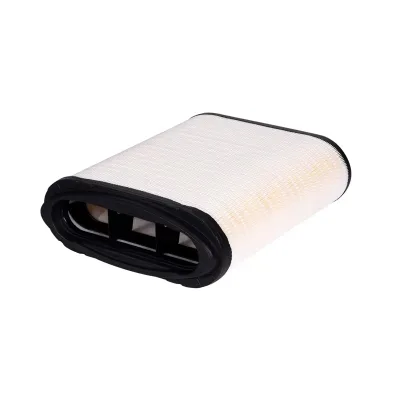

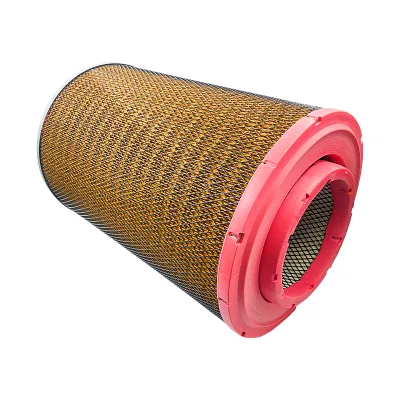


Comprehensive Sourcing Guide
HEPA Wet Excavator Air Filter Sourcing Guide
Sourcing HEPA wet excavator air filters requires a precise understanding of the intersection between filtration efficiency and heavy-duty engine protection. The core keyword highlights a specific niche where high-efficiency particulate air (HEPA) filtration is adapted for wet or high-dust environments typical of excavation sites. Buyers must recognize that while standard air filters protect engines from particulate matter, HEPA-grade units are engineered to capture significantly finer particles, which is critical for maintaining engine longevity in extreme conditions. The "wet" designation often implies a specific media treatment or housing design intended to handle moisture-laden air or slurry, preventing media degradation and ensuring consistent airflow resistance.
Procurement decisions for these components hinge on verifying that the listed product matches the specific operational demands of the machinery. The observed market data indicates a wide range of models, from specific part numbers like 803172059 to generic descriptions like "Air filter(inner)" or "Air filter(out)," suggesting that buyers must cross-reference part numbers with their equipment's engine model, such as Cummins engines found in models like Xe470d or Xe490d. A failure to align the filter's physical dimensions, connector type, and filtration grade with the excavator's intake system can lead to immediate performance issues, making the verification of adaptation models and connector specifications a non-negotiable first step in the sourcing process.
Product Scope and Observed Listing Signals
The current market landscape for HEPA wet excavator air filters presents a diverse array of product attributes that buyers must navigate carefully. Listings frequently specify the condition as "New" and offer customization options, indicating that suppliers are prepared to tailor filtration solutions to specific machinery requirements. The observed product range includes various packing methods, from standard cartons and wooden boxes to "in Nude" packaging, which can influence shipping costs and the risk of physical damage during transit. Buyers should scrutinize these packaging details to ensure the product arrives in a condition that preserves the integrity of the HEPA media, which is often delicate and susceptible to compression or moisture damage if not properly secured.
A critical signal in the product scope is the variation in filtration grades and structural designs, with many listings explicitly mentioning "HEPA Filter" as the filtration grade and "Cartridge Filter" as the structure. This distinction is vital because not all air filters are created equal; a standard industrial filter may not meet the stringent requirements of a HEPA-grade unit designed for wet environments. The presence of specific attributes like "without Clapboard" or "Flat Connector" further narrows the scope, requiring buyers to match these physical characteristics against their excavator's intake manifold. Ignoring these specific structural signals can result in the procurement of a filter that fits physically but fails to provide the necessary filtration efficiency or sealing capability.
Technical Specifications to Verify
Verifying technical specifications is the most critical phase of sourcing, as the performance of an excavator air filter directly impacts engine health and operational uptime. Buyers must confirm the exact product model number, such as 611AB, 629AB, or 700AB, to ensure compatibility with the specific engine architecture of their machinery. The adaptation models listed, including Xe470d, Xe490d, and Xe490dk, serve as a primary reference point, but buyers should not rely solely on these; they must also verify the engine model, such as the Cummins Engine, to ensure the filter's flow rate and pressure drop characteristics align with the engine's breathing requirements.
Beyond model numbers, the physical and chemical properties of the filter media must be rigorously checked against the operational environment. The material composition, often listed as "Metal" for the housing or frame, must be corrosion-resistant to withstand the "wet" conditions associated with excavation work. Additionally, the filtration grade must be confirmed as HEPA, which implies a specific efficiency in capturing fine particulates, rather than a generic industrial grade. Buyers should also verify the filter connector type, such as the "Flat Connector," and ensure that the color and structural design, including options like White, Gray, or Black, do not interfere with the installation process or visual inspection of the filter element.
Compliance and Safety Documentation
Compliance and safety documentation serve as the foundational proof that a supplier's products meet international and industry-specific standards. The observed listings frequently cite certifications such as CE and ISO 9001, which are essential indicators of a manufacturer's commitment to quality management and product safety. However, buyers must look beyond the mere presence of these labels and verify the specific scope of the certification, ensuring it covers the manufacturing of air filtration systems for heavy machinery. The combination of ISO/TSISO and CE certifications suggests a robust quality control system, but the buyer must confirm that these certifications are current and applicable to the specific product line being purchased.
In addition to general certifications, specific standards related to filtration performance and material safety must be reviewed. While some listings reference ASTM standards, the absence of a specific standard number in the provided data requires buyers to request detailed test reports that validate the filter's performance against recognized benchmarks. The "Standard Specifications or Customized" attribute indicates flexibility, but it also places the burden on the buyer to define the exact performance criteria. Without clear documentation of test results regarding filtration efficiency, dust holding capacity, and resistance to moisture, the risk of procuring a substandard product increases significantly, potentially leading to engine failure in the field.
Cost Drivers and Commercial Terms
The cost of HEPA wet excavator air filters is influenced by a complex interplay of material quality, filtration efficiency, and commercial terms. The observed price range of 1 to 220 USD reflects the diversity of products available, from basic units to high-performance HEPA filters with specialized wet-resistant media. Buyers should understand that the lower end of this range may correspond to standard industrial filters, while the higher end likely represents units with advanced HEPA capabilities and custom engineering. The "Customization: Available" attribute suggests that bespoke solutions will command a premium, and buyers must factor in the cost of design and tooling when requesting non-standard specifications.
Commercial terms, including Minimum Order Quantity (MOQ) and payment conditions, play a significant role in the total cost of ownership. The observed MOQ ranges from 1 to 100 units, offering flexibility for small-scale procurement but potentially increasing the unit cost for larger orders. Payment terms like "Tt" (Telegraphic Transfer) are standard, but buyers should negotiate terms that align with their cash flow and risk management strategies. Additionally, the delivery time of 15-25 working days must be factored into the procurement timeline, as delays can lead to operational downtime. Buyers should also consider the warranty terms, as "with Warranty" is a common attribute that can mitigate the financial risk of product failure.
Supplier Qualification and Quality Control
Supplier qualification is a multifaceted process that extends beyond checking for basic certifications to evaluating the supplier's manufacturing capabilities and quality control systems. The origin of the products, primarily from locations like Xuzhou, Jiangsu, and Hangzhou, China, indicates a concentration of manufacturing expertise in these regions, but buyers must verify the specific factory's track record. The "Quality: Polymer" attribute suggests the use of specific materials, but buyers should request evidence of material testing to ensure the polymer meets the required durability and chemical resistance standards for wet environments.
Quality control processes must be transparent and verifiable, with suppliers providing detailed inspection reports for each batch of filters. The "Condition: New" attribute is a baseline expectation, but buyers should demand proof of pre-shipment inspections that verify the filter's structural integrity, sealing capability, and filtration efficiency. The presence of a warranty is a positive indicator, but the terms of the warranty, including coverage for premature failure or defects, must be clearly defined. Buyers should also assess the supplier's ability to handle customization requests, as the "Standard Specifications or Customized" attribute implies a need for flexibility in production processes.
Long-Term Procurement Checks
Long-term procurement checks are essential for maintaining the reliability and performance of HEPA wet excavator air filters over the lifecycle of the machinery. Buyers should establish a routine for monitoring filter performance, including regular checks of pressure drop and filtration efficiency, to detect any degradation in the media or housing. The "Warranty: with Warranty" attribute provides a safety net, but proactive maintenance and performance tracking are necessary to maximize the value of the investment and prevent unexpected engine failures.
Furthermore, buyers should maintain a relationship with their supplier to ensure a consistent supply of high-quality filters and to stay informed about any updates or improvements in filtration technology. The "Customization: Available" attribute suggests that suppliers are capable of evolving their product lines, and buyers should leverage this relationship to adapt to changing operational requirements. Regular audits of the supplier's quality control processes and certification status will help ensure that the long-term procurement strategy remains robust and aligned with the highest standards of safety and performance.
FAQs
What certifications do the HEPA wet excavator air filters have?
The filters carry CE and ISO 9001 certifications as confirmed by product data. Some listings also show ISO/TSISO compliance. These standards ensure the products meet international safety and quality requirements for industrial use.
Can I customize the specifications of these air filters?
Yes, customization is available for these air filters according to the product attributes. Buyers can request specific standard specifications or customized options to match their machinery needs. This flexibility supports diverse industrial applications.
What is the minimum order quantity for these filters?
The minimum order quantity ranges from 1 to 100 units depending on the specific supplier. Some listings indicate an MOQ of 50 to 100, while others allow orders starting from a single unit. Check individual product pages for exact limits.
How long is the delivery time for these excavator filters?
The delivery time is typically 15 to 25 working days for these products. This lead time applies to standard orders from suppliers located in China. Expedited options may vary based on the specific manufacturer and shipping method selected.
Which materials are used to construct these air filters?
These filters are constructed using metal and polymer materials as listed in the product facts. The filtration grade is specified as HEPA Filter for high efficiency. This combination ensures durability and effective air purification for heavy machinery.
What is the warranty status for these air filters?
The products come with a warranty as indicated in the product attributes. This coverage applies to new condition items sourced from verified suppliers. Buyers should verify specific warranty terms with the vendor before finalizing the purchase.
Where are these air filters manufactured?
These filters are manufactured in China, with specific origins in Xuzhou, Jiangsu, and Hangzhou. The products are packed in carton boxes, wooden boxes, or standard packaging. This location data helps buyers assess logistics and shipping requirements.