Source Hex Cap Flange Tapping Screws for metal plastic concrete
Compare 30 Hex Cap Flange Tapping Screws from Chinese manufacturers offering stainless steel and carbon steel options. Buyers can evaluate head styles, grades, and custom specifications for plastic, metal, sheet metal, and concrete applications.
Key considerations
Products List


$0.00 - $0.01
MOQ: 100000 Pieces


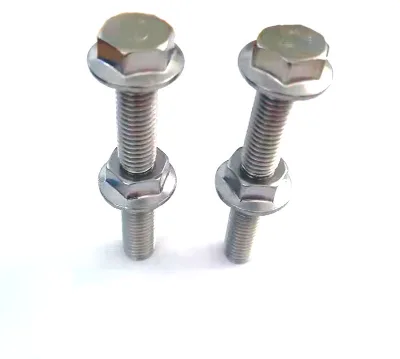
Factory Supply Stainless Steel Hex Washer Head Flange Head Self Tapping Screw
$0.01 - $0.05
MOQ: 50000 Pieces


Comprehensive Sourcing Guide
Strategic Sourcing Guide for Hex Cap Flange Tapping Screws
Procuring Hex Cap Flange Tapping Screws requires a disciplined approach that balances technical precision with supply chain reliability. These fasteners are critical components in assembly processes where vibration resistance and load distribution are paramount. The hexagonal head design allows for high torque application, while the integrated flange provides a large bearing surface that eliminates the need for separate washers. Buyers must navigate a complex landscape of material grades, international standards, and customization options to ensure the selected components meet rigorous engineering requirements. This guide outlines the essential factors for evaluating suppliers and specifications based on verified market data and industry standards.
Technical Specifications and Design Attributes
The foundation of a successful procurement strategy lies in a precise understanding of the product's physical and mechanical attributes. Hex Cap Flange Tapping Screws are defined by specific geometric and material characteristics that dictate their performance. The head style is predominantly hexagonal, designed to accommodate standard wrenches and power tools for efficient installation. Variations exist, including round head configurations and hexagon heads with flanges, each serving distinct aesthetic and functional purposes. The groove type is consistently observed as hexagonal, ensuring a secure grip for driving tools and preventing slippage during high-torque operations.
Material composition is a primary determinant of durability and corrosion resistance. The market offers options in both stainless steel and carbon steel. Stainless steel variants are essential for applications requiring resistance to moisture and chemical exposure, while carbon steel grades provide high tensile strength for general structural applications. The grade of the material varies, with specific observations noting grades such as 4 and 8, which correspond to different hardness and strength classifications. The connection type is typically a common bolt configuration, though the self-tapping nature of these screws allows them to cut their own threads into pre-drilled holes or softer materials.
Standardization is crucial for interchangeability. The industry adheres to a wide array of international standards, including GOST, GB, DIN, ANSI, BSW, and JIS. Specific product models observed in the market, such as BT1010, LS034-DDH19, and BTLS845RHBL12H5U8, often correspond to specific dimensional requirements. For instance, standard dimensions like M4x12mm, M8x45mm, and M14x76mm are common, though many suppliers offer fully customized standards to meet unique project needs. The size range can extend from small diameters like 3.5mm up to larger sizes like 6.3mm or 1/2 inch, depending on the application's load requirements.
Compliance, Certification, and Quality Verification
Ensuring that fasteners meet regulatory and quality standards is non-negotiable for B2B procurement. The supply chain for Hex Cap Flange Tapping Screws is heavily influenced by certification requirements. Verified data indicates that ISO certification is a prevalent standard among reputable suppliers. Some manufacturers hold additional certifications such as GS, RoHS, and CE, which are critical for products entering the European market or those used in sensitive electronic and automotive applications. Buyers must verify that the supplier's quality management system is current and that the specific batch of screws being purchased complies with the relevant RoHS directives regarding hazardous substances.
Quality control processes are integral to maintaining product integrity. A robust inspection protocol typically includes initial inspection, routine inspection, and random inspection. This multi-stage approach ensures that defects are identified early in the production cycle and that the final shipment meets the agreed-upon specifications. The inspection method should be clearly defined in the purchase agreement, detailing the acceptance criteria for thread pitch, head hardness, and surface finish. Suppliers who offer OEM/ODM services often have more flexible quality control frameworks, allowing for custom inspection plans tailored to specific project risks.
Compliance with origin and manufacturing standards is another key area of verification. The primary production origin for these components is China, with specific manufacturing hubs like Zhuji known for their fastener expertise. While the origin is known, the specific standards applied during manufacturing (GB, DIN, etc.) must be explicitly confirmed. Buyers should request test reports or certificates of conformity that reference the specific standard (e.g., DIN 7500 for flange screws) rather than relying on generic claims. The absence of a specific standard in a product listing should trigger a request for clarification, as the "As Your Requirements" standard implies a need for detailed engineering drawings and mutual agreement on tolerances.
Cost Drivers and Pricing Dynamics
Understanding the cost structure of Hex Cap Flange Tapping Screws is essential for budgeting and negotiation. The observed price range in the market spans from 0 to 100 USD, though this wide range often reflects the difference between bulk commodity pricing and specialized, low-volume custom orders. The final unit cost is driven by several factors, including the material grade, the complexity of the flange design, and the volume of the order. Stainless steel materials generally command a higher price point than carbon steel due to the cost of raw materials and the additional processing required for corrosion resistance.
Minimum Order Quantity (MOQ) is a significant variable in the total cost of ownership. The market exhibits an MOQ range from 1 to 100,000 units. High-volume buyers can leverage economies of scale to reduce the per-unit cost significantly, while smaller orders may incur higher setup fees or premium pricing. Customization, such as unique thread lengths or special surface treatments, often increases the MOQ and the unit price. Suppliers may offer sample units freely to facilitate testing, but these are typically not included in the bulk pricing calculation.
Packaging and logistics also contribute to the overall cost. Standard packaging often involves carton boxes with palletized shipping, with dimensions such as 32x24x14cm for cartons and 120x120x15cm for pallets. However, custom packaging options are available, which can increase costs but may be necessary for specific inventory management or retail requirements. Buyers should factor in the cost of these packaging variations when comparing supplier quotes. Additionally, the lead time, which can vary based on order size and customization, impacts the total cost through potential inventory holding costs or production delays.
Typical Applications and Material Selection
The versatility of Hex Cap Flange Tapping Screws makes them suitable for a diverse range of industries. The primary application areas include plastic, metal, sheet metal, concrete, and paneling. In the construction sector, these screws are frequently used for securing metal panels and structural components where vibration resistance is critical. The flange design distributes the load over a larger area, preventing the screw head from pulling through softer materials like plastic or thin sheet metal. This makes them ideal for HVAC installations, automotive body assembly, and electrical enclosures.
Material selection must align with the environmental conditions of the application. Carbon steel screws are suitable for indoor or dry environments where corrosion is not a primary concern. They offer high strength and are cost-effective for general-purpose fastening. Conversely, stainless steel variants are required for outdoor applications, marine environments, or industries with strict hygiene standards, such as food processing or pharmaceuticals. The specific grade of the steel, whether 4 or 8, determines the hardness and tensile strength, which must be matched to the substrate material to prevent thread stripping or material deformation.
The self-tapping capability of these screws allows for direct installation into pre-drilled holes without the need for nuts or pre-tapped threads. This feature is particularly valuable in assembly lines where speed and efficiency are prioritized. The hexagonal head allows for high torque application, ensuring a tight and secure fit that resists loosening under vibration. When selecting screws for specific applications, buyers should consider the thickness of the material being fastened and the required embedment depth to ensure optimal holding power.
Supplier Evaluation and Sourcing Strategy
Evaluating potential suppliers requires a systematic approach that goes beyond price comparison. Buyers should prioritize suppliers who demonstrate a clear understanding of the technical specifications and standards relevant to their industry. The ability to provide customization is a strong indicator of a supplier's flexibility and technical capability. Many suppliers offer OEM/ODM services, accepting custom designs and specifications, which is essential for projects with unique requirements. The availability of free samples allows buyers to conduct physical testing and verify the quality of the product before committing to a large order.
Transparency in the supply chain is another critical factor. Suppliers should be able to provide clear information regarding their production origin, quality control processes, and certification status. The presence of ISO certification and other relevant standards (GS, RoHS, CE) should be verified through documentation. Buyers should also inquire about the inspection methods used, ensuring that the supplier employs a rigorous process that includes initial, routine, and random inspections. This level of quality assurance minimizes the risk of receiving defective products and ensures consistency across batches.
Communication and responsiveness are key indicators of a reliable supplier. A supplier that is willing to engage in detailed discussions about technical specifications, packaging requirements, and delivery schedules is more likely to provide a satisfactory long-term partnership. Buyers should assess the supplier's ability to handle custom orders and their track record for meeting deadlines. The flexibility to accommodate different order sizes, from small sample runs to large bulk orders, is also a valuable trait.
Quality Control and Long-Term Procurement Considerations
Maintaining consistent quality over time is essential for long-term procurement success. Buyers should establish clear quality control protocols that are agreed upon with the supplier before production begins. This includes defining the acceptable tolerance levels for dimensions, thread pitch, and surface finish. Regular audits and quality checks during the production process can help identify and rectify issues before the final shipment. The supplier's commitment to continuous improvement and adherence to international standards should be a priority.
Long-term procurement considerations also involve building a resilient supply chain. Diversifying the supplier base can mitigate risks associated with production delays or quality issues. Buyers should maintain open lines of communication with multiple suppliers to ensure continuity of supply. Additionally, staying informed about changes in international standards and regulations is crucial for ensuring ongoing compliance. The ability of the supplier to adapt to new requirements and provide updated documentation is a key factor in maintaining a reliable supply chain.
In conclusion, sourcing Hex Cap Flange Tapping Screws requires a comprehensive understanding of technical specifications, compliance requirements, and market dynamics. By focusing on verified data and adhering to rigorous quality control standards, buyers can secure high-quality fasteners that meet their specific engineering and operational needs. The strategic selection of suppliers based on their technical capabilities, certification status, and commitment to quality will ensure a successful and sustainable procurement process.
FAQs
What materials are used for Hex Cap Flange Tapping Screws?
These screws are primarily manufactured from stainless steel and carbon steel. Stainless steel offers corrosion resistance for outdoor use, while carbon steel provides high tensile strength for general structural applications in dry environments.
Which international standards apply to these fasteners?
The products comply with multiple international standards including GOST, GB, DIN, ANSI, BSW, and JIS. Specific models often adhere to dimensional standards like M4x12mm or M8x45mm to ensure interchangeability across different industries.
Can suppliers provide customized packaging for these screws?
Yes, customization is available for packaging methods including carton boxes and pallets. Suppliers also offer custom packaging options to meet specific inventory or retail requirements, with standard dimensions like 32x24x14cm for cartons.
What certifications do manufacturers typically hold for these products?
Reputable manufacturers often hold ISO certification, and some possess additional GS, RoHS, and CE certifications. These credentials are critical for products entering the European market or those used in sensitive electronic and automotive applications.
How are quality inspections conducted for these fasteners?
Quality control involves a multi-stage process including initial, routine, and random inspections. This protocol ensures defects are identified early and that the final shipment meets agreed-upon specifications for thread pitch and head hardness.
What is the typical minimum order quantity for these screws?
The minimum order quantity ranges from 1 to 100,000 units depending on the supplier and customization level. High-volume buyers can leverage economies of scale, while smaller orders may incur higher setup fees or premium pricing.
Where are these Hex Cap Flange Tapping Screws manufactured?
The primary production origin is China, with specific manufacturing hubs like Zhuji known for fastener expertise. Buyers should verify the specific standards applied during manufacturing rather than relying solely on the country of origin.