Source Herringbone Milking Parlor for Dairy Farms
Find and compare 30 Herringbone Milking Parlor options for cow, goat, and sheep dairy operations. Evaluate models like HL-G1 and HL-G2, featuring glass milk meters and flow recorders with CE and ISO certifications for efficient farm management.
Key considerations
Products List


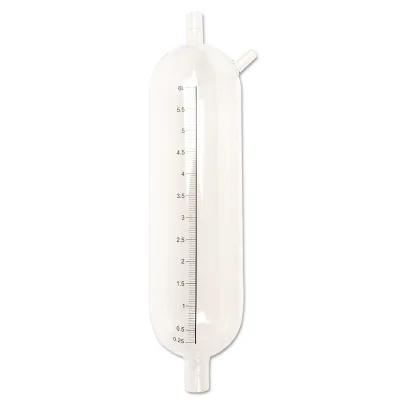
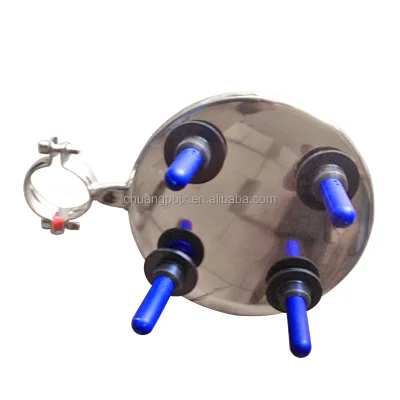
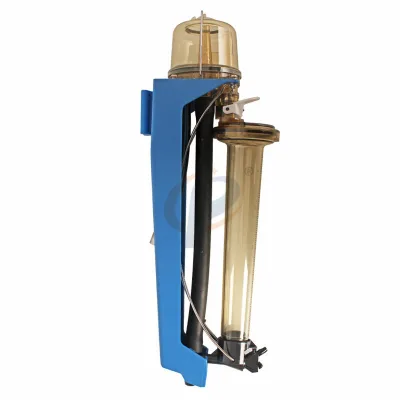
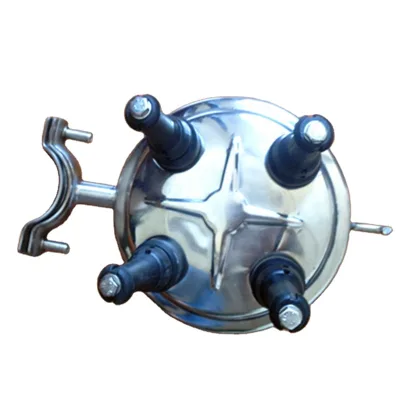
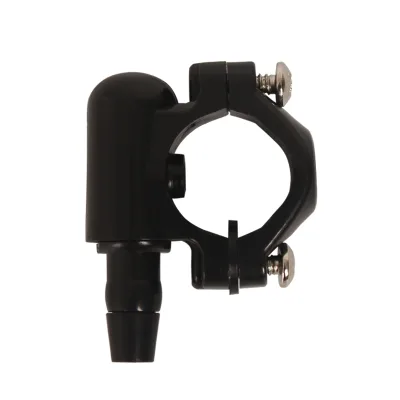
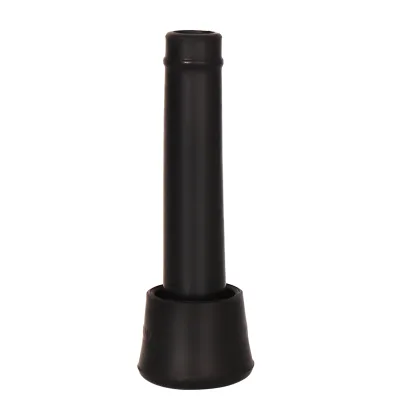
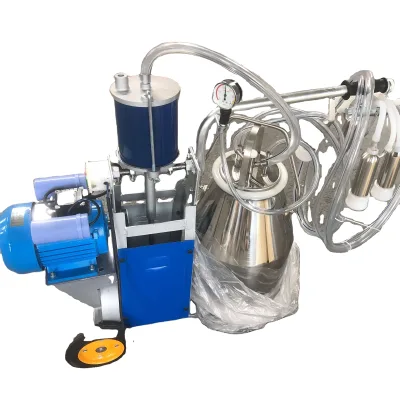
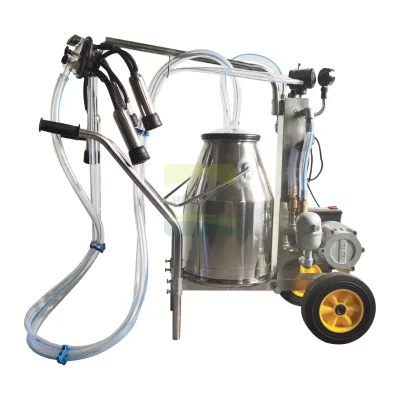
Comprehensive Sourcing Guide
Herringbone Milking Parlor Sourcing Guide
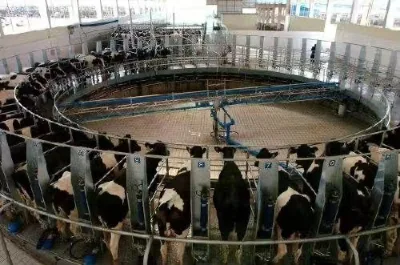
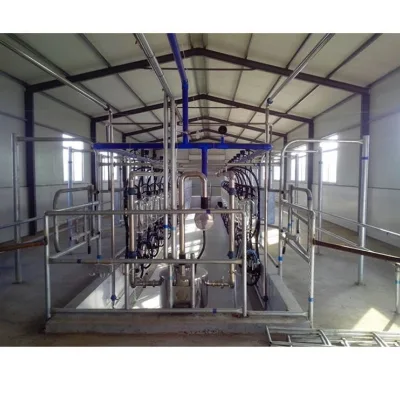
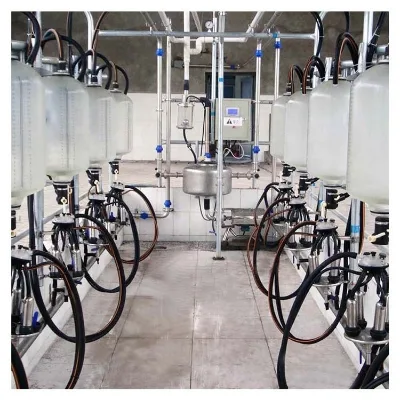
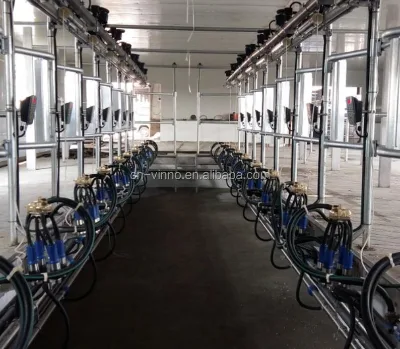
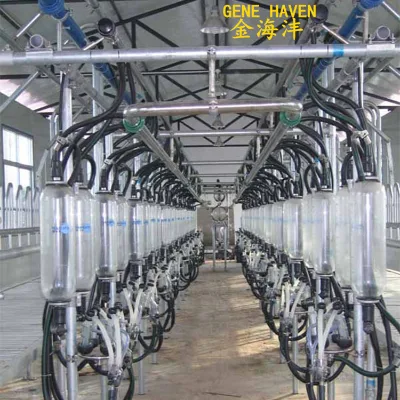
Sourcing a Herringbone Milking Parlor requires a strategic balance between mechanical reliability, animal welfare standards, and operational efficiency. This configuration, characterized by cows standing at an angle to the central walkway, is widely adopted for its space efficiency and ease of management in medium to large-scale dairy operations. Buyers must navigate a complex supply chain that ranges from simple glass milk meters to fully automated, multi-unit parlors. The decision-making process begins with defining the specific scale of the operation, as the layout can vary significantly from small 2x4 configurations to expansive 2x32 setups. Understanding these structural variations is critical for ensuring that the purchased equipment aligns with the farm’s throughput requirements and labor constraints.
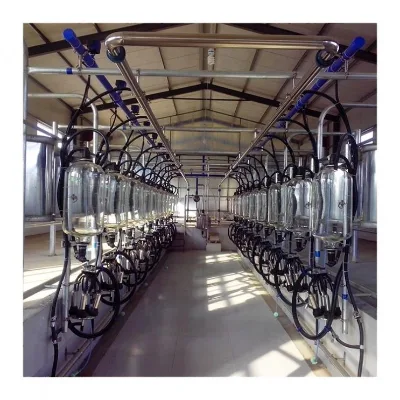
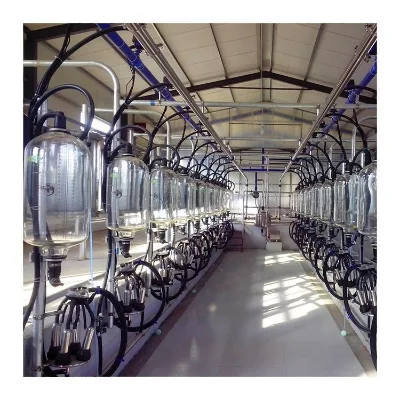
The procurement landscape for these systems is diverse, featuring components that range from individual measurement devices to complete milking infrastructure. Suppliers often offer customizable solutions, allowing buyers to tailor the parlor structure to specific animal types, such as cows, goats, or sheep. This customization extends to the materials used, with options including high borosilicate glass for precise metering and stainless steel or durable plastics for structural integrity. Buyers should approach this procurement with a clear understanding of their long-term maintenance capabilities and the availability of spare parts, as the complexity of the system directly impacts ongoing operational costs and downtime risks.
Product Scope and Observed Listing Signals
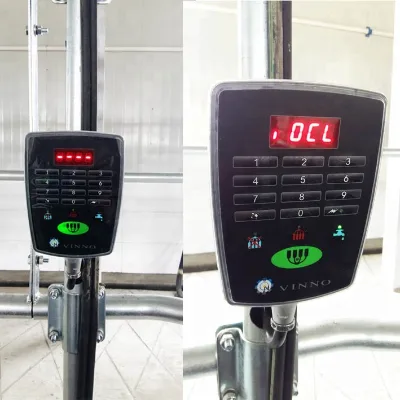
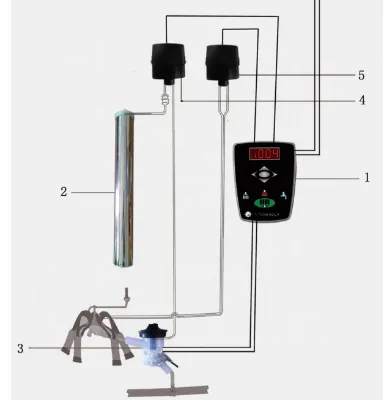
The market for herringbone milking parlors encompasses a wide spectrum of products, from standalone milk recording devices to comprehensive milking systems. Observed listings indicate a price range that reflects this diversity, with costs varying from approximately $1.50 for individual glass milk meters to over $5,000 for more complex system components or larger units. This broad range highlights the importance of distinguishing between auxiliary equipment, such as flow meters and glass recorders, and the primary milking structure itself. Buyers must carefully review product descriptions to determine whether they are purchasing a single component or a complete installation-ready system, as the scope of supply drastically affects the total cost of ownership.
Minimum Order Quantities (MOQ) for these products also vary, typically ranging from single units for meters and accessories to larger quantities for full parlor sections or standardized components. This flexibility allows small-scale farms to purchase essential measurement tools independently, while larger operations can source bulk components for expansion or replacement. The packaging details further indicate the nature of the goods, with items like glass milk recorders shipped in cartons and larger machinery crated in wooden boxes to prevent damage during transit. Understanding these logistical signals helps buyers plan for storage, handling, and installation requirements, ensuring that the delivered goods are protected and ready for assembly.
Technical Specifications to Verify
When evaluating technical specifications, buyers must prioritize the structural design and material composition of the milking parlor components. The herringbone layout is a key feature, but variations such as fishbone structures may also be available, each offering different advantages in terms of cow flow and worker ergonomics. Materials play a crucial role in durability and hygiene; for instance, milk meters often utilize GG-17 high borosilicate glass for transparency and chemical resistance, while structural elements may be constructed from stainless steel or high-quality plastics like PSU or PC. Verifying these material specifications ensures that the equipment can withstand the rigorous cleaning cycles and environmental conditions typical of a dairy farm.
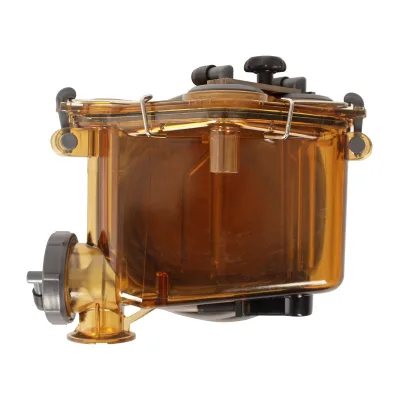
Electrical and operational parameters are equally critical for system integration. Voltage requirements, such as 380V at 50Hz, must be confirmed to match the farm’s power infrastructure, as mismatches can lead to equipment failure or safety hazards. Additionally, the layout capacity, which can range from 2x4 to 2x32 units, must be aligned with the farm’s herd size and milking frequency goals. Buyers should also verify the weight and dimensions of individual packages, as these factors influence shipping costs and on-site handling logistics. For example, a 6-liter goat glass milk recorder has specific single package dimensions and gross weights that must be accounted for in the supply chain planning.
Compliance and Safety Documentation
Compliance with international standards is a non-negotiable aspect of sourcing milking parlor equipment, particularly when importing from regions like China. Certifications such as CE, ISO, SGS, and FDA are frequently cited, indicating that the products meet specific safety, quality, and hygiene requirements. Buyers must request and verify these certificates to ensure that the equipment is legally compliant in their destination market and suitable for food-contact applications. The presence of these certifications provides a baseline assurance of manufacturing quality, but buyers should also inquire about the specific scope of each certification to ensure it covers the exact models and components being purchased.
Safety documentation extends beyond certifications to include machinery test reports and video outgoing inspections. While some suppliers provide video inspections to demonstrate the condition of the equipment before shipment, machinery test reports may not always be available for all components. Buyers should explicitly request these documents to verify the performance and safety of electrical and mechanical parts. Furthermore, understanding the warranty terms is essential; a standard one-year warranty with video technical support and spare parts availability is common, but buyers must clarify the extent of coverage and the process for claiming repairs or replacements to mitigate long-term risks.
Cost Drivers and Commercial Terms
The total cost of a Herringbone Milking Parlor is influenced by several factors, including the level of automation, material quality, and customization options. Customization is widely available, allowing buyers to specify layout dimensions, voltage configurations, and material preferences, but these customizations often come at a premium compared to standard off-the-shelf models. Buyers should carefully evaluate whether custom features are necessary or if standard configurations can meet their operational needs, as this can significantly impact the initial investment. Additionally, the complexity of the system, such as the inclusion of flow meters versus simple glass recorders, will affect the price per unit and the overall system cost.
Commercial terms, including packaging and after-sales service, also play a significant role in the total cost of ownership. Products are typically packed in wooden crates and cartons to ensure safe delivery, which adds to the shipping weight and volume. Buyers should negotiate clear terms regarding shipping responsibilities and insurance to avoid unexpected costs. After-sales service is another critical consideration; options such as spare parts supply, video technical support, and field maintenance and repair services vary by supplier. Buyers should assess the reliability and responsiveness of these services, as downtime in milking operations can have substantial financial implications for the farm.
Supplier Qualification and Quality Control
Selecting a qualified supplier requires a thorough vetting process that goes beyond price comparisons. Buyers should verify the supplier’s manufacturing capabilities, including their facility location, such as Jiangsu, China, and their ability to produce consistent quality across large orders. Brand names like Genehaven and Chuangpu appear in the market, but buyers should not rely solely on brand recognition; instead, they should request detailed product specifications, material certificates, and references from previous clients. Understanding the supplier’s production capacity and lead times is essential for planning installation schedules and avoiding delays that could disrupt farm operations.
Quality control measures should be integrated into the procurement process from the outset. Buyers should insist on pre-shipment inspections, whether through video outgoing inspections or third-party verification services, to ensure that the delivered goods match the agreed-upon specifications. For complex systems, it may be beneficial to conduct factory audits or request detailed assembly manuals to verify the quality of construction. Additionally, buyers should establish clear communication channels for technical support and issue resolution, ensuring that any defects or discrepancies are addressed promptly. A proactive approach to quality control can prevent costly rework and ensure the long-term reliability of the milking parlor.
Long-Term Procurement Checks
Long-term procurement success depends on establishing a sustainable relationship with suppliers and implementing robust maintenance protocols. Buyers should prioritize suppliers who offer comprehensive after-sales support, including the availability of spare parts and technical assistance. The warranty period, typically one year, should be clearly defined, and buyers should understand the procedures for claiming repairs or replacements. Regular maintenance checks, guided by video technical support or field service visits, can extend the lifespan of the equipment and prevent unexpected failures. Buyers should also stay informed about updates in milking technology and standards, as this knowledge can inform future upgrades and expansions.
Finally, buyers should continuously monitor the performance of the milking parlor and gather feedback from farm staff to identify areas for improvement. Tracking metrics such as milking speed, cow comfort, and maintenance frequency can provide valuable insights into the system’s efficiency and reliability. By maintaining detailed records of purchases, warranties, and service interactions, buyers can make informed decisions about future procurement needs. This data-driven approach ensures that the milking parlor continues to meet the farm’s operational goals and adapts to changing production demands over time.
FAQs
What customization options are available for herringbone milking parlors?
Customization is available for herringbone milking parlors to meet specific farm needs. Buyers can select layouts ranging from 2x4 to 2x32 units and choose between glass milk meters or flow milk meters depending on their livestock type.
Which certifications do Herringbone Milking Parlor systems typically hold?
These systems often hold CE, ISO, SGS, and FDA certifications to ensure safety and quality. The specific model HL-G1 and HL-G2 are noted to meet these standards, providing assurance for international dairy farm operations.
Can herringbone milking parlors be used for different types of livestock?
Yes, these parlors are designed for use with cows, goats, and sheep. The equipment includes specific meters like the 6-liter glass milk recorder suitable for sheep milking, ensuring accurate measurement across various dairy animal types.
What is the warranty period for Herringbone Milking Parlor equipment?
The standard warranty period is one year for most models. After warranty service includes spare parts, video technical support, and field maintenance and repair services to ensure long-term operational reliability for dairy farms.
How are herringbone milking parlors packaged for shipping?
Products are packed in wooden crates and cartons to ensure safe transport. Specific items like the glass milk recorder have defined single package sizes, while larger systems utilize robust wooden crate packaging to protect components during transit.
What materials are used in the construction of milking parlor components?
Components are constructed from high borosilicate glass, stainless steel, and PSU or PC materials. These durable materials ensure hygiene and longevity, with specific meters using GG-17 high borosilicate glass for accurate milk measurement.