Source High-Accuracy Gravity Grain Separator Machine for Wheat, Maize, and Beans
Compare 30 high-accuracy gravity grain separator machines from verified Chinese suppliers. These units process wheat, maize, beans, and sesame with capacities ranging from 3 to 10 tons per hour and feature vertical or horizontal designs.
Key considerations
Products List


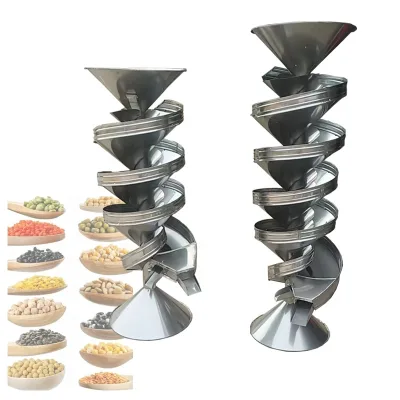


$7000.00 - $8000.00
MOQ: 1 set


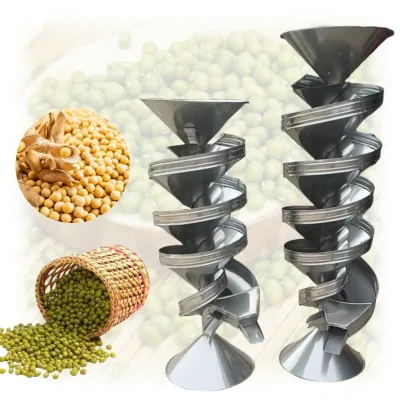


Comprehensive Sourcing Guide
Strategic Sourcing Guide for High-Accuracy Gravity Grain Separators
The global agricultural machinery market relies heavily on post-harvest processing equipment to ensure grain quality and market readiness. Among the various technologies available, the high-accuracy gravity grain separator machine stands out as a critical component for removing impurities, separating broken kernels, and grading seeds based on density. For procurement professionals, navigating the specifications of these machines requires a disciplined approach that distinguishes between observed product attributes and generalized performance claims. This guide synthesizes available market data to provide a framework for evaluating suppliers, understanding technical requirements, and mitigating procurement risks without relying on unverified assertions.
Technical Architecture and Operational Specifications
Understanding the mechanical architecture of a gravity separator is the first step in the sourcing process. These machines function by utilizing the difference in specific gravity between grains and impurities. The core mechanism typically involves a deck that vibrates while the air flow lifts lighter materials, allowing heavier, high-quality grains to settle. When reviewing product listings, buyers must scrutinize the specific configuration of the screen layers and the air cleaning systems.
Available data indicates that screen layer configurations can vary significantly depending on the specific model and customer requirements. Some units are observed to feature between 2 and 4 screen layers, with the exact number often dependent on the specific needs of the processing line. The physical dimensions of the screen surface are also critical for throughput calculations. For instance, specific models have been documented with screen surface dimensions of 3.26 meters in length by 1.5 meters in width. This physical footprint directly correlates with the machine's capacity, which is a primary driver of operational efficiency.
Capacity metrics are not uniform across the market. Observed data points to a wide range of processing capabilities, from smaller units handling 500 to 1,000 kilograms per hour to larger industrial models capable of processing 3 to 10 tons per hour. Some specific high-capacity units are rated at 4,000 kilograms per hour. Buyers must verify that the stated capacity aligns with their actual throughput requirements, as a mismatch can lead to bottlenecks or underutilized equipment. Furthermore, the power consumption is a vital technical parameter. While some compact units may operate with minimal power input, larger industrial separators often require significant electrical input, with documented models utilizing motors rated around 14.11 kilowatts.
Material Compatibility and Application Scope
The versatility of a gravity separator is defined by the range of materials it can process effectively. A high-accuracy machine should be capable of handling a diverse array of agricultural products. Market observations confirm that these machines are designed to process wheat, maize, various types of beans, sesame, and ground nuts. This broad compatibility makes them suitable for multi-crop processing facilities.
The application field for these machines is primarily categorized under agriculture machinery, specifically for grain cleaning and screening. The primary function is to separate grains based on weight, ensuring that the final product meets strict quality standards. The sorting standard is explicitly defined as weight-based separation, which is essential for removing stones, hollow kernels, and other foreign materials that have different densities than the target grain.
When selecting a machine, buyers should consider the specific grain type and the desired level of purity. For example, a soybean grading machine requires different tuning than a rice grain separator, even if the underlying technology is similar. The machine's ability to handle "all kinds of beans" suggests a robust design, but the specific screen mesh size and air velocity settings must be adjustable to accommodate the unique density profiles of different crops. The observed data highlights that these machines are used in fields ranging from small-scale processing to large-scale agricultural operations, necessitating a flexible procurement strategy.
Compliance, Certification, and Quality Verification
In the B2B machinery sector, compliance and certification are non-negotiable elements of a secure procurement strategy. Buyers must verify that the supplier can provide valid documentation regarding the machine's construction and safety standards. One observed certification in the market is ISOCE, which serves as an indicator of adherence to certain quality management principles. However, the presence of a single certification does not guarantee universal compliance; buyers should request a full suite of relevant certificates, including electrical safety standards and mechanical safety directives applicable to their local jurisdiction.
Quality verification extends beyond paper certifications to tangible test results. A critical component of the evaluation process is the machinery test report. Data indicates that some suppliers provide these reports, which document the performance of the machine under controlled conditions. These reports should be reviewed to confirm that the machine meets the claimed specifications for capacity, power consumption, and separation accuracy. The absence of a test report should be treated as a significant red flag, as it implies a lack of third-party validation.
Additionally, the condition of the equipment is a fundamental requirement. The market data consistently lists the condition as "New," which is the expected standard for direct procurement. Buyers must ensure that the "New" status is not a misrepresentation of refurbished or reconditioned units. The warranty period is another critical compliance metric. While some models offer a 2-year warranty, others may only provide 1 year. This variance highlights the importance of negotiating warranty terms that align with the machine's expected lifespan and the supplier's confidence in their product.
Cost Drivers and Economic Considerations
The pricing of high-accuracy gravity grain separators is influenced by a complex array of factors, including capacity, power rating, and the level of customization. The observed price range in the market is extensive, spanning from $145 to $29,000. This wide disparity reflects the difference between small, portable units and large, industrial-grade systems. The minimum order quantity (MOQ) for these machines is typically low, with observed values ranging from 1 to 1 unit, indicating that buyers can often procure single units without needing to commit to large bulk orders.
Several specific attributes drive the cost of these machines. The power rating is a primary cost driver; units with higher kilowatt ratings, such as the 14.11 kW model, will naturally command a higher price than those with lower power requirements. The weight of the machine is also indicative of its build quality and capacity. Heavier units, such as those weighing 2.2 tons, generally incorporate more robust materials and larger components, contributing to a higher price point. Conversely, lighter units, such as those weighing 23 kilograms, are likely designed for smaller-scale or mobile applications.
Customization is another significant factor in pricing. The market data confirms that customization is available, with options for color (green or customized) and specific functional requirements. Customized models often incur additional costs due to the engineering and manufacturing adjustments required. Buyers should request detailed quotes that break down the base price from the cost of customization to avoid hidden fees. Furthermore, the packaging method, such as wooden case packing, adds to the overall cost but is essential for protecting the machine during sea transportation.
Supplier Evaluation and After-Sales Support
Selecting the right supplier is as important as selecting the right machine. The supplier's location, in this case, often China, with specific origins noted in Inner Mongolia and Henan, can influence logistics and lead times. While specific lead times are not provided in the general data, buyers should anticipate that international shipping and customs clearance will impact the delivery schedule. The packaging is noted as suitable for sea transportation, which is a positive indicator for long-distance logistics.
After-sales service is a critical differentiator among suppliers. The market data highlights two primary modes of support: online guidance and engineer overseas guidance. This distinction is vital for buyers who may not have in-house technical expertise. Online guidance is suitable for minor troubleshooting, while engineer overseas guidance is necessary for complex installations or major repairs. The warranty period, ranging from 1 to 2 years, should be clearly defined in the contract, including the scope of coverage and the response time for service requests.
Buyers should also evaluate the supplier's ability to provide a machinery test report. The availability of such reports suggests a commitment to transparency and quality assurance. Additionally, the brand name, such as "SHARE," may be a factor in the supplier's reputation, though buyers should not rely solely on brand recognition. Instead, they should conduct due diligence on the supplier's track record, customer reviews, and financial stability.
Long-Term Procurement and Maintenance Strategy
Procuring a high-accuracy gravity grain separator is a long-term investment that requires a strategic approach to maintenance and operation. The machine's core components, such as the engine and motor, are critical to its longevity. Buyers should ensure that these components are of high quality and that spare parts are readily available. The warranty period provides a baseline for support, but a proactive maintenance plan is essential to maximize the machine's lifespan.
The customization options, such as the number of screen layers and the air dust cleaning times, should be aligned with the buyer's long-term production goals. For instance, a machine with 2 times air dust cleaning may be sufficient for certain applications, while others may require more frequent cleaning. The ability to customize these parameters allows the machine to adapt to changing production needs over time.
Finally, buyers should consider the total cost of ownership, which includes not only the purchase price but also energy consumption, maintenance costs, and potential downtime. The power rating of the machine, such as the 14.11 kW model, will directly impact operational costs. By carefully evaluating these factors, buyers can make informed decisions that ensure the long-term success of their grain processing operations. The integration of a high-accuracy gravity separator into a production line requires a holistic view of technical, economic, and operational factors to achieve optimal results.
FAQs
What materials can this machine process?
This machine processes wheat, maize, all kinds of beans, sesame, and ground nuts. It is designed for diverse agricultural products to ensure high-quality separation based on weight differences.
How is the screen layer configuration determined?
The screen layers range from 2 to 4 depending on specific customer needs. Buyers must verify the exact configuration required for their processing line to ensure optimal throughput and separation accuracy.
What is the typical capacity range for these units?
Capacity varies from 500 to 1000 kilograms per hour for smaller units up to 3 to 10 tons per hour for industrial models. Some specific high-capacity units are rated at 4000 kilograms per hour.
Can buyers customize the machine color and features?
Yes, customization is available including color options like green or other custom needs. Functional requirements such as screen layers and air cleaning times can also be adjusted to fit specific operational demands.
What warranty periods are typically offered?
Warranty periods range from 1 year to 2 years depending on the specific model and supplier. Buyers should confirm the exact warranty terms in the contract to ensure adequate coverage for core components.
Does the supplier provide machinery test reports?
Some suppliers provide machinery test reports to document performance under controlled conditions. Buyers should request these reports to verify capacity, power consumption, and separation accuracy before finalizing procurement.
What after-sales support options are available?
Support includes online guidance and engineer overseas guidance for installation and troubleshooting. Buyers without in-house technical expertise should prioritize suppliers offering engineer overseas assistance for complex setups.