Source Customizable Kraft Paper Dessert Tray for Catering
Compare 30 Customizable Kraft Paper Dessert Tray options from verified Chinese manufacturers. Buyers can evaluate eco-friendly, biodegradable, and disposable designs suitable for food packaging, beverage service, and catering events with flexible MOQs and OEM capabilities; compare the available evidence and request quotations based on your requirements.
Key considerations
Products List


Disposable Eco-Friendly Kraft Paper Food Trays Dessert Cake Sushi Tray
$0.03 - $0.10
MOQ: 10000 Pieces

Custom Food Packaging Kraft Paper Tray with Coating Fast Food Paper Tray
$0.01 - $0.05
MOQ: 30000 piece


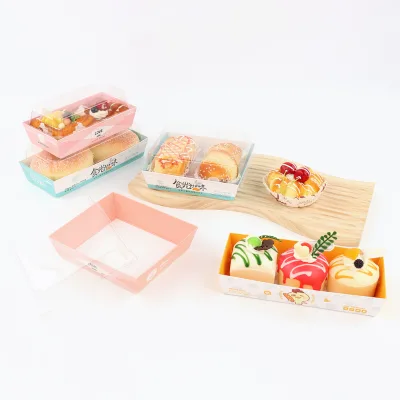


Disposable White Paper Tray Paper Plate for Cake Dessert Bakery Fast Food
$0.01 - $0.04
MOQ: 10000 Pieces

Comprehensive Sourcing Guide
Customizable Kraft Paper Dessert Tray Sourcing Guide
Sourcing customizable kraft paper dessert trays requires a strategic approach that balances aesthetic appeal with functional performance. Buyers must recognize that these products are primarily designed for food packaging applications, offering a sustainable alternative to traditional plastic containers. The material composition often includes paper-based substrates, with some variants utilizing sugarcane fiber to enhance structural integrity and biodegradability. This distinction is critical for procurement teams aiming to meet specific corporate sustainability goals or regulatory requirements in different markets.
The customization landscape for these trays is extensive, allowing for significant brand integration through logo printing and color selection. Suppliers typically offer options for single-sided or two-sided printing, enabling detailed branding on both the interior and exterior surfaces. Color choices generally range from natural kraft tones to white, blue, or fully colored finishes, depending on the specific product line. This flexibility supports diverse marketing strategies, from minimalist eco-friendly branding to vibrant, eye-catching designs that stand out on retail shelves or in food service settings.
Product Scope and Observed Listing Signals
The observed market signals indicate a wide range of product configurations, with prices ranging from $0.01 to $0.50 per unit. This broad spectrum reflects variations in material thickness, printing complexity, and order volume. Minimum order quantities (MOQs) vary significantly, starting as low as 30 units for sampling or small batches and extending up to 100,000 units for large-scale industrial contracts. Buyers should align their order volumes with their storage capacity and sales velocity to optimize unit costs and minimize inventory holding expenses.
Packaging methods are diverse, including brown boxes, export cartons, bundles, bags, and palletized master cartons. Standard packaging densities, such as 300 pieces per carton, are common, but custom packing solutions are available to suit specific logistics needs. Some products feature specialized lids made from PET or PP materials, adding versatility for hot or cold food service. The presence of features like grease-proofing, leak-proof designs, and anti-fog windows indicates a focus on practical usability, ensuring that the packaging maintains integrity during transport and consumption.
Technical Specifications to Verify
Technical verification begins with confirming the exact dimensions and model numbers of the trays. Standard sizes such as 23018545mm or diameter options like 6, 8, and 10 inches are frequently available, but custom sizes can be accommodated for unique product requirements. Buyers must verify whether the tray is a one-piece design that requires no assembly, which simplifies operational workflows in high-volume food service environments. Additionally, the presence of an optional anti-fog window can be a critical feature for products where visual appeal of the food is paramount.
Material composition and structural features are equally important to validate. While many trays are made from paper or sugarcane fiber, some may include plastic components for lids or windows. It is essential to confirm if the product is truly biodegradable and compostable, as these claims often depend on specific certifications and end-of-life conditions. Grease-proofing capabilities should also be verified, especially for desserts with high fat content, to prevent leakage and maintain presentation quality. Ensuring that the product is non-leaking and durable under various temperature conditions is crucial for customer satisfaction.
Compliance and Safety Documentation
Compliance with food safety standards is non-negotiable for any food packaging procurement. Buyers must request and verify certifications such as FDA, CE/EU, and CIQ to ensure that the materials are safe for direct food contact. These certifications indicate that the product has undergone rigorous testing for chemical migration and microbial safety. Without proper documentation, there is a risk of regulatory non-compliance, which can lead to product recalls, legal liabilities, and damage to brand reputation in international markets.
Beyond basic safety certifications, buyers should inquire about environmental claims and their supporting evidence. Terms like "eco-friendly," "biodegradable," and "compostable" are often used, but their validity depends on specific standards and testing results. It is advisable to ask for detailed test reports or third-party verification for these claims. Additionally, confirming that the supplier adheres to quality management systems, such as ISO 9001, can provide assurance of consistent production quality and reliable supply chain management, reducing the risk of defects in bulk orders.
Cost Drivers and Commercial Terms
Cost structures for customizable kraft paper dessert trays are influenced by several key factors, including material costs, printing complexity, and order volume. Higher MOQs typically result in lower unit prices, making it essential for buyers to forecast demand accurately. Customization options, such as multi-color printing or unique shapes, can increase production costs due to setup fees and longer lead times. Buyers should negotiate clearly on pricing tiers and understand any additional charges for tooling, design, or sample production to avoid hidden costs.
Commercial terms also play a significant role in the total cost of ownership. Sample availability and lead times are critical for product validation and launch planning. Many suppliers offer custom samples within 3-5 days, but freight costs are often collected separately. Payment terms, shipping methods, and return policies should be clearly defined in the contract. Understanding these terms helps buyers manage cash flow and mitigate risks associated with delays or quality issues, ensuring a smoother procurement process from order placement to delivery.
Supplier Qualification and Quality Control
Supplier qualification involves assessing the manufacturer's production capabilities, quality control processes, and customer service responsiveness. Buyers should verify the supplier's ability to handle OEM/ODM requests and their experience with international standards. Requesting references or case studies from similar clients can provide insights into the supplier's reliability and consistency. Additionally, evaluating their response time to inquiries and their willingness to provide detailed product information is a good indicator of their professionalism and commitment to customer satisfaction.
Quality control measures should be established before placing large orders. This includes defining clear acceptance criteria for defects, such as misprints, warping, or leakage. Buyers may consider implementing pre-shipment inspections or third-party quality audits to ensure that the delivered goods meet the specified standards. Establishing a clear communication channel for addressing quality issues and defining remedies for non-conforming products is essential. A robust quality control framework helps maintain product integrity and protects the buyer's brand reputation in the market.
Long-Term Procurement Checks
Long-term procurement success depends on continuous monitoring of supplier performance and market trends. Buyers should regularly review supplier metrics, such as on-time delivery rates, defect rates, and responsiveness to issues. Building a strong relationship with the supplier can lead to better pricing, priority production, and access to new product innovations. Additionally, staying informed about changes in material costs, regulatory requirements, and consumer preferences for sustainable packaging is crucial for maintaining a competitive edge.
Adaptability is key in the evolving landscape of food packaging. Buyers should be prepared to adjust their sourcing strategies in response to supply chain disruptions or shifts in consumer demand for eco-friendly products. Regularly evaluating alternative suppliers and materials can provide flexibility and reduce dependency on a single source. By maintaining a proactive approach to supplier management and market analysis, buyers can ensure a stable and efficient supply of customizable kraft paper dessert trays that meet their quality, cost, and sustainability objectives.
FAQs
Can I customize the logo and printing on kraft paper dessert trays?
Yes, customization is available, including customized logos and printing on one or both sides. You can typically submit your artwork for OEM or ODM production, and manufacturers will match your brand colors and layout. Confirm artwork format, print area, and proof approval before mass production, and allow extra time for printing setup compared with unprinted stock trays.
What materials are used for these disposable dessert trays?
These trays are made from paper, with some options using sugarcane material, and kraft paper is a common standard. Many listed products are positioned as eco-friendly, disposable, and biodegradable. Because material and coating affect grease resistance and compostability, ask each supplier to confirm the exact substrate, any lining, and how it performs with moist or oily desserts.
What is the typical minimum order quantity for customizable trays?
Minimum order quantities vary by supplier, with listed values ranging from 3,000 pieces to 50,000 pieces, so small buyers should filter for low-MOQ vendors. Larger runs usually unlock better per-unit pricing and more decoration options. Always confirm the MOQ for your specific size, color, and printing combination, since customized versions sometimes carry higher minimums than stock items.
How long does it take to get a custom sample?
Custom samples typically take about 3 to 5 days to produce, and samples are usually shipped with freight collected, meaning you pay the courier cost. Build in additional time for sample approval and revision before scheduling mass production. If your launch date is tight, request the sample early and confirm whether sample fees are credited against a later bulk order.
How are the trays packed for shipping and delivery?
Packing options include brown boxes, cartons, export cartons, bundles, bags, master cartons, and pallets, with some products packed at 300 pieces per carton. OEM packing is also available if you want retail-ready packaging. Specify inner box counts, carton markings, and pallet configuration when requesting quotes, since packing choice affects freight cost and protection during transit.
Which certifications or food-safety standards should I look for?
Some listed products carry FDA certification, and others list CE/EU, FDA, and CIQ together, which matters for food packaging contact. Because certifications vary by item and supplier, ask each vendor for current certificates for the exact tray you plan to buy. Also confirm grease-proof performance and whether the material is biodegradable or compostable if you market sustainability claims.
What sizes are available for kraft paper dessert trays?
Sizes are largely customizable, and listed standards include 6, 8, and 10 inches plus specific dimensions like 230 by 185 by 45 millimeters. Custom sizes are accepted on many products, so measure your desserts and confirm cavity depth and rim strength with suppliers. Request a physical sample in your chosen size to check fit before committing to a production run.