Source High Accuracy Hand Push Seeder for Corn, Wheat, and Beans
Find 30 High Accuracy Hand Push Seeder models suitable for corn, wheat, and beans. Compare specifications including row counts, seed capacity, and adjustable spacing to select the right manual sowing equipment for your agricultural needs.
Key considerations
Products List



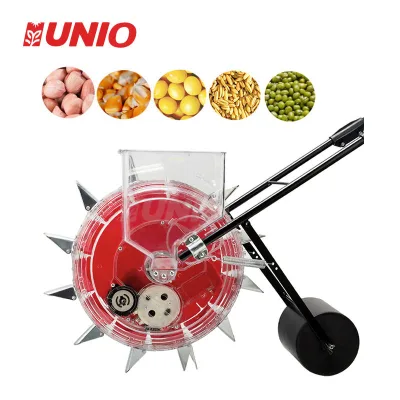
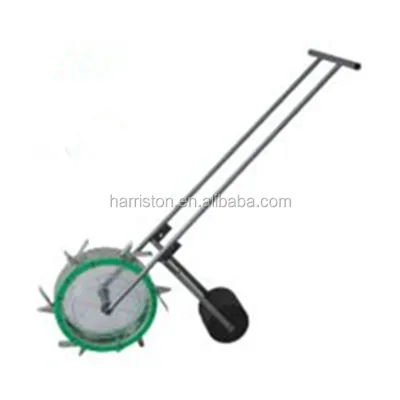
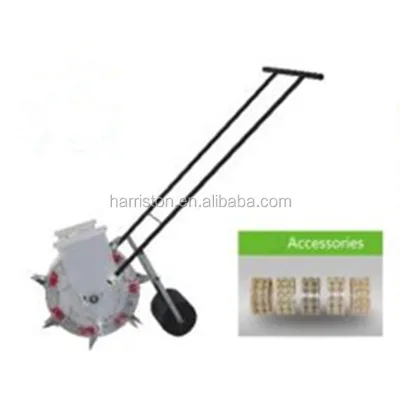

$40.00 - $42.00
MOQ: 50 Pieces

$24.00 - $27.00
MOQ: 50 Pieces
Comprehensive Sourcing Guide
Strategic Sourcing Guide for High Accuracy Hand Push Seeders
The global agricultural sector increasingly relies on precision equipment to optimize yield while minimizing labor costs. For small to medium-scale farms, the High Accuracy Hand Push Seeder represents a critical bridge between traditional manual sowing and fully mechanized operations. This guide provides a comprehensive, evidence-based framework for procurement professionals evaluating these units. The focus remains on technical specifications, compliance verification, cost structures, and supplier assessment, ensuring that buyers make informed decisions based on verified product attributes rather than speculative marketing claims.
Technical Specifications and Functional Capabilities
When sourcing a High Accuracy Hand Push Seeder, the primary evaluation criterion is the machine's ability to deliver consistent seed placement. Based on observed product data, these units are designed for manual operation, relying on human labor as the power source rather than an external engine. This distinction is vital for buyers targeting organic farms or regions with limited fuel infrastructure. The core functionality centers on precision sowing, often integrating dual capabilities for seeding and fertilization in a single pass.
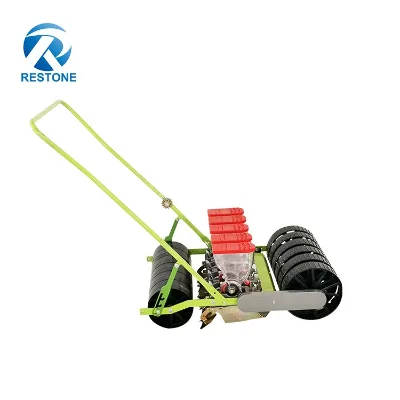
The mechanical design typically features adjustable row configurations. Available models support a range of one to six rows, allowing flexibility for different crop widths. Specific models, such as those designated with series codes like RTJP-1 through RTJP-6, indicate a modular approach where the number of rows dictates the unit's width and capacity. The physical dimensions of these machines are standardized to ensure portability, with common specifications measuring approximately 120cm in length, 14cm in width, and 89cm in height. This compact footprint facilitates storage and transport between field plots.
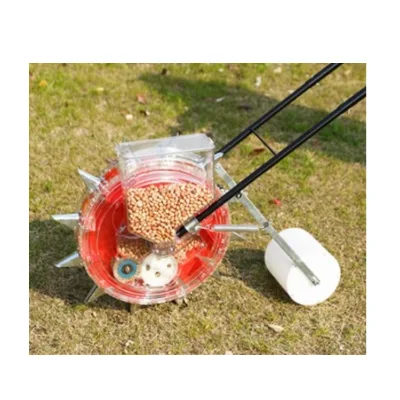
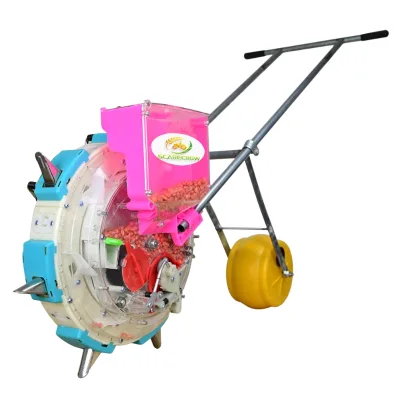
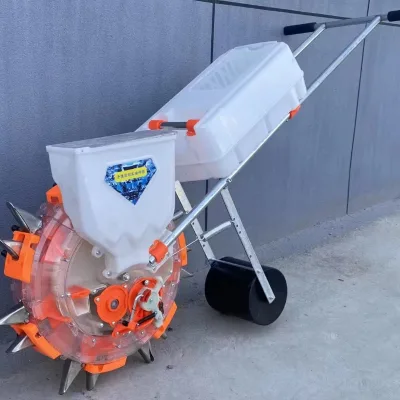
Seed distance adjustability is a defining feature of high-accuracy units. The observed data indicates a seed spacing range of 13.5 to 25 centimeters, which can be modified to suit various crop requirements. Furthermore, the planting depth is engineered to be precise, typically adjustable between 3.5 and 7.8 centimeters. This range ensures that seeds are placed at the optimal depth for germination across different soil types. The machine utilizes a pneumatic wide fertilizer system in certain configurations, allowing for simultaneous nutrient application. The hopper capacity is observed to hold approximately 4 kilograms of seeds, while the overall gross weight of the unit is around 11 kilograms, making it manageable for a single operator without causing excessive fatigue.
Material Composition and Durability Factors
The longevity of a hand push seeder is directly correlated with the materials used in its construction. A robust build is essential to withstand the abrasive nature of soil and the repetitive stress of field operations. The supply chain data indicates that high-quality units are constructed from a composite of ABS (Acrylonitrile Butadiene Styrene), PC (Polycarbonate), Stainless Steel, and Rubber.
ABS and PC plastics provide the necessary structural rigidity for the seed hopper and casing while resisting impact and chemical degradation from fertilizers. Stainless steel components are critical for the seed metering mechanisms, furrow openers, and wheels, as these parts are in direct contact with the ground and require high resistance to corrosion and wear. Rubber components are typically utilized for tires and seals, ensuring traction and preventing dust ingress into the mechanical systems.
Buyers must verify that the "core components" listed in product descriptions are indeed the functional heart of the machine. In many cases, the seed metering system is categorized as "Other" in generic listings, which necessitates a deeper inquiry into the specific mechanism design. Whether the system uses a vacuum, a mechanical finger, or a cup-wheel design, the material compatibility with the specific seed type (e.g., maize, beans, peanut) is paramount. The use of stainless steel in the seed delivery path is a strong indicator of quality, as it prevents seed damage and ensures smooth flow.
Compliance, Certification, and Safety Standards
In the B2B agricultural equipment market, compliance with international standards is a non-negotiable requirement for risk mitigation. The observed product data highlights specific certifications, including CE and ISO 9001. The CE marking indicates conformity with health, safety, and environmental protection standards for products sold within the European Economic Area. For buyers targeting export markets or operating under strict regulatory frameworks, this certification is a primary verification point.
ISO 9001 certification signifies that the manufacturer adheres to a quality management system that ensures consistent product quality. However, buyers should treat these certifications as baseline requirements rather than guarantees of performance. The presence of a machinery test report is another critical document to request. This report should validate the machine's performance claims, such as the hole seeding rate and seed distance accuracy. The observed data mentions a hole seeding rate of 1-2 seeds per hole, which is a specific performance metric that should be cross-referenced with the test report provided by the supplier.
It is important to note that while some background information may reference standards like ISO 27001, this standard pertains to information security management and is generally irrelevant to the physical manufacturing of agricultural machinery. Buyers should focus strictly on product-specific certifications like CE and ISO 9001. Additionally, the condition of the machine is listed as "New," which implies that the unit should be free from prior use damage, but this must be confirmed through inspection protocols before shipment.
Cost Drivers and Procurement Economics
The pricing landscape for hand push seeders is influenced by several variables, including row count, material quality, and the inclusion of fertilization modules. The observed price range for these units spans from 24 to 200 USD. This wide variance suggests that the lower end of the spectrum likely corresponds to single-row, basic models with standard plastic components, while the higher end reflects multi-row configurations, stainless steel enhancements, and advanced seed metering systems.
Minimum Order Quantity (MOQ) is another significant cost driver. The data indicates an MOQ range of 1 to 200 units. For small farms or pilot projects, suppliers offering an MOQ of 1 are essential, allowing for low-risk testing of the equipment. Conversely, large-scale procurement can leverage economies of scale by ordering closer to the 200-unit threshold. The packaging specifications, typically carton boxes with dimensions around 54x24x56cm, also impact logistics costs. The container loading capacity is substantial, with estimates suggesting 370 units per 20-foot container and 865 units per 40-foot high cube container. These figures are critical for calculating the landed cost per unit, as shipping efficiency directly affects the final price.
Buyers should also consider the "Selling Units" structure. Most suppliers list these items as single items, meaning the price quoted is for one complete machine. However, customization options are available, which can alter the cost structure. Customization might involve branding, specific color schemes, or tailored row configurations. While customization adds value, it often increases the unit price and may extend the lead time.
Typical Applications and Crop Compatibility
The versatility of the High Accuracy Hand Push Seeder is a key selling point, with applications spanning a wide array of crops. The observed data lists specific applications including corn, rice, wheat, tubers, fruit, beans, and peanuts. Furthermore, the suitable crops list extends to cotton, sorghum, leek, radish, cabbage, and rapeseed. This broad compatibility makes the equipment suitable for diverse agricultural environments, from large-scale row cropping to smaller vegetable plots.
The machine's ability to handle different seed sizes is facilitated by the adjustable seed distance and the variety of nozzle options. Nozzle configurations can range from 4 to 12 nozzles, allowing the operator to match the machine's output to the specific seed size and planting density required. For example, maize and cotton, which have larger seeds, may require different nozzle settings compared to radish or leek. The ditching mode, described as continuous or selectable, allows the operator to adapt to different soil conditions. Continuous ditching is efficient for uniform fields, while selective ditching may be preferred for irregular terrain or specific crop patterns.
The application field is primarily agriculture, though some data suggests potential use in livestock and aquaculture contexts, likely for feed crop production or pond-side planting. The "Planting Machine Type" is consistently identified as a precision seeder, emphasizing the focus on accuracy over speed. This makes the unit ideal for high-value crops where seed placement directly impacts yield and resource efficiency.
Supplier Evaluation and Quality Control Protocols
Selecting the right supplier requires a rigorous evaluation process that goes beyond the initial product listing. The place of origin for the observed products is Shandong, China, a region known for its manufacturing base in agricultural machinery. While this location offers access to a robust supply chain, buyers must verify the supplier's production capabilities and quality control measures.
A critical step in supplier evaluation is the review of the machinery test report. This document should provide empirical data on the machine's performance, including the seed spacing accuracy and the hole seeding rate. Buyers should request this report before placing an order to ensure the machine meets the advertised specifications. Additionally, the warranty period is a key indicator of supplier confidence. The observed data specifies a 1-year warranty, which is a standard benchmark. Buyers should clarify the terms of this warranty, including what components are covered and the process for claiming repairs or replacements.
Quality control should also extend to the packaging and shipping process. The standard packaging is a carton box, which must be robust enough to protect the machine during transit. Buyers should verify that the packaging includes necessary documentation, such as assembly instructions, maintenance guides, and warranty certificates. The "Customization" attribute indicates that suppliers are willing to adapt products to buyer needs, but this requires clear communication of specifications to avoid errors in production.
Long-Term Procurement and Operational Considerations
Sourcing a High Accuracy Hand Push Seeder is not merely a transactional event but a strategic decision that impacts long-term operational efficiency. The "High Productivity" key selling point suggests that these machines are designed to reduce labor time and increase sowing accuracy. However, the long-term value depends on the availability of spare parts and the ease of maintenance.
Buyers should inquire about the availability of replacement parts, such as nozzles, seed cups, and wheels. Given the mechanical nature of the equipment, wear and tear is inevitable, and a reliable supply chain for spare parts is essential for minimizing downtime. The "Core Components" being listed as "Other" in some descriptions is a red flag that requires clarification. Buyers must ensure that the critical mechanical parts are replaceable and that the manufacturer or distributor has a stock of these components.
Furthermore, the manual operation aspect means that the ergonomic design of the machine is crucial for operator comfort and safety. The weight of 11 kilograms is manageable, but the handle design and wheel configuration should be evaluated to ensure they reduce physical strain during extended use. The "Mechanization" level is described as "Simple Planting Machine," which implies that the learning curve for operators should be low, but training on proper adjustment of seed distance and depth is still necessary to achieve the promised accuracy.
In conclusion, the procurement of high accuracy hand push seeders requires a balanced approach that weighs technical specifications, material quality, and supplier reliability. By focusing on verified data points such as the CE and ISO 9001 certifications, the specific row configurations, and the material composition of ABS, PC, and Stainless Steel, buyers can mitigate risks and secure equipment that delivers consistent performance. The wide range of applications and the potential for customization make these machines a versatile investment for modern agriculture, provided that the sourcing process is conducted with due diligence and a clear understanding of the product's capabilities and limitations.
FAQs
What is the power source for this seeder?
The machine relies on manual labor as its power source rather than an external engine. This design makes it suitable for organic farms or regions with limited fuel infrastructure while maintaining precision sowing capabilities.
Which certifications does the product hold?
The product holds CE and ISO 9001 certifications to ensure safety and quality management standards. Buyers should verify these certifications and request the machinery test report to validate performance claims like the hole seeding rate.
How many rows can the machine operate?
The machine supports a range of one to six rows depending on the specific model selected. Models like RTJP-1 through RTJP-6 indicate a modular approach where the row count dictates the unit's width and capacity.
What is the seed spacing adjustment range?
The seed distance is adjustable between 13.5 and 25 centimeters to suit various crop requirements. This flexibility allows operators to match the machine's output to specific seed sizes and planting densities for optimal germination.
Can the machine handle multiple crop types?
Yes, the seeder is compatible with crops including corn, rice, wheat, beans, peanuts, and vegetables. It also supports cotton, sorghum, leek, radish, cabbage, and rapeseed through adjustable nozzle configurations and row spacing.
What is the warranty period for the unit?
The standard warranty period provided is one year for the new condition machine. Buyers should clarify the specific terms of this warranty, including covered components and the process for claiming repairs or replacements.
How is the machine packaged for shipping?
The unit is packaged in a carton box with dimensions around 54x24x56cm. This packaging is designed to protect the machine during transit while allowing for efficient container loading of approximately 370 units per 20-foot container.