Source Industrial Fabric Pendant Lamps for Offices, Restaurants, and Kitchens
Explore 30 Industrial Fabric Pendant Lamp options featuring contemporary and modern styles. Compare aluminum and metal body materials, CE and RoHS certifications, and customizable specifications for offices, dining rooms, and restaurants; compare the available evidence and request quotations based on your requirements.
Key considerations
Products List


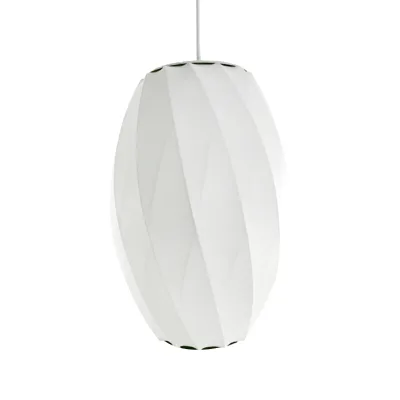
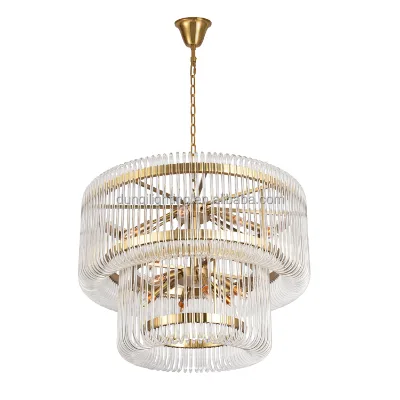

Dimmable Modern Industrial Pendant Light Felt Lamp for Warm Ambient Lighting
$105.48 - $113.60
MOQ: 5 Pieces


Comprehensive Sourcing Guide
Industrial Fabric Pendant Lamp Sourcing Guide
Procurement professionals evaluating industrial fabric pendant lamps must first distinguish between decorative residential fixtures and robust commercial-grade lighting solutions. While the supplied data highlights contemporary and modern styles suitable for offices, dining rooms, and living spaces, true industrial applications demand specific durability metrics often absent in standard catalog listings. Buyers should verify if the fabric material is treated for fire resistance and dust accumulation, as standard silk or untreated textiles may not meet the rigorous safety codes required for high-traffic commercial environments.
The observed product range includes models with aluminum and metal bodies, yet the specific "industrial" classification often requires reinforced structural integrity beyond standard ceiling mount capabilities. Sourcing teams must scrutinize the lamp body material specifications to ensure the fabric shade is securely mounted against vibration and thermal expansion common in factory or warehouse settings. Without explicit confirmation of industrial-grade fabric treatments, these fixtures should be treated as commercial-grade rather than heavy-duty industrial equipment, limiting their deployment to lighter-duty commercial zones.
Product Scope and Observed Listing Signals
The available market data indicates a strong presence of contemporary and modern style pendant lights with LED light sources, primarily designed for residential and light commercial interiors like restaurants and kitchens. The observed listings feature specific models such as GD-C069-B and TP-B7298-1, which typically serve areas of 10 to 15 square meters, suggesting a scope focused on ambient lighting rather than high-intensity task illumination. Buyers must carefully map these observed attributes against their specific industrial requirements, as the current inventory appears optimized for aesthetic appeal in hospitality and office settings rather than harsh industrial conditions.
Listing signals reveal a diverse range of voltage inputs, including AC85-265V and specific 220V configurations, which offers flexibility for international deployment but requires strict verification against local grid standards. The presence of customization options and various packing methods, from foam packages to standard export cartons, suggests a supply chain capable of adapting to different order sizes, yet the minimum order quantities often start at 50 units. Procurement teams should note that while some items list a working lifetime of 30,000 hours, this figure must be validated against the specific thermal environment of the intended industrial application to ensure longevity.
Technical Specifications to Verify
When assessing technical viability, the input voltage range of AC85-265V is a critical parameter that ensures compatibility with unstable power grids often found in industrial zones. However, buyers must confirm the actual driver quality and thermal management systems, as the listed 30,000-hour working lifetime is contingent on stable operating temperatures that may not exist in unventilated industrial ceilings. The distinction between models with and without light sources is equally vital, as integrating external E27 bulbs versus integrated LED arrays significantly alters maintenance protocols and energy efficiency calculations for large-scale deployments.
Structural specifications such as the base type and frame material, including iron and aluminum options, dictate the load-bearing capacity and mounting requirements for the installation site. The standard dimensions provided, such as a diameter of 400mm and height of 210mm for specific models, must be cross-referenced with ceiling clearance constraints to prevent interference with overhead machinery or ventilation systems. Additionally, the support for dimming functionality requires verification of the specific driver compatibility, as not all listed models with dimmer support will function correctly with standard industrial dimming systems without additional control hardware.
Compliance and Safety Documentation
Safety compliance is paramount when selecting lighting for industrial environments, and the observed certifications including CE, RoHS, CCC, UL, and VDE provide a baseline for regulatory adherence. Buyers must ensure that the specific batch of products carries the exact certification marks required by the local jurisdiction, as the presence of multiple certifications in a general listing does not guarantee that every unit in a shipment meets all listed standards. The inclusion of UL and VDE marks is particularly significant for North American and European markets, respectively, and should be verified against the specific model numbers to avoid customs clearance issues or liability risks.
Fire safety documentation is often the most overlooked aspect of industrial lighting procurement, especially when fabric materials are involved in the lamp shade construction. While the data mentions silk and other materials, it does not explicitly confirm fire-retardant ratings, which are mandatory for many commercial and industrial building codes. Procurement teams must request independent test reports confirming the fabric's flame spread and smoke generation properties, ensuring that the lighting fixture does not become a fire hazard in the event of an electrical fault or external heat source exposure.
Cost Drivers and Commercial Terms
The cost structure for industrial fabric pendant lamps is heavily influenced by the complexity of the customization options and the specific material composition of the lamp body and shade. The observed supply ability of 5,000 pieces per month suggests a manufacturer with significant capacity, yet the minimum order quantity of 50 units may create a barrier for small-scale pilot projects. Buyers should anticipate that custom specifications, such as unique dimensions or specialized fabric treatments, will incur additional tooling or setup costs that are not reflected in the base unit price of standard models.
Lead times and payment terms are critical variables that impact the overall procurement timeline and cash flow management for large orders. The standard lead time of 15 days observed in the data is a baseline that can extend significantly if customizations are required or if raw material availability fluctuates. Procurement professionals must negotiate clear terms regarding production delays and quality rejections, ensuring that the contract includes penalties for missed delivery dates to mitigate the risk of project stagnation due to lighting installation bottlenecks.
Supplier Qualification and Quality Control
Supplier qualification requires a rigorous assessment of the manufacturer's production capabilities, specifically their ability to maintain consistency in fabric weaving and metal finishing processes. The origin of the products, primarily from Guangdong, China, indicates a mature manufacturing hub, but buyers must verify the specific factory's quality control protocols to ensure that the "contemporary" style does not compromise structural integrity. Requesting a detailed audit of the supplier's assembly line and testing procedures is essential to confirm that the 3-year warranty period is backed by genuine manufacturing standards rather than a marketing claim.
Quality control checks should focus on the consistency of the light output and the durability of the fabric shade under varying environmental conditions. Buyers must implement a pre-shipment inspection protocol that verifies the irradiated area, color temperature consistency, and the secure attachment of the lamp body to the suspension mechanism. Given the potential for fabric discoloration or metal corrosion in industrial settings, random sampling of units for accelerated aging tests can provide critical data on the long-term performance of the selected lighting solutions before full-scale deployment.
Long-Term Procurement Checks
Establishing a long-term procurement strategy involves monitoring the supplier's ability to maintain consistent quality and supply continuity over the product's lifecycle. The 3-year warranty period offers a safety net, but buyers must clarify the specific terms of coverage, including whether it covers fabric degradation or only electrical component failure. Regular performance reviews of the installed fixtures are necessary to identify any systemic issues, such as premature driver failure or fabric yellowing, which could indicate a need for design adjustments in future orders.
Sustainability and end-of-life management are increasingly important factors in industrial procurement, requiring suppliers to provide data on the recyclability of the aluminum, iron, and fabric components. Buyers should inquire about the supplier's policies on packaging waste reduction, as the observed use of foam and carton packaging can be optimized for environmental impact. Developing a partnership with a supplier who demonstrates a commitment to continuous improvement and environmental responsibility ensures that the lighting infrastructure remains compliant with evolving corporate sustainability goals and regulatory standards.
FAQs
What certifications are available for these pendant lights?
The pendant lights offer CE, RoHS, and CCC certifications. Some models also include UL and VDE approvals. These certifications ensure compliance with international safety and environmental standards. Buyers can select specific models based on their regional regulatory requirements. The available certifications provide confidence in product quality and safety for various applications.
What is the warranty period for the crystal ceiling lights?
The warranty period for these crystal ceiling lights is three years. This coverage provides assurance for long-term use in offices, dining rooms, and bedrooms. The warranty supports the product's reliability and durability. Buyers can rely on this standard warranty for peace of mind. It covers potential defects during the specified three-year timeframe.
Can these lights be customized for specific projects?
Yes, customization is available for these pendant lights. Buyers can request specific modifications to meet project needs. The product supports various style and specification adjustments. This flexibility allows for tailored solutions in different interior designs. Customization options ensure the lights fit unique aesthetic and functional requirements.
What is the lead time for ordering these lights?
The lead time for ordering these lights is fifteen days. This timeframe allows for efficient production and delivery planning. Buyers can expect timely fulfillment of their orders. The consistent lead time supports supply chain reliability. It ensures that projects can proceed without significant delays.
What is the minimum order quantity for these products?
The minimum order quantity for these products is fifty pieces. This MOQ allows for manageable initial orders. Buyers can start with a smaller batch to test the market. The fifty-piece threshold balances cost efficiency with order flexibility. It is suitable for various commercial and residential projects.
What is the supply ability for these pendant lights?
The supply ability for these pendant lights is five thousand pieces per month. This capacity ensures consistent availability for large orders. Buyers can rely on steady production output. The monthly supply rate supports ongoing project needs. It demonstrates the manufacturer's capability to handle significant demand.