Source High Efficiency Coconut Pulper Machine for Juice, Milk, and Puree
Find 30 High Efficiency Coconut Pulper Machine options for extracting coconut milk, juice, and puree. Compare specifications like capacity, voltage, and material to select the right equipment for your production needs.
Key considerations
Products List


High Efficiency Fruit Pulp Machine / Tomato Paste Pulper / Mango Pulping Machine
$1250.00 - $1625.00
MOQ: 1 Sets


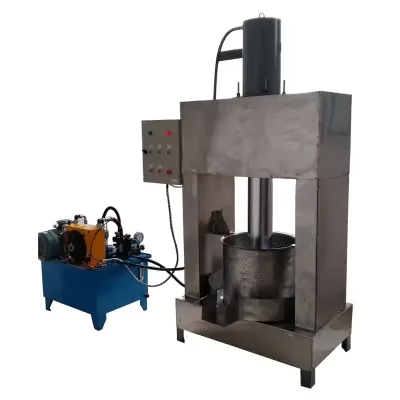


Paper Machine Pulping High Consistency Hydrapulper Hydraulic Pulper
$5000.00 - $30000.00
MOQ: 1 Pieces


Recycling Waste Paper Pulping Equipment High Consistency Pulper for Sale
$15000.00 - $45000.00
MOQ: 1 Sets


Waste Paper Recycling Plant Machine / Pulper Equipment Paper Machine
$6000.00 - $30000.00
MOQ: 1 Pieces

High-Performance Fruit Pulping Machine with Stainless Steel Pulper System
$1000.00 - $1050.00
MOQ: 1 Pieces

Professional Fruit Pulping Machine with Stainless Steel Blades and Pulper
$1000.00 - $1050.00
MOQ: 1 Pieces


High Efficiency Pulping Machine Line Waste Paper Pulp High Density Cleaner
$5000.00 - $50000.00
MOQ: 1 Pieces

Paper and Pulping Machine Medium (High) Consistency Hydraulic Pulper
$10500.00 - $80000.00
MOQ: 1 Pieces


Comprehensive Sourcing Guide
High Efficiency Coconut Pulper Machine Sourcing Guide
Sourcing a high-efficiency coconut pulper machine requires a clear understanding of the distinct mechanical processes involved in coconut processing. While the term "pulper" is often used broadly, the supplied product data reveals a bifurcation in the market between fruit processing equipment and nut extraction machinery. Buyers must distinguish between machines designed for pulping and core removal of soft fruits, such as tomatoes, and those engineered for the hydraulic pressing of coconut meat to extract milk. This distinction is critical because the mechanical stress, motor power, and material construction required for each task differ significantly. A machine labeled as a "pulper" in some listings may actually be a hydraulic presser for coconut milk, while others may be stainless steel de-nuclear pulpers for different produce. Therefore, the initial step in procurement is to align the machine’s specific function—whether it is for pulping, core removal, or hydraulic pressing—with your specific production line requirements.
The observed market signals indicate a wide variance in capacity, power consumption, and physical dimensions, reflecting the diverse needs of small-scale artisanal producers versus large industrial facilities. Listings show capacities ranging from 0.12 tons per hour for specialized tomato pulpers to 1500 kg per hour for larger industrial units, with power ratings spanning from 1.5 KW to 9 KW. This variability suggests that "high efficiency" is a relative term dependent on the scale of operation. For a coconut milk production line, the focus should be on hydraulic pressers with sufficient power to extract maximum yield from coconut meat, whereas for other fruit processing, the focus shifts to pulping speed and core removal efficiency. Buyers must carefully review the "Usage" and "Function" attributes in supplier listings to ensure the equipment matches the raw material input, as using a fruit pulper for coconut processing or vice versa will result in operational failure and potential equipment damage.
Product Scope and Observed Listing Signals
The product scope for high-efficiency coconut processing equipment includes both hydraulic pressers for milk extraction and stainless steel pulpers for fruit processing, though the latter may not be suitable for coconut nuts. The supplied data highlights a specific category of "coconut milk hydraulic presser" and "coconut fruit juicer machine," which are designed to press coconut meat into milk. These machines typically feature a core component such as a motor and are constructed for heavy-duty hydraulic operations. In contrast, other listings describe "Double Channel De nuclear pulper" and "Single Channel De nuclear pulper" made from Food Grade 304 Stainless Steel, which are intended for pulping and core removal of softer fruits. Buyers must recognize that these are distinct product categories; the stainless steel pulpers are optimized for high-efficiency fruit processing, while the hydraulic pressers are optimized for coconut milk extraction. Confusing these two types can lead to purchasing equipment that cannot handle the hardness of coconut shells or the specific texture of coconut meat.
Observed listing signals reveal that manufacturers often provide detailed technical specifications, including dimensions, weight, and voltage, which are essential for facility planning. For instance, the coconut milk hydraulic presser is listed with dimensions of 120011002400mm and a weight of 1200kg, indicating a substantial footprint and need for robust floor support. Similarly, the stainless steel pulpers vary in size, with models like the FP-1500 measuring 115012501800mm and weighing 460kg. These physical attributes are not merely descriptive; they dictate the layout of your processing plant, the type of forklift or crane needed for installation, and the electrical infrastructure required. The voltage specifications, such as 380V for industrial pulpers and 9kw power for hydraulic pressers, further emphasize the need for compatible power supply systems. Buyers should use these observed signals to create a preliminary site preparation plan before finalizing any purchase order.
Technical Specifications to Verify
When verifying technical specifications, the material composition of the machine is a primary concern, particularly for food-grade applications. The supplied data consistently mentions "Food Grade 304 Stainless Steel" and "Stainless Steel 304" as the primary material for pulpers, which is crucial for hygiene and corrosion resistance in wet processing environments. For coconut milk extraction, the hydraulic presser’s construction material is less explicitly detailed in the provided text, but buyers should verify that all contact surfaces are food-safe and resistant to the acidic nature of coconut milk. The motor is listed as a core component for the hydraulic presser, and its quality directly impacts the machine’s efficiency and longevity. Buyers should request detailed motor specifications, including brand, power rating, and insulation class, to ensure it can handle the continuous load of hydraulic pressing without overheating or failing prematurely.
Capacity and power ratings are critical metrics for determining the throughput of your production line. The observed capacity ranges from 0.12 T/h for tomato pulpers to 1500kg/H for larger industrial units, while the coconut milk hydraulic presser operates at 9kw power. Buyers must calculate their required hourly output based on the volume of raw coconuts available and select a machine that meets this demand without being oversized or undersized. For example, a 9kw hydraulic presser is likely suited for medium-to-large scale operations, whereas smaller pulpers may be appropriate for niche fruit processing. Additionally, the cleaning temperature of 35 Degrees mentioned for some pulpers suggests that thermal management is a factor in the cleaning process. Buyers should verify if the machine supports hot water cleaning or if it requires manual cleaning, as this impacts labor costs and operational efficiency.
Compliance and Safety Documentation
Compliance and safety documentation are non-negotiable for industrial machinery, especially when dealing with high-pressure hydraulic systems and electrical components. The supplied data mentions a "machinery test report" as being provided for the coconut milk hydraulic presser, which is a positive indicator of quality control. Buyers should insist on receiving this test report, which typically includes data on pressure testing, electrical safety checks, and performance validation under load. This document serves as proof that the machine meets the manufacturer’s internal standards and has been tested for reliability. In addition to the test report, buyers should request a comprehensive user manual that includes detailed safety instructions, emergency stop procedures, and maintenance schedules. These documents are essential for training operators and ensuring that the machine is used in a manner that minimizes the risk of injury or equipment damage.
Electrical safety and voltage compatibility are also key areas where documentation is required. The observed voltage of 380V for industrial pulpers and the 9kw power rating for hydraulic pressers indicate that these machines require specialized electrical installations. Buyers should verify that the machine’s electrical schematic matches the power supply available at their facility. If there is a mismatch, additional transformers or electrical upgrades may be necessary, which can add significant cost and time to the procurement process. Furthermore, buyers should check for any relevant certifications, such as CE, which may be listed in the background data. While the certification status is noted as low-confidence, buyers should request official certification documents from the supplier to ensure the machine complies with international safety and electromagnetic compatibility standards. This is particularly important if the machine is to be used in markets with strict regulatory requirements.
Cost Drivers and Commercial Terms
Cost drivers for high-efficiency coconut pulper and hydraulic press machines include material quality, motor brand, and production capacity. The use of Food Grade 304 Stainless Steel is a significant cost factor, as it is more expensive than standard steel but offers superior durability and hygiene. Similarly, the brand and quality of the motor, which is a core component, can vary widely in price and performance. Buyers should understand that a lower initial price may indicate the use of inferior materials or lower-grade motors, which could lead to higher maintenance costs and shorter machine lifespan. The observed price range of 150-300000 USD reflects this variance, with higher prices likely corresponding to larger capacity, more robust construction, and better brand-name components. Buyers should evaluate the total cost of ownership, including energy consumption, maintenance, and potential downtime, rather than focusing solely on the purchase price.
Commercial terms such as MOQ, packing, and after-sales service are also critical considerations. The observed MOQ of 1-1 suggests that suppliers are flexible and willing to sell single units, which is beneficial for small-scale buyers. However, buyers should negotiate for volume discounts if they plan to purchase multiple units or spare parts. The packing method, described as "Wooden Crate" or "Fumigation-Free Wooden Case," is important for protecting the machine during transit. Buyers should verify that the packing is robust enough to prevent damage, especially for heavy machines like the 1200kg hydraulic presser. After-sales service, such as "Video technical support" and a "1 Year warranty," provides a safety net for buyers. Buyers should clarify the scope of the warranty, including what parts are covered and the response time for technical support, to ensure they receive adequate assistance in the event of a malfunction.
Supplier Qualification and Quality Control
Supplier qualification is a vital step in ensuring the reliability of the equipment. Buyers should verify the supplier’s location, with many listings indicating origins in China, specifically Henan. While this is a common manufacturing hub, buyers should conduct due diligence to assess the supplier’s reputation, production capacity, and quality control processes. Requesting references from previous customers, particularly those in the coconut processing industry, can provide valuable insights into the supplier’s reliability and the performance of their machines. Additionally, buyers should inquire about the supplier’s manufacturing process, including how they source materials and how they assemble and test the final product. A supplier with a transparent and rigorous quality control process is more likely to deliver a machine that meets the specified technical requirements.
Quality control checks should be performed both before and after delivery. Before shipment, buyers should request a pre-shipment inspection report that includes visual checks, functional tests, and dimensional verification. This report should confirm that the machine matches the agreed-upon specifications, including material, dimensions, and power ratings. After delivery, buyers should conduct a thorough inspection upon receipt, checking for any transit damage and verifying that all components are present and undamaged. It is also advisable to perform a trial run with the machine to ensure it operates correctly and meets the expected performance standards. If any issues are identified, buyers should document them and contact the supplier immediately, using the provided after-sales service channels to resolve the problem. This proactive approach helps to minimize disruptions and ensures that the machine is ready for production as quickly as possible.
Long-Term Procurement Checks
Long-term procurement checks focus on the sustainability and scalability of the equipment investment. Buyers should consider the availability of spare parts, such as motors, hydraulic seals, and stainless steel components, to ensure that the machine can be maintained over its lifespan. The 1-year warranty provides initial coverage, but buyers should negotiate for extended warranty options or service contracts that cover long-term maintenance. Additionally, buyers should monitor the machine’s performance over time, tracking metrics such as throughput, energy consumption, and maintenance frequency. This data can help identify potential issues early and inform decisions about future upgrades or replacements. By maintaining a detailed log of the machine’s performance and maintenance history, buyers can optimize their operations and extend the useful life of the equipment.
Finally, buyers should stay informed about advancements in coconut processing technology and market trends. The coconut industry is evolving, with new techniques and equipment emerging to improve efficiency and product quality. By staying connected with industry peers and suppliers, buyers can identify opportunities to upgrade their
FAQs
What is the production capacity of the High Efficiency Coconut Pulper Machine?
The machine offers a capacity ranging from 1000 to 1500 kilograms per hour. This high output ensures efficient processing for large-scale operations while maintaining consistent quality.
Can the High Efficiency Coconut Pulper Machine be customized for specific needs?
Yes, customization is available to meet specific operational requirements. Buyers can request tailored specifications to ensure the equipment fits their unique production line setup.
What material is used to construct the High Efficiency Coconut Pulper Machine?
The machine is constructed from food grade 304 stainless steel. This material ensures durability, corrosion resistance, and compliance with food safety standards for all processing applications.
How is the High Efficiency Coconut Pulper Machine packed for shipping?
The equipment is packed in a wooden crate or fumigation-free wooden case. This secure packaging protects the machine during transit and ensures it arrives in perfect condition.
What is the voltage requirement for the High Efficiency Coconut Pulper Machine?
The machine operates on a 380V electric power supply. This standard voltage ensures compatibility with industrial power grids for reliable and continuous operation in various factory settings.
Which warranty is provided for the High Efficiency Coconut Pulper Machine?
A one-year warranty is provided for the machine. This coverage includes video technical support to assist with any operational issues or maintenance needs during the warranty period.