Source High Efficiency Roselle Fruit Pitter for commercial processing, root vegetable cutting, and fruit pits removal
Explore 30 listings for the High Efficiency Roselle Fruit Pitter designed for commercial fruit processing and root vegetable applications. Buyers can compare specifications, power ratings, and dimensions to find the right machinery for their production needs.
Key considerations
Products List


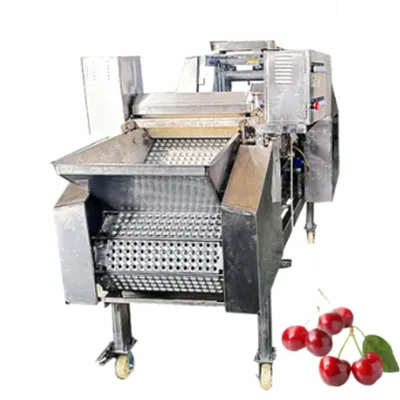
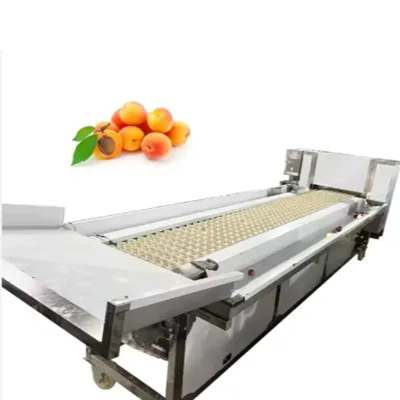


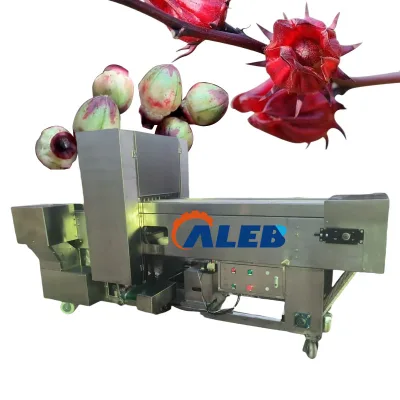
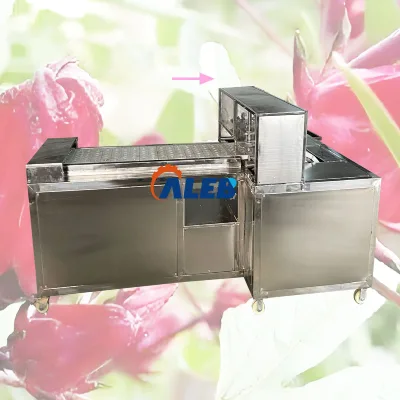
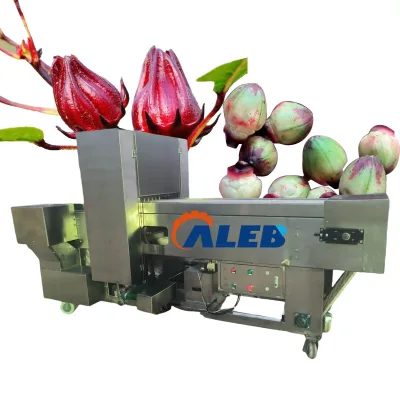
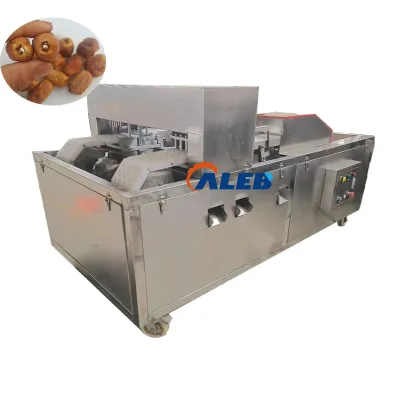
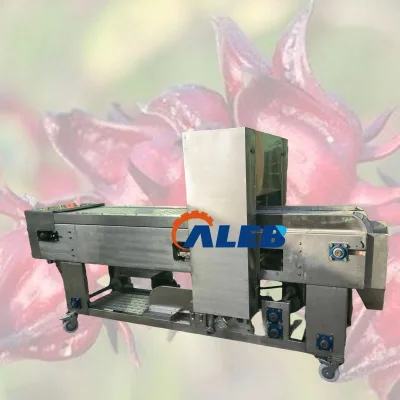
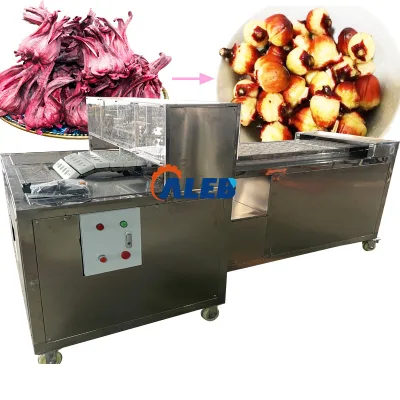
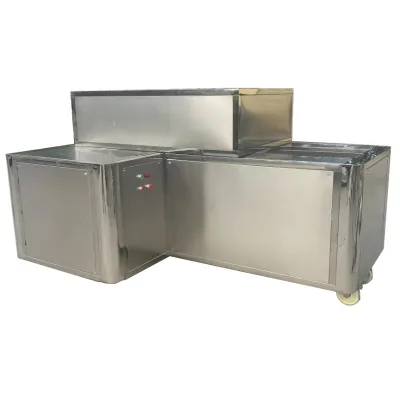
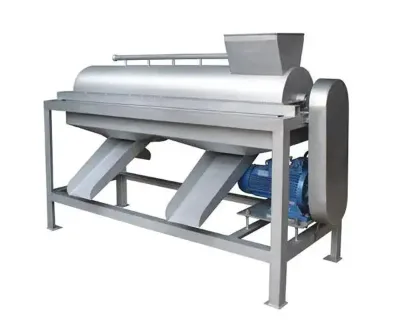
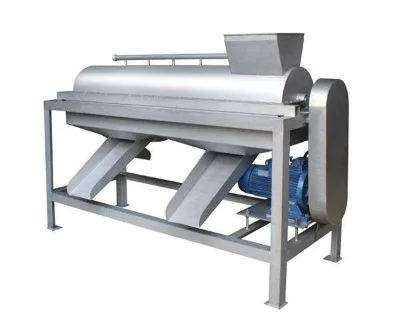

Comprehensive Sourcing Guide
Strategic Sourcing Guide for High Efficiency Roselle Fruit Pitting Equipment
Procuring specialized machinery for the processing of roselle fruit requires a rigorous approach to technical verification and supplier evaluation. The core keyword "High Efficiency Roselle Fruit Pitter" points to a specific niche within industrial food processing equipment, where the primary objective is the rapid and gentle removal of seeds from roselle calyces without compromising the structural integrity of the fruit. This guide synthesizes observed market data and technical attributes to provide a framework for buyers seeking reliable, high-capacity solutions. The focus remains on evidence-based selection criteria, ensuring that procurement decisions are grounded in verifiable specifications rather than marketing assertions.
Technical Specifications and Operational Parameters
When evaluating a High Efficiency Roselle Fruit Pitter, the buyer must first scrutinize the fundamental technical specifications that define the machine's capability. The observed market data indicates a diverse range of power requirements, with specific models operating at 1.5KW and others at 3KW. This variance suggests that efficiency is not solely a function of raw power but also of mechanical design and motor optimization. For instance, a machine with a 3KW power rating, such as the HL-CD-CLQH8X2 model, is designed for higher throughput applications, while the 1.5KW unit may serve smaller batch operations.
Voltage compatibility is another critical technical parameter. The data shows units operating at 380V and 220V, with some specifications noting 380V/50Hz. Buyers must ensure that the selected equipment matches the electrical infrastructure of their facility to avoid costly retrofits or operational failures. The physical dimensions of the machinery also vary significantly, ranging from compact units measuring approximately 236515801190mm to larger industrial systems reaching 42001700900mm or even 400012001300mm. These dimensions directly impact floor space planning and logistics.
The extraction rate is a definitive metric for "high efficiency." Verified data points to an extracting rate of 95-98%, which serves as a benchmark for acceptable performance. Additionally, capacity figures such as 57,600 pieces per hour indicate the upper limits of modern machinery. However, buyers should verify if these figures apply specifically to roselle or if they are generalized metrics for stone fruits like cherries and prunes. The core components, often listed as engines, must be robust enough to handle the fibrous nature of roselle calyces. The weight of the machinery, observed between 300kg and 500kg, influences the need for reinforced flooring and specialized shipping arrangements.
Material Composition and Hygiene Standards
The construction material of the fruit pitter is paramount for food safety and equipment longevity. The majority of high-efficiency units in the observed dataset are constructed from SS304 or 304 Stainless Steel. This material choice is non-negotiable for food processing equipment as it offers superior corrosion resistance, ease of cleaning, and compliance with general hygiene standards. The use of 304 Stainless Steel ensures that the machine can withstand the acidic nature of roselle fruit without degrading or leaching harmful substances into the product.
While some listings mention "Steel" generally, the specific designation of SS304 or 304 Stainless Steel is the preferred attribute for buyers. The structural integrity of the machine is further supported by the use of wooden cases or wooden boxes for packing, which provides necessary protection during transit. The standard of manufacturing is often cited as ISO9001, a quality management system certification that indicates a supplier's commitment to consistent quality control processes. Buyers should verify that the ISO9001 certification is current and applies to the specific manufacturing facility producing the pitter.
Compliance, Certification, and Documentation
Navigating the compliance landscape for industrial food machinery requires careful attention to documentation. The observed data includes references to ISO9001 standards, but it also highlights a critical gap: the availability of machinery test reports. Some listings indicate that test reports are "Not available," while others state they are "Provided." For a high-efficiency machine intended for commercial use, the presence of a machinery test report is a vital verification tool. This document should detail the actual performance of the machine under load, confirming the claimed extraction rates and power consumption.
Buyers must explicitly request machinery test reports before finalizing a purchase. The absence of such a report should be treated as a significant risk factor, as it leaves the buyer relying solely on manufacturer claims. Furthermore, the warranty period is a standard contractual element, with observed warranties typically lasting 1 Year. This warranty should cover core components, such as the engine, and clarify the scope of after-sales service, which may include overseas support. The standard of "Customized" is also noted in some contexts, suggesting that compliance with specific regional food safety regulations may require tailored machine configurations.
Cost Drivers and Economic Considerations
The cost of high efficiency roselle fruit pitters is influenced by several dynamic factors, including power rating, material thickness, and the complexity of the pitting mechanism. The observed price range in the market is vast, spanning from $2 to $74,999. This extreme variance indicates that the market includes everything from small-scale manual or semi-automatic units to fully automated industrial lines. The lower end of the spectrum likely represents basic models or accessories, while the higher end encompasses full-scale processing systems with advanced automation and high extraction rates.
The Minimum Order Quantity (MOQ) is another economic factor, ranging from 1 to 300 units. This flexibility allows buyers to scale their procurement based on their operational needs, whether they are a pilot project requiring a single unit or a large-scale processor needing a fleet of machines. The selling units are typically listed as "Single item," but bulk purchasing may offer negotiated pricing. The manufacturing time, observed at 28 days for customized orders, is a key lead time factor that impacts project scheduling. Buyers must account for this production window, along with shipping and customs clearance, when planning their supply chain.
Typical Applications and Functional Scope
While the core keyword focuses on roselle, the functional scope of the observed machinery often extends to a broader range of stone fruits. The data explicitly lists applications for cherries, prunes, apricots, and root vegetables. This multifunctionality is a common feature in high-efficiency pitting machines, designed to handle various sizes and hardness levels of fruit. The specific function of "Fruit Pitting" is the primary capability, but some models are marketed as "Multifunctional Cutters" or "Cherry Pitters," suggesting versatility in processing different crop types.
The industrial scope is generally defined as "Fruit Processing," indicating that these machines are intended for commercial usage in factories, canneries, or large-scale agricultural processing facilities. The advantage of "Low Consumption High Efficiency" is a recurring theme, implying that modern designs focus on energy optimization alongside throughput. For roselle specifically, the machine must be capable of handling the unique texture of the calyces, which are softer than stone fruits but require precise pressure to avoid crushing the fruit while removing the seed. The extraction rate of 95-98% is the target metric for these applications, ensuring minimal waste and maximum yield.
Supplier Evaluation and Quality Control
Evaluating a supplier for high-efficiency fruit pitting equipment requires a multi-faceted approach. The origin of the machinery is a primary indicator, with observed production locations in Shanghai and Henan, China. These regions are known for their manufacturing capabilities, but buyers must verify the specific factory's reputation and capacity. The brand name "hongle" appears in the data, serving as a reference point for specific product lines, though buyers should not limit their search to a single brand.
Quality control should be embedded in the procurement process. The warranty of 1 Year and the provision of after-sales service, including overseas support, are critical indicators of supplier confidence. Buyers should verify the availability of spare parts and the responsiveness of the technical support team. The "Customized" attribute suggests that suppliers are willing to adapt machines to specific needs, which is a positive sign for quality control flexibility. However, the buyer must ensure that customization does not compromise the standard of materials or the reliability of the core components.
Long-Term Procurement and Maintenance Considerations
Long-term procurement success depends on the durability of the equipment and the availability of support services. The use of 304 Stainless Steel ensures a long service life, but regular maintenance is essential to maintain the high extraction rates. The engine, as a core component, requires periodic inspection and potential replacement. The dimension and weight of the machine, such as the 42001700900mm model, necessitate careful planning for installation and maintenance access.
The packing method, typically wooden cases or boxes, protects the machine during transit but requires proper unloading procedures to prevent damage. The lead time of 28 days for customized orders means that buyers should plan their procurement cycles well in advance to avoid production delays. Additionally, the "Service Machinery Overseas" attribute highlights the importance of international support networks. Buyers should confirm the specific terms of this service, including response times and travel costs, to ensure that downtime is minimized in the event of a breakdown.
Comparative Analysis of Machine Attributes
To facilitate decision-making, the following table summarizes key attributes observed in the market for high-efficiency fruit pitting machines. This comparison highlights the diversity in specifications and helps buyers identify the most suitable option for their specific operational requirements.
| Attribute | Observation Range / Specific Value | Relevance to Roselle Processing |
|---|---|---|
| Power Rating | 1.5KW to 3KW | Determines throughput and energy efficiency. |
| Voltage | 220V, 380V, 380V/50Hz | Must match facility electrical supply. |
| Material | SS304, 304 Stainless Steel | Essential for food safety and corrosion resistance. |
| Extraction Rate | 95-98% | Key metric for yield optimization. |
| Capacity | Up to 57,600 PCS/H | Defines maximum processing volume. |
| Dimensions | 236515801190mm to 42001700900mm | Impacts floor space and layout. |
| Warranty | 1 Year | Standard coverage for core components. |
| Origin | Shanghai, Henan, China | Indicates manufacturing hub and logistics. |
| Test Report | Provided or Not Available | Critical for verifying performance claims. |
In conclusion, sourcing a High Efficiency Roselle Fruit Pitter involves balancing technical specifications, material quality, and supplier reliability. By adhering to the evidence-based criteria outlined in this guide, buyers can navigate the complex market landscape and secure equipment that meets their production goals without compromising on quality or safety. The focus on verified data, such as extraction rates and material standards, ensures that the procurement process is grounded in reality rather than marketing promises.
FAQs
What material is used for High Efficiency Roselle Fruit Pitter construction?
Most units are constructed from SS304 or 304 Stainless Steel to ensure food safety and corrosion resistance. This material choice allows the machine to withstand acidic fruit juices while maintaining hygiene standards required for commercial processing facilities.
How long is the manufacturing time for customized orders?
The standard manufacturing time for customized orders is 28 days. Buyers must account for this production window along with shipping and customs clearance when planning their supply chain to avoid delays in project scheduling.
Which voltage options are available for these fruit pitting machines?
Available voltage options include 220V and 380V, with some models supporting 380V/50Hz. Buyers must verify that the selected equipment matches the electrical infrastructure of their facility to prevent operational failures or costly retrofits.
Can buyers verify the extraction rate of the machinery?
Verified data indicates an extraction rate of 95-98% for high-efficiency models. However, buyers should explicitly request machinery test reports before purchase, as some listings do not provide these critical performance verification documents.
What is the typical warranty period for these industrial machines?
The standard warranty period observed in the market is 1 Year. This coverage typically applies to core components like the engine and clarifies the scope of after-sales service, which may include overseas support for international buyers.
How much does the machinery weigh for shipping purposes?
The weight of the machinery ranges between 300kg and 500kg depending on the model. This weight influences the need for reinforced flooring and specialized shipping arrangements during transit and installation.
What is the maximum processing capacity observed for these units?
Some models have a capacity of up to 57,600 pieces per hour. Buyers should verify if these figures apply specifically to roselle or if they are generalized metrics for other stone fruits like cherries and prunes.