Source High Efficiency PWM LED Driver for Street, Indoor, Outdoor
Find 30 High Efficiency PWM LED Driver options from suppliers in China and Taiwan. Compare specifications including output power, voltage, and dimming features for street, indoor, and outdoor lighting applications.
Key considerations
Products List


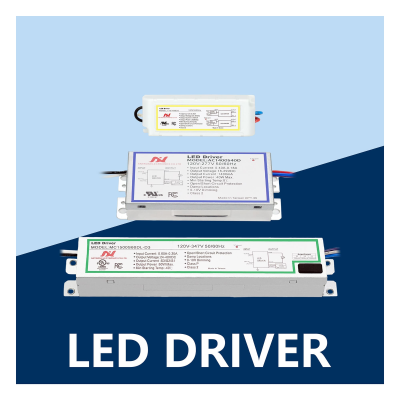
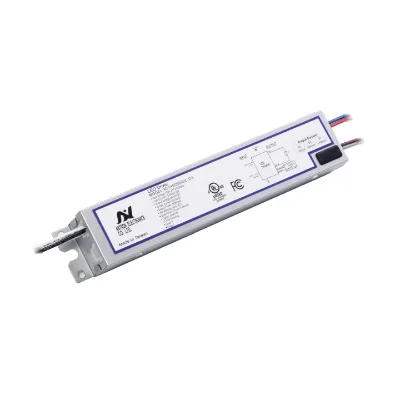
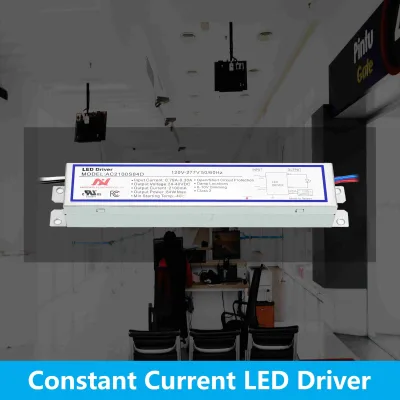


Comprehensive Sourcing Guide
Strategic Sourcing Guide for High Efficiency PWM LED Drivers
Understanding Core Technical Specifications for PWM Drivers
When sourcing high-efficiency Pulse Width Modulation (PWM) LED drivers, buyers must first establish a clear understanding of the fundamental electrical parameters that define performance. The core functionality of these devices relies on switching power supply architectures, specifically those utilizing series switching power supply connection modes. This topology is critical for achieving the high efficiency required in modern lighting applications, as it minimizes energy loss during the conversion process. A key observation in the current market is the prevalence of width modulation type voltage regulating modes, which allow for precise control over the output to maintain consistent light output despite input fluctuations.
Efficiency in this context is directly tied to the modulation system employed. Products utilizing a PFAW (Pulse Frequency and Amplitude Width) modulation system demonstrate optimized switching characteristics that reduce thermal stress on components. Buyers should verify the input voltage compatibility, as high-efficiency drivers often support a broad range to ensure global applicability. Observed specifications indicate support for input voltages ranging from 110V to 220V, with some advanced models accommodating 120-277Vac. This wide input range is essential for facilities that may experience voltage variances or operate in regions with different grid standards.
The output characteristics are equally critical for system design. High-efficiency drivers typically offer constant current output types, ensuring that the LED string receives a stable current regardless of forward voltage changes. Capacity ranges observed in the market span from 51-100W up to 301-400W, with specific models offering multi-output capabilities such as 30W, 45W, and 60W options within a single unit. This flexibility allows for modular design approaches where a single driver type can serve multiple fixture configurations. Furthermore, the output voltage capabilities often include ranges such as 12V/24V or broader OEM-specific ranges like 26-43V, necessitating careful matching with the specific LED load requirements.
Compliance and Certification Verification Protocols
Navigating the regulatory landscape is a non-negotiable aspect of sourcing high-efficiency LED drivers. Compliance ensures that the product can be legally sold in target markets and meets safety standards that protect end-users. The market data reveals a diverse array of certifications, indicating that different suppliers cater to specific regional requirements. Buyers must verify that the products they select carry the necessary marks for their intended destination. Common certifications observed include RoHS and ISO, which address environmental restrictions and quality management systems, respectively.
For markets with stringent electrical safety requirements, such as North America, specific certifications are mandatory. Products in the supply chain may carry UL, cUL, Class 2, and Class P designations. These are particularly relevant for commercial and industrial lighting where fire safety and electrical isolation are paramount. Additionally, Title 24 compliance is a critical standard for energy efficiency in specific jurisdictions, requiring drivers to meet strict power factor and efficiency thresholds. In the European and Asian markets, CE, CCC, and CB certifications are frequently observed, serving as proof of conformity to regional safety and electromagnetic compatibility directives.
It is vital for procurement teams to treat these certifications as observations of specific product batches rather than universal attributes of all listed drivers. A supplier may offer a model with RoHS compliance but lack the UL certification required for a specific project. Therefore, the verification process must involve a line-by-line check of the product datasheet against the project's regulatory checklist. Buyers should also look for evidence of the product standard, which often references materials like aluminum and circuit board construction, ensuring that the physical build quality supports the claimed certifications. The presence of a 1-year or 5-year warranty often correlates with the robustness of the certification and the manufacturer's confidence in their compliance testing.
Cost Drivers and Pricing Structure Analysis
The pricing of high-efficiency PWM LED drivers is influenced by a complex interplay of technical specifications, certification levels, and order volume. The observed price range in the market spans from $0.50 to $500, a variance that reflects the difference between low-power, basic models and high-power, feature-rich units. Several key factors drive these costs. First, the output power capacity is a primary determinant; units delivering 301-400W will naturally command a higher price point than those in the 51-100W range due to the larger components and more complex thermal management required.
Second, the level of customization available significantly impacts cost. While many standard drivers are available off-the-shelf, products offering customized design services, such as specific lighting and circuitry design or tailored output currents, incur additional engineering and tooling fees. The "Customization: Available" attribute suggests that buyers can request modifications, but this flexibility comes at a premium compared to standard SKUs. Additionally, the inclusion of advanced dimming capabilities, such as 3-in-1 dimming (PWM, 1-10V, Rx), adds to the component cost and complexity of the driver.
Order volume, represented by the Minimum Order Quantity (MOQ), is another critical cost driver. The observed MOQ range of 1 to 1000 units indicates that buyers can source small quantities for prototyping or testing, but economies of scale are realized at higher volumes. Suppliers often structure their pricing to reward larger commitments, which can lower the unit cost significantly. Packaging requirements also play a role; while standard outer box packing is common, specialized packaging details or individual packing options may increase the final price. Buyers should analyze the total cost of ownership, including the potential savings from higher efficiency drivers that reduce energy consumption over the product's lifespan, rather than focusing solely on the initial purchase price.
Typical Applications and System Integration
High-efficiency PWM LED drivers are integral to a wide spectrum of lighting applications, ranging from residential to heavy industrial settings. The versatility of these drivers stems from their ability to handle various input voltages and output configurations. For instance, drivers with an IP rating of 20 are suitable for indoor environments where dust and water protection are not primary concerns, such as office lighting or residential fixtures. In contrast, models with an IP45 rating offer protection against dust and water jets, making them ideal for outdoor applications, street lighting, or damp indoor areas like warehouses and parking garages.
The specific output current and voltage ranges dictate the application type. Constant current drivers with output currents of 1400mA, 1050mA, and 700mA are commonly used in high-bay lighting, floodlights, and architectural accent lighting where precise current control is necessary to prevent LED degradation. The availability of slim form factors, such as those with a single package size of 26x6x4 cm, makes them suitable for recessed lighting and fixtures with tight space constraints. Furthermore, the "LED Driver in Stock" attribute suggests that these products are well-suited for projects with tight deadlines where immediate deployment is required.
Integration considerations also include the starting mode and energy transmission capabilities. Separate-excited switching power supplies and two-way transmission modes offer flexibility in system design, allowing for more complex lighting control networks. The ability to provide lighting solutions services, including circuitry design, indicates that these drivers are often part of a larger ecosystem where the driver must communicate seamlessly with control systems. Buyers should evaluate the compatibility of the driver's dimming protocols with their existing control infrastructure to ensure a smooth integration process.
Supplier Evaluation and Quality Assurance
Evaluating suppliers for high-efficiency PWM LED drivers requires a rigorous approach that goes beyond price comparison. The geographic origin of the product, such as Zhongshan, Guangdong, or Taiwan, China, can provide insights into the manufacturing ecosystem and supply chain maturity. These regions are known for their concentration of electronic component manufacturers, but buyers must still verify the specific capabilities of the supplier. A key indicator of supplier reliability is the consistency of their product attributes, such as the "Product Weight" and "Single gross weight," which reflect the quality of materials used.
Quality control should be a central part of the supplier selection process. Buyers should request documentation that verifies the protection mechanisms built into the drivers, such as short circuit, over voltage, and over temperature protection. These features are critical for preventing catastrophic failure and ensuring the longevity of the lighting system. The warranty period is another significant metric; while a 1-year warranty is common, a 5-year warranty suggests a higher level of confidence in product durability and quality.
When assessing suppliers, buyers should also consider the "Selling Units" and "Packaging Details." Suppliers offering flexible packaging options, such as 5 to 100 pieces per carton, demonstrate adaptability to different logistical needs. The presence of a specific brand name, such as Antron, can also be a factor, as established brands often have more robust quality assurance processes. However, buyers should remain vigilant and not assume that a brand name guarantees quality without independent verification. The "Case Code" and specific model numbers, like DS-8400 or AC1400S60DL-D3, should be cross-referenced with technical datasheets to ensure they match the project requirements exactly.
Long-Term Procurement and Lifecycle Management
Sourcing high-efficiency LED drivers is not merely a transactional activity but a strategic decision that impacts the long-term performance of lighting installations. The "Warranty: 5 Years" and "Warranty(Year): 5-Year" attributes highlight the importance of selecting products that offer extended coverage, which reduces the risk of unexpected replacement costs. Long-term procurement considerations also include the availability of spare parts and the supplier's ability to maintain production continuity. Products listed as "LED Driver in Stock" provide a buffer against supply chain disruptions, but buyers should plan for future demand by establishing relationships with suppliers who can scale production.
Energy efficiency is a critical long-term factor. High-efficiency drivers reduce energy consumption, leading to lower operational costs and a smaller carbon footprint. The specific wattages observed, such as 400W and 60W, should be matched to the actual load requirements to avoid over-specification, which can lead to wasted energy and increased heat generation. Thermal management is also a long-term concern; drivers with robust construction standards, such as aluminum and circuit board specifications, are better equipped to handle thermal cycling over years of operation.
Finally, buyers should consider the adaptability of the drivers to future lighting technologies. The "Customization: Available" attribute suggests that suppliers can modify drivers to meet evolving standards or new LED technologies. This flexibility ensures that the procurement investment remains relevant as the industry advances. By focusing on these long-term factors, buyers can secure a supply chain that supports sustainable, reliable, and cost-effective lighting solutions for years to come.
Comparative Analysis of Driver Specifications
To facilitate informed decision-making, the following table summarizes key specifications observed in the market for high-efficiency PWM LED drivers. This comparison highlights the diversity in capabilities and helps buyers identify the most suitable options for their specific project needs.
| Specification Category | Model A (General Purpose) | Model B (High Power) | Model C (Slim/Compact) |
|---|---|---|---|
| Output Power | 51 - 100W | 301 - 400W | 30/45/60W |
| Input Voltage | 110-220V | 110-220V | 120-277Vac |
| Output Voltage | 12V / 24V | Single Output | 26-43V / OEM |
| Output Current | Standard | High Capacity | 1400/1050/700mA |
| Dimming Capability | Standard PWM | Variable | 3-in-1 (PWM, 1-10V, Rx) |
| Protection Features | Short Circuit, Over Temp | Short Circuit, Over Voltage | Short Circuit, Over Temp |
| IP Rating | IP 20 | IP 45 | IP 20 |
| Warranty | 1 Year | 1 Year | 5 Years |
| Certifications | RoHS, ISO | RoHS, ISO, CE | UL, cUL, Class 2 |
| Dimensions | Standard | Standard | 26x6x4 cm |
| Origin | Zhongshan, Guangdong | Zhongshan, Guangdong | Taiwan, China |
This table illustrates that no single driver fits all applications. Buyers must weigh the trade-offs between power capacity, protection levels, and certification requirements to select the optimal solution. The variation in warranty periods and origins further underscores the need for thorough due diligence before finalizing a procurement decision.
FAQs
What certifications are available for high efficiency pwm led drivers?
Available certifications include RoHS, ISO, CE, CCC, CB, UL, cUL, Class 2, Class P, and Title 24. Buyers must verify specific certifications for their target market as products vary by batch and region rather than all units sharing every mark.
Which input voltage ranges do these drivers support?
Drivers support input voltages ranging from 110-220V and 120-277Vac. Some models also accommodate AC 110V, 165-265V, and 220V with specific tolerances to ensure global applicability across different grid standards.
Can I find high efficiency pwm led drivers with customization options?
Yes, customization is available for lighting and circuitry design or tailored output currents. This flexibility allows for specific project needs but may incur additional engineering fees compared to standard off-the-shelf SKUs.
What output power capacities are offered for these drivers?
Output power capacities range from 51-100W up to 301-400W. Specific models offer multi-output capabilities like 30W, 45W, and 60W to support modular design approaches for various fixture configurations.
How long is the warranty period for these products?
Warranty periods observed are either 1 Year or 5 Years. A 5-year warranty often correlates with higher product durability and manufacturer confidence, while 1-year coverage is common for standard units.
What is the minimum order quantity for sourcing these drivers?
The minimum order quantity ranges from 1 to 1000 units depending on the supplier. Buyers can source small quantities for prototyping or larger volumes to achieve economies of scale on pricing.
Where are these high efficiency pwm led drivers manufactured?
Products originate from locations such as Zhongshan, Guangdong, and Taiwan, China. These regions host concentrated electronic manufacturing ecosystems, though specific supplier capabilities must still be verified for quality assurance.