Source High Efficiency Sugar Cane Juicer for Juice Bars, Farms, and Factories
Explore 30 listings for High Efficiency Sugar Cane Juicer models ranging from compact 300kg/h units to industrial 1000kg/h presses. Buyers can compare specifications like voltage, power, and roller types to find the right machine for juice bars, farms, or processing plants.
Key considerations
Products List


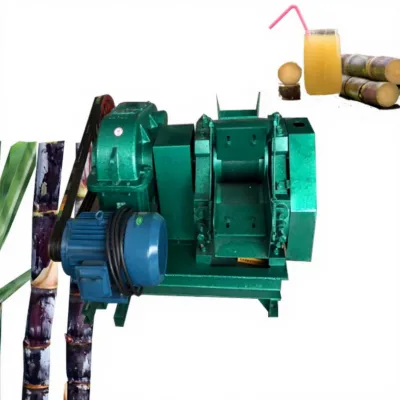
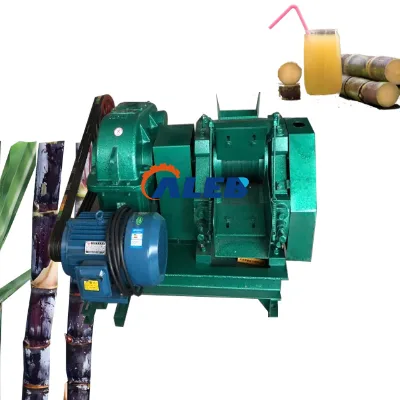
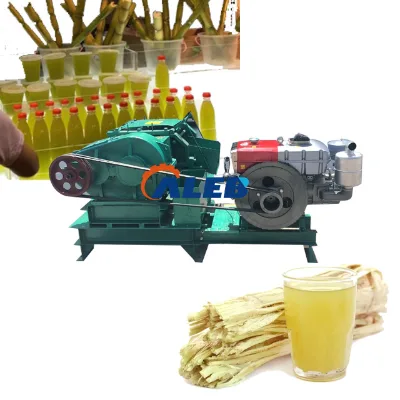
Electric Sugar Cane Juicer Machine / Sugarcane Juice Machine / Sugarcane Juicer
$1359.00 - $2189.00
MOQ: 1 Sets




Comprehensive Sourcing Guide
Strategic Sourcing Guide for High-Efficiency Sugar Cane Juicers
Procuring industrial-grade sugar cane juicers requires a rigorous approach that balances throughput capacity with mechanical reliability. For buyers in the beverage manufacturing, food processing, and agricultural sectors, the selection of a "high efficiency" unit is not merely a matter of brand preference but a critical operational decision. The market presents a diverse array of models, ranging from compact units to heavy-duty industrial presses. This guide synthesizes available product data and industry standards to provide a structured framework for evaluating suppliers, verifying technical claims, and ensuring long-term procurement success. The following sections detail the specific technical parameters, compliance considerations, and cost factors that define a successful acquisition strategy.
Technical Specifications and Performance Metrics
The core definition of a high-efficiency sugar cane juicer lies in its ability to maximize juice yield while minimizing mechanical failure and energy consumption. When evaluating potential units, buyers must scrutinize the specific technical attributes provided in the product listing. A primary differentiator is the power configuration, which varies significantly across the market. Data indicates the existence of models powered by 0.75KW motors, while others operate at 5.5KW. The selection between these power ratings depends heavily on the intended production volume and the available electrical infrastructure at the facility. For instance, a 5.5KW unit is typically associated with industrial-scale operations requiring a 380V voltage supply, whereas smaller units may function on 220V systems.
Capacity is another critical specification that directly correlates with efficiency. The observed market data highlights a wide range of throughput capabilities, from 300kg/H to 1000kg/H. A model with a capacity of 1000kg/H represents a high-efficiency solution for large-scale commercial juice production, whereas units rated at 300kg/H or 350kg/H are better suited for smaller enterprises or pilot operations. Buyers should verify that the stated capacity aligns with their peak production requirements to avoid bottlenecks. Furthermore, the mechanical design plays a pivotal role in extraction efficiency. Many high-performing units utilize a "Roller Type" mechanism, with specific models featuring a configuration of three rollers (3PCS). This multi-roller design ensures multiple passes of the cane through the crushing mechanism, significantly improving juice extraction rates compared to single-roller alternatives.
Material composition is equally vital for maintaining efficiency over time. The industry standard for food-grade juicers involves the use of stainless steel for all contact surfaces. This material choice prevents corrosion, ensures hygiene, and simplifies the cleaning process, which is essential for maintaining consistent output quality. The dimensions of the machine also impact operational efficiency; standard footprint sizes observed include configurations such as 11401070800mm and 138010201080mm. Buyers must ensure that their facility layout can accommodate these dimensions, particularly if the machine is intended for a fixed installation.
Compliance, Certification, and Safety Standards
In the realm of food processing equipment, compliance with international and local safety standards is non-negotiable. While specific certification status can vary by supplier, the presence of ISO9001 certification is a strong indicator of a manufacturer's commitment to quality management systems. This standard ensures that the production processes are consistent and that the final product meets defined quality criteria. Buyers should explicitly request proof of ISO9001 certification or equivalent quality assurance documentation before finalizing a purchase.
Electrical safety is another paramount concern. The voltage requirements for these machines, ranging from 220V to 380V, necessitate careful verification against the local power grid standards. A mismatch in voltage can lead to equipment failure or safety hazards. Additionally, the installation requirements must be clearly understood. Many units are marketed as "Ready to Use" with included plugs, which simplifies the setup process. However, buyers must confirm that the plug type and voltage rating are compatible with their local electrical infrastructure.
Packaging standards also play a role in compliance and safety during transit. High-quality units are often shipped in "Fumigation-Free Wooden Cases" or "Wooden Box Packing" to prevent the spread of pests and to protect the machinery from damage. This packaging method is particularly important for international shipments, as it ensures the equipment arrives in pristine condition without requiring additional treatment upon arrival. Buyers should verify that the packaging meets the specific import regulations of their destination country to avoid delays at customs.
Cost Drivers and Pricing Dynamics
Understanding the cost drivers for sugar cane juicers is essential for budgeting and negotiating effectively. The price range for these machines is broad, with observed listings spanning from $169 to $5600. This variance is driven by several factors, including motor power, capacity, material quality, and the level of customization. High-capacity models with 5.5KW motors and stainless steel construction naturally command higher prices than smaller, lower-power units.
Customization is a significant cost factor. While some models are available as standard "Non-Customized" units, others offer "Customized" options to meet specific production needs. Buyers should assess whether customization is necessary for their operation, as this can increase the unit cost and potentially extend the production lead time. The production time for these machines is typically reported as 2-7 days, but this can vary based on the complexity of the order and the supplier's current workload.
Minimum Order Quantity (MOQ) is another critical financial consideration. The data indicates an MOQ of 1 set for most models, which is favorable for small businesses and startups. This low barrier to entry allows buyers to test the equipment without committing to large inventory volumes. However, buyers should be aware that while the MOQ is low, the unit price may be higher for single-unit purchases compared to bulk orders.
Typical Applications and Operational Context
The application of sugar cane juicers extends beyond simple juice extraction. These machines are primarily designed for the "Sugarcane Juice Press" and "Sugar Cane Juicer" applications, serving the beverage industry, street food vendors, and commercial juice bars. The versatility of these units allows them to process various types of sugarcane, ensuring consistent output regardless of the cane variety.
The operational context also dictates the choice of equipment. For high-volume commercial settings, a machine with a capacity of 1000kg/H and a 5.5KW motor is ideal. In contrast, smaller operations or those with limited space may benefit from compact models with capacities around 300kg/H. The "Roller Type" feature is particularly advantageous for applications requiring high juice yield and minimal waste, as it ensures thorough extraction.
Buyers should also consider the maintenance requirements of the machine. Features such as "Long Time Supply with Good Price" for spare parts are crucial for minimizing downtime. A reliable supply chain for spare parts ensures that the machine can be kept in operation for extended periods, maximizing the return on investment.
Supplier Evaluation and Quality Assurance
Evaluating suppliers requires a multi-faceted approach that goes beyond price comparison. Buyers should prioritize suppliers who provide clear and detailed technical specifications, including voltage, power, capacity, and dimensions. The origin of the product is also a key factor; many high-quality units are manufactured in China, specifically in regions like Henan Province, which is known for its industrial manufacturing capabilities.
Quality assurance should be a central part of the supplier evaluation process. Buyers should request documentation regarding the materials used, specifically confirming the use of stainless steel for food-contact surfaces. Additionally, the condition of the machine should be verified as "New" to ensure that no prior wear and tear affects performance. The "Installation: with Plug, Ready to Use" feature is a positive indicator of a supplier's attention to detail and commitment to user convenience.
Buyers should also assess the supplier's ability to provide after-sales support. The availability of spare parts and the reputation for providing them at a "Good Price" are strong indicators of a reliable supplier. A supplier that offers a "Long Time Supply" of parts demonstrates a commitment to the longevity of their products and the satisfaction of their customers.
Long-Term Procurement and Maintenance Considerations
Long-term procurement success depends on the durability and maintainability of the equipment. The "Stainless Steel Color" and material composition are critical for ensuring the machine can withstand the corrosive nature of sugarcane juice and the rigorous cleaning schedules required in food processing. Buyers should plan for regular maintenance to extend the lifespan of the machine and maintain optimal performance.
The "Production Time" of 2-7 days suggests that suppliers can deliver units relatively quickly, but buyers should factor in potential delays due to customization or logistics. Planning for these timelines is essential to avoid disruptions in production schedules. Furthermore, the "Weight" of the machine, which can range from 45kg to 435kg, impacts the installation process. Heavier units may require specialized equipment for moving and installation, which should be accounted for in the procurement budget.
In conclusion, sourcing a high-efficiency sugar cane juicer involves a careful analysis of technical specifications, compliance standards, cost factors, and supplier reliability. By focusing on these key areas, buyers can make informed decisions that align with their operational needs and ensure long-term success in the competitive beverage market. The data provided offers a solid foundation for evaluating options, but buyers should always verify specific details with the supplier to ensure the selected unit meets their unique requirements.
FAQs
What voltage options are available for high efficiency sugar cane juicers?
These machines typically operate on either 220V or 380V depending on the model. Industrial units often require 380V power, while smaller units function on 220V systems. Buyers must verify their local electrical infrastructure before purchasing to ensure compatibility and safe operation.
Which capacity range is suitable for high volume production?
High volume production requires models with capacities ranging from 300kg/H up to 1000kg/H. The 1000kg/H model is ideal for large-scale commercial operations, whereas lower capacity units suit smaller enterprises. Select the capacity that matches your peak production requirements to avoid bottlenecks.
Can I find high efficiency sugar cane juicers with stainless steel construction?
Yes, most units feature stainless steel construction for all contact surfaces. This material ensures hygiene, prevents corrosion, and simplifies cleaning processes. The stainless steel color is a standard visual indicator of this durable and food-grade material composition.
How long does production take for a customized High Efficiency Sugar Cane Juicer?
Production time typically ranges from 2 to 7 days for these machines. This duration may vary based on the complexity of customization and the supplier's current workload. Buyers should plan their procurement schedule accordingly to avoid delays in their operational setup.
What is the minimum order quantity for high efficiency sugar cane juicers?
The minimum order quantity is generally 1 set for most available models. This low barrier allows small businesses to test equipment without large inventory commitments. However, single-unit purchases may carry a higher unit price compared to bulk orders.
Which roller configuration offers the best juice extraction efficiency?
Models featuring a 3PCS roller configuration offer superior extraction efficiency. This multi-roller design ensures multiple passes of the cane through the crushing mechanism. It significantly improves juice yield compared to single-roller alternatives found in the market.
Are spare parts available for long-term maintenance of these machines?
Suppliers typically offer long-term supply of spare parts at competitive prices. This availability is crucial for minimizing downtime and ensuring the longevity of the equipment. Buyers should confirm the supply chain reliability before finalizing their purchase to guarantee ongoing operational support.