Source High Hardness CBN Inserts for steel turning and finishing
Compare 30 listings for High Hardness CBN Inserts suitable for roughing, semi-finishing, and finishing operations on steel, stainless steel, and cast iron. Buyers can evaluate specifications, packaging, and supplier details from manufacturers in China.
Key considerations
Products List
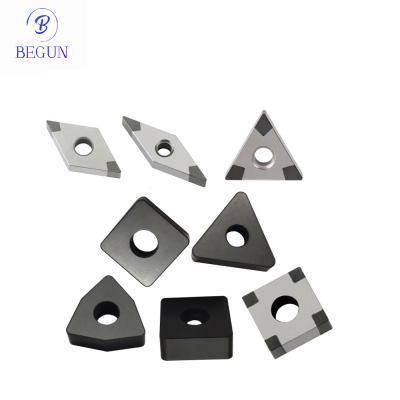
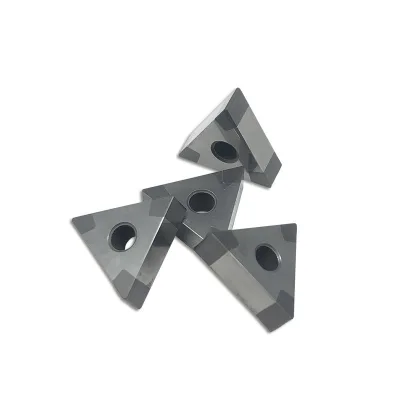
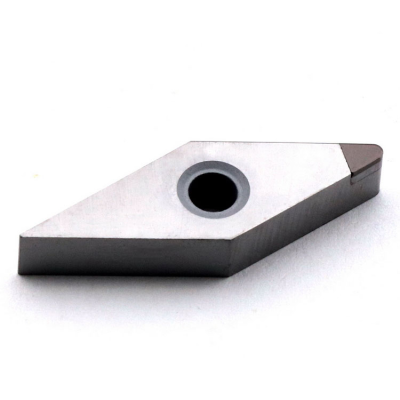
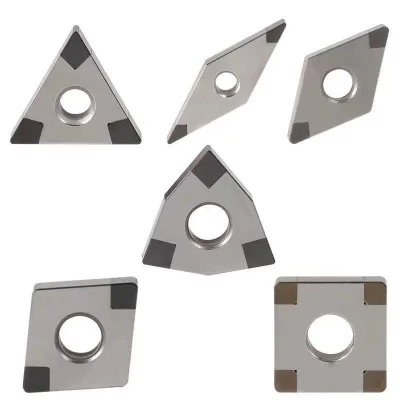
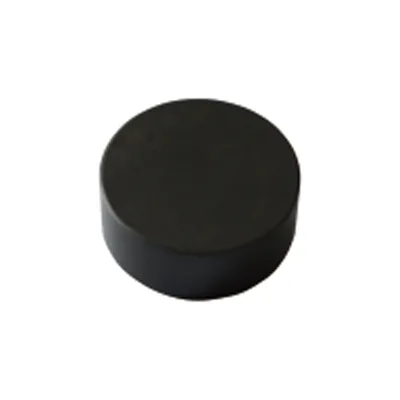


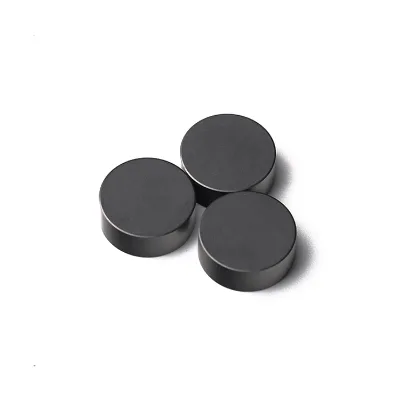
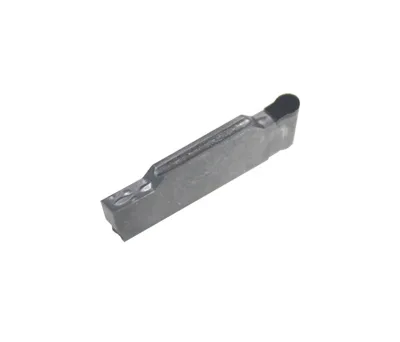
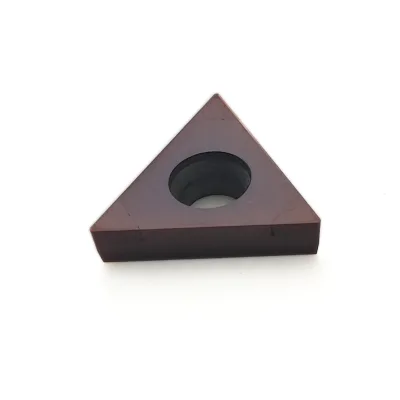
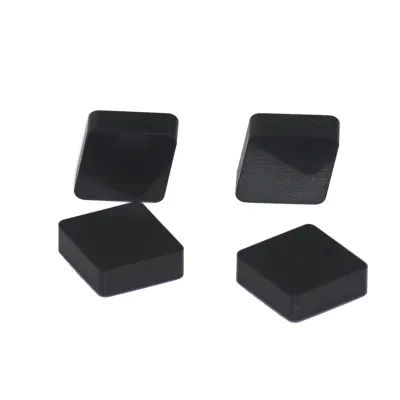


Tngx1604 of Dimpled CBN Insert for Replace Center Positioning Carbide Insert Tnga
$10.00 - $20.00
MOQ: 100 Pieces

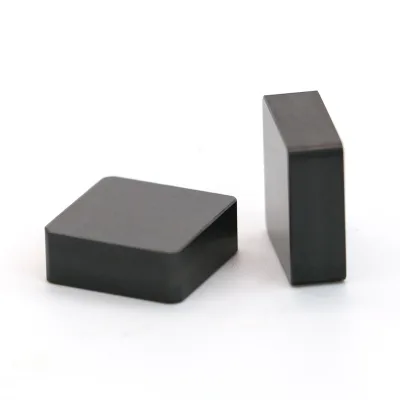
Cngx1204 for Dimpled CBN Insert Replace Center Positioning Carbide Insert Cnga1204
$10.00 - $20.00
MOQ: 100 Pieces

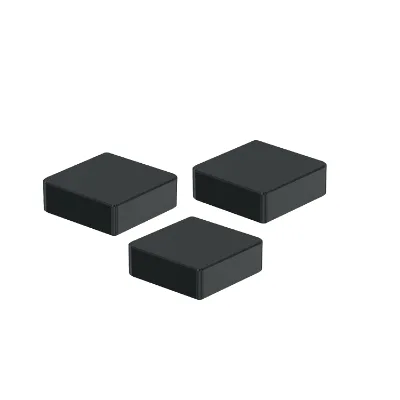
Sngx1204 of Dimpled CBN Insert for Replace Center Positioning Carbide Insert Snga1204
$10.00 - $20.00
MOQ: 100 Pieces


Comprehensive Sourcing Guide
Strategic Sourcing Guide for High Hardness CBN Inserts
Understanding the Technical Landscape of CBN Inserts
When sourcing high hardness CBN (Cubic Boron Nitride) inserts, buyers must first distinguish between the specific material compositions and the intended machining processes. The market offers a diverse array of product types, ranging from external turning tools to specialized milling inserts. The core material composition is a critical differentiator; while some listings specify CBN or PCBN (Polycrystalline Cubic Boron Nitride) as the primary cutting material, others may list the workpiece material as cemented carbide, indicating the insert is designed to machine such hard substrates.
The hardness of these inserts is a primary performance indicator. In the current market, observed hardness values for high-performance CBN inserts typically range from HRA 89 to HRA 93.5, with some specifications citing 92 HRC or a minimum of HV2000. These figures represent the material's ability to retain its edge when machining hardened steels, cast irons, and other difficult-to-cut alloys. It is essential for buyers to verify that the hardness rating corresponds to the specific grade of the insert, as a generic "high hardness" claim without a numerical standard is insufficient for rigorous procurement.
The application scope for these tools is equally varied. The process types generally encompass roughing, semi-finishing, and finishing operations. However, the specific geometry of the insert dictates its suitability. For instance, turning inserts with designations such as SNGN0904, SNGN1204, and SNGX1207 are optimized for external turning applications on steel, stainless steel, and cast iron. Conversely, milling inserts are designed for different kinematic loads. Buyers must align the insert type with their machine's capabilities and the specific workpiece material, ensuring that the tool is not being used outside its intended thermal and mechanical limits.
Decoding Product Specifications and Geometric Variations
The geometric configuration of a CBN insert is defined by its model number, which encodes the shape, clearance angle, tolerance, and cutting edge length. A comprehensive review of available products reveals a vast catalog of model numbers, including the SNGN series, CNGN series, SCGN, TNGN, WNGN, and DNGN variants. Each of these codes represents a specific geometry tailored for different machining scenarios. For example, the SNGN090408 and SNGN120412 designations suggest variations in size and edge strength suitable for different depths of cut.
Packaging and physical dimensions are often overlooked but are vital for logistics and inventory management. The single package size for these inserts can vary significantly depending on the supplier and the specific product line. Observations indicate that some products are packaged in compact units measuring 1x1x1 cm, while others, particularly those intended for larger industrial orders, may come in boxes measuring 25x25x6 cm or 14x4x2 cm. The gross weight per single package also fluctuates, with recorded values ranging from 0.030 kg to 0.300 kg. These variations impact shipping costs and storage requirements, making it necessary for procurement teams to calculate the total landed cost based on the specific packaging configuration.
Furthermore, the presence or absence of a coating is a critical specification detail. While some CBN inserts are supplied with a CBN coating to enhance wear resistance, other listings explicitly state "no coating." This distinction is important because the base material properties of CBN often provide sufficient hardness without additional coatings, but the specific grade and binder material used can influence performance. Buyers should verify whether the "no coating" designation implies a pure CBN grade or a specific manufacturing choice that affects the tool's thermal conductivity and chip evacuation.
Compliance, Certification, and Quality Assurance Protocols
In the industrial sector, compliance with international quality management standards is a non-negotiable prerequisite for high-performance cutting tools. The most prevalent certification observed in the CBN insert market is ISO9001. This certification indicates that the supplier has established a quality management system that meets international standards for consistency and reliability. When evaluating potential suppliers, buyers should request valid ISO9001 certificates and verify their scope to ensure it covers the manufacturing of cutting inserts.
Beyond general quality management, specific product warranties and guarantees are often part of the supplier's value proposition. A standard warranty period of one year is observed for certain high-grade CBN inserts, reflecting the manufacturer's confidence in the product's durability and performance. However, buyers must understand that warranties are typically conditional on proper usage, correct machine setup, and adherence to recommended cutting parameters. It is crucial to review the terms of the warranty to understand what constitutes a valid claim, particularly regarding premature failure due to improper application.
The manufacturing origin is another factor that influences compliance and quality perception. The supply chain for CBN inserts is global, with significant production hubs located in various regions of China, including Chongqing, Henan, Guangdong, and Hebei. While the location itself does not guarantee quality, it helps buyers understand the regional supply chain dynamics and potential logistics lead times. Suppliers from these regions often offer OEM (Original Equipment Manufacturer) and ODM (Original Design Manufacturer) support, allowing buyers to customize insert geometries or branding to fit specific production needs.
Cost Drivers and Economic Factors in Procurement
The pricing of High Hardness CBN Inserts is influenced by a complex interplay of material costs, manufacturing complexity, and order volume. The observed price range in the market spans from $0.69 to $58 per unit. This wide variance is not merely a reflection of brand premium but is driven by the specific grade of CBN, the geometric complexity of the insert, and the intended application. Inserts designed for finishing operations on hardened steels often command higher prices due to the precision required in their manufacturing and the superior material properties needed to maintain edge integrity.
Minimum Order Quantity (MOQ) is a significant economic factor that affects the total cost of ownership. Suppliers typically set MOQs ranging from 5 to 1000 pieces. For small-scale operations or prototyping, an MOQ of 5 to 10 pieces allows for flexibility, whereas large-scale production lines may benefit from bulk purchasing at the higher end of the MOQ range. The selling units are often listed as single items, but the actual packaging usually involves 10 pieces per plastic box, with 20 to 50 boxes per carton. Understanding these packaging configurations is essential for accurate cost modeling, as the cost per unit may decrease with larger bulk orders, but the upfront capital outlay increases.
Customization support is another cost driver. Suppliers offering OEM, ODM, and OBM (Original Brand Manufacturer) services may charge additional fees for tooling development and custom branding. While this adds to the initial cost, it can provide long-term value by ensuring that the inserts are perfectly matched to the buyer's specific machinery and production requirements, potentially reducing scrap rates and improving overall efficiency.
Supplier Evaluation and Operational Capabilities
Selecting the right supplier requires a thorough evaluation of their operational capabilities and product portfolio. The market features a variety of brand names, including BEGUN, SAISU, Amony, and NUORUITE, each offering different ranges of CBN and PCBN inserts. Buyers should not rely solely on brand recognition but should assess the supplier's ability to provide consistent quality across their product lines. The ability to support customized orders is a key indicator of a supplier's flexibility and technical expertise.
The advertised advantages of these products, such as "wear resistance," "long used tool-life," and "perfect cutting effect," should be treated as observations rather than guaranteed performance metrics. While these claims are common in product descriptions, the actual performance will depend on the specific cutting conditions, including speed, feed rate, and coolant application. Buyers should request technical data sheets and application guides that provide detailed cutting parameters for the specific insert grades they are considering.
Furthermore, the supplier's location and logistics capabilities are critical for maintaining a stable supply chain. With manufacturing hubs in Chongqing, Henan, Guangdong, and Hebei, buyers should consider the proximity of the supplier to their own facilities or major shipping ports. Efficient logistics can reduce lead times and mitigate the risk of supply disruptions. Additionally, the supplier's willingness to accept OEM and ODM requests indicates a level of collaboration that can be beneficial for long-term partnerships.
Quality Control and Long-Term Procurement Strategies
Implementing a robust quality control process is essential when integrating High Hardness CBN Inserts into production. Buyers should establish clear acceptance criteria based on hardness, geometry, and surface finish. The observed hardness values, such as HRA 89 to HRA 93.5, serve as a benchmark for quality verification. Regular sampling and testing of incoming inserts can help ensure that the supplier maintains consistent quality over time.
Long-term procurement strategies should focus on building relationships with suppliers who demonstrate reliability and technical support. The availability of a one-year warranty and the presence of ISO9001 certification are positive indicators of a supplier's commitment to quality. However, buyers should also consider the supplier's ability to provide technical assistance, such as troubleshooting machining issues or optimizing cutting parameters. This level of support can significantly enhance the efficiency of the machining process and reduce downtime.
Finally, buyers should remain vigilant about the evolving nature of the CBN insert market. As new grades and geometries are developed, staying informed about the latest advancements can provide a competitive advantage. By maintaining a strategic approach to sourcing, focusing on technical specifications, compliance, and supplier capabilities, buyers can ensure a steady supply of high-quality CBN inserts that meet their demanding production requirements.
FAQs
What hardness values do High Hardness CBN Inserts typically have?
Observed hardness values range from HRA 89 to HRA 93.5 or 92 HRC. Some specifications also cite a minimum of HV2000. These ratings indicate the material's ability to retain an edge when machining hardened steels and cast irons.
Which machining processes are supported by these inserts?
The inserts support roughing, semi-finishing, and finishing operations. Specific geometries like SNGN and CNGN series are optimized for external turning, while other types are designed for milling applications on various workpiece materials.
Can buyers find suppliers offering OEM customization for these tools?
Yes, many suppliers offer OEM, ODM, and OBM customized support. This allows buyers to tailor insert geometries or branding to fit specific production needs, though it may involve additional fees for tooling development.
What certifications are commonly available for these cutting tools?
ISO9001 is the most prevalent certification observed in the market. This indicates the supplier has established a quality management system meeting international standards for consistency and reliability in manufacturing cutting inserts.
How do packaging dimensions affect logistics for these inserts?
Single package sizes vary from 1x1x1 cm to 25x25x6 cm depending on the supplier. Gross weights range from 0.030 kg to 0.300 kg, impacting shipping costs and storage requirements for procurement teams.
What is the typical minimum order quantity for these inserts?
The minimum order quantity ranges from 5 to 1000 pieces. Some suppliers list an MOQ of 10 pieces, while others may require larger volumes for bulk purchasing to achieve better unit pricing.
Which workpiece materials are compatible with High Hardness CBN Inserts?
These inserts are designed for steel, stainless steel, cast iron, and cemented carbide. They are also suitable for nonferrous metals, wood, and reinforced plastics depending on the specific grade and geometry selected.
What warranty periods are offered for these high-performance tools?
A standard warranty period of one year is observed for certain high-grade inserts. This reflects manufacturer confidence but is typically conditional on proper usage, correct machine setup, and adherence to recommended cutting parameters.