Source High Grade Lab Diamond for Jewelry, Electronics, and Optics
Compare 30 listings for High Grade Lab Diamond from verified Chinese suppliers. Evaluate options based on clarity, size, and production method to find the best fit for jewelry, electronics, and optical applications; compare the available evidence and request quotations based on your requirements.
Key considerations
Products List
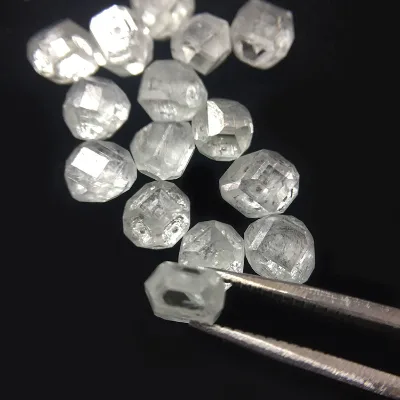


$400.00 - $3000.00
MOQ: 5 Pieces


Lab Grown Diamond From China Manufacturer with Wholesale Rough Diamond Price
$2.10 - $1888.00
MOQ: 1 Pieces


Comprehensive Sourcing Guide
High Grade Lab Diamond Sourcing Guide
Procuring high-grade laboratory-grown diamonds requires a disciplined approach to verifying technical attributes and commercial terms. Buyers must distinguish between marketing claims and verifiable specifications, particularly regarding clarity, color, and cut quality. The observed market data indicates a wide range of product configurations, from small industrial seeds to larger gemstone-grade stones. Understanding the specific production method, whether CVD or HPHT, is critical for matching the material to your intended application.
This guide outlines the essential verification steps for sourcing these materials. It focuses on the specific attributes observed in current listings, such as size ranges and packaging options. By aligning your procurement strategy with these technical realities, you can mitigate supply chain risks. The following sections detail how to evaluate product scope, technical specs, compliance, costs, and supplier qualifications. This structured approach ensures that your final purchase order reflects a thorough understanding of the material's properties and the supplier's capabilities.
Product Scope and Observed Listing Signals
The current market for high-grade lab diamonds presents a diverse array of product types, primarily categorized by their creation method. Listings frequently specify CVD or HPHT processes, each offering distinct advantages for different applications. CVD diamonds are often associated with specific optical or electronic uses, while HPHT stones may be targeted for jewelry or industrial abrasives. Buyers should note that product names often include specific quality descriptors, such as VVS clarity or E color, which serve as initial filters for suitability.
Observed listing signals indicate that size ranges vary significantly, with specifications spanning from 0.1mm to 14mm in various contexts. Some products are sold as single items, while others are packaged in bulk, such as two pieces per carat. Packaging details also vary, including plastic bags, OPP bags, or custom requests. These signals help buyers understand the logistical implications of their order. For instance, smaller stones may require different handling and storage solutions compared to larger, high-value gemstones.
Technical Specifications to Verify
When evaluating high-grade lab diamonds, buyers must prioritize the verification of the 4Cs: carat, cut, color, and clarity. The observed data highlights specific clarity grades, such as VS1 to VS2 and VVS1, which directly impact the stone's visual appeal and value. Color grades, particularly E for white diamonds, are also critical for jewelry applications. Buyers should request independent grading reports to confirm these attributes, as supplier-provided data may not always reflect the final product's quality.
Cut quality is another essential specification to verify, with "Good" and "Brilliant Cut" being common descriptors. The shape of the diamond, often round, affects its light performance and suitability for specific settings. Additionally, the hardness of the material, typically rated at 10 on the Mohs scale, ensures durability for industrial uses. Buyers should also confirm the exact dimensions, as size ranges like 1-8mm or 3-8mm are frequently cited. Verifying these technical details ensures that the diamonds meet the precise requirements of your project.
Compliance and Safety Documentation
Sourcing laboratory-grown diamonds requires attention to compliance documentation, particularly regarding the origin and manufacturing process. While specific international standards are not always explicitly listed in product descriptions, buyers should request certificates of origin and material safety data sheets. These documents confirm that the diamonds are synthetic and not natural, which is crucial for legal and ethical procurement. The place of origin, often noted as China or specific regions like Hunan, should be verified to ensure supply chain transparency.
Safety documentation is also important, especially for industrial applications where diamonds are used in optical or electronic components. Buyers should inquire about any relevant safety standards or handling guidelines provided by the supplier. This includes information on storage conditions and potential hazards associated with the material. Ensuring that all necessary documentation is available helps mitigate legal risks and ensures that the product meets regulatory requirements in your target market.
Cost Drivers and Commercial Terms
The cost of high-grade lab diamonds is influenced by several key factors, including size, quality, and quantity. Observed price ranges in the market are broad, reflecting the variability in product specifications. Smaller stones, such as those in the 0.03ct range, are typically less expensive than larger, higher-quality gemstones. Buyers should request detailed quotes that break down costs based on these variables. Understanding the cost drivers helps in negotiating better terms and managing budget constraints effectively.
Commercial terms, such as minimum order quantities (MOQ) and payment methods, also play a significant role in procurement. MOQs can vary widely, from single items to thousands of units, depending on the supplier and product type. Buyers should clarify these terms early in the negotiation process to avoid misunderstandings. Additionally, payment terms, such as advance payments or letter of credit, should be discussed to ensure financial security. Clear commercial terms facilitate smoother transactions and build trust between buyer and supplier.
Supplier Qualification and Quality Control
Qualifying suppliers for high-grade lab diamonds involves assessing their production capabilities and quality control processes. Buyers should verify the supplier's supply ability, such as the capacity to produce 5000 carats per month, to ensure they can meet your volume requirements. This assessment helps in determining the supplier's reliability and scalability. Additionally, reviewing the supplier's track record and customer feedback can provide insights into their consistency and service quality.
Quality control is a critical aspect of supplier qualification. Buyers should inquire about the testing methods used to verify diamond attributes, such as clarity and color. Independent third-party inspections can provide an additional layer of assurance. Suppliers who offer customization options, such as specific packaging or labeling, may be better suited for buyers with unique requirements. Establishing a robust quality control framework ensures that the diamonds received meet the specified standards and expectations.
Long-Term Procurement Checks
Establishing long-term procurement relationships with lab diamond suppliers requires ongoing monitoring and evaluation. Buyers should regularly review the supplier's performance metrics, including delivery times, quality consistency, and responsiveness to issues. This continuous assessment helps in identifying potential risks and areas for improvement. Building a strong relationship with the supplier can lead to better pricing, priority service, and collaborative problem-solving.
Additionally, buyers should stay informed about market trends and technological advancements in lab diamond production. Changes in manufacturing techniques or market demand can impact pricing and availability. Regularly updating your procurement strategy based on these insights ensures that you remain competitive and cost-effective. By maintaining a proactive approach to long-term procurement, you can secure a reliable supply of high-grade lab diamonds for your business needs.
FAQs
What is the clarity range for these lab diamonds?
The clarity ranges from VS1 to VS2 according to product observations. Some listings also mention VVS1 quality for specific items. This variation depends on the specific batch and supplier selection available in the current market inventory.
Which origin location supplies these synthetic diamonds?
These diamonds originate from Hunan, China, with dispatch ports in Changsha. The production facilities are located within this region, ensuring consistent supply chains for international buyers seeking high-grade synthetic stones from verified Chinese sources.
Can I customize the packaging for bulk orders?
Yes, customization is available for packaging requirements. Options include plastic bags, OPP bags, plastic bottles, or three-layer transparent plastic. Buyers can also request specific carton configurations to meet their logistical needs and branding standards.
What is the minimum order quantity for these stones?
The minimum order quantity ranges from 1 to 2000 units depending on the supplier. This flexibility allows buyers to test small batches or place large orders while maintaining cost efficiency for various project scales and inventory requirements.
How is the hardness of these lab diamonds measured?
These diamonds exhibit a hardness rating of 10 on the Mohs scale. This high hardness ensures durability for industrial applications like optical and electronic uses, as well as jewelry settings requiring long-term wear resistance and structural integrity.
What size options are available for these diamonds?
Available sizes range from 1mm to 14mm across different product listings. Specific models offer sizes between 1-8mm or 0.1-7mm. Buyers should verify the exact size range required for their specific application before placing an order.
Which process is used to create these synthetic diamonds?
The diamonds are created using both HPHT and CVD processes. This dual-method production ensures high thermal stability and high hardness. The specific process used may vary by batch, offering versatility for different industrial and commercial applications.