Source High Input Output Isolation Photocoupler for Power Supply, Industrial Control, and Medical Devices
Find 30 verified High Input Output Isolation Photocoupler options from global suppliers. Compare specifications, pricing, and lead times for models like LTV-217 and TLP2168 to ensure reliable signal isolation in your electronic designs.
Key considerations
Products List


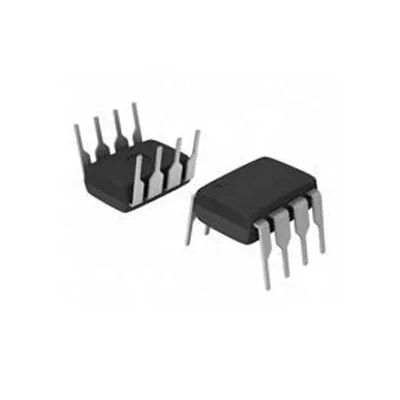
HCNR201-500E Analog Optocoupler High Linearity Optocouplers 1 Ch 60mW 25mA
$1.55 - $200.00
MOQ: 500 Pieces


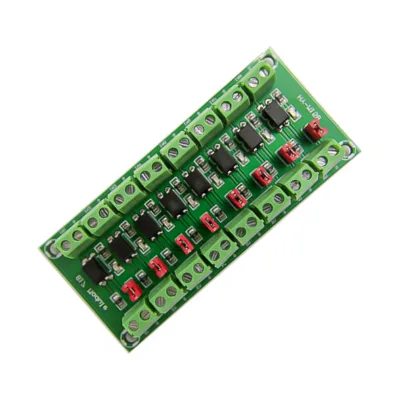
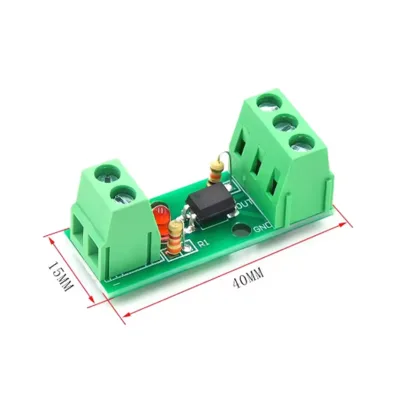

Medical Equipment High Voltage Isolation Safety Grid Isolation Amplifier
$57.00 - $59.00
MOQ: 1 Pieces


Photoelectric Isolation 0-75mv/0-2.5V/0-5V/0-10V/ 0-10mA/4-20mA Transmitter
$19.00 - $20.00
MOQ: 1 Pieces


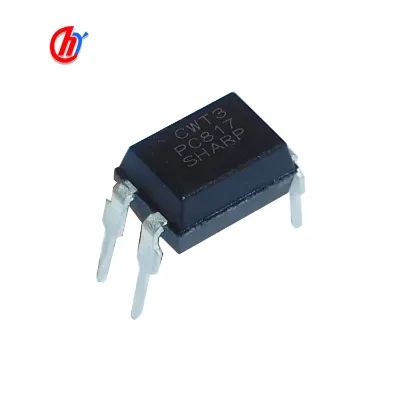


Professional Fiber Optic Coupler for Sensor Systems and Instrumentation
$0.80 - $1.00
MOQ: 1000 Pieces


Comprehensive Sourcing Guide
Strategic Sourcing Guide for High Input Output Isolation Photocouplers
Procuring high input-output isolation photocouplers requires a disciplined approach that balances technical performance with supply chain reliability. These semiconductor components are critical for maintaining electrical safety and signal integrity in environments where high voltages must be isolated from low-voltage control circuits. The market offers a diverse array of options, ranging from general-purpose optocouplers to specialized integrated circuits designed for specific industrial and automotive applications. Buyers must navigate a complex landscape of manufacturers, packaging formats, and technical specifications to ensure the selected components meet rigorous operational standards. This guide outlines the essential factors for evaluating and sourcing these devices effectively, relying on verified product attributes and established industry practices.
Technical Specifications and Integration Levels
The technical selection of a photocoupler begins with understanding the integration level and conductive type. In the current market, high-performance isolation devices often utilize Bipolar Integrated Circuit technology, which offers robust switching capabilities and reliable signal transmission. Integration levels such as MSI (Medium Scale Integration) are common in advanced models, allowing for complex functions within a single package. Buyers should verify the specific "Technics" employed, as some devices are classified as Semiconductor ICs while others may utilize Thick Film IC technology depending on the application's power requirements.
Packaging is a decisive factor in both physical integration and thermal management. The market features a wide variety of form factors, including SOP4, SO8, SOP8, SOP16, SO5, SO-5, and DIP configurations. For high-density designs, compact shapes like Flat or specific dimensions such as 6.355.081.17mm are preferred. Conversely, applications requiring manual handling or legacy board compatibility may necessitate DIP packages. The shape and physical dimensions must align precisely with the PCB layout and the thermal dissipation requirements of the system. Additionally, the operating temperature range is a critical specification; verified data indicates a standard range of -45°C to +85°C for many industrial-grade components, ensuring stability in harsh environments.
Performance Metrics and Electrical Characteristics
When evaluating high isolation photocoplers, buyers must scrutinize specific electrical performance metrics. Isolation capability is paramount, with maximum isolation values often cited in the range of -28 to -31 dB for certain high-performance models. This metric ensures that the device can effectively block high-voltage transients from reaching the sensitive control side. Similarly, insertion loss and return loss are vital for signal integrity. Observed specifications include insertion loss maximums of 0.20 to 0.25 dB and return loss maximums between -23 and -28 dB, indicating efficient signal transmission with minimal reflection.
Amplitude balance and phase balance are also significant for applications requiring precise signal matching. Data suggests amplitude balance maximums of ±0.3 dB and ±0.25 dB, while phase balance is typically maintained around -90 degrees with tolerances of ±2.5 or ±1.5 degrees. Frequency response is another key area; some advanced units support frequency bands such as 900-1800 MHz and 1100-1600 MHz, making them suitable for high-speed communication or RF applications. Power capacity is another consideration, with average power ratings observed at 150 Watts for specific high-power variants. Buyers should ensure that the selected component's frequency, isolation, and power ratings align with the specific demands of their circuit design.
Compliance, Standards, and Certification Verification
Navigating the compliance landscape for electronic components requires careful verification of standards and certifications. While some background references mention standards such as ISO7741 or UL 1577, buyers must treat these as general industry benchmarks rather than guaranteed attributes of every listed product. The actual compliance status must be confirmed through direct communication with the supplier or by reviewing the specific datasheet for the exact model number. For instance, the material composition of the component, described in some contexts as "iron and plastic," must be verified against environmental regulations like RoHS or REACH, which are standard in modern procurement.
Certification checks should extend beyond the component itself to the manufacturing process. The "Quality" attribute often cited as "Genuine New Original" is a claim that requires validation. Buyers should request certificates of authenticity and traceability documentation. It is crucial to distinguish between marketing claims and verified compliance. If a supplier claims adherence to a specific standard, the buyer must request the official certification document. Without this verification, relying on unconfirmed standards can lead to regulatory non-compliance and potential product recalls. The "Standard Packing" or "Box" packaging mentioned in product listings also implies a level of handling and storage protocol that should be verified to ensure the components arrive in optimal condition.
Cost Drivers and Pricing Dynamics
The pricing of high isolation photocouplers is influenced by several dynamic factors, including the complexity of the integrated circuit, the packaging type, and the volume of the order. The observed market price range is extensive, spanning from $0.01 to $40,000, reflecting the diversity from basic discrete components to complex, high-volume industrial systems. This wide variance underscores the importance of defining precise requirements before engaging with suppliers. A basic SOP4 package with standard isolation may fall at the lower end of the spectrum, while a custom-configured, high-frequency, or high-power unit with specialized packaging will command a premium.
Minimum Order Quantity (MOQ) is another significant cost driver. The observed MOQ range in the market is from 1 to 3000 units. For prototyping or low-volume production, suppliers offering an MOQ of 1 are essential, though the unit cost may be higher. Conversely, high-volume procurement can leverage economies of scale, but requires a commitment to larger quantities. Buyers should also consider the "Customization" availability. Customized components often incur additional setup costs and longer lead times, which can impact the overall budget. Understanding the relationship between the model number, such as the LTV-217-B-G or TLP2168, and its associated pricing tier is vital for accurate budget forecasting.
Supplier Evaluation and Quality Assurance
Evaluating suppliers for electronic components requires a focus on authenticity and supply chain transparency. The market includes major manufacturers such as LITEON, TOSHIBA, and AVAGO, each with distinct product lines and quality reputations. However, the presence of a brand name does not guarantee the authenticity of the specific lot being sold. Buyers must verify the "MFG." (Manufacturer) field against the physical markings on the component. Discrepancies between the listed manufacturer and the actual product can indicate counterfeit goods. The "Condition" is often listed as "Original" or "100% NEW," but these claims must be substantiated by the supplier's quality control processes.
Quality assurance protocols should include checks for the "D/C" (Date Code), which indicates the manufacturing date. A D/C of "22+" suggests recent production, which is generally preferable for ensuring component longevity and availability of spare parts. The "prod_packing" method, whether "Box," "Tube," or "Standard Packing," also plays a role in quality assurance. Proper packaging protects the components from static discharge and physical damage during transit. Buyers should request a quality inspection report or a mill test certificate to verify that the components meet the specified "Functional Application" criteria, such as "electronic" use in industrial or consumer settings.
Typical Applications and Long-Term Procurement Strategy
High input-output isolation photocouplers are ubiquitous in applications requiring electrical safety and signal isolation. Common uses include power supply feedback loops, industrial motor control, medical equipment, and telecommunications infrastructure. The specific model, such as the EL817 or HCNR201-500E, often dictates the suitability for these applications. For example, devices with high isolation ratings are preferred in medical devices where patient safety is critical, while high-frequency units are essential for modern communication systems. The "Place of Origin" and "Product Origin" are also relevant, with "China" and "Original" being common designations that buyers should verify for consistency with their sourcing policies.
Long-term procurement strategies should focus on building relationships with reliable suppliers who can guarantee consistent quality and availability. The "Shipping ways," such as "Express," can impact the speed of delivery but may increase costs. Buyers should plan for lead times that accommodate potential supply chain disruptions. Given the wide range of MOQs, a hybrid strategy of maintaining a small buffer stock of critical components while leveraging just-in-time ordering for others can optimize inventory costs. Furthermore, keeping abreast of technological advancements, such as new integration levels or improved isolation metrics, will ensure that the procurement strategy remains competitive and aligned with evolving industry standards.
Summary of Key Product Attributes for Comparison
To facilitate decision-making, the following table summarizes key attributes observed in the market for high isolation photocouplers. This comparison highlights the diversity in packaging, manufacturers, and specifications that buyers must navigate.
| Attribute Category | Observed Variations | Key Considerations for Buyers |
|---|---|---|
| Manufacturer | LITEON, TOSHIBA, AVAGO | Verify authenticity and traceability of the specific lot. |
| Package Type | SOP4, SO8, SOP8, SOP16, SO5, DIP | Match physical dimensions to PCB layout and thermal needs. |
| Integration | MSI, Bipolar Integrated Circuit | Ensure the integration level meets circuit complexity requirements. |
| Isolation Max | -28 dB to -31 dB | Critical for safety in high-voltage environments. |
| Frequency Range | 900-1800 MHz, 1100-1600 MHz | Select based on signal speed and communication needs. |
| Operating Temp | -45°C to +85°C | Verify suitability for the intended environmental conditions. |
| Condition | Genuine New Original, 100% NEW | Require documentation to confirm authenticity. |
| MOQ | 1 to 3000 units | Align order quantity with production volume and budget. |
By adhering to these guidelines and rigorously verifying the provided facts against actual product samples, buyers can secure high-quality isolation photocouplers that ensure the safety and reliability of their electronic systems. The procurement process is not merely about purchasing a component but about establishing a foundation of trust and technical certainty in the supply chain.
FAQs
Which manufacturers supply high input output isolation photocouplers?
Major manufacturers include LITEON, TOSHIBA, and AVAGO. Buyers must verify the specific manufacturer against physical component markings to ensure authenticity and avoid counterfeit goods.
What package types are available for these components?
Available packages include SOP4, SO8, SOP8, SOP16, SO5, and DIP. The selection depends on PCB layout requirements and thermal management needs for the specific application.
How does the operating temperature range affect performance?
Verified components typically operate between -45°C and +85°C. This range ensures stability in harsh industrial environments and is critical for maintaining signal integrity.
Can I find customized high input output isolation photocouplers?
Customization is available for specific requirements. However, customized orders often incur additional setup costs and may require longer lead times compared to standard models.
What is the typical minimum order quantity for these parts?
The observed minimum order quantity ranges from 1 to 3000 units. Low-volume prototyping can start with one unit, while bulk production benefits from larger quantities.
How can I verify the authenticity of these integrated circuits?
Verify authenticity by checking the Date Code, such as 22+, and requesting certificates of authenticity. The condition should be confirmed as Genuine New Original through supplier documentation.