Source High Pressure Axial Piston Pump for ships, engineering, and drilling
Compare 30 listings for High Pressure Axial Piston Pump units from Chinese manufacturers. Buyers can evaluate specifications like flow rate, pressure ratings, and power sources to find suitable options for ships, engineering machinery, and drilling fluid applications.
Key considerations
Products List

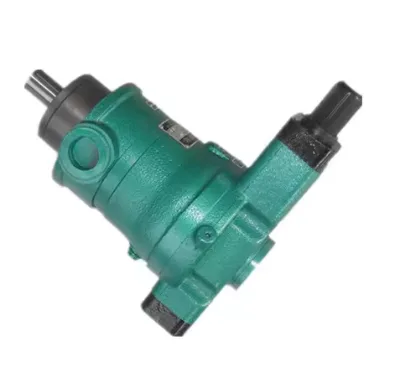


$10000.00 - $40000.00
MOQ: 1 Sets

$10000.00 - $40000.00
MOQ: 1 Sets


High Pressure Axial Variable Piston Pump Pvp16362r212 Pvp1620b7l2 Hydraulic Pump
$571.00 - $743.00
MOQ: 1 Pieces


$3600.00 - $6000.00
MOQ: 2 Pieces

$3600.00 - $6000.00
MOQ: 2 Pieces

Comprehensive Sourcing Guide
Strategic Sourcing Guide for High-Pressure Axial Piston Pumps
Understanding Technical Specifications and Variability
When sourcing a high-pressure axial piston pump, buyers must first navigate the complex landscape of technical specifications, as the term encompasses a wide range of machine configurations. The core functionality relies on the axial arrangement of pistons within a cylinder block, driven by a swashplate mechanism to convert rotary motion into reciprocating fluid flow. In the current market, observed data indicates significant variation in operating parameters. For instance, specific models are engineered with a maximum pressure rating of 350 bar, while other configurations in the same category are rated for 40 MPa or even 31.5 MPa. These discrepancies highlight the necessity for precise definition of requirements before initiating a procurement cycle.
The flow rate is another critical variable that defines the pump's capacity. Market observations show units with flow rates as low as 25 cc/r, while others are designed for much higher throughput, such as 200 L/Min. The power source driving these pumps also varies, with options including hydraulic, electric motor, and engine-driven systems. This flexibility allows for integration into diverse machinery, from ships to engineering equipment. The structural design further differentiates products; some are classified as radial plunger pumps with axial flow characteristics, while others are explicitly defined as axial plunger pumps with a single cylinder configuration. The shaft position is equally important, with available options ranging from vertical to horizontal orientations. Buyers must verify the specific model number, such as BW200 or 25MCY14 1B, to ensure the component matches the hydraulic circuit's demands.
Compliance, Certification, and Standard Verification
Ensuring that a high-pressure axial piston pump meets international safety and quality standards is a non-negotiable step in the procurement process. The primary certification observed in the current market landscape is ISO 9001:CE. This combination suggests that the manufacturing facility adheres to quality management system requirements while also meeting specific European conformity standards for safety and health. However, buyers should treat these certifications as observations of specific listings rather than universal guarantees for every product in the category. It is essential to request valid, up-to-date certification documents directly from the supplier to confirm that the specific batch or model being purchased is covered under the ISO 9001 and CE frameworks.
Beyond general certifications, product standards provide a technical baseline for performance. Some listings reference specific standard codes, such as "A10V" or "200L/Min" as a standard designation, which may indicate compliance with specific industry norms or internal manufacturer benchmarks. The "A10V" designation, for example, often relates to a specific series of variable displacement pumps, implying a certain level of interchangeability and performance characteristic. Buyers must verify if the supplier's product standard aligns with the operational requirements of their machinery. Additionally, the warranty period is a critical compliance metric; a standard offering of one year is observed, but this should be clearly defined in the contract regarding what is covered, such as manufacturing defects versus wear and tear.
Cost Drivers and Pricing Dynamics
The pricing of high-pressure axial piston pumps is influenced by a multitude of factors, resulting in a wide observed range from 10 to 40,000 USD. This vast disparity is not merely a reflection of brand value but is driven by the technical complexity, material composition, and customization level of the unit. The material used for the pump body, such as cast steel, significantly impacts the cost, as does the precision required for the internal piston and cylinder assembly. Customization is a major cost driver; products with available customization options, including OEM support, typically command a higher price point than standard off-the-shelf units.
The power source and drive mode also contribute to the final cost. A pump driven by a hydraulic system or an electric motor with a voltage of 380V may have different cost structures compared to an engine-driven unit. Furthermore, the maximum head capability, observed up to 3150m in some specifications, and the maximum speed of 3900rpm, are engineering feats that require higher-grade materials and tighter tolerances, thereby increasing the unit price. Buyers should analyze the total cost of ownership rather than just the initial purchase price. Factors such as the weight of the unit, which can range from 15 kg to 480 kg, affect shipping costs and installation requirements, adding hidden costs to the procurement budget. The packing method, whether in wooden boxes, plywood boxes, or cartons, also influences logistics expenses.
Typical Applications and Operational Context
High-pressure axial piston pumps are versatile components designed for demanding industrial environments. The observed applications for these pumps include ships machinery and engineering machinery, indicating their suitability for heavy-duty, continuous operation scenarios. In ship applications, the reliability of the pump is paramount, as hydraulic systems are often used for steering, winches, and cargo handling. The ability to operate at high pressures, such as 40 MPa or 350 bar, makes these pumps ideal for hydraulic systems requiring significant force generation.
The operational context also varies based on the pump's specific configuration. For instance, pumps with an open circuit form are typically used in systems where the fluid returns to the tank after passing through the actuator, common in many mobile hydraulic applications. In contrast, the drive mode, described as a hydraulic driven reciprocating pump, suggests specific integration requirements within a larger hydraulic power unit. The outlet size, observed at 25mm, dictates the piping and hose requirements for the system. Buyers must ensure that the pump's flow rate and pressure capabilities match the load requirements of the specific application. Whether the application involves drilling fluid shale shakers or general machinery, the pump must be capable of sustaining the required pressure and flow without overheating or failing.
Supplier Evaluation and Origin Considerations
Evaluating suppliers for high-pressure axial piston pumps requires a rigorous assessment of their capabilities and geographical context. The majority of observed products originate from China, with specific regions like Hebei identified as places of origin. While this indicates a concentration of manufacturing hubs, buyers must verify the specific capabilities of the supplier beyond the general location. The presence of OEM support and customization availability suggests that the supplier has the engineering capacity to tailor products to specific client needs. However, the variation in product attributes, such as the difference between a vertical and horizontal pump shaft position, indicates that suppliers may offer a broad catalog rather than specialized expertise in a single niche.
Buyers should prioritize suppliers who provide transparent information regarding their production standards and quality control processes. The observation of specific model numbers like A10VSO28DR/31 and 25MCY14 1B suggests that suppliers are listing specific, identifiable products rather than generic descriptions. This specificity is a positive indicator of a mature supply chain. Additionally, the availability of ports such as Ningbo and Shanghai for shipping is a logistical advantage, facilitating easier export and import processes. Buyers should verify the supplier's ability to meet the specific certification requirements, such as ISO 9001:CE, and ensure that the warranty terms are enforceable and clear.
Quality Control and Long-Term Procurement Considerations
Implementing a robust quality control strategy is essential when sourcing high-pressure axial piston pumps. Given the high-pressure nature of these components, any manufacturing defect can lead to catastrophic system failure. Buyers should request detailed test results and performance data before finalizing a purchase. While specific test data is not universally provided in the initial listings, the presence of a one-year warranty implies a baseline expectation of reliability. The structure of the pump, whether it is a piston pump or a radial plunger pump, dictates the specific inspection criteria. For example, the straight shaft swashplate piston type requires precise alignment checks to ensure smooth operation and longevity.
Long-term procurement considerations extend beyond the initial purchase. The availability of spare parts and the supplier's support infrastructure are critical for maintaining operational continuity. The observation of single package sizes, such as 20x20x30 cm, and single gross weights of 15.000 kg, helps in planning logistics and storage. However, for larger units weighing up to 480 kg, specialized handling equipment may be required. Buyers should also consider the customization support offered by the supplier, as this can be vital for adapting the pump to evolving operational needs. The form of the pump, such as the open circuit, should be compatible with the long-term maintenance schedule of the machinery. By focusing on suppliers with a proven track record of quality and support, buyers can mitigate the risks associated with high-pressure hydraulic systems and ensure a stable supply chain for their operations.
Comparative Analysis of Key Product Attributes
To facilitate informed decision-making, it is helpful to compare the key attributes of the available high-pressure axial piston pumps. The following table summarizes the observed variations in critical specifications, highlighting the diversity within the market.
| Attribute | Observed Range/Values | Implication for Buyer |
|---|---|---|
| Maximum Pressure | 31.5 MPa to 40 MPa (350 bar) | Must match system pressure requirements; higher pressure often implies higher cost. |
| Flow Rate | 25 cc/r to 200 L/Min | Determines the speed of actuator movement; critical for cycle time efficiency. |
| Power Source | Hydraulic, Electric Motor, Engine | Affects integration complexity and energy consumption profile. |
| Pump Structure | Axial Plunger, Radial Plunger, Piston | Dictates the internal mechanism and maintenance requirements. |
| Shaft Position | Vertical, Horizontal | Influences installation orientation and space requirements. |
| Material | Cast Steel | Indicates durability and resistance to wear and corrosion. |
| Warranty | 1 Year | Standard coverage; verify scope and exclusions carefully. |
| Origin | China (Hebei) | Common manufacturing hub; verify specific factory certifications. |
| Customization | Available (OEM) | Allows for tailored solutions but may increase lead time and cost. |
| Packing | Wooden Box, Plywood, Carton | Affects shipping costs and protection during transit. |
This comparison underscores the importance of defining precise technical requirements before engaging with suppliers. The wide range of values for pressure and flow rate means that a "one-size-fits-all" approach is ineffective. Buyers must align their specific application needs with the capabilities of the available models, ensuring that the selected pump operates within its optimal parameters to maximize efficiency and lifespan. By carefully evaluating these attributes, procurement professionals can select the most suitable high-pressure axial piston pump for their specific industrial needs.
FAQs
What certifications do high pressure axial piston pumps typically have?
High pressure axial piston pumps typically hold ISO 9001 and CE certifications. These indicate adherence to quality management systems and European safety standards, though buyers should verify specific batch documentation directly from the supplier.
Can I get a customized High Pressure Axial Piston Pump?
Yes, customization is available for high pressure axial piston pumps with OEM support. Buyers can request tailored specifications, but this may affect lead times and unit pricing compared to standard off-the-shelf models.
Which material is used for High Pressure Axial Piston Pump bodies?
Cast steel is the standard material used for High Pressure Axial Piston Pump bodies. This material ensures durability and resistance to wear, which is critical for maintaining performance under high operating pressures.
What is the maximum pressure rating for these pumps?
Maximum pressure ratings vary, with observed values reaching up to 40 MPa or 350 bar. Buyers must select a unit that matches their specific hydraulic system requirements to ensure safe and efficient operation.
How long is the warranty period for high pressure axial piston pumps?
A standard warranty period of one year is commonly offered for high pressure axial piston pumps. This coverage typically applies to manufacturing defects, but specific terms regarding wear and tear should be confirmed in the contract.
What power sources drive these high pressure axial piston pumps?
These pumps can be driven by hydraulic systems, electric motors, or engines. The choice of power source depends on the application, with electric options often operating at 380V for industrial machinery integration.
Where are high pressure axial piston pumps manufactured?
Most high pressure axial piston pumps originate from China, specifically regions like Hebei. Buyers should verify the specific factory capabilities and shipping ports, such as Ningbo or Shanghai, for logistics planning.