Source High Pressure Bicycle Hand Pump for Road, Mountain, and Kids Bikes
Find 30 verified listings for a High Pressure Bicycle Hand Pump suitable for road, mountain, and ordinary bikes. Buyers can compare models with or without gauges, various valve adapters, and steel construction from Chinese manufacturers; compare the available evidence and request quotations based on your requirements.
Key considerations
Products List
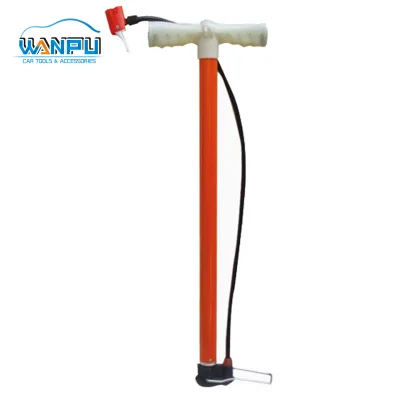
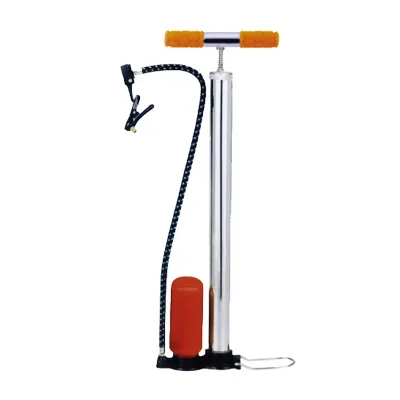


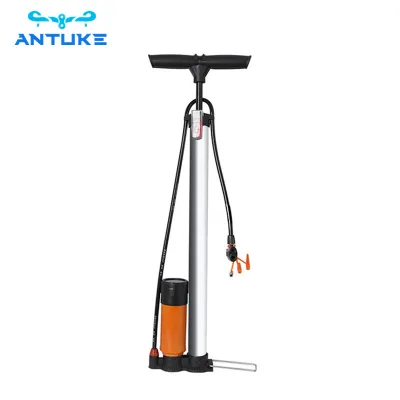
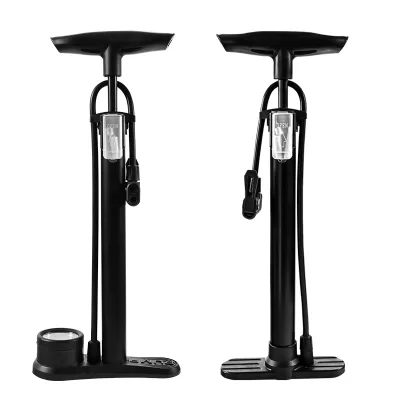


Comprehensive Sourcing Guide
High Pressure Bicycle Hand Pump Sourcing Guide
Sourcing high-pressure bicycle hand pumps requires a clear understanding of the diverse product landscape available from manufacturers, particularly those concentrated in major industrial hubs like Xingtai in Hebei Province and Linyi in Shandong Province, China. Buyers must navigate a wide array of options that range from basic mini pumps to more robust, customized solutions designed for specific cycling disciplines. The observed market signals indicate a strong presence of products labeled as "High Pressure" with air pressure ratings typically spanning from 100 to 150 psi, which is sufficient for most standard road and mountain bike tires. However, the sheer variety of models, such as the HC-PU-010, HC-PU-008, and HC-PJ-122, suggests that buyers need to carefully match pump specifications to their intended use cases, whether for home maintenance, professional racing, or general commuting.
The procurement process is further complicated by the varying degrees of customization and standardization offered by suppliers. While some listings highlight "Customized" features like logo printing and specific color options including red, yellow, blue, and green, others offer non-customized, standard black or multi-color units. This dichotomy means that buyers must clearly define their requirements early in the sourcing process to avoid miscommunication. For instance, a buyer seeking branded promotional items will need to engage with suppliers who explicitly state customization availability, whereas those looking for immediate stock may prefer standard models with fixed specifications. Understanding these distinctions is crucial for aligning supplier capabilities with business objectives, ensuring that the final product meets both functional and branding needs without unnecessary delays or costs.
Product Scope and Observed Listing Signals
The product scope for high-pressure bicycle hand pumps encompasses a variety of types, including mini pumps, floor pumps, and specialized adapters, catering to different bicycle categories such as road bikes, mountain bikes, ordinary bicycles, and kids' bikes. Observed listing signals reveal that many suppliers offer products with specific dimensions, such as 35cm mini pumps or larger 60cm models, indicating a range of portability and leverage options. The presence of features like "High-Pressure Durable Hose" and "Valve Adapter Nozzle" suggests that modern pumps are designed to accommodate both Schrader and Presta valves, a critical feature for compatibility with the diverse tire valve systems found in the global cycling market. This versatility is a key selling point for buyers who need a single pump solution for mixed fleets of bicycles.
Furthermore, the observed data highlights significant variation in packaging and unit configurations, which directly impacts logistics and inventory management. Some suppliers pack items individually in bags, while others offer bulk carton packaging with quantities like 10 pieces or 100 pieces per carton. This variability requires buyers to carefully calculate their shipping volume and storage requirements based on the specific packaging format chosen. Additionally, the mention of "OEM" flow rates and "New" condition attributes indicates that most suppliers are focused on manufacturing new, original equipment style products rather than refurbished units. Buyers should pay close attention to these packaging details to ensure that the procurement strategy aligns with their distribution channels, whether they are selling directly to consumers or supplying retailers who require specific packaging standards.
Technical Specifications to Verify
When evaluating technical specifications, buyers must prioritize the verification of pressure ratings and valve compatibility to ensure the pump meets the performance demands of their target market. The observed air pressure range of 100-150 psi is a common benchmark, but buyers should confirm whether the pump can consistently maintain this pressure under load, especially for high-pressure road bike tires. Additionally, the inclusion of gauge options, with some models featuring a 60mm diameter gauge and others being gauge-free, presents a trade-off between precision and simplicity. Buyers should assess whether their customers prefer the visual feedback of a gauge or the lightweight, minimalist design of gauge-free pumps, as this decision can significantly influence product selection and customer satisfaction.
Material quality and construction standards are equally critical factors that require thorough verification. The supplied facts indicate that many pumps are constructed from steel, which offers durability but may add weight compared to aluminum or carbon fiber alternatives. Buyers should inquire about the specific grade of steel used and the quality of the hose connections, as these components are prone to failure under high pressure. Furthermore, the standard dimensions listed, such as 35mmx600mm or 38x500, should be cross-referenced with the actual product dimensions to ensure they fit within the intended storage spaces, such as bicycle frames or backpacks. Verifying these technical details through sample testing or detailed product datasheets is essential to prevent returns and ensure long-term reliability.
Compliance and Safety Documentation
Compliance and safety documentation are foundational elements that buyers must secure to ensure their products meet international market requirements. The observed certifications, including CE and ISO, suggest that suppliers are adhering to certain European and international quality standards, but buyers should request valid certificates to verify their authenticity and scope. It is crucial to confirm that the CE marking applies specifically to the pump model being purchased and that it covers the relevant safety directives for mechanical equipment. Additionally, while ISO certification is mentioned, buyers should clarify whether it refers to ISO 9001 for quality management systems or other specific standards, as this distinction impacts the reliability of the supplier's production processes and quality control measures.
Beyond certifications, buyers should also consider the safety implications of high-pressure operation, particularly regarding hose integrity and valve seal durability. Suppliers should provide documentation that demonstrates the pump has undergone pressure testing to ensure it can safely handle the stated maximum pressure without risk of bursting or leaking. This is especially important for pumps marketed for high-pressure applications, where failure could result in injury or damage to the bicycle tire. Buyers should also inquire about any additional safety features, such as pressure relief valves or reinforced hose couplings, and request test reports or compliance statements that validate these features. Ensuring that all safety documentation is complete and up-to-date is essential for mitigating liability and maintaining brand reputation in competitive markets.
Cost Drivers and Commercial Terms
Cost drivers for high-pressure bicycle hand pumps are influenced by several factors, including material selection, customization options, and order volume. The use of steel as a primary material, while durable, may result in higher costs compared to lighter alloys, but it also offers a competitive price point for bulk orders. Customization, such as logo printing and specific color choices, adds to the unit cost and may require higher minimum order quantities (MOQs) to be economically viable. Buyers should carefully evaluate the trade-off between customization and cost, determining whether the branding benefits justify the additional expense. Additionally, the observed MOQ range of 1 to 6000 units indicates significant flexibility, allowing buyers to start with small test orders or scale up to large production runs based on demand forecasts.
Commercial terms, including pricing structures and payment conditions, vary widely among suppliers and should be negotiated based on the total value of the order. The observed price range of 0.3 to 10 USD suggests that there are options for both budget-conscious buyers and those seeking premium features. Buyers should request detailed quotations that break down costs for materials, labor, and packaging to understand the true cost drivers. Furthermore, lead times and shipping terms should be clearly defined to avoid delays, especially for customized orders that may require additional production time. Establishing clear commercial terms early in the negotiation process helps to prevent misunderstandings and ensures that both parties have a shared understanding of the financial and logistical expectations.
Supplier Qualification and Quality Control
Supplier qualification is a critical step in the sourcing process, requiring buyers to assess the manufacturing capabilities and quality control systems of potential partners. Given that many suppliers are located in Xingtai and Linyi, buyers should verify the supplier's production capacity and experience in manufacturing bicycle accessories. This can be done through factory audits, video tours, or by requesting references from existing clients. Buyers should also evaluate the supplier's ability to handle customization requests, as this requires flexible production lines and skilled labor. Ensuring that the supplier has a robust quality control process in place is essential to maintain consistency in product quality, particularly for high-pressure pumps where reliability is paramount.
Quality control measures should be integrated into the procurement process from the initial sampling stage through to final shipment. Buyers should define clear quality standards and inspection criteria, including checks for pressure integrity, valve compatibility, and cosmetic finish. It is advisable to conduct pre-shipment inspections to identify any defects before the goods leave the factory, reducing the risk of receiving substandard products. Additionally, buyers should establish a clear protocol for handling non-conforming goods, including procedures for returns, replacements, or refunds. By implementing rigorous quality control measures, buyers can protect their brand reputation and ensure customer satisfaction, while also building a strong, reliable relationship with their suppliers.
Long-Term Procurement Checks
Long-term procurement checks involve continuous monitoring of supplier performance and market trends to ensure ongoing value and reliability. Buyers should regularly review supplier metrics, such as on-time delivery rates, defect rates, and responsiveness to issues, to identify any areas for improvement. This data-driven approach allows buyers to make informed decisions about whether to continue working with a supplier or seek alternatives. Additionally, buyers should stay informed about changes in material costs, regulatory requirements, and technological advancements in pump design, as these factors can impact the cost and functionality of the products. By maintaining a proactive approach to supplier management, buyers can mitigate risks and capitalize on new opportunities in the market.
Furthermore, buyers should consider the lifecycle of the products they source, including end-of-life disposal and sustainability considerations. As environmental regulations become more stringent, buyers may need to evaluate the recyclability of materials and the environmental impact of production processes. Engaging with suppliers who prioritize sustainable practices can enhance brand value and comply with emerging regulatory standards. Buyers should also explore opportunities for product innovation, such as developing pumps with improved ergonomics or enhanced durability, to stay competitive in the market. By focusing on long-term strategic goals, buyers can build a resilient supply chain that supports business growth and adapts to changing market conditions.
FAQs
What certifications do high pressure bicycle hand pumps have?
High pressure bicycle hand pumps typically hold CE and ISO certifications. These standards ensure the products meet essential safety and quality requirements for international trade. Buyers should verify specific certification documents with suppliers to confirm compliance with regional regulations before placing bulk orders.
Can I customize the logo on these bicycle pumps?
Yes, customization is available for many High Pressure Bicycle Hand Pump models. Suppliers often offer customized logo printing services to help brands establish market presence. Buyers can request specific design files to be printed on the pump body or packaging for a personalized touch.
What is the typical air pressure rating for these pumps?
These pumps generally support an air pressure range of 100-150psi. This high-pressure capability makes them suitable for inflating road bike tires and mountain bike tires effectively. The durable hose and valve adapters ensure safe and efficient inflation for various bicycle types.
Which valves are compatible with these hand pumps?
The pumps are designed to work with both Schrader and Presta valves. This dual compatibility ensures versatility for different bicycle types, including road bikes, mountain bikes, and ordinary bicycles. Valve adapters are often included to facilitate easy connection and secure inflation.
What is the standard packaging for these bicycle pumps?
Standard packaging usually includes 1PC per bag or 10PCS per carton. Some models may use 100PCS per carton for larger orders. The packaging dimensions are often around 65*32*18 cm, ensuring safe transport and efficient storage for international shipping logistics.
Where are these high pressure bicycle pumps manufactured?
These pumps are primarily manufactured in Xingtai, Hebei, China, and Linyi City, Shandong, China. These regions are known for their robust manufacturing capabilities for bicycle accessories. Buyers can source directly from these locations to ensure quality and competitive pricing.