Source High Pressure Bicycle Floor Pump for Road, Mountain, and Cycling
Find 30 listings for High Pressure Bicycle Floor Pump with specifications like 160psi and 120psi pressure ratings. Compare models from Cima and Bee/Zhufeng featuring mechanical gauges and durable aluminum or steel barrels for road, mountain, and general cycling applications.
Key considerations
Products List
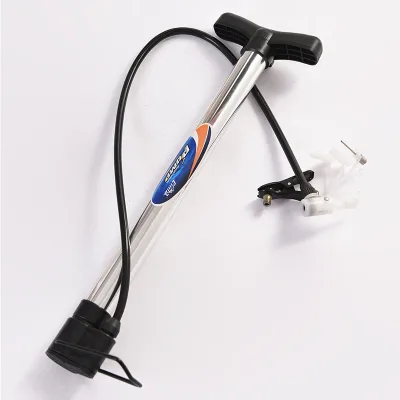
Compact Portable Pump Floor Bicycle Pump High Pressure Bike Accessories Pump
$13.79 - $15.04
MOQ: 2 pieces
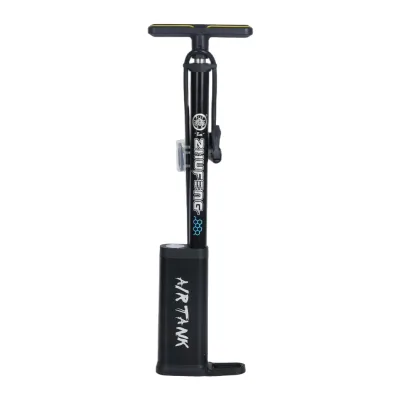
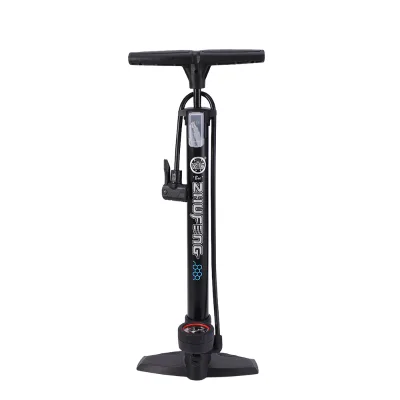
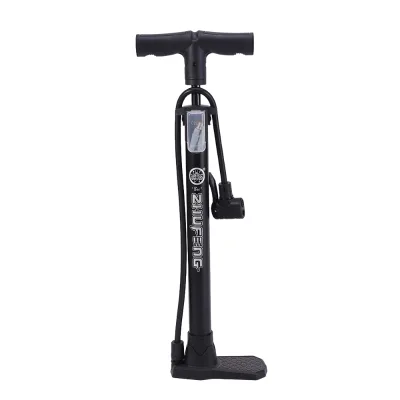
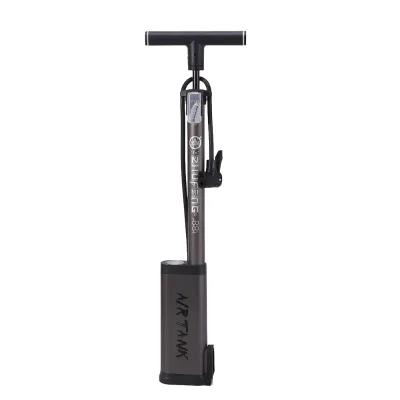
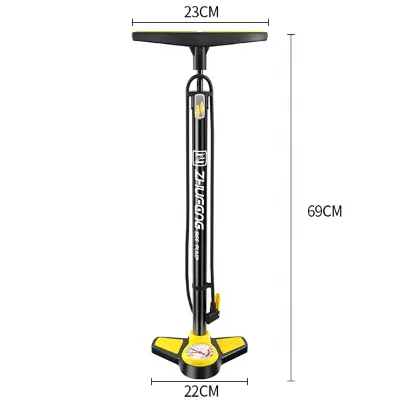
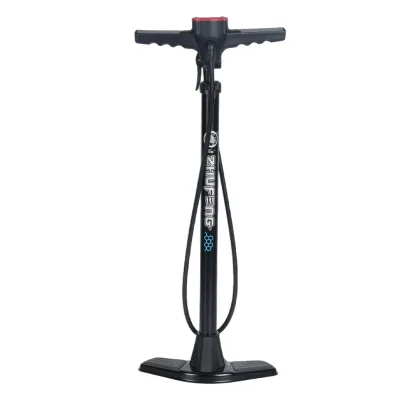
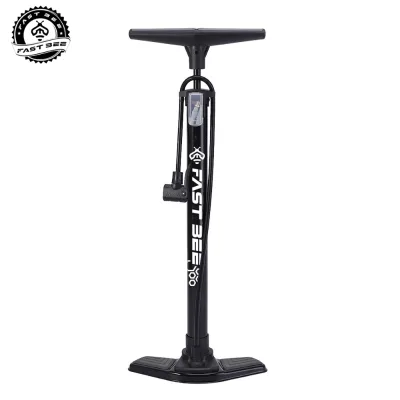
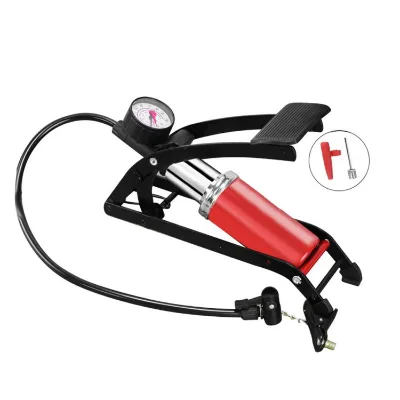


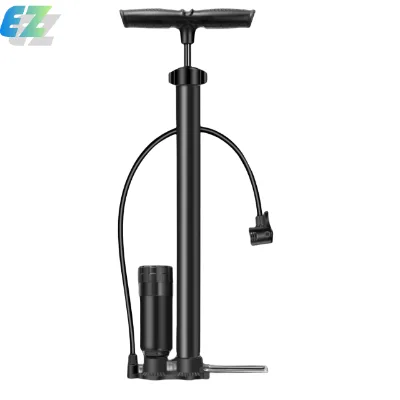
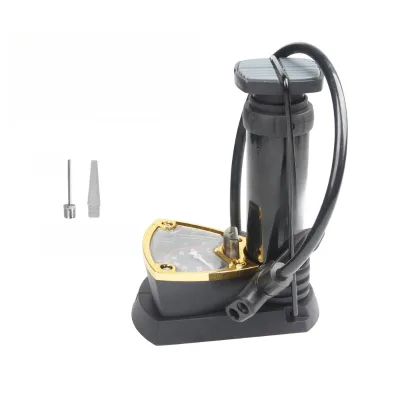
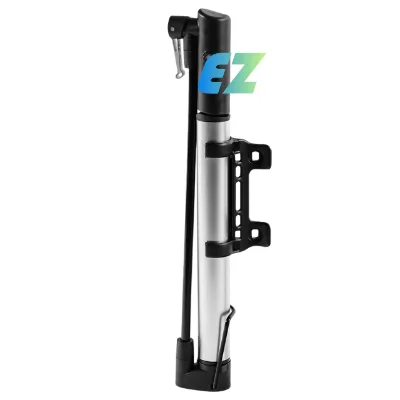


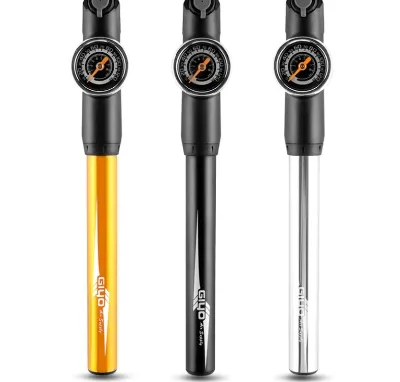

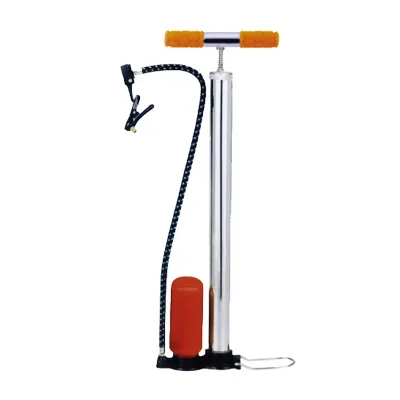


Manual Bike Pump with Gauge Floor Inflating Accurate Tire Inflation Foot Ci16148
$7.78 - $9.33
MOQ: 100 Pieces


Comprehensive Sourcing Guide
Strategic Sourcing Guide for High-Pressure Bicycle Floor Pumps
Understanding Technical Specifications and Performance Metrics
When sourcing high-pressure bicycle floor pumps, the primary objective is to identify units capable of delivering consistent inflation to demanding tire pressures while maintaining structural integrity. The market offers a variety of configurations, but the core technical differentiators lie in the barrel material, maximum pressure rating, and gauge accuracy. Based on observed product attributes, high-performance floor pumps typically utilize aluminum or steel barrels paired with a plastic base to balance durability and weight. For instance, specific models in the current supply chain feature aluminum barrels with plastic bases, while others employ a combination of aluminum and steel for the barrel to enhance pressure resistance.
The maximum pressure rating is a critical specification for road cycling and high-performance mountain biking applications. Buyers should verify that the pump meets the specific PSI requirements of their target market. Observed data indicates that certain models are rated for 160 psi, while others operate effectively up to 120 psi (approximately 8.27 bar). These pressure ratings directly correlate with the intended application; higher pressure ratings are essential for narrow road bike tires, whereas lower pressure thresholds may suffice for wider mountain bike tires. The physical dimensions of the pump, such as the barrel diameter and length (e.g., 32mm x 560mm or 38mm x 470mm), also influence the volume of air delivered per stroke and the overall stability of the unit.
The gauge mechanism is another vital component. Most high-end floor pumps in this category feature mechanical gauges that provide real-time pressure readings. The accuracy of these gauges is paramount, as inflation errors can lead to tire failure or suboptimal performance. The operating mode is predominantly manual, requiring the user to pump the handle to generate pressure. The handle itself is often constructed from plastic, designed for ergonomic grip during extended inflation sessions. Additionally, the inclusion of a valve adapter is standard, allowing the pump to accommodate various valve types, such as Presta and Schrader, which is essential for a versatile product line.
Compliance, Certification, and Safety Standards
In the B2B procurement of bicycle accessories, compliance with international safety and quality standards is non-negotiable. While specific certification documents are not universally listed for every SKU in the current dataset, buyers must verify that manufacturers adhere to relevant safety protocols for pressure vessels and mechanical devices. The materials used, such as aluminum, steel, and high-grade plastics, must be free from hazardous substances and capable of withstanding repeated stress cycles without failure.
Buyers should request documentation confirming that the manufacturing facility follows established quality management systems. Although specific certification names are not provided in the available product data, the expectation is that suppliers operate in compliance with the regulations of their place of origin, which in this case is Zhejiang, China. This region is a known hub for bicycle component manufacturing, and suppliers here are generally familiar with export requirements for Europe and North America. However, the onus remains on the buyer to confirm that the specific batch of pumps meets the destination market's regulatory requirements, particularly regarding pressure vessel safety and material toxicity.
It is crucial to distinguish between observed product attributes and verified compliance status. For example, while a product may list "Customized Logo Available," this does not imply that the product itself carries a specific safety certification unless explicitly stated by the supplier. Buyers must treat all product attributes as observations and require third-party test reports or certificates of conformity before finalizing large orders. This due diligence ensures that the pumps can safely handle the advertised maximum pressures without risking burst failures or leaks during use.
Cost Drivers and Pricing Structure Analysis
The pricing of high-pressure bicycle floor pumps is influenced by several tangible and intangible factors. The observed price range in the market spans from $0.42 to $15.04 USD, a wide spectrum that reflects significant variations in material quality, manufacturing complexity, and brand positioning. The lower end of this range typically corresponds to pumps with steel barrels and simpler plastic bases, which are cost-effective but may have lower durability or pressure ratings. Conversely, the higher price points are associated with pumps featuring aluminum barrels, enhanced gauge mechanisms, and more robust construction.
Material costs are a primary driver. Aluminum is generally more expensive than steel due to its weight-to-strength ratio and corrosion resistance, making pumps with aluminum barrels a premium option. The complexity of the gauge assembly also impacts cost; mechanical gauges with higher precision and durability command a higher price than basic analog indicators. Furthermore, the single gross weight of the unit, ranging from 0.200 kg to 0.730 kg in observed samples, often correlates with the amount of material used and the perceived value of the product.
Packaging and logistics also play a role in the final cost. The single package size varies significantly, from compact dimensions like 35.0 x 15.0 x 5.0 cm to larger configurations such as 61.5 x 18 x 4.8 cm. Larger packages increase shipping costs, which can be a deciding factor for buyers with tight logistics budgets. Additionally, the minimum order quantity (MOQ) affects the unit price. Observed MOQs range from 1 to 2000 units, with some specific models requiring a minimum of 500 pieces. Higher MOQs often allow for better economies of scale, potentially lowering the per-unit cost, but they also require a larger upfront capital investment.
Typical Applications and Market Segmentation
High-pressure bicycle floor pumps serve a diverse range of applications, primarily dictated by the type of bicycle and the riding discipline. The most common application is for road bicycles, where tire pressures are typically high, often exceeding 100 psi. Pumps rated for 160 psi are particularly well-suited for this segment, ensuring that riders can achieve the optimal pressure for speed and efficiency. The "Road bicycle" and "Cycling" applications listed in product attributes highlight the versatility of these units for general road use.
Mountain biking represents another significant market segment. While mountain bike tires generally require lower pressures than road tires, the durability of the pump is critical due to the rougher terrain and potential for more frequent inflation needs. Pumps with a "High pressure durable hose" feature are ideal for this application, as they resist kinking and abrasion. The "Mountain Bicycle" application noted in the product data confirms the suitability of these pumps for off-road use.
Additionally, these pumps are applicable for general tire inflation needs, including other types of bicycles and potentially small vehicles or equipment that utilize similar valve types. The inclusion of a "Valve Adapter" ensures compatibility with various valve standards, making the pump a versatile tool for bike shops, repair stations, and individual cyclists. The "Single item" selling unit suggests that these pumps are often purchased as standalone products rather than as part of a bundle, allowing buyers to stock them individually to meet specific customer demands.
Supplier Evaluation and Selection Criteria
Selecting the right supplier is a critical step in the procurement process. Buyers should evaluate potential partners based on their manufacturing capabilities, product consistency, and flexibility. The "Place Of Origin" being Zhejiang, China, indicates a concentration of expertise in bicycle component manufacturing, but it does not guarantee quality for every individual supplier. Buyers must verify the specific capabilities of the factory, including their ability to handle custom orders.
One key attribute to consider is the availability of "Customized Logo" services. This indicates that the supplier is willing to engage in OEM (Original Equipment Manufacturer) and ODM (Original Design Manufacturer) activities. The product data explicitly states "OEM & ODM: Acceptable," suggesting that suppliers are open to branding and design modifications. This is essential for buyers looking to create a private label or customize products for specific market needs.
The "Packaging" attribute, listed as "Acceptable," implies a degree of flexibility in how the product is presented. However, buyers should clarify specific packaging requirements to ensure that the final product meets their retail or distribution standards. The "G.W./N.W" (Gross Weight/Net Weight) data, such as 13/10.5 kg for 15 pieces or 8.5/7.5 kg for 10 pieces, provides insight into the supplier's packaging efficiency and shipping cost estimates.
Quality Control and Inspection Protocols
Implementing a robust quality control (QC) strategy is essential to mitigate risks associated with mass production. Given the mechanical nature of floor pumps, inspection should focus on pressure integrity, gauge accuracy, and material durability. Buyers should establish clear acceptance criteria based on the observed specifications, such as the maximum pressure rating of 160 psi or 120 psi.
Inspection protocols should include pressure testing to ensure that the pump can reach and maintain the advertised maximum pressure without leaks. The "Mechanical Gauge" should be checked for accuracy against a calibrated reference standard. Additionally, the structural integrity of the barrel and base should be verified, particularly for models with aluminum or steel barrels, to ensure they can withstand the stress of repeated use.
The "Single gross weight" and "Single package size" data can also serve as a baseline for QC. Significant deviations from these weights or dimensions may indicate manufacturing inconsistencies or the use of substandard materials. Buyers should request pre-shipment inspections to verify that the final products match the provided specifications and that the packaging is secure enough to prevent damage during transit.
Long-Term Procurement and Relationship Management
Building a sustainable supply chain requires more than just a one-time transaction. Buyers should consider the long-term implications of their procurement decisions, including the potential for volume discounts, supply chain resilience, and after-sales support. The "MOQ" of 500 pieces for certain models suggests that suppliers are geared towards medium-to-large volume orders. Buyers should negotiate terms that allow for flexible order quantities as market demand fluctuates.
The availability of "Customized Logo" and "OEM & ODM" services indicates a potential for a long-term partnership where the supplier can grow with the buyer's brand. Establishing a clear communication channel regarding product updates, material changes, or design improvements is crucial. Buyers should also monitor the "Place Of Origin" and ensure that the supplier maintains consistent quality standards over time, as manufacturing conditions can change.
Finally, buyers should plan for the lifecycle of the product. High-pressure floor pumps are durable goods, but they are subject to wear and tear. Ensuring that the supplier can provide replacement parts or support for warranty claims is an important aspect of long-term procurement. By focusing on these strategic elements, buyers can secure a reliable supply of high-quality bicycle floor pumps that meet the demands of their customers and maintain a competitive edge in the market.
FAQs
What materials are used for High Pressure Bicycle Floor Pump barrels?
Barrels are constructed from aluminum, steel, or a combination of both with a plastic base. Aluminum barrels offer a lighter weight while steel provides durability, and some models feature aluminum and steel barrels together to enhance pressure resistance for high PSI applications.
Which maximum pressure ratings are available for these floor pumps?
Available models feature maximum pressure ratings of 120 psi or 160 psi. The 160 psi rating is suitable for narrow road bike tires, while the 120 psi option is effective for mountain bikes and other applications requiring slightly lower inflation pressures.
Can buyers request customized logos on the High Pressure Bicycle Floor Pump?
Yes, customized logo services are available for these products. Suppliers also accept OEM and ODM requests, allowing buyers to brand the pump handle or body to match their specific retail requirements or private label strategies.
What is the minimum order quantity for purchasing these pumps?
The minimum order quantity varies by model, with some requiring 500 pieces and others starting as low as one unit. Buyers should verify the specific MOQ for the desired model, as it impacts the per-unit cost and initial capital investment.
How does the gauge mechanism function on these manual pumps?
These pumps utilize a mechanical gauge to provide real-time pressure readings during inflation. The gauge is accurate for monitoring PSI levels, ensuring the tire reaches the correct pressure without the need for electronic components or external power sources.
What valve types are compatible with these high pressure bicycle floor pumps?
The pumps include a valve adapter to accommodate various valve types such as Presta and Schrader. This versatility allows the pump to be used on road bicycles, mountain bikes, and other equipment utilizing standard inflation valves.