Source High Pressure Brass Misting Nozzle for Cooling, Humidifying, and Dust Suppression
Source High Pressure Brass Misting Nozzle options from 30 verified listings. Compare specifications including working pressure up to 80 bar, orifice sizes from 0.06 to 1.0 mm, and materials like stainless steel and ceramic. Evaluate flow rates and spray angles for industrial cooling, humidifying, and dust suppression applications.
Key considerations
Products List


Brass Fog Nozzle Misting Sprayer Metal Nozzles 0.3mm Low Pressure Fogger
$0.14 - $0.33
MOQ: 100 Pieces


Low Pressure Oil Burner Water Misting Nozzle
$1.02 - $3.97
MOQ: 10 Pieces
Shanghai Xinhou Spraying & Purification Equipment Co., Limited


Air Atomizing Stainless Steel Misting Nozzle
$13.20 - $43.80
MOQ: 1 Pieces
Shanghai Xinhou Spraying & Purification Equipment Co., Limited


Brass High Pressure Fire Fighting Nozzle
$6.00 - $7.00
MOQ: 100 Pieces
Shaoxing Safety Plus Fire Fighting Equipment Manufacturing Co., Ltd.

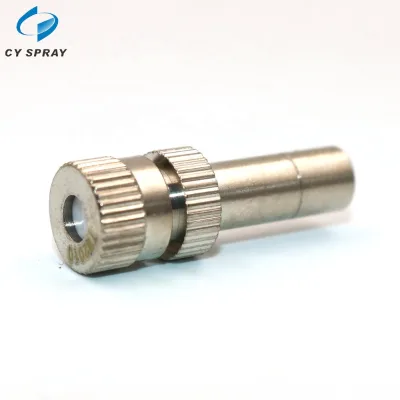
Brass Misting Nozzle with Filter (SCNP) Fog Machine Nozzle Sprayer Nozzle
$1.20 - $1.50
MOQ: 100 Pieces




Comprehensive Sourcing Guide
High Pressure Brass Misting Nozzle Sourcing Guide
Sourcing high-pressure brass misting nozzles requires a nuanced understanding of material integrity, pressure ratings, and spray dynamics. These components are critical in systems designed for cooling, humidification, dust suppression, and odor control. Buyers must distinguish between general-purpose fittings and specialized atomization equipment, as performance varies significantly based on orifice design and core material composition. The following guide provides evidence-based procurement strategies to ensure operational reliability and cost-efficiency.
Product Scope and Observed Listing Signals
The market for misting nozzles includes a diverse range of products, from simple pipe fittings to high-performance low-pressure spray equipment. Observed listings indicate a product count of 30 items, with prices ranging from $0.1 to $43.8 USD. This wide variance suggests that buyers will encounter both basic connector components and advanced atomization nozzles. It is essential to verify whether the listing refers to a standalone nozzle or a complete assembly, as this distinction heavily influences the unit price and functional capability.
Product names in current listings include "Fogging Nozzle," "Atomization Nozzle," and "Quick Insert Joint," indicating a mix of functional types. Some products are explicitly labeled as "High-Performance Low-Pressure Spray Equipment," while others are categorized under "Pipe Fittings" or "Clamp Connector Pipe." Buyers should carefully review the product name and type to ensure alignment with their system requirements. For instance, a "Clamp Connector Pipe" with a function of "Connecting The Pipe End" serves a different purpose than a "Very Finest Misting Nozzle" designed for fine mist generation.
Technical Specifications to Verify
Material selection is a primary determinant of nozzle durability and performance. Observed facts highlight body materials such as Stainless Steel (SS) and Brass, with core materials often being SS or Ceramic. Brass bodies are common for their machinability and corrosion resistance, while ceramic cores provide exceptional wear resistance against abrasive particles in the water supply. Buyers must verify the specific alloy grades and ceramic compositions to ensure compatibility with their water quality and operating environment. The presence of "Customization: Available" suggests that material configurations can be tailored to specific project needs.
Pressure and flow specifications vary widely across available products. Working pressure ranges observed include 20-80 bar, 0-100 bar, and 0.3-20 bar. These differences dictate the suitability of the nozzle for high-pressure industrial systems versus low-pressure garden or residential cooling systems. Orifice diameters range from 0.06 mm to 1.0 mm, directly influencing the mist particle size and spray pattern. Buyers should match the orifice size to their desired spray angle, which can range from 30 to 150 degrees, to achieve the intended coverage and atomization quality.
Thread size and connection type are critical for system integration. Common thread sizes include 1/8", 1/4", and 10/24 UNC. Some listings specify pipe diameters such as 9.52mm or 12.7mm, indicating compatibility with specific tubing standards. Buyers must ensure that the nozzle’s thread size matches their existing piping infrastructure to avoid leaks or the need for additional adapters. The "Quick Insert Joint" type suggests a design that facilitates easier installation, which can reduce labor costs during system assembly.
Compliance and Safety Documentation
Certification status is a key indicator of manufacturing quality and regulatory compliance. Observed listings frequently cite CE certification, and some products also mention ISO standards. The presence of CE marking indicates that the product meets European health, safety, and environmental protection standards, which is crucial for exports to the EU market. Buyers should request valid certification documents to verify that the manufacturer has undergone proper assessment procedures. Relying on products without verified certifications can pose legal and safety risks in regulated markets.
Standard compliance extends beyond basic certifications to include quality management systems. Some suppliers reference ISO9001 and ISO14001 standards, indicating adherence to quality management and environmental management principles. These standards suggest a structured approach to production consistency and environmental responsibility. Buyers should verify the validity of these certifications through the issuing bodies or the supplier’s official documentation. Compliance with these standards often correlates with better product consistency and reliable supply chain practices.
Cost Drivers and Commercial Terms
Pricing in the misting nozzle market is influenced by material costs, manufacturing complexity, and order volume. The observed price range of $0.1 to $43.8 USD reflects the diversity of products, from simple connectors to complex nozzles with ceramic cores. Buyers should analyze the cost per unit in the context of the nozzle’s specifications, such as orifice precision and material grade. Lower-priced items may be basic fittings, while higher-priced items likely offer superior atomization performance and durability. Understanding these cost drivers helps in budgeting and selecting the most cost-effective solution for the application.
Minimum Order Quantity (MOQ) requirements vary, with observed ranges from 1 to 2000 units. Some listings specify an MOQ of 50 PCS, which is typical for customized or specialized components. Buyers should negotiate MOQ terms based on their consumption rates and storage capabilities. For large-scale projects, bulk ordering may offer significant price advantages, while smaller orders might be necessary for prototyping or low-volume applications. Clear communication of volume requirements early in the sourcing process can help secure favorable commercial terms.
Packaging and origin also impact total landed cost. Products are typically packed in standard export cartons, which provide adequate protection during transit. The origin of most observed products is China, with specific mentions of Dongguan as a manufacturing hub. Buyers should consider logistics costs, import duties, and lead times associated with sourcing from this region. Efficient packaging and reliable origin tracking can minimize the risk of damage and delays, ensuring timely project completion.
Supplier Qualification and Quality Control
Supplier verification is essential to ensure product reliability and consistent quality. Buyers should assess the supplier’s manufacturing capabilities, including their ability to produce customized nozzles with specific orifice sizes and thread configurations. The availability of customization suggests that the supplier has flexible production lines capable of meeting diverse requirements. Verifying the supplier’s technical expertise and production capacity can help mitigate the risk of receiving non-conforming products.
Quality control processes should be clearly defined and documented. Buyers should inquire about the supplier’s inspection procedures, including incoming material checks, in-process monitoring, and final product testing. The use of high-quality materials like SS and ceramic cores requires precise manufacturing techniques to maintain orifice accuracy and structural integrity. Requesting quality control reports or third-party inspection results can provide additional assurance of product consistency. Establishing clear quality expectations and acceptance criteria is crucial for maintaining system performance.
Long-Term Procurement Checks
Sustainability and supply chain resilience are important considerations for long-term procurement. Buyers should evaluate the supplier’s ability to maintain consistent supply despite market fluctuations or raw material shortages. The use of common materials like brass and stainless steel generally ensures availability, but specific grades or ceramic components may have longer lead times. Developing a diversified supplier base can reduce dependency on a single source and enhance supply chain stability.
Continuous performance monitoring is vital for ensuring that the nozzles meet operational requirements over time. Buyers should track metrics such as spray pattern consistency, flow rate stability, and resistance to clogging or wear. Regular maintenance and inspection of the installed nozzles can help identify potential issues early and prevent system downtime. Establishing a feedback loop with the supplier regarding performance data can facilitate continuous improvement and address any emerging quality concerns promptly.
FAQs
What certifications do the high pressure brass misting nozzles have?
The nozzles carry CE and ISO certifications to ensure compliance with international safety and quality standards. These certifications apply to the product line manufactured in Dongguan, China, and cover both the brass and stainless steel body materials used in the assembly.
Which thread sizes are available for the misting nozzle connections?
Available thread sizes include 1/8, 1/4, and 10/24unc to accommodate various pipe fitting requirements. These specifications allow the nozzles to integrate seamlessly into existing cooling and humidifying systems with different connection standards.
Can the nozzles be customized for specific spray angles?
Yes, customization is available to adjust spray angles ranging from 30 degrees to 150 degrees. This flexibility allows users to tailor the misting pattern for specific applications like dust suppression or odor control without changing the core hardware.
What is the working pressure range for these high pressure nozzles?
The working pressure range spans from 0.3 to 80 bar depending on the specific model and application. This wide range supports both low-pressure misting systems and high-pressure industrial applications requiring precise atomization for cooling or humidifying.
How is the core material selected for the misting nozzle?
The core material is selected from stainless steel or ceramic to ensure durability and resistance to clogging. This choice directly impacts the orifice diameter, which ranges from 0.06 to 1.0 mm, ensuring consistent flow rates for various misting needs.
What is the minimum order quantity for purchasing these nozzles?
The minimum order quantity is 50 pieces for standard orders, though some listings may show ranges up to 2000. This MOQ ensures efficient production runs while allowing buyers to secure sufficient stock for their cooling or dust suppression projects.
Which applications are suitable for this High Pressure Brass Misting Nozzle?
These nozzles are suitable for cooling, humidifying, dust suppression, and odor control applications. They are designed for use in garden misting systems, industrial cooling setups, and environments requiring effective air quality management through fine atomization.