Find High Pressure Charcoal Stick Compactor for biomass, fuel, and waste
Source 30 High Pressure Charcoal Stick Compactor units from verified Chinese manufacturers. Compare models with varying power ratings, dimensions, and production capacities to find the right briquette machine for your needs.
Key considerations
Products List
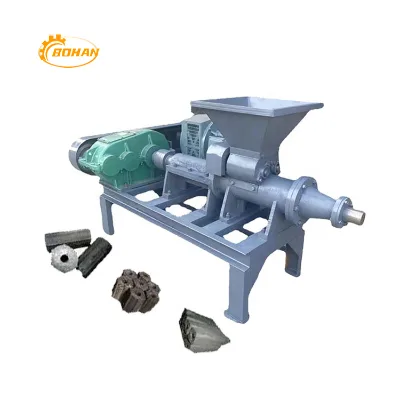
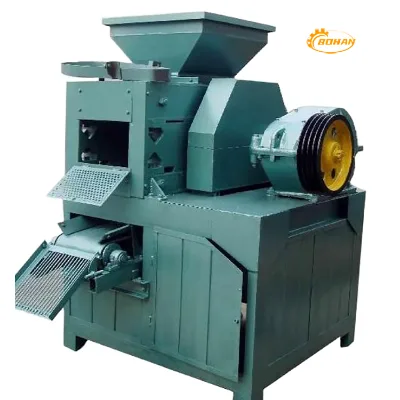
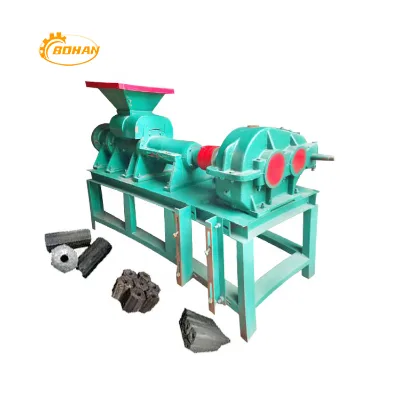
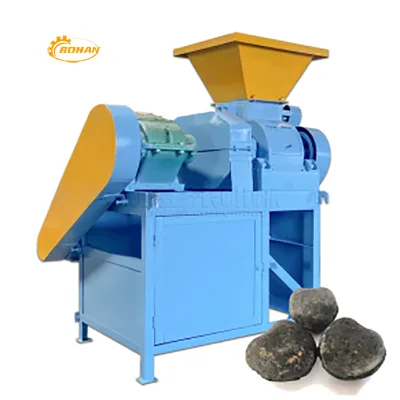
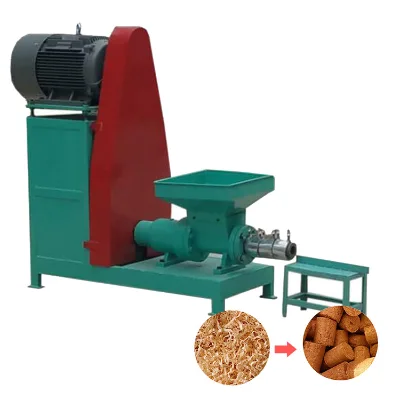


High Capacity Hydraulic Briquette Press compactor With Strong Structure
$11111.00 - $1111111.00
MOQ: 1 Sets

High Capacity Briquetting Production Line compactor for npk With Large Capacity
$11111.00 - $1111111.00
MOQ: 1 Sets


High Quality Charcoal Coal Stick Briquetting Press with Perfect Working Performance
$1000.00 - $3000.00
MOQ: 1 Pieces


High Production Charcoal Ball Press Machine Briquetting Press for Charcoal Dust
$1900.00 - $12000.00
MOQ: 1 Pieces

Roller Press Coal Charcoal Dust Charcoal Ball Briquette Machine Line
$2300.00 - $12000.00
MOQ: 1 Pieces


Coal Powder Rod Making Machine Coal Pulverizing Machine Charcoal Compression Machine
$2500.00 - $3000.00
MOQ: 1 Pieces

Energy Saving Charcoal Dust Briquettes Press Machine Compressed Coal Machine
$2500.00 - $3000.00
MOQ: 1 Pieces

Comprehensive Sourcing Guide
Strategic Sourcing Guide for High Pressure Charcoal Stick Compactors
Understanding the Technical Architecture of Briquette Machines
When sourcing a high-pressure charcoal stick compactor, buyers must first distinguish between the various mechanical configurations available in the market. The core functionality of these machines relies on the compression of raw materials, such as wood, waste wood, and charcoal powder, into dense, uniform shapes. Based on current market data, the production capacity for these units typically ranges from 1 to 2 tons per hour, though some specific configurations may offer capacities between 300 and 320 kilograms per hour. This variance in output is a critical factor when matching the machine to the scale of a buyer's operation.
The mechanical integrity of the compactor is defined by its core components. A robust unit will integrate a PLC (Programmable Logic Controller) for automated operation, alongside a high-torque engine and a motor system. The power requirements for these motors vary significantly depending on the model and intended throughput, with observed specifications ranging from 5.5 kW up to 110 kW. Specific models may utilize AC motors, and the system often includes a gearbox, bearings, gears, pumps, and pressure vessels to manage the intense forces required for high-pressure compaction. The roller material is a critical wear component; in many cases, this is customizable according to the buyer's specific needs to ensure longevity against abrasive raw materials.
The physical dimensions of the machinery are equally important for facility planning. The footprint of these briquette machines can vary, with observed dimensions ranging from compact units measuring approximately 1.5 meters by 0.6 meters by 1 meter to larger industrial models measuring 1.55 meters by 0.55 meters by 1.45 meters, or even 1.5 meters by 1.2 meters by 1.6 meters. The weight of the equipment is substantial, with single gross weights observed between 600 kg and 700 kg, and individual unit weights recorded around 1,100 kg. Buyers must ensure their production floor can support these loads and accommodate the single package sizes, which can extend up to 155 cm in length and 160 cm in width and height.
Compliance, Certification, and Operational Standards
In the global B2B market, verifying the compliance status of industrial machinery is a non-negotiable step. While specific certification documents must be requested directly from the supplier, the industry standard for high-pressure compaction equipment often involves adherence to ISO, CE, and ROHS standards. These certifications indicate that the machine meets specific safety, environmental, and quality management criteria. Buyers should explicitly request proof of these certifications, as they serve as a baseline for regulatory compliance in many export markets.
The condition of the machinery is another critical compliance metric. The majority of available units on the market are listed as "New," ensuring that the buyer receives a machine with full operational life and no hidden wear. However, the verification of the "New" status should be cross-referenced with the supplier's video outgoing-inspection services. This feature allows buyers to visually verify the assembly quality, the condition of the core components, and the overall finish of the machine before it leaves the manufacturing facility. This remote inspection capability is a vital tool for mitigating the risk of receiving substandard equipment, especially when the production origin is in a specific industrial hub like Henan, China.
Furthermore, the warranty terms provide a layer of contractual protection. A standard warranty period for these high-pressure units is typically one year. This coverage should be clearly defined in the purchase agreement to cover defects in materials and workmanship. Buyers must also consider the "After-sales Service Provided" options, which often include online support and on-site engineer guidance for installation. The availability of these services is a key indicator of the supplier's commitment to long-term operational stability. Without a clear warranty and support structure, the risk of downtime increases significantly, potentially halting production lines.
Cost Drivers and Pricing Variables in Procurement
The pricing structure for high-pressure charcoal stick compactors is influenced by several dynamic factors, making it difficult to pinpoint a single "standard" price without specific model details. The observed price range in the current market spans from approximately $200 to over $1,100,000. This vast disparity is not indicative of quality variance alone but rather reflects the differences in power capacity, production volume, and customization levels. A unit with a 5.5 kW motor and a capacity of 300 kg/h will naturally be priced differently than a 110 kW unit capable of 2 tons per hour.
The Minimum Order Quantity (MOQ) is another significant cost driver. In this specific category, the MOQ is frequently set at 1 set or 1 unit, which lowers the barrier to entry for small to medium-sized enterprises. This flexibility allows buyers to procure a single machine for pilot testing or small-scale production without the financial burden of bulk ordering. However, buyers should be aware that while the unit price might be low for a single item, the total cost of ownership includes shipping, installation, and potential customization fees.
Customization is a primary variable affecting the final cost. The "Final shapes" and "Briquette shape" can be customized, with options including hexagonal rod bodies, round shapes, or stick shapes. The "Diameter of final products" also varies, with observed ranges from 20 mm to 80 mm, and specific models offering 30-60 mm diameters. Customizing the roller material, the machine color, or the LOGO branding will incur additional charges. Additionally, the "Production Capacity" can be adjusted "According to your needs," which directly impacts the engineering complexity and the final price. Buyers must balance their budget against their specific production requirements, ensuring they do not overpay for unnecessary capacity or under-specify a machine that cannot meet their output targets.
Typical Applications and Material Compatibility
The versatility of high-pressure charcoal stick compactors makes them suitable for a wide array of applications, primarily centered around the conversion of biomass into solid fuel. The primary application listed is the production of "Ball Charcoal," but the machines are equally effective for creating hexagonal rods and various stick shapes. The "Applicable raw materials" are diverse, including wood, waste wood, and charcoal powder. This flexibility allows suppliers to process various types of biomass, making the machine a valuable asset for recycling operations and sustainable fuel production.
The "Suitable for drying" attribute indicates that these machines can handle materials that have undergone drying processes, such as wood. This is crucial because the moisture content of the raw material significantly affects the compaction efficiency and the quality of the final briquette. The machines are designed to handle materials that require pre-processing, ensuring that the final product achieves the desired density and structural integrity. The "Features" of these machines often highlight "99% High Purity" in the final output, which is a critical metric for buyers targeting premium fuel markets or industrial applications where impurities can cause operational issues.
The "Briquette Diameter" and "Final shapes" determine the end-use of the product. For instance, hexagonal rod bodies are often preferred for industrial boilers due to their stacking efficiency and consistent burn rates, while round shapes might be more suitable for residential heating. The ability to customize the "Final shapes" allows buyers to tailor their product line to specific customer demands. Whether the goal is to produce high-density fuel for export or to create a localized product for domestic use, the compactor's ability to handle various raw materials and produce different shapes is a key operational advantage.
Supplier Evaluation and Quality Assurance Protocols
Evaluating a supplier for high-pressure charcoal stick compactors requires a rigorous approach to quality assurance. The "Place of Origin" is a known factor, with many units originating from Henan, China, a region known for its heavy machinery manufacturing. However, the location alone does not guarantee quality. Buyers should prioritize suppliers who offer "Video outgoing-inspection" as a standard service. This allows for a real-time visual audit of the machine's assembly, ensuring that the core components like the PLC, engine, and motor are correctly installed and functioning.
The "OEM/ODM" capability of the supplier is another critical evaluation point. Suppliers that accept Original Equipment Manufacturer and Original Design Manufacturer requests demonstrate a higher level of flexibility and technical competence. This is particularly important for buyers who require specific branding, custom dimensions, or unique feature sets. The "LOGO" customization option further supports this, allowing buyers to brand the machine for their specific market.
Quality control should also extend to the testing and verification of the machine's performance. While specific test results are not provided in general listings, buyers should request detailed performance data regarding the "Production Capacity" and "Pressure" ratings. The "High pressure" attribute is a defining characteristic of these machines, and verifying that the machine can consistently maintain this pressure is essential for product quality. Additionally, the "After-sales Service Provided" should be evaluated for responsiveness and technical expertise. The availability of "Engineers Guiding" for installation is a strong indicator of a supplier's commitment to ensuring the machine is operational and safe from day one.
Long-Term Procurement and Operational Considerations
Procuring a high-pressure charcoal stick compactor is not merely a transactional purchase but a strategic investment in long-term operational efficiency. The "Warranty" period, typically one year, is the baseline for support, but buyers should consider the long-term availability of spare parts. The core components, such as the motor, gearbox, and bearings, are subject to wear and tear. Ensuring that the supplier can provide replacement parts for these components is vital for minimizing downtime.
The "Power" requirements of the machine must be aligned with the buyer's infrastructure. With power options ranging from 5.5 kW to 110 kW, the electrical infrastructure of the production facility must be capable of supporting the highest power configuration selected. Failure to verify this can lead to costly upgrades or operational failures. Furthermore, the "Single gross weight" and "Single package size" must be considered for logistics planning. Shipping a 700 kg unit requires specialized freight arrangements, and the dimensions of the package must fit within the constraints of the buyer's receiving dock and storage area.
Finally, the "Advantage" of "High Efficiency" should be a key metric for long-term evaluation. The machine's ability to process raw materials quickly and with minimal waste directly impacts the profitability of the operation. Buyers should calculate the return on investment based on the machine's capacity, power consumption, and the market value of the final briquette product. By carefully considering these long-term factors, buyers can ensure that their procurement decision supports sustainable growth and operational excellence in the charcoal briquette industry.
FAQs
What core components are included in the machine?
The machine includes a PLC, engine, bearing, gearbox, motor, pressure vessel, gear, and pump. These components ensure robust operation and high-pressure compaction for various raw materials like wood and charcoal powder.
Can the briquette shape be customized for specific needs?
Yes, the final shapes and briquette shapes can be customized to meet buyer requirements. Options include hexagonal rod bodies, round shapes, and stick shapes with diameters ranging from 20 to 80 millimeters.
What is the production capacity of the briquette machine?
Production capacity typically ranges from 1 to 2 tons per hour, though some models offer 300 to 320 kilograms per hour. Specific capacity can often be adjusted according to the buyer's operational needs.
Which certifications does the equipment typically hold?
The equipment often holds ISO, CE, and ROHS certifications to meet international safety and quality standards. Buyers should verify these documents directly with the supplier to ensure compliance for their specific market.
How long is the warranty period for the machine?
The standard warranty period for these high-pressure units is one year. This coverage protects against defects in materials and workmanship, often accompanied by online support and engineer guidance for installation.
What is the minimum order quantity for purchasing?
The minimum order quantity is typically one set or one unit. This low barrier allows small to medium enterprises to procure a single machine for pilot testing or small-scale production without bulk commitments.
Where is the place of origin for these machines?
The place of origin is Henan, China, a known hub for heavy machinery manufacturing. Buyers can utilize video outgoing-inspection services to verify the assembly quality and condition before the machine leaves the facility.