Find High Pressure Electric Oil Pump for Concrete, Bridge, Railway
Source 30 High Pressure Electric Oil Pump options suitable for concrete work, bridge construction, and railway projects. Buyers can compare models like ZB, LEC, and BBG with varying pressures and flow rates to find the right fit for their industrial needs.
Key considerations
Products List


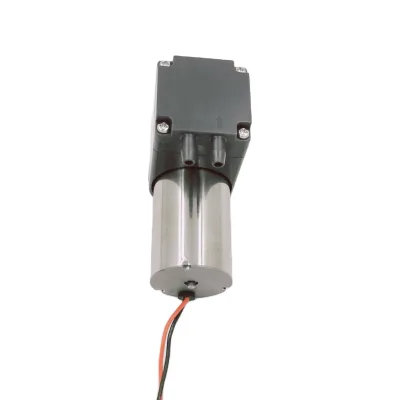
Hot Sale Prestressed Big Flow Easy Operation Small High Pressure Oil Pump
$100.00 - $1000.00
MOQ: 1 Sets




Comprehensive Sourcing Guide
Strategic Sourcing Guide for High Pressure Electric Oil Pumps
Understanding Technical Specifications and Performance Parameters
When sourcing high-pressure electric oil pumps, buyers must first establish a clear understanding of the technical architecture that defines performance. The core product category encompasses electric oil pumps designed specifically for high-pressure applications, often utilizing piston pump structures to achieve the necessary force and efficiency. In the current market, observed specifications indicate a maximum pressure capability of 63MPa, a critical threshold for heavy-duty industrial operations. The drive mechanism is consistently electric, distinguishing these units from hydraulic or manual alternatives and ensuring precise control over flow dynamics.
The internal mechanics often feature a cycloid tooth curve and an external engaged mesh form, which are essential for maintaining smooth operation under extreme loads. Buyers should verify that the pump model aligns with specific application needs, as models such as ZB, LEC, BBG, and WCB represent different structural configurations. For instance, the ZB model is frequently associated with high-pressure requirements, while the WCB designation often relates to cast iron construction suitable for handling various media. The medium compatibility is another vital specification; these pumps are engineered to handle crude oil, diesel oil, lube oil, and gasoline, requiring robust material selection to prevent corrosion and leakage.
Flow rate characteristics vary significantly between models. Some units are designed as constant flow pumps, ensuring steady delivery for continuous processes, while others operate as variable flow pumps to adapt to fluctuating system demands. The physical size of the pump is also a key differentiator, with standard dimensions observed in the range of 3/8", 3/4", and 1". Material composition is predominantly cast iron, providing the necessary durability for industrial environments. However, buyers must confirm that the specific model selected matches the viscosity and chemical properties of the intended fluid medium to avoid premature wear.
Compliance, Certification, and Regulatory Standards
Navigating the regulatory landscape is a non-negotiable aspect of sourcing high-pressure electric oil pumps. The market features a variety of certifications that validate the safety and quality of these industrial components. Commonly observed certifications include CE and ISO, which are critical for products intended for the European market and international trade. Additional standards such as ISO9001 and SGS are frequently cited, indicating adherence to quality management systems and third-party verification. For specialized applications, particularly those involving hazardous environments, certifications like CNEX may be required to ensure explosion-proof capabilities.
The standard specifications for these pumps often range from standard international specifications to fully customized requirements. Buyers should not assume that all listed products meet every standard; instead, verification is necessary. The origin of the product plays a significant role in compliance, with major manufacturing hubs located in Henan and Zhejiang provinces in China. Products originating from Zhengjiang Wenzhou or Ningbo often carry specific regional quality reputations. When evaluating a supplier, procurement teams must request valid certification documents and cross-reference them with the specific model number, as a supplier may hold CE certification for one product line but not for another.
Furthermore, the standard specification for the product itself can be customized. This flexibility allows buyers to meet unique industry requirements, but it also introduces complexity in the verification process. A product labeled with "International" standards may require additional validation to ensure it meets the specific regulatory framework of the buyer's country. The presence of certifications like SGS and CNEX suggests a higher level of scrutiny, particularly for pumps used in concrete work, bridge construction, or railway projects where safety failures are not an option. Buyers must ensure that the certification applies to the exact configuration being purchased, including any customizations requested.
Cost Drivers and Pricing Variables
The pricing landscape for high-pressure electric oil pumps is highly variable, reflecting the diversity of specifications, materials, and customization levels. Observed price ranges in the market span from 1 USD to 100,000 USD, a wide spectrum that underscores the difference between small-scale units and large, industrial-grade systems. Several factors drive these costs. The primary driver is the pressure rating and flow capacity; pumps capable of 63MPa and higher flow rates command a premium due to the advanced engineering and robust materials required.
Material costs also significantly influence pricing. While cast iron is a common material, the quality of the casting and the presence of specialized coatings can alter the cost. Customization is another major cost factor. The market indicates that customization is available, allowing buyers to tailor the pump's color, packing, and specific performance metrics. However, these customizations often increase the unit price and may affect the Minimum Order Quantity (MOQ). The observed MOQ range is between 1 and 100 units, suggesting that while some suppliers offer single-unit purchases, bulk orders are often incentivized with better pricing.
Packing requirements further impact the total cost. Standard export packages, foam with cartons, and plywood cases are common, but specialized packing for fragile or high-value units adds to the expense. For example, the "One Pump With a Carton" configuration differs significantly in cost from a "Foam with Carton Per Small Electric Oil Pump" setup. Additionally, the origin of the product affects logistics costs. Pumps manufactured in Henan or Zhejiang may have different shipping profiles compared to those from other regions, influencing the final landed cost. Buyers should analyze the total cost of ownership, including shipping, customs duties, and potential tariffs, rather than focusing solely on the unit price.
Typical Applications and Operational Environments
High-pressure electric oil pumps are integral to a wide range of heavy industries, each demanding specific performance characteristics. The primary applications observed include concrete work, bridge construction, and railway construction. In these sectors, the reliability of the pump is paramount, as downtime can lead to significant project delays and financial losses. The high-pressure capability of 63MPa makes these pumps suitable for hydraulic systems that require substantial force to operate heavy machinery, such as pile drivers, cranes, and concrete mixers.
The versatility of these pumps extends to various fluid mediums, including crude oil, diesel, lube oil, and gasoline. This adaptability allows them to be used in fuel transfer systems, lubrication circuits for heavy machinery, and hydraulic power units. The "No Blocking" performance attribute is particularly valuable in applications involving viscous fluids or those with potential particulate matter, ensuring continuous operation without clogging. For submersible applications, specific models like the Qyb are designed to operate underwater, making them ideal for dewatering or fluid transfer in submerged environments.
The structure of the pump, often a piston pump, provides the necessary efficiency for these demanding tasks. The cycloid tooth curve and external engagement ensure smooth power transmission, reducing vibration and noise, which is crucial in urban construction environments. Buyers should match the pump's flow rate to the specific application; constant flow pumps are ideal for steady-state operations, while variable flow pumps offer flexibility for systems with changing load requirements. Understanding the operational environment is essential for selecting the right model, as factors such as temperature, humidity, and exposure to chemicals can impact pump longevity.
Supplier Evaluation and Quality Assurance
Evaluating suppliers for high-pressure electric oil pumps requires a rigorous approach to ensure product reliability and service quality. The first step is verifying the supplier's location and manufacturing capabilities. Major production centers in China, such as Henan and Zhejiang, offer a concentration of manufacturers with varying levels of expertise. Buyers should confirm the specific origin, such as Zhengjiang Wenzhou or Ningbo, as these regions may have specialized clusters for pump manufacturing. The condition of the product is typically listed as "New," but buyers must verify the manufacturing date and storage conditions to ensure the equipment has not degraded.
Quality control is a critical component of supplier evaluation. Buyers should request detailed quality assurance protocols, including in-process testing and final inspection reports. The presence of certifications like CE, ISO, SGS, and CNEX is a strong indicator of a supplier's commitment to quality, but these must be valid and applicable to the specific model. The standard specification, whether standard or customized, should be clearly defined in the contract to avoid disputes. Additionally, the packing method, ranging from standard export packages to specialized plywood cases, should be agreed upon to prevent damage during transit.
Suppliers should also demonstrate flexibility in customization. The ability to customize color, packing, and specific performance metrics indicates a supplier's capacity to meet unique buyer requirements. However, buyers must ensure that customization does not compromise the core integrity of the pump. Communication with the supplier regarding technical specifications, lead times, and after-sales support is essential. A reputable supplier will provide clear documentation, including technical manuals, warranty terms, and maintenance guidelines. Buyers should also assess the supplier's track record in handling similar orders and their ability to meet delivery schedules, as delays can disrupt critical construction projects.
Long-Term Procurement and Maintenance Considerations
Sourcing high-pressure electric oil pumps is not just a one-time transaction but a long-term partnership that requires careful planning for maintenance and lifecycle management. The durability of the pump, determined by its material and construction, plays a significant role in long-term costs. Cast iron pumps, while robust, require regular inspection for wear and tear, especially in high-pressure environments. Buyers should consider the availability of spare parts and the supplier's ability to provide timely replacements. The "Standard Export Package" or customized packing should be designed to protect the pump during storage and transport, ensuring it remains in optimal condition until installation.
Maintenance protocols are essential for extending the lifespan of the pump. Regular checks on the piston structure, tooth curve integrity, and seal conditions can prevent catastrophic failures. The flow rate, whether constant or variable, should be monitored to ensure it remains within the specified range. Any deviation may indicate internal wear or blockage, requiring immediate attention. Buyers should also consider the environmental impact of the pump, particularly regarding the medium it handles. Proper disposal and recycling of old pumps and associated fluids are important for compliance with environmental regulations.
In the long term, buyers should evaluate the total cost of ownership, including energy consumption, maintenance costs, and potential downtime. High-pressure electric oil pumps are energy-intensive, and selecting a model with high efficiency can lead to significant savings over time. The customization options, such as color and specific packing, should be chosen with future maintenance in mind, ensuring that the pump is easy to access and service. Finally, maintaining a strong relationship with the supplier is crucial for long-term success. A reliable supplier can provide ongoing technical support, updates on new models, and assistance with troubleshooting, ensuring that the procurement strategy remains effective and efficient.
FAQs
What is the maximum pressure rating for these pumps?
The maximum pressure rating is 63MPa, suitable for heavy-duty industrial operations. This high-pressure capability supports applications like concrete work and bridge construction where substantial force is required.
Which certifications are commonly available for these pumps?
Common certifications include CE, ISO, ISO9001, SGS, and CNEX. Buyers must verify that these certifications apply to the specific model and configuration being purchased to ensure regulatory compliance.
Can these pumps handle various oil types?
Yes, they are designed to handle crude oil, diesel oil, lube oil, and gasoline. The cast iron material provides durability against corrosion and leakage for these specific fluid mediums.
What is the typical minimum order quantity for these units?
The minimum order quantity ranges from 1 to 100 units depending on the supplier. While some vendors offer single-unit purchases, bulk orders often benefit from specific pricing incentives.
How are these pumps typically packed for export?
Packing options include standard export packages, foam with cartons, or plywood cases. Specific configurations like one pump per carton are available to ensure protection during transit.
Which pump models are available for high-pressure applications?
Available models include ZB, LEC, BBG, WCB, and Bitzer series. Each model represents different structural configurations suitable for specific pressure and flow requirements.
Where are these pumps primarily manufactured?
They are primarily manufactured in Henan and Zhejiang provinces in China. Specific origins include Zhengjiang Wenzhou and Ningbo, which are known manufacturing hubs for this equipment.