Source High Productivity Cassava Peeler Machine for Commercial Catering
Compare 30 High Productivity Cassava Peeler Machine options featuring automatic grades, stainless steel construction, and varying power ratings. Buyers can evaluate specifications like voltage, dimensions, and certifications to select the right equipment for commercial catering and processing applications.
Key considerations
Products List


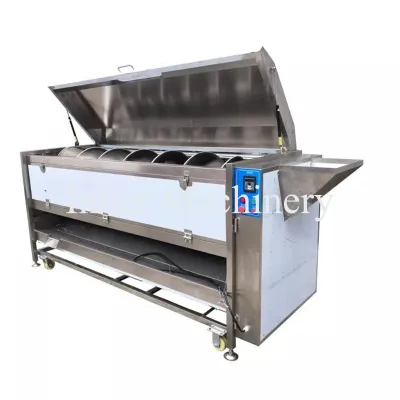
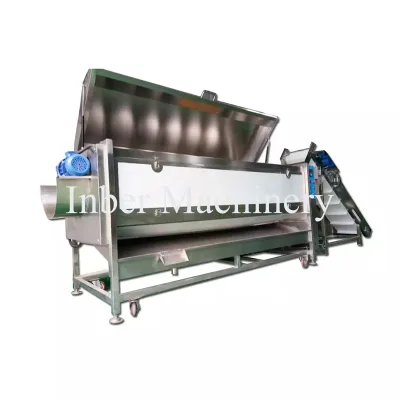


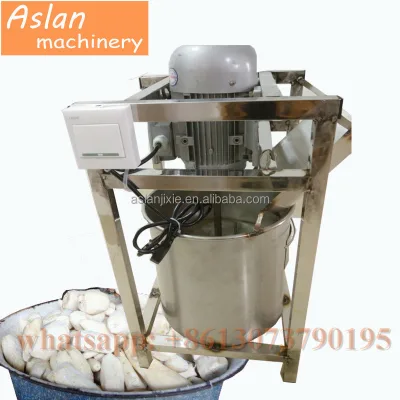

Cassava Peeling Machine Cassava Peeler and Washer for Cassava Processing Plant
$2800.00 - $20000.00
MOQ: 1 Sets

Cassava Peel and Chip Machine Cassava Peeler and Chipper Cassava Chipping Machine
$2800.00 - $20000.00
MOQ: 1 Pieces


Manihot Peeler and Chipper Machine Diesel Drive Cassava Slicer Machine
$2800.00 - $20000.00
MOQ: 1 Pieces

Cassava Cutting Machine/Cassava Peeling Machine/Cassava Peeler and Slicer
$2800.00 - $20000.00
MOQ: 1 Sets
Comprehensive Sourcing Guide
Strategic Sourcing Guide for High Productivity Cassava Peeler Machines
Understanding Technical Specifications and Performance Metrics
When sourcing a High Productivity Cassava Peeler Machine, the primary objective is to identify equipment that balances throughput with the integrity of the root vegetable. The market presents a diverse array of models, each defined by specific technical parameters that dictate operational efficiency. Buyers must scrutinize the power requirements, as the supplied data indicates a range of power ratings, including 1.1KW, 2.2KW, 2KW, and 4KW options. These figures are not merely electrical specifications but indicators of the machine's capacity to handle the mechanical stress of peeling dense tubers like cassava, sweet potatoes, and plantains.
A critical component of the technical evaluation is the voltage compatibility. The observed product listings reveal a split in electrical standards, with units operating at 220V and others at 380V. This distinction is paramount for international procurement, as the facility's electrical infrastructure must match the machine's requirements to prevent operational failure or safety hazards. Furthermore, the physical dimensions of the machinery vary significantly across models. Observed standard sizes range from compact units measuring approximately 11801080780mm to large-scale industrial units reaching 4000x1100x1550mm. Buyers must align these dimensions with their available floor space and production line layout.
The material composition of the machine is another non-negotiable technical factor. High-quality cassava peelers are constructed using SUS304 stainless steel or 304 stainless steel, ensuring resistance to corrosion and compliance with food safety standards. The peeling mechanism itself often utilizes brush rollers, with specific models featuring a diameter of 140mm, which influences the gentleness of the peel and the reduction of product waste. Additionally, the automation level is a key differentiator; many units are classified as "Automatic," reducing labor costs and increasing consistency. The process type is generally categorized as "Mild Processing," which is essential for preserving the texture and nutritional value of the cassava during the peeling and cleaning stages.
Compliance, Certification, and Regulatory Standards
Navigating the regulatory landscape is essential for ensuring that the machinery meets international safety and quality benchmarks. The supplied product data highlights specific certifications that serve as indicators of compliance. Notable certifications observed include CE and SGS. The CE mark signifies that the product conforms to health, safety, and environmental protection standards for products sold within the European Economic Area. SGS certification, often associated with inspection, verification, testing, and certification, provides an additional layer of assurance regarding the product's quality and reliability.
Buyers should verify that the specific model they intend to purchase carries these certifications for the target export market. While some listings mention ISO9001 as a background standard, this should be treated as a general quality management indicator rather than a specific product certification unless explicitly confirmed by the supplier. The origin of the machinery is predominantly China, with specific mentions of Shandong as a place of origin. This geographic concentration suggests a mature supply chain, but it also necessitates rigorous verification of the supplier's ability to meet the specific regulatory requirements of the buyer's country.
Compliance extends beyond the machine itself to the packaging and shipping standards. The data indicates various packing methods, including wooden boxes, plywood, and exported wooden cases. These packaging choices are often dictated by international phytosanitary regulations and the need to protect the machinery during long-distance transit. Ensuring that the packaging meets the standards of the destination country is a critical step in the procurement process to avoid delays at customs.
Cost Drivers and Pricing Dynamics
The financial aspect of sourcing high productivity cassava peelers is influenced by several variables, including customization, power capacity, and material quality. The observed price range in the market spans from approximately $408.24 to $20,000. This wide disparity reflects the difference between basic, smaller-scale units and large, fully automated industrial systems. The lower end of the spectrum likely corresponds to models with lower power ratings (e.g., 1.1KW) and standard configurations, while the higher end encompasses heavy-duty units with 4KW power, advanced automation, and custom engineering.
Customization is a significant cost driver. The product data shows that some units are "Customized" while others are "Non-Customized." Customization options, such as adjusting dimensions, modifying the brush roller configuration, or integrating specific cleaning features like spray pipes, will inevitably increase the unit cost. Buyers must weigh the benefits of a tailored solution against the budget constraints. Additionally, the material grade plays a role in pricing; units specified with "SUS304 Stainless Steel" or "304 Stainless Steel" may command a premium over those with unspecified or lower-grade materials, although the data suggests most high-quality units adhere to the 304 standard.
The Minimum Order Quantity (MOQ) is another factor affecting the total cost of acquisition. The observed MOQ range is between 1 and 3 units. For buyers looking to equip a single facility, an MOQ of 1 is advantageous, allowing for a pilot test of the machinery. However, for larger operations or those looking to distribute the equipment, negotiating an MOQ closer to 3 might offer better economies of scale, although specific bulk pricing discounts are not explicitly detailed in the provided data.
Typical Applications and Operational Versatility
High productivity cassava peeler machines are designed for a variety of applications within the food processing industry. The primary function of these machines is peeling, but many models also integrate cleaning and processing capabilities. The observed keywords and functions confirm that these machines are suitable for processing cassava, potatoes, sweet potatoes, and plantains. This versatility makes them valuable assets for facilities that handle multiple types of root vegetables, allowing for flexible production scheduling.
The application fields are diverse, ranging from commercial catering to large-scale industrial processing. The data explicitly mentions "Commercial Catering" and "Other" as application fields, indicating that these machines can be scaled for use in restaurant supply chains as well as in factories dedicated to cassava flour or starch production. The "Mild Processing" attribute suggests that the machines are designed to minimize damage to the product, which is crucial for maintaining the market value of the peeled cassava.
For buyers in the cassava processing sector, the ability to handle high volumes efficiently is a key requirement. The "High Efficiency" and "Nice Performance" attributes observed in the product listings suggest that these machines are optimized for continuous operation. The inclusion of features like spray pipes and video outgoing capabilities indicates that modern units are equipped to handle hygiene requirements and allow for remote monitoring or quality control checks. This operational versatility ensures that the machinery can adapt to changing production demands and varying raw material qualities.
Supplier Evaluation and Quality Assurance
Selecting the right supplier is as critical as selecting the right machine. Given the concentration of manufacturers in China, particularly in Shandong, buyers should prioritize suppliers who can demonstrate a track record of reliability and quality. The presence of certifications like CE and SGS is a positive indicator, but buyers should request valid certificates and verify their authenticity. It is also important to assess the supplier's ability to provide after-sales support, including technical assistance and spare parts availability.
Quality control should be integrated into the procurement process from the outset. Buyers should verify the material specifications, ensuring that the stainless steel used is indeed 304 grade. The dimensions and power ratings provided in the product data should be cross-referenced with the final contract specifications to ensure accuracy. Additionally, the packaging method should be confirmed to guarantee that the machine arrives in pristine condition. The "Exported Wooden Case" or "Plywooden" packaging options suggest a focus on international shipping standards, but buyers should specify their own requirements if necessary.
The customization capability of the supplier is another evaluation criterion. Since some models are "Customized" and others are "Non-Customized," buyers should determine their specific needs and assess whether the supplier can accommodate them. The ability to modify the brush roller diameter, adjust the voltage, or alter the dimensions can be a decisive factor in the final selection. Buyers should also inquire about the production lead time and the supplier's capacity to meet deadlines, although specific lead time figures are not provided in the current data.
Long-Term Procurement and Maintenance Considerations
Investing in a High Productivity Cassava Peeler Machine is a long-term decision that requires careful consideration of maintenance and lifecycle costs. The "Automatic Grade" and "Electric Power Source" features indicate that the machine will require regular maintenance to ensure optimal performance. Buyers should establish a maintenance schedule that includes cleaning the brush rollers, checking the spray pipes, and inspecting the electrical components. The availability of spare parts, particularly for the brush rollers and motors, is essential for minimizing downtime.
The customization aspect also has long-term implications. If a machine is customized to specific dimensions or functions, the buyer must ensure that the supplier can provide compatible spare parts in the future. The "According to Customer Requirements" packing and customization options suggest a flexible approach, but this flexibility must be balanced with the need for standardization to facilitate easier maintenance.
Furthermore, buyers should consider the energy efficiency of the machine. With power ratings ranging from 1.1KW to 4KW, the energy consumption will vary significantly. Over the lifespan of the machine, the difference in energy costs can be substantial. Buyers should evaluate the power consumption relative to the output capacity to determine the most cost-effective option. Finally, the "Video Outgoing" feature suggests that some models offer remote diagnostics or monitoring capabilities, which can be a valuable tool for long-term maintenance and troubleshooting.
Comparative Analysis of Key Model Specifications
To assist buyers in making an informed decision, the following table summarizes the key specifications observed across different models. This comparison highlights the variations in power, dimensions, and features that buyers should consider when selecting a machine.
| Model Reference | Power Rating | Voltage | Dimensions (mm) | Material | Key Features |
|---|---|---|---|---|---|
| FL-Sally | 1.1KW | 220V | 18006001200 | SUS304 Stainless Steel | Customized, Wooden Box |
| LV800W | - | - | 11801080780 | - | Plywooden Packing |
| LV800 | - | - | - | - | Non-Customized |
| SXP-H2000L | 4kw | - | 25005001050 | 304 Stainless Steel | CE, Exported Wooden Case |
| TSXM-15 | 2.2kw | 380V 50Hz | 4000x1100x1550 | - | Brush Roller Dia 140mm |
| TSXM-12-P | 2kw | - | 20008301350 | - | Spray Pipe 1set |
| General | 1.1KW - 4KW | 220V / 380V | 1180-4000mm | 304 Stainless Steel | Automatic, Mild Processing |
This table illustrates the diversity in the market. Buyers must match these specifications to their specific operational needs, considering factors such as available power supply, floor space, and the volume of cassava to be processed. The variation in dimensions and power ratings underscores the importance of a thorough needs assessment before placing an order. By carefully evaluating these technical details, buyers can ensure they select a machine that delivers the high productivity required for their cassava processing operations.
FAQs
What certifications do high productivity cassava peeler machines have?
High productivity cassava peeler machines typically carry CE and SGS certifications. These marks indicate compliance with international safety and quality standards, ensuring the equipment meets regulatory requirements for export and operation in various global markets.
Which voltage options are available for these peeling machines?
Available voltage options include 220V and 380V. Buyers must verify their facility's electrical infrastructure matches the specific model requirements to ensure safe operation and prevent potential equipment failure during the peeling process.
How is the machine material constructed for food safety?
The machines are constructed using SUS304 stainless steel or 304 stainless steel. This material choice ensures resistance to corrosion and maintains high hygiene standards required for processing root vegetables like cassava, potatoes, and sweet potatoes.
Can these machines be customized to specific requirements?
Customization is available for certain models, while others are sold as non-customized units. Buyers can request adjustments to dimensions or features, but availability depends on the specific model selected and the supplier's production capabilities.
What is the typical power consumption for these units?
Power ratings range from 1.1KW to 4KW depending on the model and capacity. Higher power units generally offer greater throughput for industrial applications, while lower power models suit smaller commercial or catering operations.
What packaging methods are used for international shipping?
Packaging options include wooden boxes, plywood crates, and exported wooden cases. These methods are designed to protect the machinery during long-distance transit and comply with international phytosanitary regulations for safe delivery.