Source High Productivity Rotary Rack Oven for Bread, Pizza, Cake
Find a High Productivity Rotary Rack Oven from 30 available listings. Compare models like BM-32C and HG-64Q with options for diesel, electric, or gas power. Evaluate specifications including tray capacity, temperature range, and automatic grade features for commercial baking needs.
Updated
Key considerations
Products List


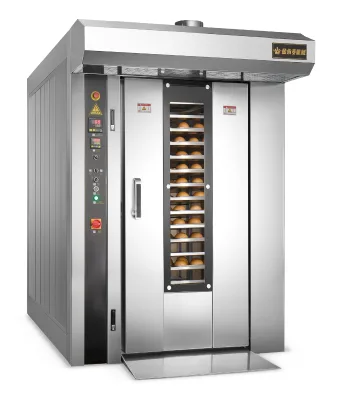
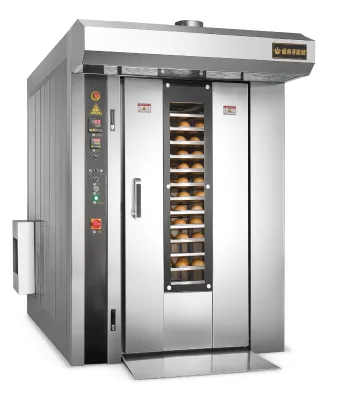
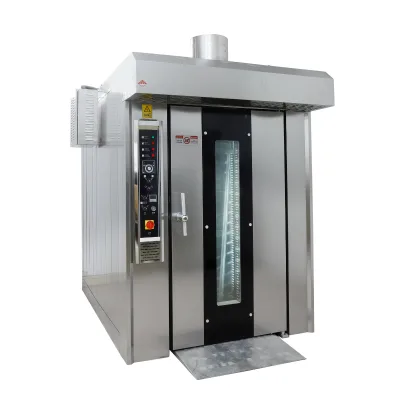
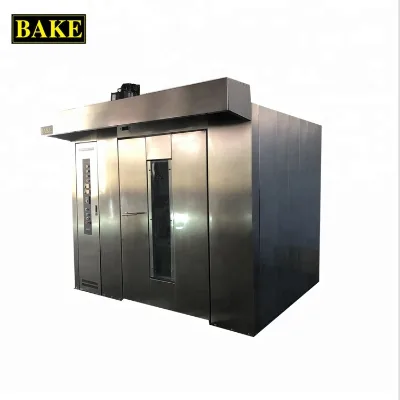
32 Trays Gas Electric Bakery Equipment Baking Ovens Rotary Rack Oven
$5373.12 - $6417.90
MOQ: 5 Pieces


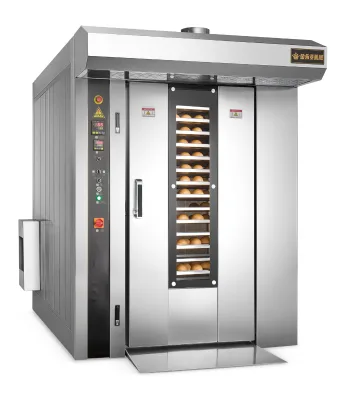
Commercial Kitchen Equipment Baking Oven 64 Trays Rotary Rack Oven
$10371.00 - $10800.00
MOQ: 1 Pieces

Commercial Kitchen Equipment Baking Oven High Quality 32 Trays Rotary Rack Oven
$6286.00 - $6600.00
MOQ: 1 Pieces




Comprehensive Sourcing Guide
High Productivity Rotary Rack Oven Sourcing Guide
Procuring a High Productivity Rotary Rack Oven requires careful alignment of technical specifications with production volume goals. These industrial units are designed for continuous baking operations, utilizing rotating racks to maximize throughput while ensuring even heat distribution across multiple trays. Buyers must evaluate the power source options, which range from diesel and electric to gas configurations, to match existing facility infrastructure. The observed market includes models with varying power ratings, such as 3.5kw and 52 Kw units, indicating a broad spectrum of capacity options. Understanding these energy requirements is the first step in selecting a machine that balances operational efficiency with utility costs.
The physical dimensions and tray capacity are critical factors that dictate floor space utilization and output volume. Listings show standard dimensions like 268018202450mm and 200828852420mm, with tray counts ranging from 32 to 64 trays. This variability allows buyers to tailor the equipment to specific bakery layouts and production schedules. Additionally, the customization options available, including non-customized and customized configurations, provide flexibility for unique baking needs. Buyers should assess whether standard models meet their requirements or if specific modifications are necessary for their product lines, such as bread, pizza, cake, or biscuit production.
Product Scope and Observed Listing Signals
The current market for rotary rack ovens presents a diverse array of models, each tailored to specific industrial baking demands. Observed listings indicate a price range of 1459-15000 USD, reflecting differences in capacity, power source, and component quality. Minimum order quantities (MOQ) are typically low, ranging from 1 to 5 units, which facilitates easier entry for smaller bakeries or pilot projects. The presence of both new and used conditions in the market offers additional flexibility for budget-conscious buyers. It is essential to verify the condition and history of any used equipment to ensure it meets current productivity and safety standards.
Product names and models vary, with identifiers such as BM-32C, BM-32D, NKT-32E, and HG-64Q appearing in listings. These designations often correlate with specific tray capacities and dimensional standards. For instance, some models are associated with 32 trays, while others support up to 64 trays. The packaging methods, including neutral packing and wooden cases, suggest varying levels of protection during transit. Buyers should pay close attention to these details to ensure the equipment arrives in optimal condition. Understanding these listing signals helps in narrowing down options and identifying suppliers that align with specific procurement needs.
Technical Specifications to Verify
Verifying technical specifications is crucial to ensure the oven meets production requirements. Key attributes include the power source, which can be diesel, electric, or gas, and the power rating, such as 3.5kw or 52 Kw. The voltage requirement of 380V is common, but buyers must confirm compatibility with their facility’s electrical infrastructure. The timing device is another essential feature, enabling precise control over baking cycles. Additionally, the automatic grade indicates the level of automation, which impacts labor efficiency and consistency. Buyers should request detailed technical sheets to validate these specifications against their operational needs.
Material quality and component brands also play a significant role in performance and durability. The combustion chamber is often constructed from all stainless steel 304, with thicknesses ranging from 1.5-2.0mm, ensuring resistance to corrosion and high temperatures. Burners from reputable manufacturers like Olympia (Japan) or Riello (Italy) are preferred for their reliability. Other components, such as the AC contactor and heating relay from Schneider, and meters and timers from Caho Brand, contribute to the oven’s overall functionality. Buyers should verify the origin and quality of these components to ensure long-term performance and ease of maintenance.
Compliance and Safety Documentation
Compliance with safety and quality standards is non-negotiable for industrial baking equipment. Certifications such as CE, CARB, FSC, ISO, and NSF indicate adherence to specific regulatory requirements. Buyers must verify that the supplier provides valid certification documents for each model purchased. These certifications ensure that the oven meets international safety and environmental standards, reducing liability and ensuring operational compliance. It is also important to check for any region-specific regulations that may apply, especially when importing equipment from different countries.
Safety features and documentation should be thoroughly reviewed before purchase. The oven’s design, including the air outlet plate thickness and chamber thickness, impacts safety and efficiency. For example, the air outlet plate is often made from S/S201 with a thickness of 2.0mm, while the chamber thickness is 1.2mm. These specifications should be documented and verified to ensure they meet safety standards. Additionally, buyers should request user manuals and safety guidelines to ensure proper operation and maintenance. Proper documentation not only ensures compliance but also aids in training staff and maintaining the equipment effectively.
Cost Drivers and Commercial Terms
Several factors influence the cost of a rotary rack oven, including power source, capacity, and component quality. Higher power ratings and larger tray capacities generally result in higher prices. The choice between new and used equipment also significantly impacts cost, with used units offering a more budget-friendly option. Buyers should consider the total cost of ownership, including energy consumption, maintenance, and potential downtime. Understanding these cost drivers helps in making informed decisions that balance initial investment with long-term operational efficiency.
Commercial terms, such as MOQ and lead times, are critical for planning procurement. The observed MOQ range of 1-5 units allows for flexible ordering, but buyers should confirm these terms with the supplier. Lead times can vary based on customization requirements and production schedules, so it is essential to establish clear timelines. Payment terms and warranty conditions should also be negotiated to protect the buyer’s interests. By understanding these commercial terms, buyers can avoid unexpected costs and ensure a smooth procurement process.
Supplier Qualification and Quality Control
Selecting a qualified supplier is vital for ensuring the quality and reliability of the rotary rack oven. Buyers should verify the supplier’s reputation, experience, and track record in the industry. Checking for certifications and compliance with international standards is a good starting point. Additionally, requesting references from previous clients can provide insights into the supplier’s service quality and product performance. It is also important to assess the supplier’s ability to provide after-sales support, including maintenance and spare parts availability.
Quality control measures should be implemented throughout the procurement process. Buyers should request detailed product specifications and conduct pre-shipment inspections to verify compliance with agreed-upon standards. Testing the oven’s performance, including temperature control and baking consistency, is essential before final acceptance. Establishing clear quality criteria and inspection protocols helps in identifying and addressing potential issues early. By prioritizing supplier qualification and quality control, buyers can mitigate risks and ensure the procurement of high-quality equipment.
Long-Term Procurement Checks
Long-term procurement success depends on regular maintenance and performance monitoring. Buyers should establish a preventive maintenance schedule to ensure the oven operates efficiently and safely. This includes regular cleaning, inspection of components, and calibration of controls. Tracking the oven’s performance metrics, such as energy consumption and baking quality, helps in identifying potential issues early. By maintaining a proactive approach to maintenance, buyers can extend the equipment’s lifespan and minimize downtime.
Continuous evaluation of supplier performance is also crucial for long-term procurement success. Buyers should regularly review the supplier’s service quality, responsiveness, and product reliability. Providing feedback and maintaining open communication helps in building a strong partnership. Additionally, staying informed about industry trends and technological advancements allows buyers to make informed decisions about future upgrades or replacements. By focusing on long-term procurement checks, buyers can ensure sustained operational efficiency and cost-effectiveness.
FAQs
What power sources are available for rotary rack ovens?
Rotary rack ovens are available with diesel, electric, and gas power sources. Specific models like the BM-32C use diesel power, while other variants operate on electric or gas. Buyers should verify the specific power requirement for their production facility before selecting a unit to ensure compatibility with existing infrastructure.
Which certifications do these ovens typically hold?
These ovens commonly hold CE certification, and some models also carry CARB, FSC, ISO, and NSF certifications. Buyers must check the specific product listing for the exact certification status as it varies by model. Ensuring the correct certification is vital for meeting local safety regulations and international trade requirements.
Can I find customized rotary rack ovens for my bakery?
Yes, customized rotary rack ovens are available for specific bakery needs. Some models are listed as customized while others are non-customized. Buyers should confirm the customization options directly with the supplier to ensure the oven dimensions, tray capacity, and power specifications match their unique production requirements.
What is the typical tray capacity for these ovens?
Tray capacities vary significantly, with models offering 32 trays or up to 64 trays. Specific dimensions like 400*600mm or 460*720mm are common for the trays. Buyers need to select a model based on their required output volume and available floor space to maximize baking efficiency.
How are these ovens packed for international shipping?
Packaging options include neutral packing, wooden cases, or wood plus box configurations. The specific packing method depends on the model and supplier. Buyers should verify the packing details to ensure the oven arrives safely and to understand any additional costs associated with the chosen packaging type.
What is the origin location for these rotary rack ovens?
Most of these ovens originate from Guangzhou, China. This location is a major hub for industrial baking equipment manufacturing. Buyers should account for shipping times and logistics costs when sourcing from this region to ensure timely delivery to their facility.
Which brands are used for key components like burners?
Key components often feature reputable brands such as Olympia from Japan or Riello from Italy for burners. Other parts may use Xinling motors or Schneider contactors. Buyers should request a detailed component list to verify the quality and origin of critical parts included in the oven.