Source High Resolution Fundus Camera for Clinics
Explore 30 High Resolution Fundus Camera options from verified Chinese manufacturers. Buyers can compare specifications like 16MP to 24.1MP resolution, pupil sizes, and connectivity interfaces to find suitable equipment for ophthalmology clinics, hospitals, and research centers; compare the available evidence and request quotations based on your requirements.
Key considerations
Products List

Factory Direct Sales High-Resolution Multifunctional Desktop Fundus Camera
$5000.00 - $5800.00
MOQ: 1 Pieces

Real-Time Observation Digital Transfer Automatic Fundus Camera for Diabetic Screening
$5000.00 - $5800.00
MOQ: 1 Pieces

Digital Eye Fundus Camera Portable Handheld Fundus Camera with Touch Screen
$4000.00 - $5000.00
MOQ: 1 Pieces
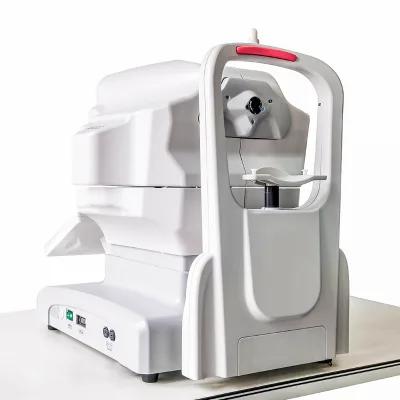


Ophthalmic Eye Fundus Camera Automated Fundus Camera Non-Mydriatic Fundus Camera
$11640.00 - $14550.00
MOQ: 1 Pieces

Automated Fundus Camera Non-Mydriatic Fundus Camera for Africa Ophthalmic Clinic
$11640.00 - $14550.00
MOQ: 1 Pieces

My-V036A-F Manufacturer Sale Fundus Camera with Angiography Function
$11200.00 - $14000.00
MOQ: 1 Pieces

Portable Non-Mydriatic Retinal Camera Fundus Camera Handheld Fundus Camera
$2438.00 - $3047.00
MOQ: 1 Pieces


Portable Non-Mydriatic Retinal Camera Fundus Camera Handheld Fundus Camera
$2800.00 - $3000.00
MOQ: 1 Pieces

Camera Top-Con Fundus Camera Ophthalmic Optical Equipments Retinal Fundus Camera
$2800.00 - $3000.00
MOQ: 1 Pieces

Ophthalmic Equipment New Design Reticam 3100 Fundus Camera with High Quality
$2000.00 - $30000.00
MOQ: 1 Pieces

Hot Selling Ophthalmic Equipment New Design Reticam 3100 Fundus Camera
$2000.00 - $30000.00
MOQ: 1 Pieces

Good Quality Ophthalmic Handheld Retinal Camera, Portable Fundus Camera for Eye
$200.00 - $5000.00
MOQ: 1 Pieces


Professional Medical Fundus Camera for Ocular Fundus Examination & Diagnosis
$1800.00 - $2200.00
MOQ: 1 Pieces


Portable Fundus Camera Handheld Retinal Camera with Ai Screening for Ophthalmology
$1890.00 - $2300.00
MOQ: 1 Pieces

2.5mm Pupil Non-Mydriatic Handheld Fundus Camera with 32GB SD Card and CE
$1890.00 - $2300.00
MOQ: 1 Pieces


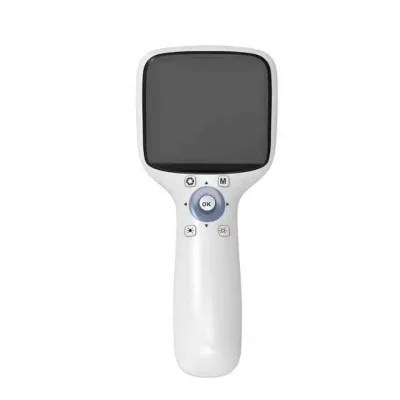


Comprehensive Sourcing Guide
High Resolution Fundus Camera Sourcing Guide
Procuring high-resolution fundus cameras requires distinguishing between portable handheld units and stationary desktop systems, as the observed market data reveals a wide variance in physical dimensions and weight. Buyers must carefully evaluate whether a device like the 440g handheld model or the larger 160x90x200mm unit best fits their specific clinical workflow and space constraints. The choice often hinges on the intended setting, ranging from mobile screening camps to fixed ophthalmology clinics, where the portability of a 450g device offers distinct advantages over bulkier alternatives.
The observed product listings indicate a diverse range of imaging capabilities, with some units offering 16MP resolution while others provide 24.1 megapixel sensors and 1920x1080 imaging resolution. This variation directly impacts the diagnostic utility of the captured retinal images, necessitating a clear definition of clinical requirements before engaging with suppliers. Procurement teams should prioritize models that align with their specific diagnostic needs, ensuring that the selected camera delivers sufficient detail for detecting pathologies without unnecessary complexity or cost.
Product Scope and Observed Listing Signals
The current market presents a spectrum of fundus camera models, including specific variants like the HSY-3100 MINI and the MK06, each designed with unique form factors and operational interfaces. Buyers should note that some units feature a 3.5-degree full-color TFT-LCD display, while others rely on external monitors or offer manual focus modes. Understanding these physical and functional differences is essential for matching the equipment to the technical environment of the purchasing facility.
Listing signals also reveal significant diversity in customization options, with some suppliers offering OEM support while others provide non-customized standard units. The presence of features like automatic fixation targets or manual focus modes suggests that buyers must verify the specific operational mode required for their staff's skill level. Additionally, the availability of different packing methods, such as carton or specialized fundus camera packing, indicates that logistics planning must account for the specific packaging requirements of the chosen model.
Technical Specifications to Verify
When evaluating technical performance, the minimum pupil size requirement is a critical specification that determines the camera's usability in various patient populations. The observed data highlights models capable of imaging through pupils as small as 2.5mm, while others require a minimum of 3.3mm, a distinction that can significantly affect patient throughput and diagnostic success rates. Buyers must verify that the selected device can operate effectively with the specific demographic of patients they serve to avoid equipment underutilization.
Imaging resolution and field of view are equally vital parameters that define the diagnostic quality of the captured images. While some units boast 16MP or 24.1 megapixel sensors, others offer a 45-degree field of view, which is standard for many fundus examinations. Procurement teams should cross-reference these specifications against clinical protocols to ensure the camera provides adequate coverage and clarity for detecting retinal diseases, ensuring that the investment yields high-quality diagnostic data.
Compliance and Safety Documentation
Regulatory compliance is a non-negotiable aspect of sourcing medical imaging equipment, with observed listings citing certifications such as CE, ISO, and ISO13485. These certifications indicate adherence to specific safety and quality management standards, which are essential for legal market entry and patient safety. Buyers must request and verify current certification documents for each specific model, as the presence of a certification on a general listing does not guarantee that every unit in a batch meets the same rigorous standards.
Safety documentation also includes details on illumination sources and electrical interfaces, which impact both patient comfort and operational safety. The observed data mentions infra-red illumination and white LED flash options, alongside interfaces like Mini USB and WiFi connectivity. Procurement teams should ensure that the chosen device's electrical and optical safety features align with local hospital regulations and that the manufacturer provides comprehensive user manuals detailing safe operation procedures for clinical staff.
Cost Drivers and Commercial Terms
The pricing landscape for high-resolution fundus cameras is broad, with observed ranges spanning from 200 to 30,000 USD, reflecting differences in technology, brand, and feature sets. This wide variance suggests that cost is driven by factors such as sensor resolution, portability, and the inclusion of advanced features like automatic fixation targets. Buyers should analyze the total cost of ownership, including potential maintenance and accessory costs, rather than focusing solely on the initial purchase price to ensure a sound financial decision.
Commercial terms, including minimum order quantities (MOQ) and warranty periods, vary significantly across suppliers, with some offering an MOQ of just one unit and others requiring larger volumes. The observed warranty period of three years for certain models indicates a commitment to product reliability, which is a crucial factor in long-term budgeting. Procurement teams must negotiate clear terms regarding delivery, payment schedules, and after-sales support to mitigate financial risks and ensure a smooth acquisition process.
Supplier Qualification and Quality Control
Supplier qualification involves verifying the origin and manufacturing capabilities of the vendor, with observed data pointing to production in regions like Jiangsu and Zhejiang, China. Buyers should assess the supplier's track record in producing medical devices and their ability to maintain consistent quality across different production batches. The presence of specific product models and standardized packaging suggests a level of industrial maturity, but direct verification of the supplier's quality control processes is essential.
Quality control measures should extend to the physical attributes of the product, such as weight, dimensions, and material standards. Observed specifications like a 440g weight or 160x90x200mm size provide benchmarks for verifying that the delivered goods match the ordered specifications. Buyers must implement rigorous incoming inspection protocols to ensure that the received units meet the agreed-upon standards for build quality, functionality, and safety before they are deployed in clinical settings.
Long-Term Procurement Checks
Long-term procurement success depends on establishing a robust support framework that includes warranty management and spare parts availability. The observed three-year warranty period for certain models highlights the importance of understanding the terms of coverage and the process for claiming repairs or replacements. Buyers should clarify the scope of the warranty, including whether it covers labor, parts, and shipping, to avoid unexpected costs during the product's lifecycle.
Continuous performance monitoring is also necessary to ensure that the fundus camera continues to meet clinical needs over time. Buyers should plan for regular maintenance checks and software updates, particularly for units with digital interfaces like WiFi or Mini USB. Establishing a relationship with the supplier for ongoing technical support and training ensures that the equipment remains a valuable asset, capable of delivering high-quality diagnostic images for years to come.
FAQs
What is the minimum pupil size for non-mydriatic fundus cameras?
The minimum pupil size for non-mydriatic fundus cameras is typically 3.3 mm. This specification allows for imaging without dilation in many cases. Some models support a minimum of 2.5 mm. These values ensure usability across different patient conditions. Buyers should verify specific model requirements before procurement to ensure clinical compatibility.
Which certifications are standard for high resolution fundus cameras?
Standard certifications for high resolution fundus cameras include CE and ISO13485. These marks indicate compliance with medical device regulations. Some products also display ISOCE certification. Buyers must verify that the supplier provides valid documentation. These certifications are essential for importing and deploying the equipment in regulated markets.
Can high resolution fundus cameras be customized for OEM requirements?
Yes, high resolution fundus cameras can be customized for OEM requirements. Many manufacturers offer customized support for branding and specifications. Some models are listed as non-customized, so buyers must check availability. Customization options allow for specific interface or packaging needs. This flexibility supports private labeling and specialized clinical workflows.
What is the typical warranty period for fundus cameras?
The typical warranty period for fundus cameras is three years. This duration covers manufacturing defects and component failures. Buyers should confirm the warranty terms with the supplier. A longer warranty indicates manufacturer confidence in product durability. This support reduces long-term operational risks and maintenance costs for clinics.
How is the fundus camera typically packed for shipping?
The fundus camera is typically packed in cartons or specialized packing. Shipping methods include air or sea freight depending on urgency. The packaging protects the device during transit. Buyers should specify packing preferences to ensure safe delivery. Proper packaging prevents damage and maintains the integrity of sensitive optical components.
What is the minimum order quantity for fundus cameras?
The minimum order quantity for fundus cameras can be as low as one unit. This allows for single-item purchases for testing or small clinics. Some suppliers may require higher volumes for custom orders. Buyers should check the specific MOQ for their chosen model. Low MOQs facilitate easier entry into the market for new buyers.
Where are high resolution fundus cameras typically manufactured?
High resolution fundus cameras are typically manufactured in China. Specific origins include Jiangsu and Zhejiang provinces. These regions have established supply chains for medical devices. Buyers should verify the exact origin for quality and logistics. Knowing the location helps in estimating lead times and shipping costs.