Source High Shock and Wear Resistant Trenching Cutter Picks for Road Milling, Trench Excavation, and Coal Mining
Find and compare 30 High Shock and Wear Resistant Trenching Cutter Picks from Chinese manufacturers. These tungsten carbide and alloy steel tools are designed for durability in road milling, trench excavation, and coal mining applications, with options for customization and fast delivery.
Key considerations
Products List
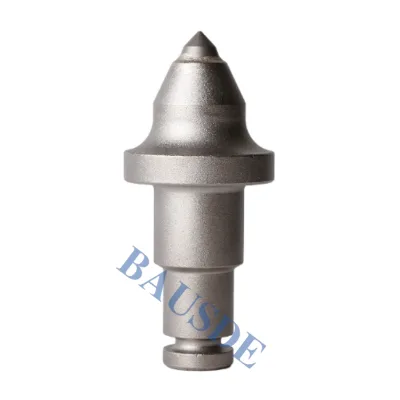
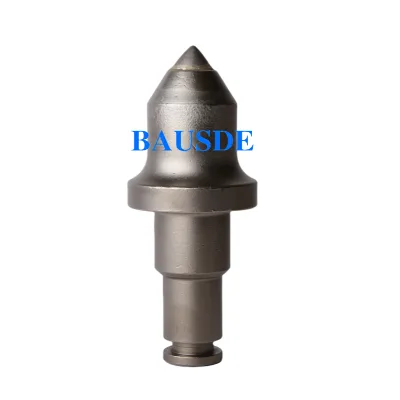
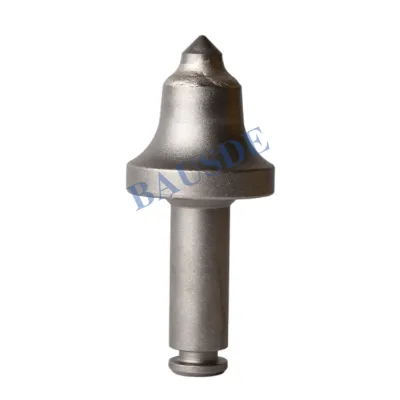


Long Service Life Round Shank Wear Resisting Trenching Picks for Industry
$6.00 - $9.00
MOQ: 100 Pieces


Highfacing Kennametal Trenching Round Shank Cutter Picks for Trenching Machine
$10.00 - $18.89
MOQ: 500 Pieces


Comprehensive Sourcing Guide
High Shock and Wear Resistant Trenching Cutter Picks Sourcing Guide
Selecting the right trenching cutter picks is a critical decision for any procurement team managing heavy machinery fleets in construction, agricultural, or mining sectors. These components are subject to extreme mechanical stress, making their durability and resistance to wear direct indicators of operational efficiency and downtime costs. Buyers must prioritize specifications that align with the specific abrasive conditions of their job sites, ensuring that the selected picks can withstand high-impact forces without premature failure. This guide provides a structured approach to evaluating suppliers, verifying technical attributes, and establishing commercial terms that protect your investment in these essential drilling and excavation tools.
The market for trenching bits and bullet teeth is diverse, with manufacturers offering various material compositions and processing techniques to meet different performance demands. Understanding the distinction between standard alloy steel components and those enhanced with tungsten carbide inserts is vital for making informed purchasing decisions. This guide focuses on high-performance options that emphasize shock resistance and wear durability, helping buyers navigate the complexities of supplier claims, certification requirements, and quality control processes to secure reliable supply chains for their heavy equipment needs.
Product Scope and Observed Listing Signals
The product landscape for trenching cutter picks includes a variety of configurations, such as trenching bits and bullet teeth, designed for specific excavation tasks. Observed listings indicate that these tools are primarily used for trench excavation in agricultural and construction work, as well as road milling and coal mining applications. The material composition frequently cited involves a combination of tungsten carbide and alloy steel, or pure carbide variants, processed through casting or forging methods. Buyers should note that while some listings highlight "high shock and wear resistance," these are observed attributes that require independent verification to ensure they match the specific operational demands of your machinery.
Listing signals also reveal significant variation in packaging and branding, with some suppliers offering plastic box and steel cage packaging while others use simple plastic boxes. The observed price range for these items is notably low, spanning from $3 to $29.8 USD, which may suggest differences in material quality, manufacturing origin, or included services. It is important to treat these price points as observations rather than definitive market averages, as the final cost will depend heavily on the order quantity, customization requirements, and specific model numbers such as TS30 CX or ts36. Buyers must carefully cross-reference these listing details with their own technical requirements to avoid selecting components that may not perform adequately under heavy load conditions.
Technical Specifications to Verify
When evaluating trenching cutter picks, the material composition is the most critical technical factor to verify. High-quality picks often feature tungsten carbide tips welded or inserted into an alloy steel body to maximize wear resistance while maintaining structural integrity. Buyers should confirm the specific grade of carbide used and the hardness of the steel substrate, as these directly influence the tool's ability to resist abrasion and impact. Additionally, the processing type, whether casting or forging, plays a significant role in the internal grain structure and overall durability of the pick. Forging is generally preferred for high-stress applications due to its superior strength and fatigue resistance compared to casting.
Dimensional specifications and compatibility are equally important to ensure seamless integration with existing machinery. Listings indicate standard wheel sizes of 60mm and 70mm, but buyers must verify that the selected model number, such as TS30 CX or ts5, matches the shank dimensions and mounting interface of their specific excavator or trencher. The weight of individual units, observed around 1.35 kg for some models, can also serve as a proxy for material density and robustness. It is essential to request detailed technical drawings or dimensional data sheets from suppliers to confirm that the picks will fit correctly and perform as expected in your specific equipment configuration.
Compliance and Safety Documentation
Certification status is a key indicator of a supplier's commitment to quality management and regulatory compliance. Many observed listings mention CE and ISO9001 certifications, which suggest that the manufacturing facilities adhere to international standards for quality control and product safety. Buyers should request valid copies of these certificates and verify their authenticity through the respective certification bodies. While these certifications do not guarantee the performance of every individual unit, they provide a baseline assurance that the supplier has established processes for consistent manufacturing and quality assurance.
In addition to general certifications, buyers should inquire about specific test reports or quality control procedures related to shock and wear resistance. Although specific test results are not provided in the observed data, reputable suppliers should be able to demonstrate how they validate the durability of their products. This may include impact testing, hardness testing, or wear simulation studies. Understanding the supplier's quality control protocols, such as video outgoing inspections, can provide additional confidence in the consistency of the product batch. Buyers should ensure that all compliance documentation is up-to-date and covers the specific models being procured.
Cost Drivers and Commercial Terms
The cost of trenching cutter picks is influenced by several factors, including material costs, manufacturing complexity, and order volume. The observed minimum order quantity (MOQ) ranges from 1 to 3000 pieces, with some listings specifying an MOQ of 3000 PCS. Higher volumes typically result in lower unit prices, but buyers must balance this with their inventory holding costs and consumption rates. The observed price range of $3 to $29.8 USD reflects this variability, with lower prices likely corresponding to smaller quantities or standard models, while higher prices may reflect bulk orders or specialized configurations.
Commercial terms such as payment methods and delivery times also impact the total cost of ownership. Most suppliers offer T/T (Telegraphic Transfer) as a payment term, and delivery times are typically around 30 days. Buyers should negotiate clear terms regarding lead times, especially for urgent orders, and consider the implications of potential delays on their project schedules. Additionally, warranty terms, such as the observed 1-year warranty, should be clearly defined in the contract to protect against defects. Understanding these commercial variables allows buyers to make more accurate cost comparisons and select suppliers that offer the best value proposition for their specific procurement needs.
Supplier Qualification and Quality Control
Supplier qualification involves assessing the manufacturing capabilities and quality control systems of potential vendors. Many suppliers identify themselves as factories with significant production capacities, ranging from 30,000 to 50,000 pieces per month. This capacity suggests the ability to handle large orders and maintain consistent supply. Buyers should verify the supplier's location, with origins in regions like Jiangxi and Shandong in China, and assess their logistical capabilities to ensure timely delivery. Customization options are also available, allowing buyers to tailor picks to specific requirements, but this may impact lead times and costs.
Quality control is paramount in ensuring the reliability of trenching cutter picks. Buyers should inquire about the supplier's inspection processes, including incoming material checks, in-process inspections, and final outgoing inspections. The observation that video outgoing inspections are provided is a positive indicator, as it allows buyers to visually verify the condition of the products before shipment. Additionally, suppliers should have clear procedures for handling defects and returns, supported by their warranty offerings. Establishing a strong relationship with a supplier that prioritizes quality control can help mitigate risks and ensure a steady supply of high-performance components.
Long-Term Procurement Checks
Long-term procurement success depends on continuous monitoring of supplier performance and product quality. Buyers should establish key performance indicators (KPIs) such as on-time delivery rates, defect rates, and responsiveness to issues. Regular audits of the supplier's quality management systems can help identify potential problems before they impact production. Additionally, staying informed about industry trends and technological advancements in trenching cutter picks can help buyers make informed decisions about product upgrades or changes in suppliers.
Building a diversified supplier base can also mitigate risks associated with single-source dependencies. By engaging with multiple qualified suppliers, buyers can ensure continuity of supply and leverage competition to maintain favorable pricing and service levels. Regular communication with suppliers about performance feedback and future requirements can foster a collaborative relationship that benefits both parties. Ultimately, a proactive approach to supplier management and quality assurance will help buyers secure the best value and reliability for their High Shock and Wear Resistant Trenching Cutter Picks.
FAQs
What material are the trenching cutter picks made of?
The trenching cutter picks are constructed from Tungsten Carbide and Alloy Steel. This combination ensures high shock and wear resistance for demanding applications like trench excavation in agricultural and construction work.
Can I get these picks with a warranty?
Yes, the product comes with a 1-year warranty. This after-sales service covers the durability and excellent wear-resistance features provided by the manufacturer for the specified period.
What is the minimum order quantity for these picks?
The minimum order quantity is 3000 pieces. Buyers must meet this threshold to place an order, as the supplier requires this volume for production and delivery scheduling.
How long does delivery take for these picks?
Delivery takes about 30 days after the order is confirmed. This lead time applies to the standard production cycle for the trenching bits and bullet teeth listed.
Which certifications do these picks hold?
The products hold CE and ISO9001 certifications. These standards confirm that the manufacturing process meets specific quality and safety requirements for industrial drilling tools.
What is the monthly production capacity for these picks?
The factory has a monthly capacity of 30,000 to 50,000 pieces. This volume supports consistent supply for large-scale trenching and road milling projects.
Can these picks be customized for specific needs?
Yes, customization is available for these trenching cutter picks. Buyers can request specific colors or modifications to suit their particular machinery or application requirements.