Source Frosted Carbon Fiber Pickleball Paddle for Training, Competition, Outdoor
Find 30 suppliers offering Frosted Carbon Fiber Pickleball Paddle options with high strength and customizable logos. Compare specifications for training, competition, and outdoor sports applications from manufacturers in Shenzhen; compare the available evidence and request quotations based on your requirements.
Key considerations
Products List


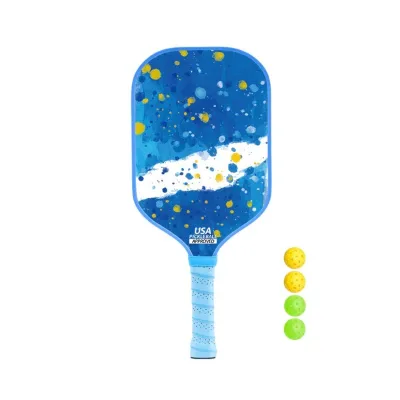


Mini Pickleball Paddle Frosted Carbon Fiber Pickleball Paddle with Cover
$12.30 - $12.50
MOQ: 50 Pieces


Comprehensive Sourcing Guide
Frosted Carbon Fiber Pickleball Paddle Sourcing Guide
Sourcing frosted carbon fiber pickleball paddles requires a nuanced understanding of material properties and surface finishes that distinguish premium equipment from standard alternatives. The core material identified in current listings is polyacrylonitrile-based carbon fiber, which provides the high-strength and high-performance characteristics essential for competitive play. Buyers must recognize that while the base material is consistent, the specific strength grades available, such as T300, T700, T800, or T1000, vary significantly in cost and performance. These grades dictate the paddle’s stiffness and power transfer, making it critical to specify the exact carbon fiber grade during the initial inquiry phase to ensure the product meets the intended performance tier.
The surface finish plays a pivotal role in both aesthetics and functionality, with options ranging from matte to glossy treatments. A frosted finish often implies a specific texture or visual quality that can enhance grip or reduce glare, though buyers should verify if this is a standard offering or a custom request. The weave patterns available, including 1.5K, 3K, 4K, and 15K, further influence the visual appeal and structural integrity of the paddle. Understanding these variations allows procurement teams to align product specifications with brand identity and player preferences, ensuring that the final product delivers both the desired tactile experience and the mechanical reliability required for serious competition.
Product Scope and Observed Listing Signals
The current market landscape for carbon fiber pickleball paddles reveals a diverse range of product types, including models specifically designed for tennis rackets and net posts, indicating a versatile manufacturing capability among suppliers. Listings frequently highlight items such as the DL-031 model and various peaks racket designs, which are marketed as optimal for control and power balance. These signals suggest that manufacturers are capable of producing equipment for multiple racquet sports, leveraging similar carbon fiber composite technologies. Buyers should note that while the core material remains consistent, the specific application and shape of the paddle, whether for pickleball or tennis, require distinct mold designs and quality control protocols to ensure proper weight distribution and balance.
Observed product attributes also include specific usage scenarios such as training, competition, and sponge ball activities, which help categorize the intended performance level of the paddle. Some listings reference intermediate players and beginner-friendly options, suggesting a broad spectrum of product tiers available from single suppliers. The presence of OEM capabilities, including custom printing and logo addition, indicates that many manufacturers are equipped to handle branded orders. This flexibility is crucial for businesses looking to establish their own product lines, as it allows for significant customization in terms of branding, surface treatment, and potentially even structural modifications to meet specific market demands or player feedback.
Technical Specifications to Verify
When evaluating technical specifications, buyers must prioritize the verification of carbon fiber strength grades and weave patterns to ensure the paddle meets performance expectations. The availability of T300 through T1000 grades means that mechanical properties can vary widely, so it is essential to request detailed material data sheets that confirm the specific grade used in production. Additionally, the surface treatment options, such as UV print or matte/glossy finishes, should be confirmed for durability and resistance to wear during intense play. These factors directly impact the paddle’s longevity and player satisfaction, making them critical points of verification before placing large orders or committing to a supplier relationship.
Factory capabilities and production standards are equally important technical considerations that influence the final product quality. Suppliers with a factory area of 10,000 square meters and a workforce of 110 employees may have varying capacities for quality control and production speed. Buyers should inquire about the specific production processes used to laminate the carbon fiber layers and apply the surface finish, as these steps are crucial for maintaining structural integrity. Furthermore, the packaging methods, whether hard outer cartons or paper boxes, should be assessed for their ability to protect the paddles during shipping, especially when dealing with fragile composite materials that can be susceptible to damage if not handled correctly.
Compliance and Safety Documentation
Compliance and safety documentation are foundational elements that must be addressed early in the sourcing process to mitigate legal and operational risks. Buyers should request evidence of adherence to relevant international standards for sports equipment, although specific standard numbers may vary by region and product type. It is crucial to verify that the materials used, including the polyacrylonitrile-based carbon fiber and any adhesives or coatings, are free from harmful substances and meet environmental regulations. This due diligence not only ensures product safety but also protects the brand from potential liabilities associated with defective or non-compliant goods in the marketplace.
Additionally, suppliers should provide clear documentation regarding the origin of materials and the manufacturing location, which is often cited as China or Shenzhen in current listings. This transparency is vital for supply chain visibility and helps buyers assess the reliability and ethical standards of their suppliers. Buyers should also inquire about any third-party testing or certifications that validate the mechanical properties and durability of the paddles. Having access to these documents allows for a more informed decision-making process and provides a layer of assurance that the products meet the necessary quality and safety benchmarks required for sale in target markets.
Cost Drivers and Commercial Terms
Cost drivers for frosted carbon fiber pickleball paddles are primarily influenced by the grade of carbon fiber used, the complexity of the surface finish, and the level of customization required. Higher strength grades like T700 or T1000 will naturally command a higher price point due to their superior mechanical properties and manufacturing costs. Similarly, custom surface treatments, such as specific frosted textures or UV printing, add to the production expense. Buyers should also consider the impact of order volume on pricing, as larger quantities often result in economies of scale that can reduce the per-unit cost, making it essential to negotiate based on realistic forecasted demand.
Commercial terms, including minimum order quantities (MOQ) and payment conditions, vary significantly among suppliers and must be carefully negotiated to align with business cash flow and inventory management strategies. Observed MOQ ranges can span from as low as one unit to as high as one thousand units, offering flexibility for both small-scale testers and large-volume buyers. It is advisable to clarify all terms related to shipping, packaging, and potential additional fees for logo customization or design changes. Understanding these commercial dynamics helps in creating a accurate total cost of ownership model, ensuring that the final procurement decision is financially sound and sustainable for long-term business operations.
Supplier Qualification and Quality Control
Supplier qualification involves a thorough assessment of manufacturing capabilities, quality control processes, and past performance records to ensure reliability and consistency. Buyers should verify the supplier’s experience in producing carbon fiber sports equipment, paying close attention to their factory size, employee count, and production history. A supplier with a substantial factory area and a dedicated workforce is likely to have more robust quality control measures in place, reducing the risk of defects and inconsistencies in the final product. Additionally, requesting samples and conducting independent testing can provide valuable insights into the actual quality and performance of the paddles before committing to a larger order.
Quality control protocols should be clearly defined and agreed upon with the supplier, including specific inspection criteria for surface finish, structural integrity, and packaging. Buyers should inquire about the supplier’s process for handling defects and returns, as well as their commitment to maintaining consistent quality across production batches. Establishing a clear communication channel for addressing quality issues promptly is essential for maintaining product standards and customer satisfaction. By prioritizing suppliers with strong quality control systems and transparent communication practices, buyers can minimize risks and ensure a steady supply of high-quality frosted carbon fiber pickleball paddles.
Long-Term Procurement Checks
Long-term procurement checks focus on building a resilient supply chain that can adapt to changing market demands and maintain consistent product quality over time. Regular audits of supplier performance, including delivery times, product quality, and responsiveness to issues, are essential for identifying potential problems early and implementing corrective actions. Buyers should also stay informed about advancements in carbon fiber technology and manufacturing processes, as these developments can offer opportunities for cost savings or performance improvements. By maintaining a proactive approach to supplier management, businesses can ensure that their procurement strategy remains competitive and aligned with evolving customer expectations.
Furthermore, fostering strong relationships with suppliers through open communication and collaborative problem-solving can lead to better pricing, priority production, and access to new product innovations. Buyers should consider diversifying their supplier base to mitigate risks associated with single-source dependencies, while also maintaining close partnerships with key suppliers who have demonstrated reliability and quality. Regularly reviewing and updating procurement policies and supplier evaluation criteria ensures that the sourcing strategy remains effective and responsive to market changes. This long-term perspective helps in building a sustainable and efficient procurement operation that supports business growth and customer satisfaction.
FAQs
What materials are used in carbon fiber pickleball paddles?
Carbon fiber pickleball paddles are primarily constructed using polyacrylonitrile-based carbon fiber. This material provides high strength and excellent elasticity, ensuring optimal balance for control and power during play. The core structure often integrates wood or graphite layers to enhance durability and impact resistance for both beginners and intermediate players seeking reliable performance.
Can I customize the logo on my pickleball paddle?
Yes, customization is available for most carbon fiber pickleball paddles. Buyers can add their own logo or design through OEM services, often with free logo addition options. This allows brands to create unique products for training or competition, ensuring the final item reflects specific corporate identity or personal preference while maintaining high-performance standards.
What are the common weave types for carbon fiber paddles?
Common weave types include 1.5K, 3K, 4K, and 15K carbon fiber. These variations affect the visual texture and surface finish, offering matte or glossy options. The weave density influences the paddle's aesthetic appeal and tactile feel, allowing players to choose a style that suits their preference for training, competition, or casual sponge ball games.
Where are these carbon fiber paddles typically shipped from?
These products are typically shipped from Shenzhen, China. The manufacturing facilities often span around 10,000 square meters with approximately 110 employees. This location supports efficient logistics for global distribution, ensuring that finished paddles reach international buyers promptly while maintaining consistent quality control throughout the production and packaging processes.
What packaging is used for carbon fiber pickleball paddles?
Paddles are usually packed in hard outer packaging cartons or paper boxes to ensure safe transit. Some items may use specific carton types for added protection. This robust packaging prevents damage during shipping, preserving the matte or glossy surface finish and structural integrity of the carbon fiber material until it reaches the end user or retailer.
Which carbon fiber strengths are available for these paddles?
Available strength grades include T300, T700, T800, and T1000 carbon fiber. These high-performance types offer varying levels of tensile strength and stiffness. Buyers can select the appropriate grade based on desired power and control characteristics, ensuring the paddle meets specific requirements for competitive play, training sessions, or recreational sponge ball activities.