Source High Speed Digital Color Photocopier for offices, schools, and print shops
Find 30 High Speed Digital Color Photocopier models from global suppliers. Compare specifications like print speed, scanning resolution, and paper capacity to select the right unit for your business needs; compare the available evidence and request quotations based on your requirements.
Updated
Key considerations
Products List
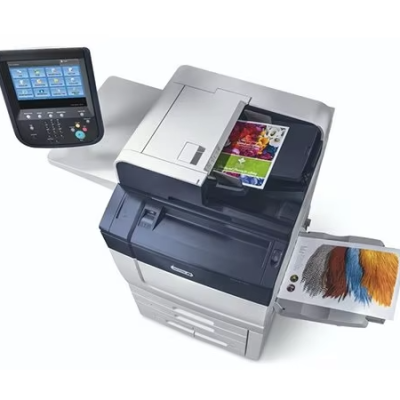
New Lnnovation Photo Copier Brand New Photocopy Photocopier Commercial Color Copier
$2209.0564 - $2517.2968
MOQ: 1 sets
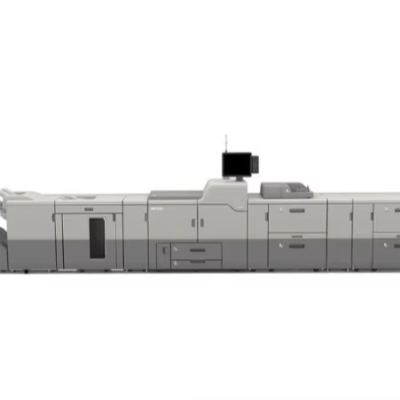
New Design Premium Photo Printer Industrial Photocopier Machine Printer Copier
$11096.6518 - $11764.5066
MOQ: 1 sets
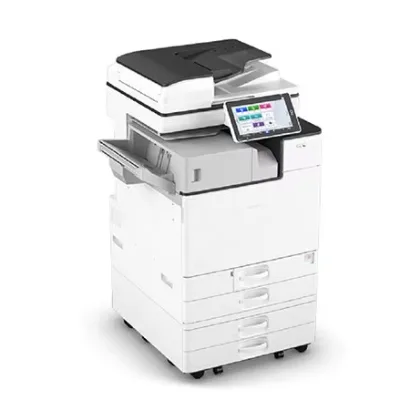
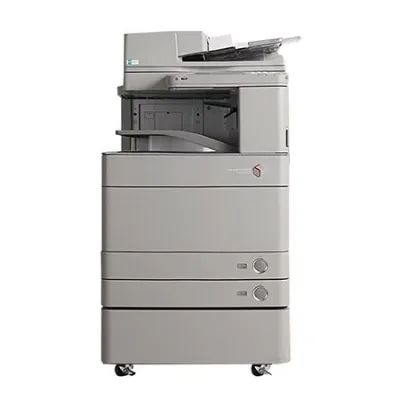
Newold Remanufactured Multifunction Color Photocopier Fax Machine Used Copier Printer
$734.6407 - $770.6016
MOQ: 1 sets
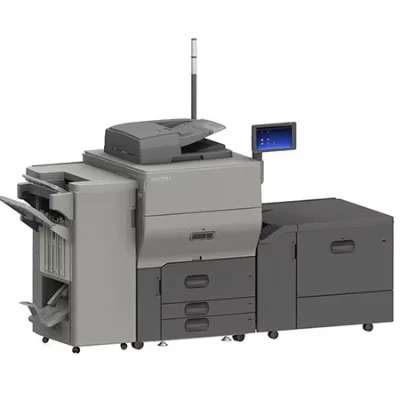
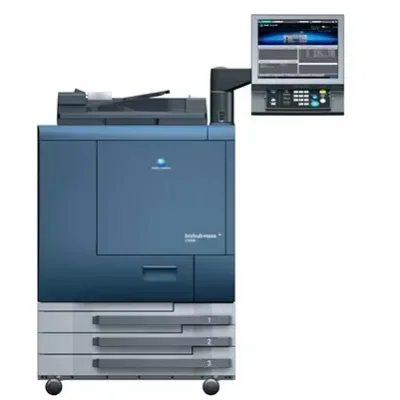


Used High Speed Portable A3 Color Photo Copier High Production Printer
$19800.00 - $21000.00
MOQ: 1 sets

Office Color Printers Copiers Photocopier for Konica Minolta C227 C287
$3900.00 - $4800.00
MOQ: 1 sets


Refurbished Photocopier Machine for Use in Sharp Mx6081 A3 Used Digital Printers
$1200.00 - $3200.00
MOQ: 1 Pieces
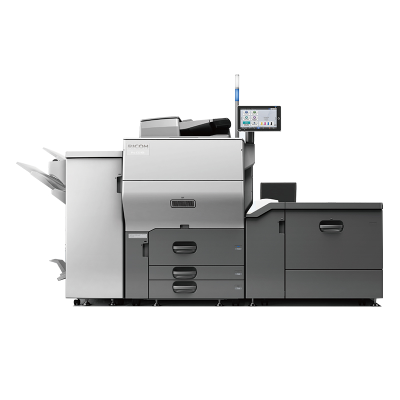
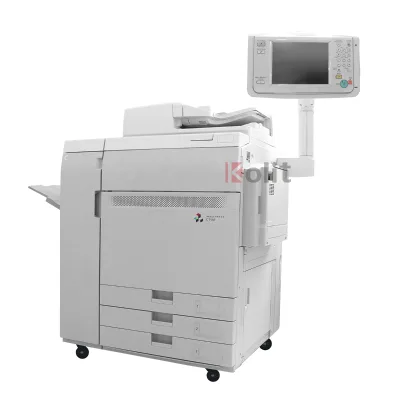
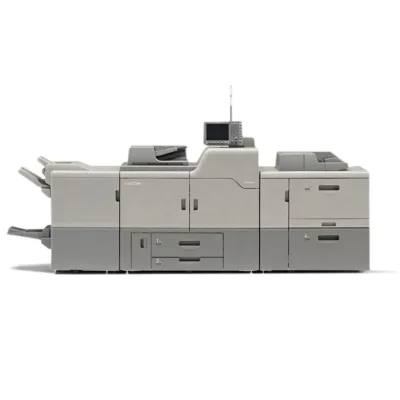
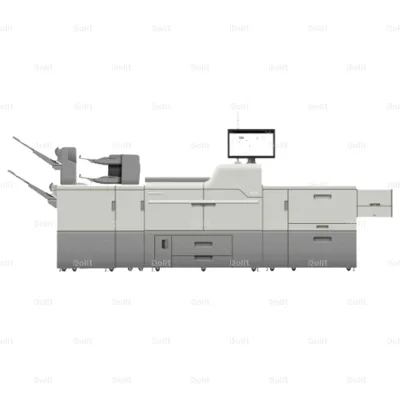
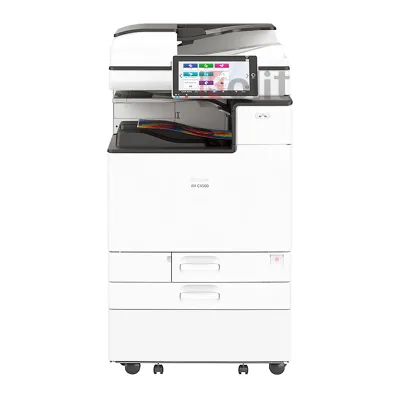
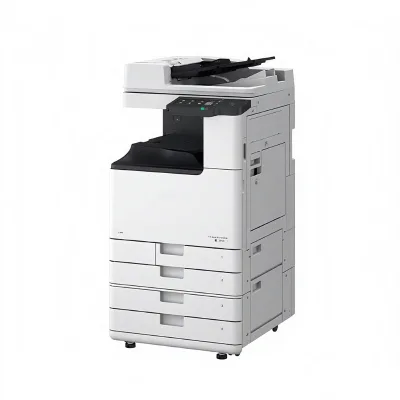


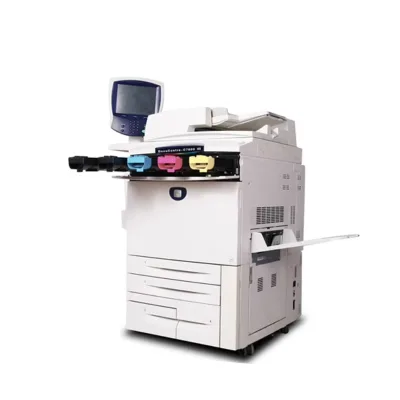
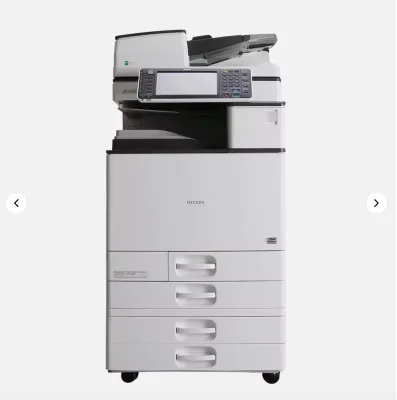

Konica Minolta C1085 C1100 C6085 C6100 High Speed Production Photocopier Copier A3
$1.00 - $16000.00
MOQ: 1 Pieces
Comprehensive Sourcing Guide
High Speed Digital Color Photocopier Sourcing Guide
Procuring a High Speed Digital Color Photocopier through B2B channels requires balancing throughput requirements against verified specifications, compliance documentation, and defensible commercial terms. The listings observed in this category span a wide spectrum: from original-equipment photocopiers sourced from Japan to compatible supplies and remanufactured machines of Chinese origin, with advertised prices ranging from as little as one dollar for consumable items to forty-five thousand dollars for complete high-end devices. That spread alone signals why disciplined verification matters before committing to a purchase order.
This guide is structured around the decisions a procurement team actually makes: defining the product scope, validating technical claims, demanding proper documentation, negotiating cost drivers, qualifying suppliers, and planning for the long service life that office imaging equipment typically demands. Each section focuses on evidence available in supplier listings and the questions a buyer should resolve in writing before payment. Treat every listed attribute as a claim to be confirmed, not a guarantee, and use the checks below as a checklist throughout the sourcing cycle.
Product Scope and Observed Listing Signals
The listings in this category cover several distinct product families. Observed model numbers include Ricoh lines such as PROC7200/7210 variants, PROC5300/5310, MP C6003, and IMC2500/3500/4500/6000; Konica Minolta bizhub machines including C554e; Canon IR-Adv C5551i; Sharp MX6081; a Kyocera-style BH C6000-7000; and models C9065/C9070, C5235 through C5255, plus C6085, C227, and C4080. Buyers should first clarify whether a listing is a complete copier, a component, or a consumable, because model-number references appear on toner and parts listings as well as on full devices.
Signals that distinguish device listings from supply listings include attributes such as maximum print speed (observed values of 55, 70, and 75 ppm), scanning resolution, and automatic document feeder specifications. Consumable listings, by contrast, emphasize attributes such as Japan toner powder standard, 100% testing before delivery, neutral packing, and an 18-month warranty, with a stated use case in Konica Minolta bizhub C554e. Matching the listing type to your procurement intent—complete machine versus replacement supply—is the first scoping decision, and mismatched intent is the most common early sourcing error in this category.
Technical Specifications to Verify
Print speed claims deserve the closest scrutiny because they anchor machine tier. Observed listings advertise 55 ppm on the PROC7200 family, 70 ppm on the C9065/C9070, and 75 ppm on another listing, yet none state whether these figures are for color or monochrome output, at what coverage, or on which paper size. Ask suppliers to confirm speed in your expected operating mode, and note that the maximum copy size is listed as A4 on some entries while other entries reference digital operating principle with high copy speed—confirm the paper sizes your workflows require.
Scanning and duplexing specifications also vary meaningfully. Observed scanning resolutions range from 1200×1200 DPI to 2400×2400 DPI, and one listing specifies an automatic document feeder while another confirms automatic double-sided function. Control interfaces differ too: one listing specifies button control and Bluetooth interface, which may not match networked office environments expecting touch panels and wired connectivity. Request full specification sheets for the exact model number quoted, since model families such as PROC7200/7210/7200S/7210X/7200SX contain multiple variants with differing capabilities, and a suffix difference can change the machine you receive.
Compliance and Safety Documentation
One observed listing explicitly cites certificates including ISO9001, ISO14001, CE, STMC, and RoHS. These cover quality management, environmental management, European market access, consumable industry standards, and hazardous-substance restrictions respectively. When a supplier claims any of these, request the actual certificate documents, check the certificate number against the issuing body's records where verification is possible, and confirm the scope of the certificate covers the specific product model rather than the factory in general. Never accept a certification logo in a listing image as proof.
For destinations outside the origin market, clarify which safety and electromagnetic-compliance markings apply to your import region, and ask the supplier to state in writing which certifications the specific unit holds. Consumables carry additional expectations: a listing referencing Japan toner powder and neutral packing suggests attention to material provenance and branding, but buyers importing toner should independently confirm chemical-compliance documentation for their market. For complete machines, request operation manuals, safety data sheets for consumables, and confirmation of rated voltage and plug standard compatibility before shipment.
Cost Drivers and Commercial Terms
The observed price range—from one dollar to forty-five thousand dollars—reflects fundamentally different products, so comparison shopping only within like categories is meaningful. For complete machines, cost drivers include output speed tier, color versus monochrome configuration, finishing options, and whether the unit is new or refurbished, though listings in this set do not consistently disclose condition. For consumables, price varies with toner construction, yield rating, and whether the item is original, compatible, or remanufactured; a listing selling a single item versus a package (one entry notes double-package development) will price differently per unit.
Commercial terms to settle in writing include minimum order quantity—observed listings show MOQ values of one to two units, which favors trial purchases—shipping method, and responsibility for freight damage. One listing advertises FedEx, DHL, UPS, TNT, air, sea, and railway shipping options; obtain quoted freight costs for each mode since heavy office equipment makes the mode choice a significant cost variable. Confirm incoterms, payment instrument, whether the quoted price includes packing, and any surcharges for customization, since one listing marks customization as available and custom configurations typically carry different pricing and lead times.
Supplier Qualification and Quality Control
Qualification begins with triangulating the supplier's claimed origin and capabilities. Observed listings reference both Japan and China as places of origin; confirm where the goods actually ship from, who holds title, and whether the seller is a manufacturer or a trading intermediary, since warranty service and spare-parts access differ between them. For consumable suppliers, a stated commitment to 100% testing before delivery is a positive signal, but ask what the testing protocol covers—print density, page yield sampling, defect inspection—and request test records for the batch you will receive.
Quality control for complete machines should follow a pre-shipment inspection model. Specify in your purchase contract that the unit will be powered on, run through copy, print, and scan functions, and photographed or video-recorded with its serial number visible before packing. Confirm packing standard—neutral packing is mentioned in one listing, which suits buyers reselling under their own brand but should be verified to still include adequate protective packaging for freight. Agree in advance how discrepancies are documented, the window for raising claims after delivery, and whether replacement parts or a technician's guidance are provided for installation issues.
Long-Term Procurement Checks
Because office copiers remain in service for years, plan procurement around consumable availability and serviceability rather than the initial purchase alone. Verify that toner, drums, and maintenance parts for your chosen model—whether a bizhub C554e, MP C6003, or another family—will remain obtainable in your region at predictable cost, and consider negotiating a consumables supply agreement alongside the machine purchase. For compatible supplies, the 18-month warranty cited on one listing is a useful benchmark; ask competitors to match or explain shorter coverage, and document how warranty claims are handled and who pays return freight.
Also establish the administrative record that supports multi-year ownership. Retain certificates, specification sheets, test records, and correspondence in your procurement file so that compliance can be demonstrated during audits and so replacement purchases can be benchmarked against original terms. Schedule periodic requalification of suppliers—for consumables especially, confirm batch-to-batch consistency through sample testing on your own devices, tracking page yield and defect rates against the supplier's claims. Finally, if the listing marked customization as available matches your needs, review any custom configuration annually to confirm it still aligns with evolving document workflows and that spare availability for customized elements has not eroded.
FAQs
What is the maximum print speed for high speed digital color photocopiers?
The maximum print speed for these machines ranges from 55 to 75 pages per minute. Specific models like the X C9065 achieve 70 ppm, while others reach 75 ppm. This high throughput ensures efficient handling of large volume printing tasks in busy office environments without significant delays.
Which scanning resolutions are available for these digital copiers?
Scanning resolutions vary by model, with options including 2400x2400 DPI and 1200x1200 DPI. Higher resolutions like 2400 DPI provide superior image clarity for detailed documents. These capabilities support high-quality output for engineering and professional business needs requiring precise digital reproduction.
Can these photocopiers handle automatic document feeding?
Yes, many models feature an Automatic Document Feeder for scanning functions. This automation allows for unattended batch processing of multi-page documents. It significantly improves workflow efficiency by reducing manual intervention, making it ideal for high-volume administrative and legal document handling tasks.
What certifications do these digital copier suppliers typically hold?
Suppliers often provide products certified under ISO9001, ISO14001, CE, Stmc, and RoHS standards. These certifications indicate compliance with international quality and environmental management systems. Buyers can verify these credentials to ensure the equipment meets regulatory requirements and maintains consistent manufacturing quality standards globally.
What warranty and testing standards apply to these machines?
Products typically come with an 18-month warranty and undergo 100% testing before delivery. This rigorous quality assurance ensures reliability and performance upon arrival. Buyers benefit from reduced downtime risks and guaranteed operational readiness, supported by comprehensive post-sale support and verified factory testing protocols.
Are customization options available for these high speed copiers?
Customization is available for specific business requirements and operational workflows. Suppliers can tailor features to match unique office environments or specialized printing needs. This flexibility allows organizations to optimize their document management systems, ensuring the equipment integrates seamlessly with existing infrastructure and specific usage patterns.