Source High Speed Universal Mini Grinder for locks, signs, and auto parts
Compare 30 listings for the High Speed Universal Mini Grinder suitable for stainless steel, copper profiles, and aluminum. Buyers can evaluate voltage, speed, and customization options from verified Chinese manufacturers.
Key considerations
Products List


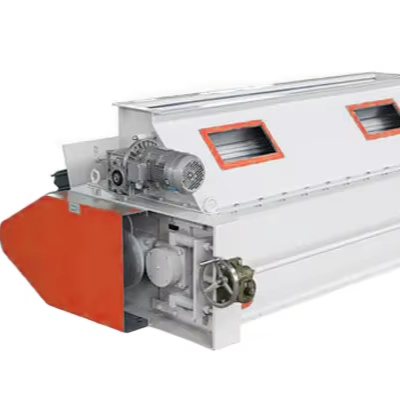


Multi-Functional High Speed Universal Tool Grinder with CE Certificate
$2057.00 - $2236.00
MOQ: 1 Sets


Comprehensive Sourcing Guide
Strategic Sourcing Guide for High Speed Universal Mini Grinders
Understanding the Technical Landscape of Mini Grinders
When sourcing a high-speed universal mini grinder, buyers must first distinguish between the specific tool categories often conflated in global marketplaces. The core keyword "High Speed Universal Mini Grinder" typically points toward portable, handheld power tools designed for precision grinding, cutting, and polishing tasks. Based on observed product attributes in the current market, these devices frequently operate at a no-load speed of 8000 R/Min, which is a critical metric for efficiency in delicate operations. The physical form factor is often defined as a "Portable Sander" or "Angle Grinder," indicating a design intended for manual operation rather than fixed industrial automation.
A primary technical differentiator is the drive mechanism. The majority of these units utilize an electric drive type, ensuring consistent power delivery for tasks ranging from construction to metal finishing. The grinding or cutting disc diameter is a vital specification, with observed models featuring a 16mm diameter. This size constraint suggests the tool is optimized for tight spaces and intricate work on smaller components, such as locks, nameplates, and automobile parts. The variable speed mode is another essential feature; while some units offer constant speed, the "Constant Speed Variable Speed" attribute indicates that advanced models allow the operator to adjust RPM to match the material hardness, preventing burn marks on sensitive surfaces like stainless steel or copper profiles.
The automation level of these tools varies significantly. While the market includes "Semi-automatic" and "Artificial" controlling modes, the "Universal Cylindrical Grinder" category represents a different, larger class of machinery used for crank shafts. Buyers must ensure they are not confusing handheld mini grinders with large-scale cylindrical grinding machines. The handheld units are generally characterized by a "New" condition and a weight of approximately 350 units (likely grams), making them ergonomic for extended use. The core components typically include an engine, which drives the abrasive action, and the tool is often supplied with a grinding wheel as the primary abrasive.
Compliance and Certification Verification
In the B2B procurement of power tools, certification is not merely a formality but a critical risk mitigation strategy. The global market for these tools shows a high prevalence of specific safety and quality standards. Buyers should expect to encounter products bearing the CE certification, which indicates conformity with health, safety, and environmental protection standards for products sold within the European Economic Area. Furthermore, the ISO certification is frequently observed, often appearing in conjunction with CE and GS (Geprüfte Sicherheit) marks. The presence of "ISO CE, GS" on a product listing suggests a higher tier of compliance, covering both international quality management systems and specific German safety standards.
However, buyers must exercise caution regarding the interpretation of these certifications. The presence of a certification label on a product page does not automatically guarantee that every unit in a shipment meets that standard, nor does it validate the specific test results for that batch. The "machinery test report" is listed as "Provided" for some high-end models, which serves as a tangible verification of performance claims. When evaluating a supplier, procurement teams should request the actual test reports rather than relying solely on the assertion that they are available.
Color and packaging can also serve as indirect indicators of compliance and origin. Products are observed in Blue and Black finishes, originating primarily from China, with specific manufacturing hubs in Fujian, Jiangsu, and Qingdao. The packaging standards vary from simple bags and tubes to more robust carton boxes and wooden cases. For international shipping, the "Wooden Case" is often required for heavy machinery, whereas "Color Box" or "Carton" is standard for portable units. The "prod_standard" attribute sometimes lists specific dimensions like "25-125mm," which buyers should verify against their local regulatory requirements for tool dimensions and safety clearances.
Cost Drivers and Pricing Dynamics
The pricing structure for high-speed universal mini grinders is highly volatile, reflecting the diversity of the product range. The observed listed price range spans from 0.1 USD to 320,000 USD. This massive disparity is not indicative of a single product type but rather a reflection of the entire spectrum of grinding equipment available. The lower end of the spectrum likely corresponds to basic, entry-level portable sanders or angle grinders with minimal features, while the upper end encompasses industrial-grade cylindrical grinders or specialized machinery with complex automation.
For the specific "mini grinder" category, the cost is driven by several factors. The degree of automation is a primary driver; "Semi-automatic" or "Artificial" controlling modes generally command a lower price than fully automated systems. The inclusion of a "Variable Speed Mode" adds value, allowing for greater versatility in applications involving stainless steel, copper, aluminum, and automobile parts. Additionally, the customization options significantly impact the final cost. Products marked as "Customizable" or offering "Logo Printing" will typically carry a premium over standard "Non-Customized" or "Non-Customized" models.
The Minimum Order Quantity (MOQ) is another critical cost factor, with observed ranges between 1 and 500 units. Buyers purchasing a single unit for testing or small-scale projects will face a higher per-unit cost compared to those ordering at the 500-unit threshold. The origin of the product also influences pricing; while the general origin is China, specific regions like Fujian or Jiangsu may offer different cost structures based on local labor and supply chain efficiencies. The warranty period, often cited as "1 Year," is a standard inclusion that adds value but should be weighed against the total cost of ownership.
Typical Applications and Material Compatibility
The versatility of the high-speed universal mini grinder is best understood through its documented applications. These tools are engineered to handle a wide array of materials, including stainless steel products, copper profiles, aluminum, and various automobile parts. The ability to work on "Stainless Steel Products" and "Copper Profiles" suggests that the tool generates sufficient torque and speed to handle non-ferrous and hard metals without excessive wear on the grinding wheel. The "Grinding Wheel" abrasive type is specifically suited for these materials, providing a balance between aggressive material removal and fine finishing.
In the construction sector, the "Use: Construction" attribute highlights the tool's utility in on-site modifications, cutting, and grinding of metal fixtures. The application list also extends to "Signs Nameplate" and "Locks," indicating a niche for precision work in manufacturing and assembly. The "Processing Object" for more advanced models includes "Crank Shaft," which implies that while the mini grinder is portable, the underlying technology is robust enough for critical engine components. However, buyers must distinguish between the handheld mini grinder used for general finishing and the "Universal Cylindrical Grinder" used for high-precision crank shaft machining.
The following table summarizes the observed application areas and their corresponding material requirements:
| Application Area | Primary Materials | Tool Attribute Requirement |
|---|---|---|
| Stainless Steel Products | Stainless Steel | High Speed (8000 R/Min) |
| Copper Profiles | Copper | Variable Speed Mode |
| Aluminum | Aluminum | Portable Sander Type |
| Automobile Parts | Various Metals | Electric Drive Type |
| Signs Nameplate | Metal/Plastic | Customizable Options |
| Construction | General Metals | New Condition |
Supplier Evaluation and Origin Analysis
Evaluating suppliers for high-speed universal mini grinders requires a deep dive into the geographic and operational specifics of the manufacturer. The supply chain for these tools is heavily concentrated in China, with specific provinces emerging as key manufacturing hubs. Fujian, Jiangsu, and Qingdao are identified as primary origins. Each region may have distinct specializations; for instance, Jiangsu is often associated with higher-precision machinery, while Fujian may focus on portable consumer-grade tools.
When assessing a supplier, buyers should look for evidence of "Customization" capabilities. The market shows a split between "Customizable" and "Non-Customized" products. If a buyer requires specific branding or logo printing, they must verify the supplier's ability to handle "Logo Printing: Customization." Conversely, if the requirement is for standard off-the-shelf units, a "Non-Customized" supplier may offer better pricing and faster lead times. The "Delivery Time" is a critical metric, with observed values of "30 Days" for certain orders. This lead time should be factored into the procurement schedule, especially for time-sensitive construction or manufacturing projects.
The "prod_packing" method is another indicator of supplier professionalism. Suppliers offering "Carton," "Color Box," or "Wooden Case" packaging demonstrate an understanding of logistics and product protection. For international shipments, the "Wooden Case" is often necessary for heavy machinery, while "Bag; Tube; Box; Blister" combinations are typical for smaller, portable units. Buyers should also verify the "Machinery Test Report" availability, as this is a strong indicator of a supplier's commitment to quality assurance and transparency.
Quality Control and Long-Term Procurement Considerations
Quality control for high-speed universal mini grinders extends beyond the initial purchase. The "Condition: New" attribute is a baseline expectation, but long-term reliability depends on the "Core Components" and the "Warranty" terms. The presence of an "Engine" as a core component suggests that the motor's quality is paramount. Buyers should inquire about the specific type of engine and its expected lifespan under continuous operation. The "1 Year" warranty is a standard offering, but the scope of this warranty—whether it covers the motor, the housing, or the abrasive wheels—must be clearly defined in the contract.
The "Precision" attribute is another crucial factor, particularly for applications requiring high accuracy. While some models are described as having "High Precision," this is often associated with larger cylindrical grinders rather than handheld mini grinders. For the latter, the "Variable Speed Mode" and "Constant Speed Variable Speed" capabilities are the primary indicators of precision control. Buyers should test the tool's ability to maintain consistent speed under load to ensure it meets the "High quality and high efficiency" key selling points claimed by suppliers.
Long-term procurement considerations also include the availability of replacement parts, such as grinding wheels and brushes. The "Standard" attribute, sometimes listed as "customization" or specific dimensions like "25-125mm," should be cross-referenced with the availability of compatible consumables. If a supplier offers a "Customized" product, the buyer must ensure that the customization does not compromise the availability of standard replacement parts. Additionally, the "Degree of Automation" being "Semi-automatic" or "Artificial" means that the tool relies heavily on operator skill; therefore, training and safety protocols are essential components of the procurement strategy.
In conclusion, sourcing a high-speed universal mini grinder requires a balanced approach that considers technical specifications, certification compliance, cost drivers, and supplier reliability. By focusing on the observed attributes such as the 8000 R/Min speed, 16mm disc diameter, and specific certifications like CE and ISO, buyers can navigate the complex market with confidence. The wide price range and diverse applications demand a clear understanding of the specific needs of the project, ensuring that the selected tool aligns with both immediate operational requirements and long-term strategic goals.
FAQs
What certifications do high speed universal mini grinders typically have?
These tools commonly carry CE and ISO certifications, often combined with GS marks for safety. Buyers should verify that machinery test reports are provided to confirm compliance rather than relying solely on listing claims.
Can I customize the logo on a High Speed Universal Mini Grinder?
Customization is available for some models, but others explicitly state that the logo cannot be customized. Buyers must check specific product attributes to determine if logo printing is supported before placing an order.
What is the no-load speed for a High Speed Universal Mini Grinder?
The observed no-load speed is typically 8000 R/Min, which supports efficient grinding and cutting. This speed is suitable for delicate operations on materials like stainless steel and copper profiles.
Which grinding disc diameter is standard for these portable tools?
A 16mm grinding or cutting disc diameter is a common specification for these portable sanders. This size is optimized for tight spaces and intricate work on smaller components like locks and nameplates.
How long is the delivery time for a High Speed Universal Mini Grinder?
The delivery time is observed to be 30 days for certain orders. Buyers should factor this lead time into their procurement schedule, especially for time-sensitive construction or manufacturing projects.
What is the warranty period for a High Speed Universal Mini Grinder?
A 1-year warranty is a standard offering for these power tools. The scope of this warranty should be clearly defined to cover core components like the engine and housing.
Can I find high speed universal mini grinders with variable speed modes?
Yes, advanced models offer a constant speed variable speed mode to adjust RPM. This feature helps prevent burn marks on sensitive surfaces like aluminum and automobile parts.