Source High Speed Turbojet Rc Boat for racing, training, and display
Compare 30 High Speed Turbojet Rc Boat listings from verified suppliers. Buyers can evaluate remote distance, battery life, and control channels to find the right model for racing, training, or display purposes.
Key considerations
Products List
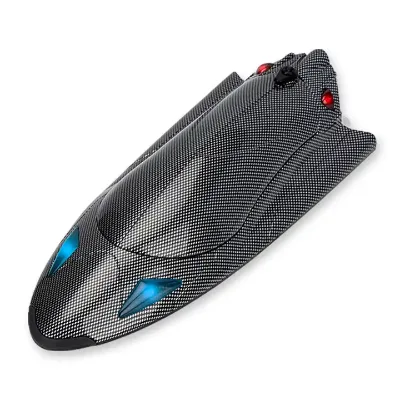
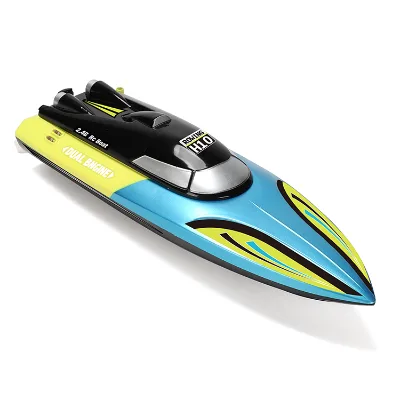
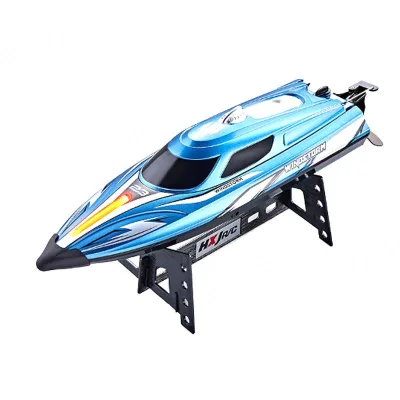


High Speed RC Remote Control Boat Electric Remote Controlled Ship Radio Control Toys Boats
$95.00 - $200.00
MOQ: 20 Pieces

High Speed RC Remote Control Boat Electric Remote Controlled Ship Radio Control Toys Boats
$10.90 - $15.00
MOQ: 10 Pieces
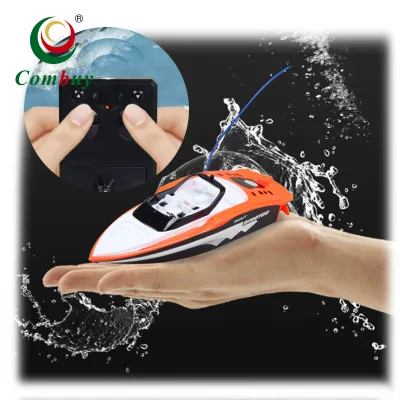
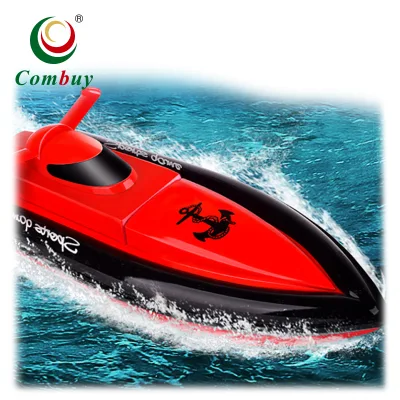
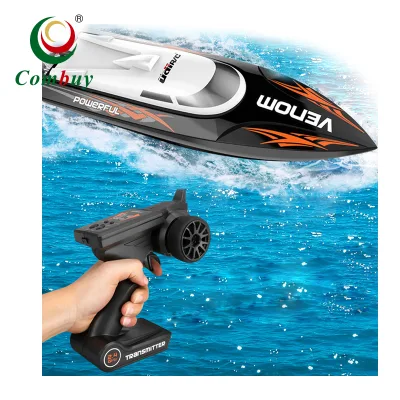
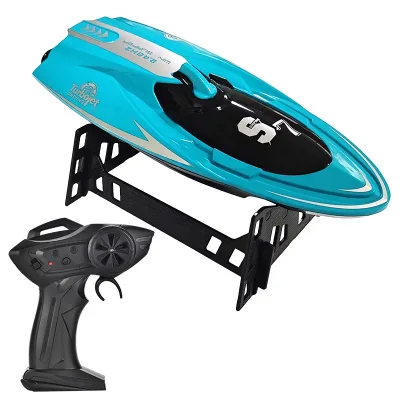
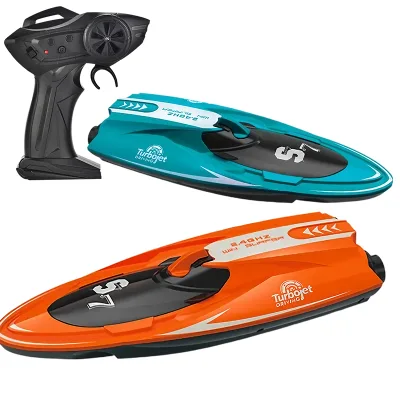


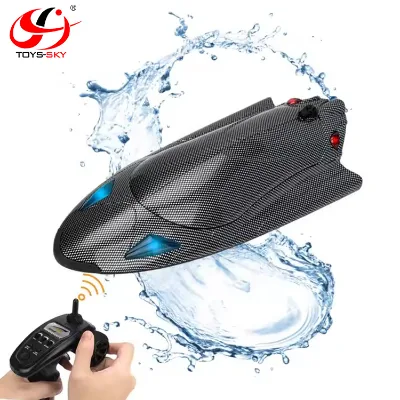


2.4G Remote Control Boat Twin Turbojet Wholesale RC Ship with Light Kids Toy
$7.38 - $9.23
MOQ: 120 Pieces


Comprehensive Sourcing Guide
High Speed Turbojet Rc Boat Sourcing Guide
Sourcing high-speed remote-controlled watercraft requires a nuanced understanding of the distinction between traditional propeller-driven models and advanced turbojet-powered systems. While the term "turbojet" implies a specific propulsion mechanism involving air intake and exhaust thrust, the current market landscape for entry-level and intermediate RC boats often features electric motor-driven propellers or water jets that mimic high-speed performance. Buyers must carefully distinguish between marketing terminology and actual mechanical specifications to ensure the procurement aligns with the intended operational requirements. The observed product data indicates a market segment focused on ready-to-go electric models with varying scale ratios, battery capacities, and control channel configurations, rather than complex turbine engines typically found in high-end hobbyist or industrial applications.
This guide provides a structured approach to evaluating suppliers and products within this category, focusing on the critical technical and commercial factors that influence performance, safety, and total cost of ownership. By analyzing the observed listing signals, verifying technical specifications, and understanding compliance requirements, procurement professionals can mitigate risks associated with quality inconsistencies and regulatory non-compliance. The following sections detail the essential verification steps and strategic considerations necessary for successful sourcing in this dynamic and rapidly evolving niche of the RC toy and hobby market.
Product Scope and Observed Listing Signals
The current market for high-speed RC boats exhibits a wide range of product attributes, with observed prices spanning from approximately $4.44 to $61,000 USD. This vast disparity suggests a segmentation between low-cost entry-level toys and high-performance, potentially custom-built or industrial-grade vessels. The minimum order quantities (MOQ) observed range from 1 to 500 units, indicating flexibility for both small-scale retailers and larger distributors. Buyers should note that the lower price points typically correlate with basic electric models, while the higher end of the spectrum may involve more complex engineering, specialized materials, or bulk commercial configurations. Understanding this price spectrum is crucial for aligning procurement budgets with the expected performance and durability of the product.
Observed product listings reveal a variety of model numbers, such as JH0181322, JH0154211, and HGRB-02, each associated with specific physical dimensions and performance characteristics. For instance, one observed model has a product size of 33.512.57cm and a scale of 1:18, while another measures 3096cm with a 1:28 scale. These variations highlight the importance of verifying physical dimensions and scale ratios to ensure compatibility with storage, display, and operational environments. Additionally, the observed control channels range from 4 to 6 channels, which directly impacts the maneuverability and control precision of the boat. Buyers must assess whether the available control options meet the skill level of the target end-users, whether they are beginners or intermediate operators.
Technical Specifications to Verify
Battery technology and power source are critical determinants of performance and safety in RC boats. The observed data indicates that most models are electric, with battery specifications varying significantly. For example, one model includes a 7.4V 1200mAh LiPo battery, while another features a 3.7V 500mAh LiPo battery. Buyers must verify the voltage, capacity, and chemistry of the included batteries, as these factors directly influence playing time and charging requirements. The observed playing times range from approximately 10 minutes to 20 minutes, which is relatively short and may necessitate the procurement of additional spare batteries for extended operational use. Additionally, the charging time of about 3 hours for some models should be considered in the context of operational logistics and user convenience.
Control range and channel configuration are other vital technical aspects to verify. The observed remote distances vary, with some models claiming about 50 meters and others up to 150 meters. These figures should be treated as maximum theoretical ranges under ideal conditions, and actual performance may be affected by environmental factors such as water interference and signal obstruction. The number of control channels, observed to be either 4 or 6, determines the level of control available to the operator. Higher channel counts typically allow for more precise maneuvers, such as independent steering and speed control, which may be essential for advanced users. Buyers should ensure that the controller battery requirements, such as 2 or 3 AA batteries, are clearly specified and that these are not included in the package, as this impacts the total cost and readiness of the product.
Compliance and Safety Documentation
Safety standards for RC boats, particularly those intended for younger age groups, require rigorous verification. The observed age ranges for these products span from 5 to 7 years up to 14 years and up, indicating a broad target market. For models targeting younger children, compliance with strict safety regulations regarding small parts, battery safety, and waterproofing is essential. Buyers must ensure that suppliers provide documentation confirming adherence to relevant safety standards, such as EN71 for the European market or ASTM F963 for the United States. These standards typically cover mechanical and physical properties, flammability, and chemical composition, ensuring that the product is safe for its intended users.
Waterproofing and material durability are also critical compliance and safety considerations. The observed products are described as waterproof and made from materials such as metal, plastic, and other composites. Buyers should verify the IP (Ingress Protection) rating of the electronic components, particularly the motor and receiver, to ensure they can withstand water exposure without failure. Additionally, the use of LiPo batteries requires specific safety protocols, including proper charging procedures and storage conditions, to prevent overheating or fire hazards. Suppliers should provide clear operating instructions and safety warnings, which are observed to be included in the package for some models. Buyers must ensure that these instructions are comprehensive and available in the languages required by the target markets.
Cost Drivers and Commercial Terms
The total cost of procurement for RC boats is influenced by several factors, including the unit price, shipping costs, and packaging requirements. The observed packing sizes vary, with single package sizes ranging from 36X22X14 cm to 431415.5 cm, and carton sizes up to 6146.5100 cm. These dimensions impact shipping efficiency and costs, particularly for bulk orders. Buyers should calculate the volumetric weight to determine the most cost-effective shipping method, whether by air, sea, or express courier. Additionally, the observed supply ability of 3000 cartons per month suggests that suppliers have the capacity to handle moderate to large orders, but buyers should confirm lead times and production schedules to avoid delays.
Commercial terms such as payment methods, warranty policies, and after-sales support are also critical cost drivers. While specific prices and MOQs vary, buyers should negotiate terms that align with their risk tolerance and cash flow requirements. For instance, higher MOQs may offer better unit prices but require greater upfront investment and storage capacity. Buyers should also inquire about warranty coverage for defects and damage, as well as the availability of spare parts such as propellers, batteries, and controllers. The observed inclusion of accessories like USB cables, operating instructions, and original boxes in the package should be verified to ensure that all necessary components are provided, reducing the need for additional procurement.
Supplier Qualification and Quality Control
Supplier qualification is a crucial step in ensuring the reliability and consistency of RC boat procurement. Buyers should verify the supplier's business license, manufacturing capabilities, and quality management systems. The observed place of origin for many products is Guangdong, China, a region known for its robust manufacturing ecosystem. However, buyers should conduct due diligence to assess the supplier's reputation, production capacity, and ability to meet specific quality standards. Requesting samples before placing bulk orders is essential to evaluate the product's build quality, performance, and compliance with specifications.
Quality control measures should be implemented throughout the production and shipping process. Buyers should establish clear quality acceptance criteria, including visual inspections, functional tests, and performance evaluations. For RC boats, key quality checks include verifying the waterproofing integrity, battery safety, and control responsiveness. Additionally, buyers should ensure that the packaging is robust enough to protect the products during transit, as observed packing details indicate specific carton quantities and dimensions. Implementing a third-party inspection service for pre-shipment checks can provide an additional layer of assurance, helping to identify and rectify any quality issues before the goods are dispatched.
Long-Term Procurement Checks
Long-term procurement success depends on continuous monitoring of supplier performance and market trends. Buyers should establish key performance indicators (KPIs) to track supplier reliability, product quality, and delivery times. Regular feedback loops with suppliers can help identify areas for improvement and foster a collaborative relationship. Additionally, staying informed about advancements in RC boat technology, such as improvements in battery efficiency, control systems, and materials, can help buyers make informed decisions about future procurement strategies. The observed market sold regions, including Europe and the USA, suggest that buyers should also monitor regulatory changes and consumer preferences in these markets to ensure ongoing compliance and relevance.
Sustainability and ethical sourcing practices are increasingly important considerations in long-term procurement. Buyers should assess whether suppliers adhere to environmental standards and ethical labor practices, as these factors can impact brand reputation and consumer trust. Additionally, buyers should consider the end-of-life disposal and recycling options for RC boats and their components, particularly batteries and electronic parts. By integrating sustainability into their procurement strategy, buyers can contribute to a more responsible and resilient supply chain, while also meeting the growing demand for eco-friendly products in the RC hobby market.
FAQs
How fast do high speed turbojet RC boats typically run?
High speed turbojet RC boats are designed for fast performance on water, with actual speed depending on the model, motor power, and battery configuration. Some models reach high speeds suited to intermediate users, while beginner models run more moderately. Buyers should confirm speed specifications with suppliers before ordering, as performance varies across the product range.
What battery and charging setup do these RC boats use?
The boats typically include a rechargeable LiPo battery, such as a 7.4V 1200mAh or 3.7V 500mAh battery depending on the model. Charging takes roughly 3 hours, and playing time ranges from about 10 to 20 minutes per charge. A USB charging cable is included, while controller batteries such as AA batteries are usually not included and must be purchased separately.
Which age groups are these remote control boats suitable for?
Listed models cover age ranges from 5 to 7 years, 8 to 13 years, and 14 years and up, so suitability depends on the specific product. Operator skill levels range from beginner to intermediate, with beginner models easier to control. Buyers should match the model's recommended age range and skill level to their intended customer base before purchasing.
What is the remote control distance for these turbojet boats?
Remote control distance varies by model, with listed options of about 50 meters and about 150 meters. The 150-meter models generally suit open water and intermediate users, while 50-meter models work well for smaller ponds and beginner play. Confirm the control channel count and distance for each model when comparing options.
Can these RC boats be used outdoors and in water safely?
Yes, the boats are designed for indoor and outdoor use, and waterproofing is a listed feature for the turbojet hulls. They should be operated on calm water away from debris, and the battery compartment should be dried after use. LiPo batteries should be removed and charged according to the included operating instructions to maintain performance.
What is included in the packaging when ordering these boats?
Packages typically include the original box, batteries for the boat, a remote controller, a USB cable, operating instructions, and other accessories; some models also include a charger. Single package sizes range around 36x22x14 cm to 39x14x20 cm, with gross weight around 1.5 kg per unit. Wholesale packing can be arranged, for example 24 pieces per carton for certain models.