Source Multi-band GSM Electronic Fence System for Security
Find and compare 30 multi-band GSM electronic fence system options featuring GSM900 frequency, 2G/3G/4G compatibility, and customizable designs. Buyers can evaluate specifications like RF output power, impulse voltage, and material types from verified suppliers in China.
Key considerations
Products List


High-Strength Safety Net Fence System for Construction Site Protection
$20.00 - $26.00
MOQ: 100 Pieces




Comprehensive Sourcing Guide
Strategic Sourcing Guide for Multi-Band GSM Electronic Fence Systems
Understanding the Technical Architecture of Multi-Band GSM Solutions
When sourcing a multi-band GSM electronic fence system, buyers must first distinguish between the perimeter security hardware and the communication backbone. The core keyword implies a system capable of operating across multiple cellular frequency bands to ensure reliable signal transmission for alarm notifications. Based on available product data, specific units in this category are engineered with a frequency range explicitly defined as GSM900. This indicates a focus on the 900 MHz band, which is critical for penetration in rural or obstructed environments where higher frequencies might struggle. However, the term "multi-band" in broader procurement contexts often suggests compatibility with 2G, 3G, and 4G networks, a capability noted in the system specifications of related devices.
The technical performance of the fence itself is equally critical. The observed product attributes reveal a system designed for high-voltage pulse delivery. The amplitude of impulse voltage is specified within a range of 1kV to 10kV, a standard threshold for deterrence without causing permanent injury. The pulse energy is strictly controlled, with observed specifications indicating a limit of less than 5 joules, ensuring compliance with safety regulations in many jurisdictions. The frequency of these pulses is observed to occur every 1 to 1.5 seconds, a rhythm that provides a continuous deterrent while allowing the system to reset between shocks.
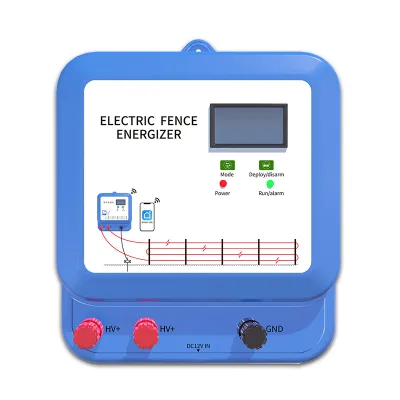
Communication is the lifeline of the electronic fence. The system supports TCP Cable and 485 Bus communication modes, allowing for integration with existing building management systems or dedicated security networks. The alarm types are comprehensive, covering open circuit, short circuit, power off, and anti-disassembly events. This ensures that any attempt to tamper with the fence or cut the power supply triggers an immediate alert. The system also supports independent DC12V output for sound and light alarms, providing a local warning mechanism even if the remote GSM signal is temporarily compromised.
Compliance and Certification Verification Protocols
Navigating the regulatory landscape for electronic fence systems requires rigorous verification of certifications. The supplied data highlights several key certifications that buyers should prioritize during the supplier evaluation phase. Specifically, the presence of CE certification is a fundamental requirement for products entering the European market, indicating conformity with health, safety, and environmental protection standards. Furthermore, ISO certifications are frequently cited, with specific references to ISO9001:2015 for quality management and ISO14001:2015/2018 for environmental management.
Buyers must be cautious when interpreting certification claims. While some product listings mention "ISO" broadly, the most reliable verification involves checking for the specific year and standard number, such as ISO9001:2015. The data also notes a certification status of "CE, ISO" alongside material specifications, suggesting a dual compliance approach. For electronic components, particularly those involving high voltage and radio frequency transmission, additional standards like RoHS (Restriction of Hazardous Substances) are often relevant, though specific test results for these should be requested directly from the manufacturer rather than assumed from general listings.
The physical construction of the fence also impacts compliance. Materials such as Magaluma (a specific alloy often used for its conductivity and corrosion resistance) and galvanized metal are standard. The surface treatment process, specifically galvanization, is a critical factor in ensuring the system withstands harsh weather conditions, which is a prerequisite for maintaining safety certifications over the product's lifespan. Buyers should verify that the "Magaluma" or equivalent material meets local electrical codes and that the powder-coated finishing provides adequate insulation and durability.
Cost Drivers and Pricing Dynamics in the Market
The pricing for multi-band GSM electronic fence systems is highly variable, influenced by the complexity of the communication module, the length of the fence, and the quality of the materials used. The observed market data indicates a price range spanning from $0.20 to $1,443.00 USD. This wide disparity reflects the difference between individual components, such as a single fence panel or a pulse generator, and complete, integrated system kits.
Several factors drive these costs. First, the communication technology dictates a significant portion of the price. Systems featuring advanced multi-band GSM capabilities with 4G compatibility and robust TCP/IP integration will command a higher price point compared to basic 2G or hardwired 485 bus systems. Second, the physical specifications of the fence play a major role. Products with higher gain, such as those listed with a gain of 90±3dB (likely referring to the antenna or signal amplification component), and higher RF output power of 43±2dBm, are engineered for larger perimeters and will be more expensive.
The Minimum Order Quantity (MOQ) is another critical cost driver. The observed MOQ range is between 1 and 5,000 units. Buyers purchasing a single unit for a small residential property will face a higher unit cost compared to those ordering in bulk for a large industrial facility. The packaging method also influences logistics costs; options range from standard cartons to wooden boxes, wooden crates, and palletized big panels. For large-scale deployments, the cost of shipping and handling for heavy items, such as those weighing up to 35kg or 9kg per square meter, must be factored into the total cost of ownership.
Typical Applications and Deployment Scenarios
The versatility of multi-band GSM electronic fence systems allows them to be deployed across a wide spectrum of applications. The technical specifications, including the ability to operate in extreme temperatures from -40°C to +70°C and withstand humidity up to 95%, make these systems suitable for diverse environments.
Industrial and commercial facilities are primary users of these systems. The high-voltage pulse capability and the robust alarm features (open/short circuit, anti-disassembly) are ideal for protecting warehouses, factories, and distribution centers. The system's ability to integrate with TCP networks allows for centralized monitoring, which is essential for large corporate campuses. The "358 Fence" model, characterized by its specific mesh size of 12.7*76.2mm and square hole shape, is particularly noted for high-security applications where climbing resistance is paramount.
Residential and agricultural sectors also benefit from these technologies. The compact nature of some units, such as those with a weight of 9kg per square meter, makes them feasible for residential perimeter security. In agricultural settings, the durability of galvanized metal and the weather resistance of the system ensure long-term protection against livestock and intruders. The independent DC12V output for sound and light alarms provides an immediate local warning, which is crucial in remote locations where cellular signal strength might be intermittent.
The following table summarizes the key application-specific attributes observed in the market data:
| Application Sector | Key Required Attributes | Relevant Product Specifications |
|---|---|---|
| Industrial Security | High durability, Centralized monitoring, Anti-tamper | 358 Fence, Mesh 12.7*76.2mm, TCP/485 Bus, Anti-Disassembly |
| Residential Perimeter | Compact size, Weather resistance, Local alarms | Weight 9kg/m², -40~+70°C operation, DC12V Sound/Light Output |
| Remote/Industrial Sites | Multi-band GSM, High gain, Long-range signal | GSM900, Gain 90±3dB, RF Output 43±2dBm, Battery 12V7ah backup |
| High-Security Zones | High voltage pulse, Robust materials | 1kV-10kV Amplitude, Magaluma Wire, Galvanized Surface |
Supplier Evaluation and Geographic Considerations
When evaluating suppliers for multi-band GSM electronic fence systems, geographic origin and manufacturing capability are vital indicators of reliability. The data indicates that products originate from key manufacturing hubs such as Shenzhen and Hengshui in China. Shenzhen is renowned for its electronics manufacturing ecosystem, which is crucial for the GSM and communication modules of the fence system. Hengshui, on the other hand, is a known center for metal fabrication and fencing products, suggesting a strong capability in the physical fence construction.
Buyers should verify the supplier's ability to provide consistent quality across different product lines. The presence of specific model numbers, such as BT-8S3B43EF for the electronic system and DD-J-Z or DD-L-M for fence components, suggests a structured product catalog. However, the variation in model names and specifications across listings indicates that buyers must carefully match the specific model to their technical requirements rather than relying on generic descriptions.
The customization options available are a significant differentiator among suppliers. The data confirms that customization is available for various attributes, including color (e.g., Blue or Customized) and standard dimensions. This flexibility allows buyers to tailor the system to specific aesthetic or functional needs. However, buyers should clarify the lead times and additional costs associated with custom orders, as these can vary significantly depending on the complexity of the request.
Quality Control and Long-Term Procurement Considerations
Ensuring the long-term reliability of the electronic fence system requires a robust quality control strategy. The physical construction of the fence must be scrutinized for material integrity. The use of Magaluma for the front energized wire and galvanized metal for the frame are positive indicators, but buyers should request material test reports to verify the composition and thickness of these materials. The surface treatment, specifically powder coating, should be inspected for uniformity and adhesion to prevent corrosion over time.
The electronic components require specific testing protocols. The RF output power of 43±2dBm and the gain of 90±3dB must be verified under actual operating conditions to ensure the system can transmit alarms reliably over the intended distance. The VSWR (Voltage Standing Wave Ratio) of ≤1.5 is a critical metric for antenna efficiency; buyers should ensure that the supplier provides test data confirming this specification is met in the final assembled product.
Long-term procurement considerations also include the availability of spare parts and technical support. The system relies on a power supply mode that can be AC110~240V, DC12V, or a 12V7ah battery. The redundancy provided by the battery backup is essential for maintaining security during power outages. Buyers should inquire about the expected lifespan of the battery and the ease of replacement. Additionally, the communication protocols (TCP/485) should be compatible with future upgrades to the buyer's security infrastructure.
Finally, the packaging and shipping logistics must be managed carefully to prevent damage during transit. The observed packaging options, ranging from wooden crates to standard cartons, indicate that the supplier has experience in handling different shipment sizes. For heavy items like the 358 fence panels, palletized shipping is often necessary. Buyers should verify that the packaging standards align with the weight and fragility of the components to ensure the system arrives in perfect condition, ready for installation. By adhering to these rigorous evaluation and quality control standards, buyers can secure a reliable, high-performance multi-band GSM electronic fence system that meets their specific security needs.
FAQs
What is the impulse voltage range for this system?
The amplitude of impulse voltage ranges from 1kV to 10kV. This level provides effective deterrence while ensuring safety by limiting pulse energy to less than 5 joules per shock.
Which certifications are available for these electronic fences?
Available certifications include CE, ISO9001:2015, and ISO14001:2015. These standards verify compliance with quality management and environmental protection requirements for international markets.
Can the system operate in extreme weather conditions?
Yes, the system operates in temperatures from -40°C to +70°C. It also withstands humidity up to 95% without condensation, ensuring reliability in diverse environments.
How is the fence material constructed for durability?
The front energized wire uses Magaluma material for conductivity. The frame is made of galvanized metal with powder coating to prevent corrosion and ensure long-term structural integrity.
What communication modes does the alarm system support?
The system supports TCP Cable and 485 Bus communication modes. This allows integration with existing networks and provides independent DC12V output for local sound and light alarms.
Which customization options are available for buyers?
Customization is available for color, dimensions, and standard specifications. Buyers can request specific mesh sizes like 12.7*76.2mm or choose from various packaging options including wooden crates.