Source High Strength Braided Fishing Line for Sea Shore Deep
Compare 30 High Strength Braided Fishing Line options from verified suppliers. Buyers can evaluate materials like PE and UHMW PE, strand counts, and strength ratings ranging from 10lb to 100lb for various marine applications.
Key considerations
Products List


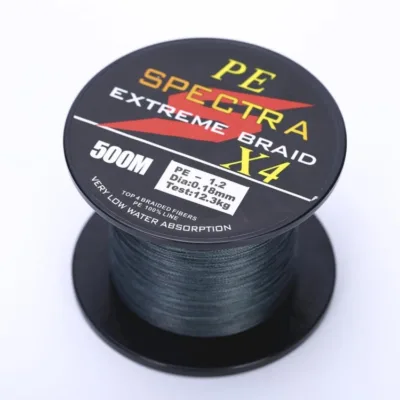
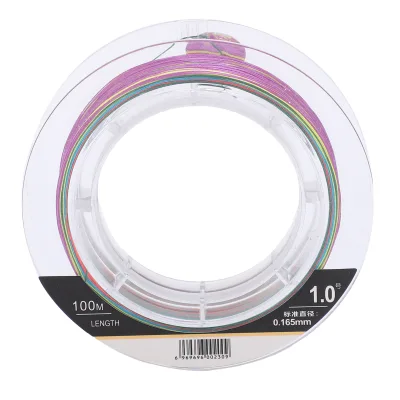
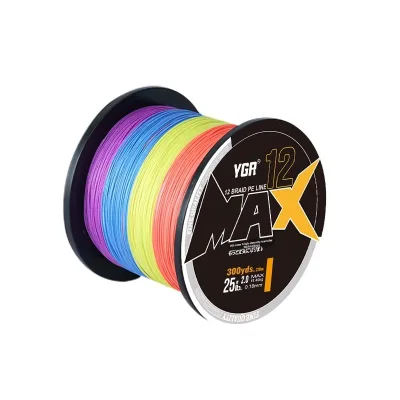

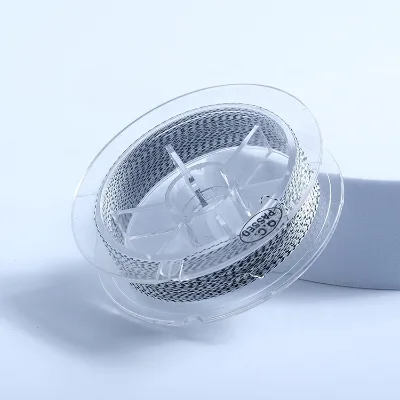



Comprehensive Sourcing Guide
Strategic Sourcing Guide for High Strength Braided Fishing Line
The global market for high-strength braided fishing line represents a critical segment within the broader fishing tackle industry, driven by the demand for durability, sensitivity, and casting distance. For B2B procurement professionals, sourcing this specific category requires a nuanced understanding of material science, manufacturing standards, and supply chain logistics. The available product data indicates a diverse range of offerings, from standard polyethylene constructions to complex multi-strand configurations. This guide provides a structured approach to evaluating suppliers and products, ensuring that procurement decisions are grounded in verifiable facts rather than marketing assertions.
Material Composition and Construction Variability
The foundation of any high-strength braided fishing line lies in its material composition and structural design. The supplied product facts highlight "PE" (Polyethylene) and "UHMW PE" (Ultra-High Molecular Weight Polyethylene) as primary materials. These materials are selected for their exceptional strength-to-diameter ratio, a critical factor for anglers requiring lines that can withstand heavy loads without excessive bulk. The data also explicitly references "Braided Wire" as a material descriptor, suggesting that some listings may involve metallic components or specific braiding techniques that mimic wire properties, though the primary focus remains on synthetic fibers.
Construction is defined by the number of strands, a key differentiator in performance. The observed specifications include "4 Strands," "8 Strands," "9 Strands," and "12lb" strand configurations, alongside model designations like "X6" and "X9." The "X" notation typically correlates with the strand count or a specific weaving pattern designed to enhance tensile strength. For instance, a "9 Strands" model suggests a tighter weave than a "4 Strands" variant, potentially offering higher abrasion resistance but possibly less flexibility. Buyers must verify the actual strand count against the product model number, as the data shows variations such as "4 Strands Tough" and "9 Strands," indicating that manufacturers may use different naming conventions for similar structural properties.
Furthermore, the weave structure is a critical technical attribute. The facts mention "4" weaves, which likely refers to the specific braiding pattern. A higher weave count can improve the line's roundness and reduce memory, but it also increases manufacturing complexity. Procurement teams should request detailed technical drawings or samples to confirm the weave density, as this directly impacts the line's knot strength and sensitivity in the water.
Technical Specifications and Performance Parameters
When evaluating high-strength braided lines, specific technical parameters must be scrutinized to ensure compatibility with intended fishing environments. The observed data provides a clear range of strength ratings, specifically noting "10lb-100lb" and individual ratings of "15lb," "60lb," and "12lb." These figures represent the breaking strength of the line, a non-negotiable metric for safety and performance. However, the presence of "12lb" listed under the "Strands" attribute alongside "10lb-100lb" under "Strength" suggests that some listings may conflate strand count with strength ratings, or that the "12lb" refers to a specific strand gauge rather than the total line strength.
Diameter is another vital specification. The data lists standards such as "0.14mm," "0.16mm," and "0.4mm." These measurements define the line's thickness, which influences casting distance and visibility to fish. A thinner line, such as 0.14mm, generally offers less water resistance but may be more prone to cutting if not properly maintained. Conversely, a 0.4mm line offers significant durability but may affect casting distance. Buyers should cross-reference the diameter with the strength rating to calculate the strength-to-diameter ratio, a key indicator of line quality.
Length specifications are also present, with "Length(m)" listed as a specification field, though specific numerical values are not provided in the summary. This indicates that length is a variable parameter often determined by the customer or the specific spool configuration. The data mentions "Cone" and "Spool" as packing types, which implies that the line is sold in various forms, from loose cones to pre-spooled reels. Understanding the relationship between length, diameter, and weight is essential for inventory planning and logistics.
Compliance, Certification, and Quality Standards
In the B2B fishing tackle sector, compliance with international standards is paramount for market access and liability protection. The supplied facts explicitly mention "SGS" as a product standard. SGS is a globally recognized inspection, verification, testing, and certification company. The presence of this standard suggests that certain products in the dataset have undergone third-party testing for quality and safety. However, the data also lists "6 pieces a box" and "10 pieces a box" under the "prod_standard" field. These entries appear to be packaging standards rather than quality certifications, highlighting the need for buyers to distinguish between regulatory compliance and packaging specifications.
Another critical material standard noted is "100% Polyethylene." This confirms the purity of the raw material, which is essential for maintaining consistent performance and preventing degradation over time. Buyers should verify that the "100% Polyethylene" claim is backed by material safety data sheets (MSDS) or factory audit reports. Additionally, the data references "UHMW PE" as a standard, which is a specific grade of polyethylene known for superior mechanical properties. Ensuring that the supplier can consistently source and process UHMW PE is crucial for maintaining the "high strength" promise of the product.
The "Location: Sea" and "Location: Shore" attributes indicate that the products are designed for both saltwater and freshwater environments. This dual capability requires specific testing for corrosion resistance and UV stability. While the data does not list specific test results, the mention of these locations implies that the products are marketed for broad environmental applicability. Buyers should request evidence of saltwater immersion tests or UV exposure ratings to validate these claims, especially for lines intended for deep-sea or coastal operations.
Cost Drivers and Pricing Dynamics
The pricing structure for high-strength braided fishing line is influenced by several factors, including material costs, manufacturing complexity, and order volume. The observed price range in the dataset spans from $0.02 to $2,200. This wide variance suggests that the dataset includes both individual spools or small samples and bulk industrial orders or complete production runs. The lower end of the range likely corresponds to small quantities or basic configurations, while the upper end may reflect large-scale orders, custom packaging, or premium materials like UHMW PE.
Minimum Order Quantity (MOQ) is a significant cost driver. The data shows an MOQ range of 1 to 5,000 units, with specific instances of "100PCS" and "100m" or "10000m." Lower MOQs, such as 100 pieces, allow for smaller buyers to test the market but often come with a higher unit cost. Conversely, larger orders, such as 10,000 meters, typically benefit from economies of scale, reducing the per-unit price. The "Negotiable" and "Customer-Made Package" attributes indicate that pricing is flexible and can be adjusted based on customization requirements.
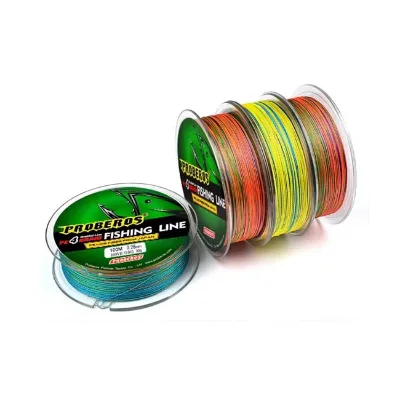
Customization is a major factor in cost. The data confirms that "Customization" and "OEM/ODM" are available and welcome. Customizing the line color, diameter, strength, or packaging adds to the production cost. The "Multi Color" attribute suggests that color customization is a standard offering. Buyers should be aware that custom orders may require higher MOQs and longer lead times. Additionally, the "Payment Term" options, including "Wire Transfer," "Paypal," "L/C," and "Alipay," indicate that financial terms can be negotiated, which may affect the overall cost of procurement depending on the buyer's risk tolerance and cash flow needs.
Supplier Evaluation and Operational Capabilities
Selecting the right supplier requires a thorough evaluation of their operational capabilities and geographic location. The data indicates that the primary origin is "China" and "China Mainland," with a specific mention of "Nantong, Jiangsu." Nantong is a known hub for textile and fishing line manufacturing, suggesting a concentrated supply chain with established logistics networks. The "Location: Sea" and "Location: Shore" attributes further confirm that these suppliers are equipped to handle both marine and freshwater product lines.
The "Sample" availability is a critical factor in supplier evaluation. The data states that samples are "Available" and "Free," which is a positive indicator of supplier confidence and willingness to engage. Buyers should utilize these free samples to conduct independent testing on knot strength, abrasion resistance, and colorfastness. The "OEM: Accept" and "OEM/ODM: Welcome" attributes suggest that suppliers are open to branding and private labeling, which is essential for retailers looking to build their own brand identity.
Logistics and trading terms are also important. The data lists "Fob," "CIF," "CNF," "EXW," "DDP," and "DDU" as trading terms. These terms define the responsibilities of the buyer and seller regarding shipping, insurance, and customs duties. For example, "EXW" (Ex Works) places the maximum responsibility on the buyer, while "DDP" (Delivered Duty Paid) places the minimum responsibility on the buyer. Buyers should select the term that best aligns with their logistics capabilities and risk management strategy. The "Package" attribute, ranging from "Carton" to "Cone, Spool," indicates that packaging is customizable, which can impact shipping costs and product protection during transit.
Quality Control and Long-Term Procurement Strategy
Ensuring consistent quality is the cornerstone of a successful long-term procurement strategy. The "SGS" standard mentioned in the data serves as a baseline for quality assurance, but buyers should implement additional quality control measures. This includes conducting pre-shipment inspections, verifying material purity through third-party testing, and monitoring production batches for consistency. The "100% Polyethylene" and "UHMW PE" standards should be verified with certificates of analysis (CoA) from the supplier.
Long-term procurement considerations involve building a resilient supply chain. The "MOQ" flexibility, ranging from 1 to 5,000 units, allows buyers to scale their orders based on market demand. However, buyers should be cautious of suppliers who cannot meet larger volume requirements without compromising quality. The "Payment Term" options provide financial flexibility, but buyers should establish clear terms to avoid disputes. The "Customization" and "OEM/ODM" capabilities allow for product differentiation, which is crucial for maintaining a competitive edge in the market.
Finally, buyers should consider the environmental impact of their procurement decisions. The "PE" and "UHMW PE" materials are synthetic and may have environmental implications. While the data does not explicitly mention eco-friendly certifications, buyers should inquire about the recyclability of the materials and the supplier's sustainability practices. By focusing on these factors, buyers can ensure that their procurement of high-strength braided fishing lines is not only economically viable but also sustainable and compliant with industry standards.
Comparative Analysis of Product Attributes
To facilitate decision-making, the following table summarizes key attributes observed in the product data, highlighting the variability and specific features that buyers should consider during the sourcing process.
| Attribute Category | Observed Values | Implications for Procurement |
|---|---|---|
| Material | PE, UHMW PE, 100% Polyethylene | Verify material purity and grade; UHMW PE offers higher strength. |
| Strand Count | 4, 8, 9, 12 (lb) | Higher strand counts may improve durability; verify against model numbers. |
| Strength Rating | 10lb-100lb, 15lb, 60lb, 12lb | Critical for application matching; ensure consistency across batches. |
| Diameter | 0.14mm, 0.16mm, 0.4mm | Thinner lines cast further; thicker lines resist abrasion better. |
| Origin | China, China Mainland, Nantong, Jiangsu | Concentrated supply chain; verify logistics and lead times. |
| Certification | SGS | Indicates third-party testing; request specific test reports. |
| MOQ | 1, 100PCS, 100m, 10000m, 5000 | Flexibility varies; higher volumes reduce unit cost. |
| Packaging | Carton, Cone, Spool, Customer-Made | Custom packaging affects shipping costs and product protection. |
| Customization | Available, OEM/ODM Welcome | Enables branding; may increase lead time and cost. |
| Trading Terms | FOB, CIF, CNF, EXW, DDP, DDU | Define logistics responsibilities; choose based on risk tolerance. |
This table serves as a quick reference for buyers to compare product offerings and identify the specific attributes that align with their operational needs. By systematically evaluating these factors, procurement professionals can make informed decisions that balance cost, quality, and performance in the high-strength braided fishing line market.
FAQs
What materials are used for High Strength Braided Fishing Line?
High strength braided fishing lines are primarily constructed from PE or UHMW PE materials. Some listings also reference braided wire, but the core synthetic fibers ensure exceptional strength-to-diameter ratios for durability and casting performance.
Which strand configurations are available for these fishing lines?
Available configurations include 4 strands, 8 strands, 9 strands, and 12lb strand options. Models like X6 and X9 indicate specific weaving patterns, with the X notation typically correlating to strand count or enhanced tensile strength designs.
Can I customize the packaging and color of the fishing line?
Yes, customization is available for packaging and color options. Buyers can request customer-made packages, multi-color lines, or specific packing types like cones and spools, subject to negotiated minimum order quantities and lead times.
What certifications verify the quality of the braided fishing line?
Products may carry SGS certification as a recognized quality standard. Additionally, some listings specify 100% Polyethylene or UHMW PE standards, though buyers should verify material purity with certificates of analysis for consistent performance.
How does the minimum order quantity affect pricing for these lines?
Minimum order quantities range from 100 pieces to 10,000 meters, directly influencing unit costs. Lower MOQs allow market testing but often carry higher per-unit prices, while larger orders benefit from economies of scale and reduced costs.
What trading terms are accepted for purchasing fishing lines?
Accepted trading terms include FOB, CIF, CNF, EXW, DDP, and DDU. These terms define shipping responsibilities, allowing buyers to select options that align with their logistics capabilities and risk management strategies for international procurement.