Source High Strength Drone Rotor for Industrial Inspection
Find High Strength Drone Rotor options for heavy industrial manufacturing, remote detection, and outdoor monitoring. Compare 30 listings from Chinese manufacturers offering OEM customization, CE and RoHS certifications, and wireless transmission modes for reliable performance; compare the available evidence and request quotations based on your requirements.
Key considerations
Products List


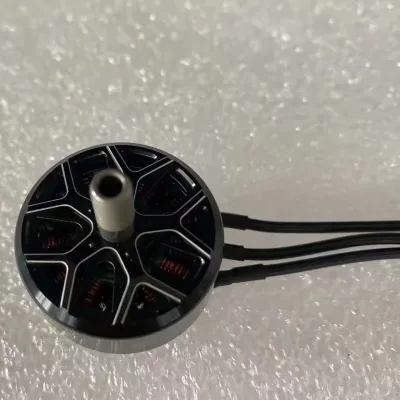
3532 Fpv Drone Brushless Motor High-Speed Outer Rotor Uav Electric Motor
$15.00 - $17.00
MOQ: 5 Pieces




Comprehensive Sourcing Guide
High Strength Drone Rotor Sourcing Guide
Procuring high-strength drone rotors requires distinguishing between general rotor components and specialized flapping-wing UAV structures designed for heavy industrial manufacturing. The observed market data indicates a diverse range of product models, including specific variants like the FSTH-FG300DMC and FSTH-PL671RMC, which often feature distinct structural dimensions and material compositions. Buyers must carefully align their specific operational needs with the available customization options, as many suppliers offer OEM and ODM services to tailor rotor performance for remote operating environments.
The sourcing landscape reveals that these components are frequently categorized under industrial usage with a focus on detection and motor applications. While some listings highlight ultra-high-altitude capabilities, the physical specifications vary significantly, with standard sizes ranging from compact 24x24x24 units to larger assemblies measuring 600mm by 600mm. This variance necessitates a rigorous verification process to ensure the selected rotor matches the intended drone architecture, particularly when the application involves electromagnetic working principles or passive working modes in outdoor settings.
Product Scope and Observed Listing Signals
Buyers should first analyze the structural attributes of the listed products to confirm they meet the specific mechanical demands of their intended drone platform. The available inventory includes rotor types that are explicitly described as flapping-wing UAV structures, which differ fundamentally from standard multi-rotor systems. This distinction is critical for procurement teams, as the mechanical stress and aerodynamic requirements for flapping-wing designs are unique and require specialized high-strength materials to prevent structural failure during operation.
Observations of the product listings indicate that packaging and origin details serve as reliable signals for supply chain logistics and quality assurance. Products originate from regions such as Hebei and Ningbo, with packing methods ranging from simple box packs to robust flight cases and palletized shipments. These logistical details often correlate with the intended usage environment; for instance, items destined for heavy industrial manufacturing may arrive in reinforced carton and EPE packing to withstand the rigors of transport to remote industrial sites.
Technical Specifications to Verify
Verification of physical dimensions and material composition is the primary technical step before finalizing any purchase order. The market data shows specific standard sizes, such as 489mm by 461mm by 291mm or 710mm by 470mm by 300mm, alongside generic metal material specifications. Procurement specialists must cross-reference these exact measurements with their drone's airframe design to ensure compatibility, as even minor deviations in rotor size can compromise flight stability and payload capacity in industrial detection scenarios.
Beyond physical dimensions, the functional specifications regarding transmission and working principles must be rigorously validated against project requirements. The observed listings include products utilizing wireless transmission modes and electromagnetic working principles, which are essential for specific detection applications. Buyers need to confirm that the rotor's signal transmission capabilities align with their control systems, ensuring that the wireless alarm features and passive working modes function correctly within the intended outdoor operational radius.
Compliance and Safety Documentation
Ensuring that all supplied components meet international safety and environmental standards is a non-negotiable aspect of industrial procurement. The observed product data lists certifications such as CE, RoHS, FCC, and ISO, which indicate adherence to specific regulatory frameworks for electronic and mechanical safety. Buyers must request current certification documents for each specific model to verify that the high-strength rotors comply with the safety regulations of the destination country, particularly when the equipment is intended for use in heavy industrial manufacturing zones.
Safety documentation also extends to warranty terms and the condition of the supplied goods, which directly impact long-term operational reliability. Listings frequently specify a one-year warranty for drone components and confirm that items are supplied in new condition, though some entries note "Other" warranty types that require clarification. Procurement teams should explicitly define warranty coverage for rotor failures in the contract, ensuring that the supplier provides clear protocols for handling defects related to the electromagnetic or mechanical working principles of the device.
Cost Drivers and Commercial Terms
The pricing structure for high-strength drone rotors is influenced by the level of customization and the complexity of the manufacturing process. The observed price range spans from 0.1 USD to 4,000,000 USD, reflecting the vast difference between standard off-the-shelf components and fully customized OEM solutions. Buyers must understand that significant price variations often correlate with the inclusion of specialized features, such as specific flapping-wing structures or custom dimensions, rather than just the raw material cost of the metal components.
Commercial terms regarding minimum order quantities and delivery schedules are equally critical for budget planning and supply chain continuity. The data indicates a minimum order quantity range of 1 to 500 units, with customized products often requiring a separate delivery date submission. Procurement managers should negotiate lead times that account for the production of specialized models like the FSTH-OMNI-FG320DMC, ensuring that the delivery schedule aligns with project milestones to avoid costly delays in industrial deployment.
Supplier Qualification and Quality Control
Selecting a qualified supplier involves verifying their status as a professional manufacturer rather than a simple trading entity. The available listings identify suppliers as "Drone Professional Factory" or "Drone Professional Supplier," suggesting a direct manufacturing capability that often ensures better quality control and technical support. Buyers should prioritize suppliers who demonstrate direct factory involvement, as this typically results in more accurate adherence to the specified product standards and a more responsive approach to addressing technical queries regarding rotor performance.
Quality control protocols must be established to ensure that the metal materials and assembly processes meet the rigorous demands of industrial applications. The observed standards include a wide array of international specifications such as BS, ANSI, JIS, GB, GOST, ASTM, and DIN, which serve as benchmarks for material strength and durability. Procurement teams should require evidence that the supplier's production lines are certified to these specific standards, ensuring that every rotor batch undergoes consistent testing to maintain the high-strength integrity required for heavy industrial use.
Long-Term Procurement Checks
Establishing a framework for ongoing performance monitoring is essential for maintaining the reliability of high-strength drone rotors over time. Buyers should implement regular audits of the supplier's production consistency, specifically checking for adherence to the original product standards and material specifications. This proactive approach helps identify any drift in quality that could affect the electromagnetic working principles or the structural integrity of the flapping-wing UAV components used in critical industrial detection tasks.
Long-term procurement strategies must also account for the availability of spare parts and the continuity of the supply chain for customized models. Given that some products require separate delivery dates and specific customization, maintaining a strong relationship with the manufacturer ensures that replacement rotors are available when needed. Buyers should secure agreements that guarantee the continued production of specific models like the FSTH-FG310DMC, preventing supply disruptions that could halt industrial operations dependent on these specialized drone systems.
FAQs
What certifications do high strength drone rotors have?
High strength drone rotors typically hold CE, RoHS, FCC, and ISO certifications. Some models also meet ISO9001:2015 standards. These certifications ensure compliance with international safety and quality requirements for industrial applications.
Can I get customized high strength drone rotors?
Yes, customization is available for high strength drone rotors. Buyers can request OEM or ODM services to tailor specifications. Customized products require a separate delivery date submission to the manufacturer for accurate scheduling.
Which specifications define the High Strength Drone Rotor size?
Specifications vary by model, with sizes ranging from 300mm to 710mm in length. Some units measure 489mm by 461mm by 291mm. Others may reach 600mm by 600mm by 400mm depending on the specific industrial application requirements.
How is the High Strength Drone Rotor packed for shipping?
Packaging options include box packs, carton with EPE packing, flight cases, or pallets. The specific method depends on the product model and order volume. This ensures safe transport for industrial-grade components during global shipping.
What is the warranty period for high strength drone rotors?
Most high strength drone rotors come with a one-year warranty. Some products may list other warranty terms depending on the specific supplier agreement. Buyers should verify the exact warranty conditions before finalizing the purchase order.
Where are high strength drone rotors manufactured?
Manufacturing locations include Hebei and Ningbo in China. These regions host professional factories specializing in drone components. The origin ensures access to established supply chains for industrial-grade rotor production and distribution.
What is the minimum order quantity for high strength drone rotors?
The minimum order quantity ranges from 1 to 500 units. This flexibility allows buyers to order small batches or larger industrial quantities. Specific MOQs may vary based on customization needs and current supplier capacity.