Source Waterproof DSLR Backpack for Travel, Sports, and Outdoor Use
Compare 30 verified listings for a Waterproof DSLR Backpack designed for travel, sports, and outdoor activities. Buyers can evaluate customization options, material quality, and delivery terms from multiple suppliers in China; compare the available evidence and request quotations based on your requirements.
Key considerations
Products List


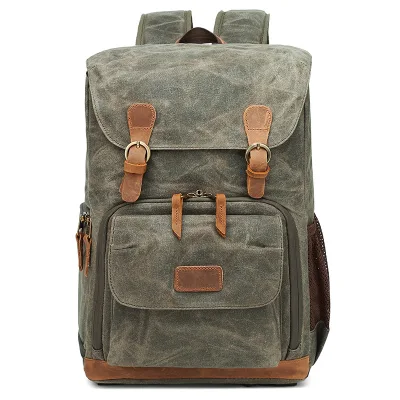
Waterproof Waxed Canvas and Genuine Leather DSLR Camera/Video Bags Camera Backpack
$14.00 - $16.00
MOQ: 100 Pieces


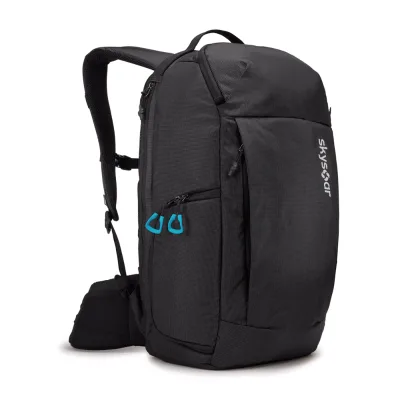
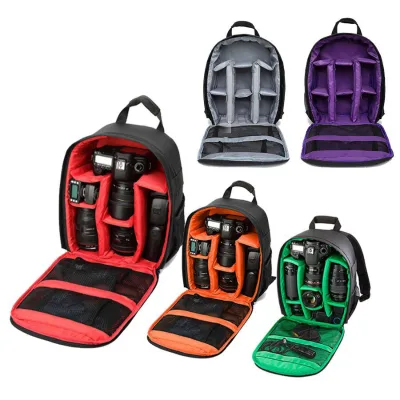
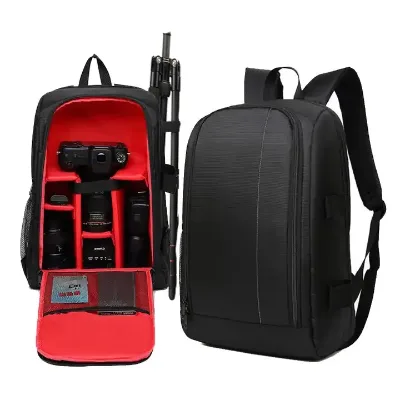


Digital Camera Bag SLR Vintage Waterproof Professional Photo Camera Backpack
$11.80 - $24.90
MOQ: 500 Pieces


Professional Photography Waterproof Outdoor Laptop Custom Camera Backpack Bag Supplier
$6.80 - $12.90
MOQ: 500 Pieces

Anti-Theft Digital Gear Camera Bags DSLR SLR Camera Bag Backpack for Photographers
$7.88 - $11.66
MOQ: 500 Pieces
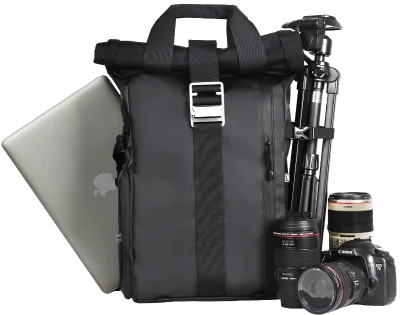


Comprehensive Sourcing Guide
Waterproof DSLR Backpack Sourcing Guide
Sourcing a Waterproof DSLR Backpack requires balancing rugged protection with ergonomic comfort for photographers who move between studios and outdoor locations. The market offers diverse options, ranging from simple black designs to vintage-inspired styles with stitching details. Buyers must distinguish between general-purpose camera bags and specialized gear that meets specific environmental demands. Understanding the core attributes of these products helps in filtering suppliers who claim versatility without delivering on critical protection metrics.
This guide focuses on verifying the technical and commercial realities of these products. Observed listings indicate a wide range of customization options, including logo placement and size adjustments. However, buyers should remain cautious of conflicting specifications, such as varying internal materials or inconsistent delivery timelines. The goal is to identify suppliers who provide transparent data on materials, construction, and logistics, ensuring that the final product meets the rigorous demands of professional photography equipment storage.
Product Scope and Observed Listing Signals
The current market presents a fragmented landscape of camera bags, with observed listings showing significant variation in product attributes. Some items are explicitly labeled as protective camera bags with waterproof and shockproof features, while others emphasize style elements like vintage or sporty aesthetics. The presence of both nylon and polyester as inside materials suggests that suppliers may offer different tiers of quality or target different price points. Buyers need to carefully cross-reference these material claims with the stated hardness and design, such as horizontal square shapes, to ensure the bag’s structure aligns with their equipment needs.
Listing signals also reveal inconsistencies in minimum order quantities and delivery expectations. While some suppliers list an MOQ of 300 pieces, others accept orders as low as 100 pieces, and sample lead times vary from five to ten days. These discrepancies highlight the importance of verifying each supplier’s actual capabilities rather than relying on generic listing data. The presence of customizable sizes and standards indicates that many manufacturers are prepared for OEM or ODM projects, but buyers must confirm that customization does not compromise the bag’s waterproof integrity or structural durability.
Technical Specifications to Verify
Verifying the technical specifications of a Waterproof DSLR Backpack is critical to ensuring equipment safety. Buyers should confirm the exact dimensions of the main compartment to ensure it fits specific camera bodies and lenses, particularly for larger formats like those requiring space for 17-inch devices. The internal layout, including the presence of adjustable dividers, is essential for protecting delicate glass elements from impact. Additionally, the external material’s waterproof rating must be validated, as claims of water resistance do not always equate to full waterproofing under heavy rain or accidental submersion.
Construction quality is another vital area for verification. The stitching details, often highlighted as a fashion element, must be robust enough to withstand the weight of heavy gear. Buyers should inspect the quality of zippers, buckles, and shoulder straps, as these components are prone to failure under stress. The hardness of the bag, described as soft in some listings, may offer comfort but could lack the rigid protection needed for rough handling. Confirming the single package size and weight helps in calculating shipping costs and ensuring the bag remains portable for travel.
Compliance and Safety Documentation
While specific certification standards are not uniformly listed in the observed data, buyers must request relevant compliance documentation from suppliers. For products originating from China, particularly from regions like Guangdong and Fujian, verifying adherence to international safety standards for materials is essential. This includes checking for restrictions on harmful substances in the nylon or polyester fabrics and ensuring that any dyes or coatings used for waterproofing are environmentally safe. Buyers should ask for test reports that demonstrate the bag’s ability to repel water and resist tearing under tension.
Documentation should also cover the manufacturing process and quality control measures. Suppliers should provide evidence of their production capabilities, including their supply ability, which has been noted as up to 5000 pieces per month for some vendors. This information helps buyers assess whether the supplier can handle large orders without compromising quality. Additionally, buyers should verify that the supplier has a clear traceability system for their materials, ensuring that any customizations or logo applications do not introduce new safety risks or regulatory violations.
Cost Drivers and Commercial Terms
The cost of a Waterproof DSLR Backpack is influenced by several factors, including material quality, customization complexity, and order volume. Observed price ranges vary significantly, reflecting differences in construction and features. Buyers should be aware that lower prices may correlate with simpler designs or less durable materials. Customization options, such as adding logos or altering sizes, often incur additional costs and may extend the production lead time. Understanding these cost drivers helps buyers budget accurately and avoid unexpected expenses during the procurement process.
Commercial terms, including payment methods and delivery options, also impact the overall cost. Suppliers typically accept payments via T/T or L/C, and delivery can be arranged by courier, sea, or air. The choice of delivery method affects both the cost and the lead time, with air freight being faster but more expensive. Buyers should negotiate clear terms regarding sample costs, which can range from five to ten days for production, and bulk delivery times, which may extend to 35-45 days. Clarifying these terms upfront prevents misunderstandings and ensures a smooth transaction.
Supplier Qualification and Quality Control
Qualifying a supplier for waterproof DSLR backpacks requires a thorough assessment of their manufacturing capabilities and quality control processes. Buyers should verify the supplier’s location, as origins in Guangdong and Fujian are common for such products, but this does not guarantee consistent quality. Requesting factory audits or third-party inspections can provide insights into the supplier’s production environment and adherence to quality standards. Buyers should also evaluate the supplier’s ability to handle OEM and ODM requests, ensuring they have the technical expertise to meet specific design and functional requirements.
Quality control measures should be clearly defined in the purchase agreement. Buyers should specify inspection points, such as checking for stitching integrity, zipper functionality, and waterproof coating uniformity. It is advisable to request pre-shipment samples to verify that the final product matches the approved prototype. Additionally, buyers should establish a clear protocol for handling defects, including return policies and compensation for non-conforming goods. A robust quality control process minimizes the risk of receiving substandard products and protects the buyer’s investment.
Long-Term Procurement Checks
Establishing long-term procurement relationships with reliable suppliers is essential for maintaining consistent quality and supply chain stability. Buyers should conduct regular performance reviews, assessing factors such as on-time delivery, product quality, and responsiveness to issues. Tracking supplier performance over multiple orders helps identify trends and potential risks, allowing buyers to make informed decisions about future partnerships. Building a diversified supplier base can also mitigate risks associated with single-source dependencies, ensuring continuity in case of disruptions.
Continuous improvement and communication are key to successful long-term procurement. Buyers should maintain open lines of communication with suppliers, providing feedback on product performance and suggesting improvements. This collaborative approach can lead to better product designs and more efficient production processes. Additionally, staying informed about industry trends and technological advancements in camera bag manufacturing can help buyers identify new opportunities for innovation and cost savings. By prioritizing long-term relationships, buyers can secure a competitive advantage in the market.
FAQs
Can I customize the logo on this Waterproof DSLR Backpack?
Yes, the logo can be customized for this product. The supplier offers customization services for the logo, allowing buyers to add their branding. This feature is available alongside other customization options like size and design to meet specific business needs.
What is the minimum order quantity for this item?
The minimum order quantity varies by product model, ranging from 100 to 500 pieces. Some listings specify 300 pieces as the standard MOQ, while others require 100 or 500 pieces. Buyers should check the specific item number to confirm the exact requirement before placing an order.
How long does it take to receive samples?
Sample delivery typically takes between 5 to 10 days depending on the specific product model. One listing indicates a sample date of 7 to 10 days, while another specifies a sample lead time of 5 to 7 days. This timeframe allows buyers to verify quality before bulk production.
Which materials are used for the inside lining?
The inside material is constructed from either nylon or polyester depending on the specific model. These durable fabrics provide protection for contents while maintaining a lightweight profile. The choice of material ensures the bag remains functional for various uses like travel or sports.
What are the delivery timeframes for bulk orders?
Bulk delivery times range from 30 to 45 business days after order confirmation. Specific models may have lead times of 35 to 45 days or 30 to 40 business days. Buyers should plan their inventory accordingly to ensure timely receipt of goods from the factory in China.
Can I find suppliers with specific packaging requirements?
Yes, packaging can be customized or follows customary packing standards. Some products use specific dimensions like 50hx50wx23D cm for single packages. Buyers can request tailored packing solutions to suit their logistics needs while ensuring the product remains protected during transit.
What payment methods are accepted for this order?
Accepted payment methods include T/T and L/C for secure transactions. These standard financial instruments facilitate international trade between buyers and suppliers. Buyers should coordinate with the supplier to finalize the payment terms that best suit their financial workflow and risk management.