Source High-Torque T-Handle Hex Key for Industrial, Screw, Electronic
Compare 30 listings for High-Torque T-Handle Hex Key tools from verified Chinese manufacturers. Buyers can evaluate specifications, pricing, and customization options for industrial, screw, and electronic applications; compare the available evidence and request quotations based on your requirements.
Key considerations
Products List
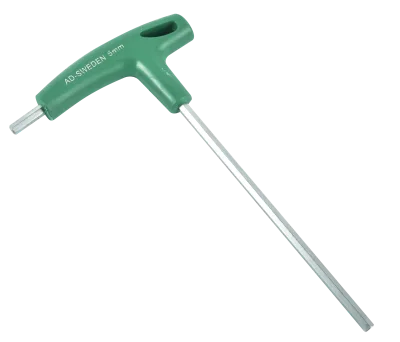


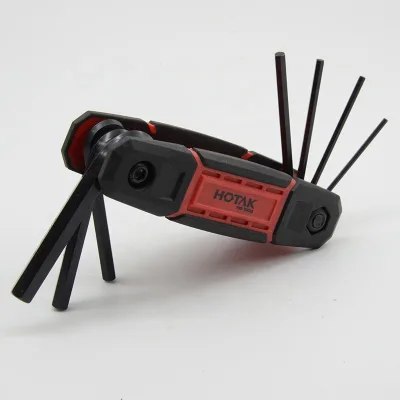

S2 Wrench T-Handle Key Hand Tool Alloy Steel Cr-V Hex Key Allen Key Hexagon Key
$0.01 - $0.10
MOQ: 10000 Pieces


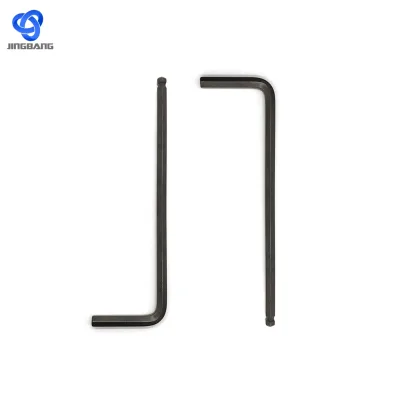


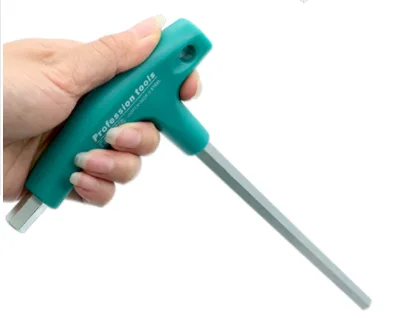


Manufacturer Supply Common Key Handle Customization Left/Right Blank Key
$0.09 - $0.12
MOQ: 10000 Pieces


Comprehensive Sourcing Guide
High-Torque T-Handle Hex Key Sourcing Guide
Procuring high torque T-handle hex keys requires a nuanced understanding of industrial fastening demands, where leverage and precision intersect. These tools are essential for applications requiring significant rotational force, such as heavy machinery maintenance, automotive assembly, and large-scale industrial construction. The T-handle design provides superior torque application compared to standard L-keys, allowing operators to apply greater force with less physical strain. Buyers must recognize that while the core function remains consistent, the specific material composition and handle ergonomics vary significantly across suppliers. Understanding these variations is critical for selecting the right tool for high-stress environments where tool failure could lead to costly downtime or safety hazards.
The market for these tools is diverse, ranging from basic carbon steel variants to specialized chrome-plated options designed for corrosion resistance. Buyers often encounter listings that specify different standards, such as Metric, British, European, or American types, which dictates the compatibility with existing fastener systems. It is crucial to verify the exact drive type and size specifications, as mismatches can result in stripped screws or damaged components. Furthermore, the distinction between standard and high-torque applications means that not all hex keys are created equal; some are optimized for precision electronics, while others are built for rugged industrial use. Aligning the tool’s capabilities with the specific mechanical requirements of your operation ensures optimal performance and longevity.
Product Scope and Observed Listing Signals
Current market observations indicate a wide price range, typically between $0.01 and $6 USD, reflecting the disparity in material quality and manufacturing precision. Minimum Order Quantities (MOQs) vary drastically, starting from single units for sampling up to 20,000 pieces for bulk industrial contracts. This variance suggests that suppliers cater to both small-scale maintenance teams and large-scale manufacturing operations. Buyers should note that lower prices often correlate with basic carbon steel construction and standard packaging, while higher price points may include specialized surface treatments like chrome plating or custom branding. Understanding these signals helps in budgeting accurately and setting realistic expectations for lead times and production capacity.
Listing details frequently highlight customization options, including OEM and ODM support, which allows companies to brand tools with their own logos or specific design modifications. Some suppliers offer single-item sales, while others require bulk purchases, impacting inventory management strategies. The observed supply ability ranges from small batches to substantial weekly outputs, indicating that larger suppliers can handle significant volume demands. Additionally, packaging details vary from simple card bindings to robust carton and plastic bag combinations, ensuring product protection during transit. Buyers must carefully review these listing signals to determine which supplier aligns with their volume needs, customization requirements, and logistical constraints.
Technical Specifications to Verify
Verifying the material composition is paramount, as carbon steel is a common base material, often treated with chrome for enhanced durability and corrosion resistance. Buyers should confirm the specific grade of steel and the quality of the surface treatment, as these factors directly influence the tool’s lifespan and performance under high torque. The standard sizes available often include Metric, British, European, and American types, with specific dimensions ranging from 0.7mm to 36mm in some contexts. It is essential to match the tool’s standard to the fasteners in use, ensuring a precise fit to prevent slippage and damage. Additionally, the drive type should be verified, as some applications may require customized drives for specific machinery interfaces.
Length and handle design are critical technical aspects that affect user comfort and torque application. Typical lengths range from 10mm to 180mm, allowing for versatility in accessing tight or deep fastener locations. The T-handle configuration provides better leverage, but the handle color and material can impact visibility and grip in various lighting conditions. Some listings specify pure or colorful handles, which may be relevant for color-coding systems in large workshops. Buyers should also check the folded status, as unfolded tools are standard for T-handles, but storage considerations may influence packaging choices. Ensuring these specifications align with operational needs prevents inefficiencies and enhances worker safety.
Compliance and Safety Documentation
Compliance with international standards is a key consideration for industrial procurement, with many suppliers adhering to ISO9001, ISO14001, and IATF16949 certifications. These certifications indicate a commitment to quality management and environmental responsibility, which can be crucial for companies with strict supply chain requirements. Buyers should request documentation to verify these certifications, ensuring that the supplier maintains consistent quality control processes. Additionally, some products may be tested against RoHS and Reach standards, which regulate the use of hazardous substances in manufacturing. Confirming these tests is essential for compliance with environmental regulations, particularly in industries with strict chemical usage restrictions.
Warranty terms also play a significant role in risk mitigation, with some suppliers offering a one-year warranty against human damage. This coverage provides a safety net for defects in material or workmanship, reducing the financial impact of premature tool failure. Buyers should clarify the specific terms of the warranty, including what constitutes human damage versus manufacturing defects. Furthermore, the origin of the product, often listed as Zhejiang, China, can influence logistics and tariff considerations. Understanding the regulatory landscape of the country of origin helps in anticipating potential compliance hurdles and ensuring that all imported goods meet local safety and quality standards.
Cost Drivers and Commercial Terms
Several factors influence the final cost of high torque T-handle hex keys, including material costs, surface treatment processes, and customization requirements. Chrome plating and specialized packaging add to the production cost, while bulk orders may offer economies of scale. Buyers should analyze the cost structure to understand where value is added, such as in the quality of the steel or the precision of the manufacturing process. Additionally, the supply ability, often cited as 10 pieces per week for some suppliers, can impact pricing due to limited production capacity. Understanding these drivers helps in negotiating better terms and identifying suppliers who offer the best balance of cost and quality.
Commercial terms such as MOQs and packaging details significantly affect the total cost of ownership. Suppliers may require minimum orders of 10,000 pieces for certain customized products, which impacts inventory holding costs. Packaging options, ranging from 25kg boxes to palletized shipments, influence shipping costs and handling efficiency. Buyers should consider the total logistics cost, including freight and insurance, when evaluating supplier quotes. Furthermore, the port of dispatch, typically Shanghai or Ningbo, can affect transit times and availability. Aligning commercial terms with operational needs ensures that procurement strategies are both cost-effective and logistically feasible.
Supplier Qualification and Quality Control
Supplier qualification involves assessing their production capabilities, quality control processes, and historical performance. Buyers should verify the supplier’s ability to meet specific standards, such as Metric or Imperial measurements, and their capacity to handle customized orders. Quality control measures, including regular inspections and testing, are essential to ensure consistency in product quality. Buyers may request samples to evaluate the tool’s fit, finish, and durability before committing to large orders. Additionally, checking the supplier’s certification status and compliance with environmental regulations provides insight into their operational standards and reliability.
Effective quality control extends beyond initial sampling, requiring ongoing monitoring of production batches. Buyers should establish clear acceptance criteria and inspection protocols to ensure that delivered goods meet specifications. Communication with the supplier regarding any deviations or issues is crucial for maintaining quality standards. Furthermore, understanding the supplier’s customization support, including OEM and ODM capabilities, allows for tailored solutions that meet specific operational needs. By prioritizing suppliers with robust quality control systems and transparent communication, buyers can mitigate risks and ensure a steady supply of high-quality tools.
Long-Term Procurement Checks
Long-term procurement success depends on establishing strong relationships with reliable suppliers and continuously monitoring performance. Buyers should conduct regular audits of supplier quality and delivery consistency to identify potential issues early. Maintaining open communication channels allows for timely resolution of any problems and fosters a collaborative partnership. Additionally, staying informed about industry trends and technological advancements ensures that procurement strategies remain relevant and effective. Regularly reviewing supplier certifications and compliance status helps in maintaining high standards and adapting to changing regulatory environments.
Evaluating the total cost of ownership over time, including maintenance, replacement, and logistics costs, provides a comprehensive view of supplier value. Buyers should consider the supplier’s ability to scale production in response to changing demand and their flexibility in handling customized orders. Continuous improvement initiatives, such as feedback loops and performance reviews, drive better outcomes and strengthen supplier relationships. By focusing on long-term partnerships and strategic procurement practices, buyers can ensure a stable supply of high-quality tools that support their operational goals and contribute to overall business success.
FAQs
What material is used for the hex key?
The hex key is manufactured from carbon steel, providing durability for industrial applications. It features a chrome surface treatment to enhance corrosion resistance. This material choice ensures the tool can withstand manual working modes and frequent use in electronic or fastener assembly tasks without compromising structural integrity.
Can I customize the logo on the hex key?
Yes, customized logos are accepted for this hex key product. The supplier supports both OEM and ODM customization services to meet specific branding needs. Buyers can request tailored packaging or product markings, ensuring the final delivered items align with their corporate identity or specific project requirements effectively.
What is the minimum order quantity for this item?
The minimum order quantity varies by product variant, ranging from 1 piece to 10,000 pieces. Some standard items allow for single-unit purchases, while bulk orders may require higher volumes. Buyers should verify the specific MOQ for their desired model number to ensure the order meets the supplier's production thresholds.
What certifications does the manufacturer hold?
The manufacturer holds ISO9001, ISO14001, and IATF16949 certifications. These credentials indicate adherence to quality management and environmental standards. Additionally, products may undergo RoHS and Reach testing to ensure compliance with international safety and environmental regulations, providing buyers with confidence in the supplier's operational standards and product reliability.
Where is the hex key manufactured and shipped from?
The hex key originates from Zhejiang, China, and is dispatched from either Shanghai or Ningbo ports. This location allows for efficient logistics and supply chain management. Buyers can expect standard packaging for protection during transit, with supply abilities tailored to meet weekly production demands for various industrial and electronic applications.
What warranty is provided for the hex key?
A one-year warranty is provided for the hex key, covering defects without human damage. This warranty ensures that the product meets quality expectations during its initial period of use. Buyers are protected against manufacturing flaws, allowing for reliable performance in industrial, screw, and electronic fastener applications under normal operating conditions.