Source High Torque Urban Electric Bicycle for Commuting
Find a High Torque Urban Electric Bicycle from 30 verified listings. Compare models with 48V lead-acid batteries, 14-inch wheels, and 25-60km ranges. Evaluate specifications like motor wattage and braking systems to select the right vehicle for city logistics; compare the available evidence and request quotations based on your requirements.
Key considerations
Products List


$230.59 - $235.71
MOQ: 5 Pieces


Electric Agile Maneuver Compact Size Urban Friendly City Electric Bike
$145.00 - $188.00
MOQ: 50 Pieces


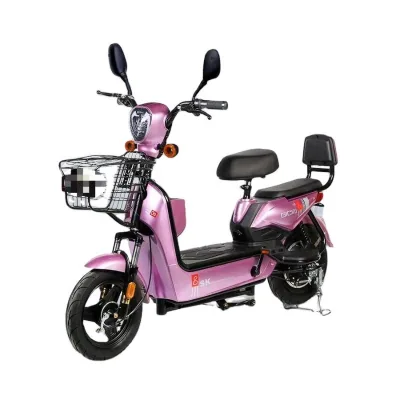


High-Quality Electric Bicycle for Urban Commuting with Long Battery Life
$175.00 - $189.00
MOQ: 1 Pieces


Comprehensive Sourcing Guide
High Torque Urban Electric Bicycle Sourcing Guide
Procuring high-torque urban electric bicycles requires distinguishing between models designed for flat city commuting and those engineered for hilly terrain or heavy cargo loads. The observed market data indicates a diverse range of specifications, with motor wattages spanning from 351 to 500W and maximum speeds varying between 20-40km/h and 41-60km/h. Buyers must carefully align these performance metrics with local traffic regulations and specific route topography to ensure the selected unit delivers the necessary torque without violating speed limits.
The supply chain for these vehicles often originates from manufacturing hubs in Anhui, China, where suppliers offer various customization options to meet distinct regional demands. While some listings highlight lightweight frames and hidden battery placements for aesthetic integration, others prioritize robust construction with high carbon steel frames to support maximum loads up to 200kg. Understanding these structural differences is critical, as the frame material and battery positioning directly influence the vehicle's center of gravity and its ability to handle the high torque required for urban acceleration.
Product Scope and Observed Listing Signals
When evaluating product listings, buyers should note that the observed inventory includes specific models like the FL-0009 and GS-011, which feature distinct wheel sizes and tire configurations. The data shows a prevalence of 14-inch wheels paired with vacuum tires ranging from 2.50 to 2.75 inches, a combination that balances agility with stability in stop-and-go traffic. However, the presence of both single-item selling units and bulk packaging options suggests that procurement strategies must account for varying order volumes and logistical requirements.
A critical signal in the current market is the variation in battery technology, with some units utilizing lead-acid batteries while others specify storage batteries with capacities around 20Ah. This distinction significantly impacts the total vehicle weight, which is observed to fall between 25 and 50kg, and the overall range per power charge, which varies from 25 to 60km. Buyers must verify the specific battery type for each model to ensure it meets the endurance requirements of their intended urban routes, as lead-acid options may offer different charging times and longevity compared to alternative storage solutions.
Technical Specifications to Verify
The motor configuration is a primary technical factor, with observed listings specifying brushless motors and central motor placements that are essential for efficient torque delivery. Buyers must confirm the voltage rating, as the data indicates a standard 48V system, and verify the controller specifications, such as the "Big Six Tube-Newcontroller," to ensure smooth power management. The gear systems also vary, with some models offering 3-speed transmissions, which can be advantageous for navigating steep urban inclines while maintaining optimal motor efficiency.
Braking systems and suspension features are equally vital for safety and ride quality in high-torque applications. The observed data includes both front and rear hub types and drum brakes, requiring verification that the stopping power matches the increased momentum of heavier, high-torque units. Additionally, the presence of dual suspension and lightweight features alongside digital displays and LED indicators suggests a focus on rider feedback and comfort. Procurement teams should validate that these special features are integrated correctly and do not compromise the structural integrity of the frame or the reliability of the braking system.
Compliance and Safety Documentation
Regulatory compliance is a non-negotiable aspect of sourcing, with observed certifications including ISO, EEC, and CE marks that indicate adherence to international safety and quality standards. Buyers must request valid certification documents for each specific model, as the presence of these marks does not automatically guarantee that every unit in a batch meets the same rigorous testing criteria. The variation in maximum speeds and power outputs means that compliance with local urban vehicle laws must be checked on a model-by-model basis to avoid legal liabilities.
Safety documentation should also cover the electrical systems, particularly the charging time and battery safety protocols. While observed charging times range from 3 to 8 hours, suppliers must provide clear guidelines on battery handling and storage to prevent overheating or failure. The standard packaging dimensions, such as 1453275cm or 1313065cm, should be reviewed to ensure that the shipping containers meet safety standards for transport. Verifying that the packaging protects the battery and motor during transit is essential for maintaining the product's safety profile upon arrival.
Cost Drivers and Commercial Terms
The cost structure for these bicycles is heavily influenced by the frame material and battery type, with high carbon steel and lead-acid batteries representing specific cost tiers. Buyers should anticipate price variations based on the inclusion of advanced features like digital displays, hidden batteries, and specialized controllers. The observed price range of 50.99 to 994 USD reflects these differences, necessitating a clear definition of the required feature set before engaging in price negotiations to avoid unexpected budget overruns.
Commercial terms such as Minimum Order Quantity (MOQ) and lead times are critical variables that affect the total cost of ownership. The market data shows an MOQ range from 1 to 200 units, offering flexibility for small-scale pilots but potentially higher per-unit costs. Buyers must clarify whether the supplier offers customization services and how these affect the production timeline. Understanding the relationship between order volume, customization requests, and delivery schedules is essential for accurate financial planning and inventory management.
Supplier Qualification and Quality Control
Supplier qualification should focus on verifying the origin of the products, with a significant portion of the observed inventory originating from Anhui, China. Buyers must assess the supplier's capacity to maintain consistent quality across different models, such as the FL-0031 and GST-001, which may have different production lines or standards. Requesting samples for independent testing is a prudent step to validate claims regarding motor performance, battery capacity, and frame durability before committing to larger orders.
Quality control processes must extend beyond the final inspection to include checks on the assembly of critical components like the motor, controller, and braking system. The variation in tire sizes and wheel dimensions suggests that suppliers may use different suppliers for these parts, requiring a robust supply chain audit. Buyers should inquire about the supplier's defect rates and their procedures for handling non-conforming units. Establishing a clear quality agreement that defines acceptable tolerances for weight, speed, and range is fundamental to ensuring product reliability.
Long-Term Procurement Checks
Sustaining a successful procurement relationship requires regular monitoring of product performance and supplier responsiveness over time. Buyers should track the longevity of the battery and motor components, as the observed charging times and range per power figures may degrade with use. Establishing a feedback loop with the end-users to report any mechanical issues or performance shortfalls allows for proactive adjustments to the product specifications or supplier selection.
Future-proofing the procurement strategy involves staying informed about evolving standards and technological advancements in the electric bicycle sector. While current listings show specific certifications and standards, the regulatory landscape may shift, requiring suppliers to adapt their production processes. Buyers should maintain open communication with suppliers regarding potential updates to their product lines, such as new battery technologies or improved braking systems, to ensure the fleet remains competitive and compliant with emerging urban mobility trends.
FAQs
What is the maximum load capacity for these electric bicycles?
The maximum load capacity is 150-200kg. This robust frame supports heavy urban commuting loads. The high carbon steel construction ensures durability. Riders can safely transport goods or passengers within this weight limit. Always verify specific model limits before purchase.
How long does the battery take to charge fully?
Charging typically takes 6 to 8 hours. The lead-acid battery requires this duration for a full cycle. Some models may charge in 3 to 8 hours depending on the controller. Plan your charging schedule accordingly to ensure readiness for daily urban travel.
Which certifications do these electric bicycles hold?
These bicycles hold ISO, EEC, and CE certifications. These standards ensure compliance with international safety and quality requirements. The certifications apply to specific models like the GS series. Buyers should verify the exact certification list for their chosen model before ordering.
Can the frame material support heavy daily use?
Yes, the frame is made of high carbon steel or carbon steel. This material provides the necessary strength for urban environments. The weight ranges from 25-50kg, balancing durability and portability. The sturdy build supports the 150-200kg load capacity effectively.
What is the typical range per power charge?
The range per power charge is 25-35km or 31-60km. This varies by model and battery configuration. The 48V lead-acid battery supports these distances. Riders can expect reliable urban commuting range. Check specific model specs for exact mileage expectations.
What braking system is used on these bikes?
The braking system uses front and rear hub type brakes. Some models feature front and rear drum brakes. This setup provides reliable stopping power for urban speeds. The dual suspension enhances comfort and control. Ensure the braking system matches your safety requirements.