Find High Voltage Pulse Generator for Wood Dryer, Surge Testing, Insulation
Source 30 High Voltage Pulse Generator units suitable for wood drying, surge immunity testing, and electrical insulation verification. Compare specifications, certifications, and pricing from verified Chinese manufacturers to identify the optimal solution for your industrial needs.
Key considerations
Products List


High Voltage Surge Pulse Generator for Electrical Relays Safety Testing
$4000.00 - $9999.00
MOQ: 1 Pieces


High Voltage Electrostatic Generator High Voltage Breakdown Impulse Generator
$1000.00 - $15000.00
MOQ: 1 Pieces


Impulse Voltage Generator for High Voltage Laboratory Power Equipment
$1000.00 - $12000.00
MOQ: 1 Pieces


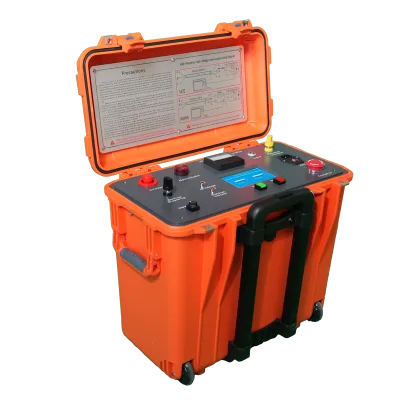
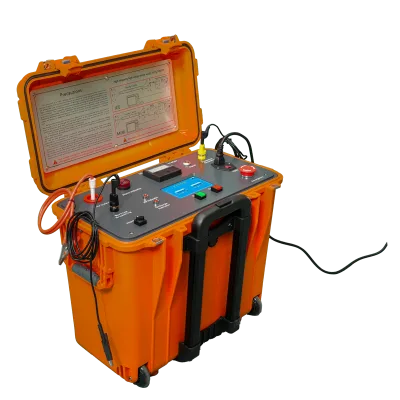
Surge Generator Clockwise Rotation of the "emergency Stop" Key to Start
$3576.86 - $5395.95
MOQ: 1 Minimum


Factory Direct High Precision Handwheel Pulse Generator for Professionals
$89.00 - $189.00
MOQ: 10 Pieces


Comprehensive Sourcing Guide
Strategic Sourcing Guide for High Voltage Pulse Generators
Navigating the procurement of high voltage pulse generators requires a disciplined approach that balances technical precision with rigorous supplier verification. These devices are critical for electrical insulation testing, surge immunity evaluation, and specialized industrial heating applications. The market presents a wide spectrum of equipment, ranging from compact units designed for specific impulse testing to massive systems utilized in high-frequency wood processing. Buyers must distinguish between products intended for laboratory-grade verification and those designed for heavy industrial throughput. This guide outlines the essential parameters, compliance frameworks, and evaluation criteria necessary to secure reliable equipment without relying on unverified marketing claims.
Technical Specifications and Operational Parameters
The core functionality of a High Voltage Pulse Generator is defined by its electrical output characteristics and physical construction. When evaluating potential units, procurement teams must first verify the output voltage range, as this dictates the scope of testing or processing capabilities. Observed market data indicates a significant variance in output capabilities, with some units offering a range of 0 to 20 kilovolts (kV), while others are engineered for peak values extending from 100 to 10,000 kV. The waveform is equally critical; standard impulse tests often require a 1.2/50 microsecond wave shape, representing the time to peak and the time to half-value. Other applications may necessitate an 8/20 microsecond wave or specific surge waveforms for immunity testing.
Frequency and power input are additional determinants of performance. Some high-frequency heating systems operate at specific oscillation frequencies, such as 6.78 MHz, utilizing high-frequency heating principles for applications like wood drying or edge gluing. In contrast, impulse generators for electrical testing may operate at standard grid frequencies of 50 Hz or offer customized frequency options. The input power requirements can be substantial, with certain high-capacity units requiring 40 kVA inputs and operating on 380V three-phase, four-wire systems. Buyers should also scrutinize the working power specifications to ensure compatibility with existing facility infrastructure.
Physical dimensions and weight are practical constraints that often influence logistics and installation. The market includes units with specific over-sizes, such as 100011001850mm, and weights ranging from approximately 32 kg for portable impulse testers to over 2000 kg for heavy-duty industrial generators. The internal architecture, including core components like engines and high-frequency tubes, must be matched to the intended duty cycle. For instance, systems designed for continuous industrial heating differ significantly in component selection from those built for intermittent impulse testing.
Compliance, Certification, and Safety Standards
Adherence to international standards is non-negotiable when sourcing high voltage equipment. The safety and reliability of these devices are governed by specific regulatory frameworks. Procurement documents should explicitly reference compliance with IEC 60060-1 and IEC 60060-2 for high voltage test equipment, alongside IEC 61010 for safety requirements for electrical equipment for measurement, control, and laboratory use. For surge immunity testing, the IEC/EN 61000-4-5 standard is the primary benchmark for defining test levels and wave shapes.
Certification status provides an additional layer of assurance regarding manufacturing quality. Many suppliers in the sector provide ISO 9001 certification, which validates the quality management systems used during production. The CE mark is frequently observed as a mandatory requirement for equipment entering the European market, indicating conformity with health, safety, and environmental protection standards. Furthermore, for calibration and traceability, the availability of an ILAC Calibration Certificate is a valuable asset, ensuring that the output voltage and current measurements are accurate and traceable to international standards.
Buyers must verify that the specific model being purchased meets the relevant standards for its intended application. For example, a generator used for electrical insulation testing must strictly adhere to IEC 60255-5 and IEC 60255-27 standards. It is crucial to distinguish between general certifications and those specific to the device's function. Relying on a general ISO certification without verifying specific IEC compliance for high voltage output can lead to non-compliant equipment in regulated environments.
Cost Drivers and Pricing Dynamics
The pricing of high voltage pulse generators is influenced by a complex interplay of factors, including output capacity, waveform complexity, and customization levels. The observed market price range is extensive, spanning from approximately $59 to $32,000 USD. This wide disparity reflects the difference between basic impulse testers and high-power industrial systems. A unit with a 30 kW output and high-frequency capabilities for wood processing will command a different price point than a 20 kV surge generator designed for laboratory use.
Minimum Order Quantity (MOQ) is another variable that affects the total cost of acquisition. While some suppliers may offer flexible terms with an MOQ of just one unit, others might require a minimum of ten units, particularly for customized configurations. The lead time also impacts cost; standard models with a delivery window of within five days may carry a premium compared to units with longer production cycles. Customization services, such as tailored voltage ranges or specific control interfaces, invariably increase the final price.
When analyzing cost, buyers should look beyond the unit price to consider the total cost of ownership. This includes the cost of specialized packaging, such as wooden boxes or foam and plastic covers required for safe transport, and the potential need for additional accessories like electronic loads or computer control interfaces. The accuracy grade of the device, such as a 0.1 or 0.2 control grade, also correlates with higher manufacturing costs and, consequently, a higher purchase price.
Typical Applications and Use Cases
High voltage pulse generators serve diverse industries, each with unique operational requirements. In the electrical sector, these devices are essential for electrical insulation testing, where they generate high-voltage impulses to verify the integrity of cables, transformers, and switchgear. The ability to produce specific waveforms, such as the 1.2/50 microsecond surge, is vital for simulating lightning strikes or switching surges in a controlled environment.
Beyond testing, these generators are integral to industrial processing. High-frequency heating systems, often categorized as high voltage impulse generators in broader contexts, are used for wood drying, edge gluing, and curved press machine operations. These applications rely on the dielectric heating properties of radio frequency energy to process materials efficiently. The working principle involves high-frequency heating, which allows for rapid and uniform heating of wood products without the surface burning associated with traditional methods.
Surge immunity testing is another critical application, particularly for manufacturers of electronic equipment. These generators simulate electromagnetic interference to ensure that devices can withstand external surges without failure. The internal network configuration, such as a 1-phase, 16A setup, and the short-circuit current capabilities (ranging from 0.1 to 4 kA) are key specifications for this use case. Understanding the specific application is the first step in selecting the correct generator, as a unit optimized for industrial heating may not provide the precision required for laboratory insulation testing.
Supplier Evaluation and Geographic Considerations
Evaluating suppliers requires a focus on geographic origin, manufacturing capability, and logistical reliability. The supply chain for high voltage pulse generators is concentrated in specific regions, with notable production hubs in Hebei and Shanghai, China. The origin of the product can influence shipping costs, lead times, and the availability of after-sales support. Buyers should verify the stated origin against the supplier's actual manufacturing footprint to ensure authenticity.
When assessing a supplier, the availability of comprehensive documentation is paramount. This includes detailed product specifications, standard compliance certificates, and calibration records. A reputable supplier will provide clear information on the product model, such as HF30-SA or SUR S8, and the specific standards they adhere to. The presence of custom service options indicates a supplier's flexibility in meeting unique buyer requirements, which is often necessary for specialized industrial applications.
Logistics and packaging are also critical evaluation criteria. Products are typically shipped in wooden packages or covered with foam and plastic to prevent damage during transit. The weight of the unit, which can range from 32 kg to over 2000 kg, dictates the shipping method and cost. Buyers should confirm the supplier's ability to handle heavy industrial shipments and their track record for on-time delivery. A lead time of within five days for standard models suggests a robust inventory system, while customized units may require longer production windows.
Quality Control and Long-Term Procurement Strategy
Ensuring the long-term reliability of high voltage pulse generators involves a robust quality control strategy. Buyers should prioritize suppliers who offer digital displays for precise monitoring of output parameters and electronic load management systems. The accuracy grade of the control system, often specified as 0, is a key indicator of the device's precision. Regular calibration is essential to maintain this accuracy, and the availability of ILAC calibration certificates should be a prerequisite for purchase.
Maintenance and support are vital components of a long-term procurement strategy. The core components of these generators, such as the engine and high-frequency tube, are subject to wear and tear. Buyers should inquire about the availability of spare parts and the technical expertise of the supplier for repairs. The working principle of the device, whether based on high-frequency heating or impulse generation, dictates the specific maintenance requirements.
Finally, buyers must consider the scalability of their procurement. As operational needs evolve, the ability to upgrade or expand the testing and processing capabilities is crucial. Custom service availability allows for future modifications without the need to replace the entire system. By focusing on suppliers with strong quality control processes, clear compliance documentation, and reliable logistical support, buyers can secure high voltage pulse generators that meet their immediate technical needs while ensuring long-term operational stability.
Comparative Analysis of Key Product Attributes
To facilitate decision-making, the following table summarizes key attributes observed in the market for high voltage pulse generators. This comparison highlights the diversity in specifications and helps buyers identify the category that best fits their requirements.
| Attribute Category | Industrial Heating Unit | Laboratory Impulse Tester | Surge Immunity Generator |
|---|---|---|---|
| Primary Application | Wood Dryer, Edge Gluer | Electrical Insulation Test | Surge Immunity Testing |
| Output Voltage | Variable (High Frequency) | 0 | 0.2~8 kV (Open Circuit) |
| Frequency | 6.78 MHz (Oscillation) | 50 Hz or Customized | 50 Hz or Customized |
| Input Power | 40 kVA | Standard Grid | 1-phase, 16A |
| Weight | 800 Kg to >2000 Kg | 32 Kg | 48 Kg |
| Key Standard | Customized / IEC 61000-4-5 | IEC 60060-1, -2 | IEC/EN 61000-4-5 |
| Certification | CE, ISO 9001 | ISO 9001, CE | ISO 9001, CE |
| Origin | Hebei, China | Shanghai | Shanghai |
This comparison underscores that a single "High Voltage Pulse Generator" category encompasses vastly different technologies. Selecting the correct unit requires matching the specific application needs with the precise technical specifications and compliance standards of the available products.
FAQs
What certifications do high voltage pulse generators typically have?
These units often carry CE and ISO 9001 certifications. Some models also include ILAC Calibration Certificates for traceability. Buyers must verify specific IEC standards like IEC 60060-1 for high voltage test equipment compliance.
How much does a High Voltage Pulse Generator cost?
Prices range from 59 to 32000 USD depending on capacity. High-frequency heating systems and impulse generators vary significantly in cost. Customization and specific output voltage ranges influence the final unit price.
Which specifications define the output voltage of these generators?
Output voltage ranges vary from 0 to 20 kV or up to 10000 kV peak. Waveforms include 1.2/50 microseconds for impulse testing. Specific models offer customized voltage ranges to meet unique industrial or laboratory requirements.
Can I find suppliers with fast delivery for these units?
Yes, some suppliers offer delivery within five days for standard models. Lead times depend on whether the unit requires customization. Buyers should confirm the specific delivery window before placing an order.
What are the core components of a High Voltage Pulse Generator?
Core components include engines and high-frequency tubes for heating applications. Impulse testers may feature electronic loads and computer control systems. The internal architecture varies based on whether the device is for heating or testing.
Where are these high voltage pulse generators manufactured?
Products originate from regions like Hebei and Shanghai in China. The specific origin affects shipping logistics and lead times. Buyers should verify the stated location against the supplier's actual manufacturing footprint.
What is the minimum order quantity for these generators?
MOQs range from 1 to 10 units depending on the supplier. Customized configurations may require higher minimums. Flexible terms are available for standard models, while bespoke systems often have stricter quantity requirements.