Source High Whiteness Magnesium Silicate Talc for Cosmetic Plastic Rubber
Find 30 listings for High Whiteness Magnesium Silicate Talc with whiteness ranging from 90% to 96%. Buyers can compare mesh sizes, chemical compositions, and packaging options for applications in cosmetic, plastic, and rubber industries.
Key considerations
Products List

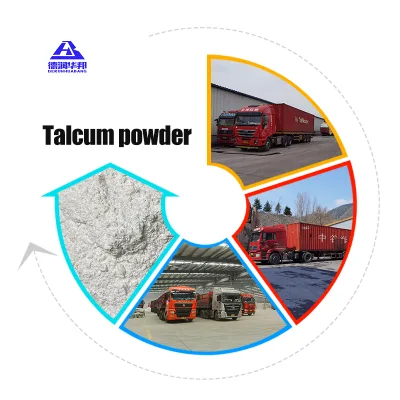
Rubber Added Talc Powder Hydrated Magnesium Silicate 325-3000mesh Talcum
$198.00 - $590.00
MOQ: 20 Tons




Comprehensive Sourcing Guide
Strategic Sourcing Guide for High Whiteness Magnesium Silicate Talc
The global demand for high-performance fillers in industrial manufacturing has elevated the profile of magnesium silicate talc, particularly grades defined by their high whiteness and chemical purity. For procurement professionals, sourcing this material requires a nuanced understanding of its specific chemical composition, application versatility, and the rigorous quality controls necessary to maintain product integrity. This guide synthesizes available market data to provide a structured approach for evaluating suppliers and specifications for High Whiteness Magnesium Silicate Talc, ensuring that procurement decisions are grounded in verified technical facts rather than marketing assertions.
Technical Specifications and Chemical Composition
The foundation of any successful procurement strategy for talc lies in a precise definition of technical specifications. High Whiteness Magnesium Silicate Talc is chemically identified by the formula Mg3(Si4O10)(OH)2, with a corresponding CAS No of 14807-96-6. This specific chemical structure dictates its physical properties and suitability for various industries. Buyers must verify that the product matches the observed whiteness ranges, which typically fall between 90% and 94% for standard high-grade powders, with some specialized grades reaching up to 96%.
Particle size distribution is a critical parameter that influences the material's performance in end-use applications. The market offers a diverse range of mesh sizes, including 200 mesh, 325 mesh, 600 mesh, 800 mesh, 1250 mesh, 3000 mesh, and even up to 5000 mesh. The selection of the correct mesh size depends entirely on the rheological requirements of the final product. For instance, finer meshes like 3000 mesh or 5000 mesh are often required for cosmetic applications to ensure smooth texture, while coarser grades like 325 mesh or 600 mesh may be preferred for rubber and plastic compounding where specific reinforcement is needed.
Chemical purity is another non-negotiable aspect of high whiteness talc. The material must exhibit low levels of impurities that could affect color stability or chemical reactivity. Key elemental compositions to verify include Silica (SiO2), which typically ranges from 60.15% to 65.07%, and Magnesium Oxide (MgO), which generally sits around 31% to 31.93%. Impurities such as Iron Oxide (Fe2O3) must be tightly controlled, with observed values as low as 0.13% to 0.18%, as higher iron content can lead to discoloration. Other trace elements like Aluminum Oxide (Al2O3), Calcium Oxide (CaO), Potassium Oxide (K2O), and Sodium Oxide (Na2O) should also be analyzed to ensure they fall within acceptable limits for the intended application.
Compliance, Certification, and Regulatory Standards
Navigating the regulatory landscape is essential for sourcing talc, especially for applications in pharmaceuticals, cosmetics, and food-adjacent industries. While specific certification statuses vary by supplier, the industry standard for reputable manufacturers includes ISO and CE certifications. These certifications indicate that the supplier adheres to international management system standards and European safety requirements, respectively. Buyers should explicitly request current certification documents to verify that the specific batch of talc being sourced meets these compliance benchmarks.
In addition to general certifications, buyers must be aware of specific regulatory frameworks relevant to their industry. For example, the European Chemicals Agency (ECHA) maintains the EINECS (European Inventory of Existing Commercial Chemical Substances) listing for talc, with the reference number 238-877-9. Ensuring that the supplier's product is listed under this EINECS number is a fundamental step in verifying the chemical identity and regulatory compliance of the material.
While some market contexts mention REACH compliance, this should be treated as a verification point rather than an automatic guarantee. Procurement teams must request specific test reports or declarations of conformity regarding REACH registration for the specific product model or batch. Similarly, shelf life is a critical factor for inventory management; observed data indicates a standard shelf life of 24 months for talc powder. This duration should be clearly stated in the supplier's quality assurance documentation to prevent the procurement of aged or degraded stock.
Cost Drivers and Pricing Dynamics
The pricing of High Whiteness Magnesium Silicate Talc is influenced by a complex interplay of factors, including particle size, chemical purity, and packaging requirements. The observed market price range is broad, spanning from $0.22 to $999 per unit, reflecting the vast difference between bulk commodity grades and highly processed, micronized specialty powders. The "Preferential" pricing attribute often seen in listings suggests that volume-based discounts are available, but the specific thresholds for these discounts must be negotiated directly with the supplier.
Minimum Order Quantity (MOQ) is another significant cost driver. The market shows an MOQ range of 1 to 50 units, indicating flexibility for small-batch buyers but potentially higher per-unit costs for smaller orders. For large-scale industrial procurement, negotiating an MOQ that aligns with production schedules can significantly reduce the unit cost. Additionally, the choice of packaging affects the final landed cost. Standard packaging includes 25kg PP bags, 50kg woven bags, or 1-ton jumbo bags. Customization of packaging is available, but this often incurs additional charges. Buyers should evaluate whether the cost of specialized packaging (e.g., PE liners for moisture protection) is justified by the specific storage and handling requirements of their facility.
Typical Applications Across Industries
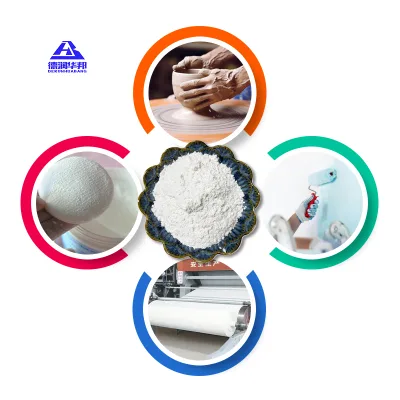
High Whiteness Magnesium Silicate Talc is a versatile filler utilized across a wide spectrum of industries. Its primary applications include the cosmetic, plastic, rubber, ceramic, and pharmaceutical sectors. In the cosmetic industry, the high whiteness and fine particle size (often 3000 mesh or finer) are crucial for creating smooth, opaque textures in powders, creams, and lotions. The material's chemical inertness ensures it does not react with other cosmetic ingredients, maintaining product stability.
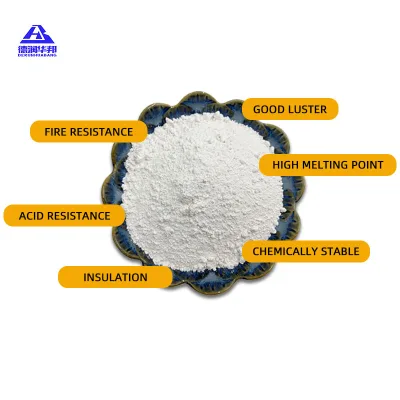
In the plastics and rubber industries, talc serves as a reinforcing filler that improves stiffness, heat resistance, and dimensional stability. The specific mesh size selected (e.g., 325 mesh or 600 mesh) determines the balance between reinforcement and flow properties during molding. For the ceramic sector, talc acts as a flux, lowering the firing temperature and contributing to the strength and whiteness of the final ceramic product. In pharmaceutical applications, the material is used as an excipient, where its purity and lack of toxicity are paramount. The observed whiteness of 90%-94% or higher is particularly valuable here to ensure the visual consistency of tablets and capsules.
Supplier Evaluation and Origin Verification
When evaluating potential suppliers, buyers must look beyond the product listing and assess the operational capabilities of the manufacturer. The origin of the talc is a critical indicator of quality and consistency. The supplied data points to specific production regions such as Lingshou and Liaoning in China. These regions are known for their talc deposits, but the quality can vary significantly between mines and processing facilities. Buyers should verify the specific mine source or processing plant associated with the product to ensure consistency in chemical composition and whiteness.
Supplier evaluation should also include a review of their customization capabilities. The availability of customization in terms of mesh size, packaging, and even physical shape (powder or lump) indicates a flexible manufacturing process. However, customization should not come at the expense of quality control. Buyers must ensure that the supplier has the infrastructure to maintain strict quality standards during custom production runs. Additionally, the packaging material, typically woven bags with PE liners or PP bags, should be verified for durability and moisture resistance to prevent contamination during transit.
Quality Control and Testing Protocols
Implementing a robust quality control (QC) protocol is essential for mitigating the risks associated with sourcing raw materials. Buyers should establish a clear set of acceptance criteria based on the technical specifications discussed earlier. Key parameters to test include whiteness, particle size distribution, chemical composition (SiO2, MgO, Fe2O3, etc.), and loss on ignition (LOI). The observed LOI for high-quality talc is typically very low, around 0.04%, indicating minimal volatile content.
Heat preservation properties are also a critical quality metric. For applications requiring thermal stability, the material should demonstrate high retention of whiteness and structure after heat treatment. Data indicates that after heat preservation at 1200°C for 30 minutes, the whiteness retention can be as high as 92.7%. This test should be part of the supplier's standard quality assurance or requested as a specific batch test. Furthermore, the molecular weight of 379.3 and the specific chemical formula must be confirmed through laboratory analysis to ensure the material is genuine magnesium silicate talc and not a substitute or adulterated product.
Long-Term Procurement Considerations
Sourcing High Whiteness Magnesium Silicate Talc is not merely a transactional activity but a strategic partnership that requires long-term planning. Buyers should consider the stability of the supply chain, particularly regarding the lead times and the ability of the supplier to scale production. While specific lead times are not provided in the general data, the availability of standard packaging and models like AMTT-6 or 22177 suggests a mature supply chain. However, buyers must confirm lead times for custom orders to avoid production delays.
Sustainability and environmental compliance are increasingly important in long-term procurement strategies. Buyers should inquire about the supplier's environmental management practices, including waste disposal and energy consumption during the grinding and processing of talc. Ensuring that the supplier adheres to ISO standards for environmental management can provide assurance of their commitment to sustainable practices. Finally, maintaining a clear communication channel with the supplier for continuous quality monitoring and feedback will help in adapting to changing market demands and regulatory requirements over time.
Summary of Key Specifications and Standards
To facilitate quick reference during the procurement process, the following table summarizes the critical technical and compliance parameters observed in the market for High Whiteness Magnesium Silicate Talc.
| Parameter | Observed Range / Value | Verification Requirement |
|---|---|---|
| Chemical Formula | Mg3(Si4O10)(OH)2 | Confirm via Certificate of Analysis (CoA) |
| CAS No | 14807-96-6 | Cross-reference with regulatory databases |
| EINECS No | 238-877-9 | Verify regulatory listing status |
| Whiteness | 90% - 96% | Spectrophotometric testing |
| Mesh Sizes | 200, 325, 600, 800, 1250, 3000, 5000 | Laser diffraction or sieve analysis |
| SiO2 Content | 60.15% - 65.07% | X-ray Fluorescence (XRF) analysis |
| MgO Content | 31% - 31.93% | X-ray Fluorescence (XRF) analysis |
| Fe2O3 Content | 0.13% - 0.18% | X-ray Fluorescence (XRF) analysis |
| Loss on Ignition | ~0.04% | Thermogravimetric analysis |
| Shelf Life | 24 months | Verify packaging integrity and storage conditions |
| Certifications | ISO, CE | Request valid certificates |
| Origin | Lingshou, Liaoning, China | Verify factory location and audit reports |
By adhering to these guidelines and maintaining a rigorous approach to verification, procurement professionals can secure high-quality magnesium silicate talc that meets the demanding requirements of modern industrial applications. The focus on verified data, clear specifications, and robust supplier evaluation ensures that the final product delivers the expected performance and value.
FAQs
What is the chemical formula for High Whiteness Magnesium Silicate Talc?
The chemical formula is Mg3(Si4O10)(OH)2 with a CAS number of 14807-96-6. This specific composition ensures the material meets the required purity for pharmaceutical and cosmetic applications while maintaining a molecular weight of 379.3.
Which mesh sizes are available for this talc powder product?
Available mesh sizes include 200, 325, 600, 800, 1250, 3000, and 5000 mesh. Buyers can select specific grades like 325 mesh or 3000 mesh depending on whether they need reinforcement for rubber or smooth texture for cosmetics.
How is the whiteness level defined for this magnesium silicate talc?
The whiteness typically ranges from 90% to 94% for standard grades, with some specialized options reaching 96%. This high whiteness is critical for cosmetic applications where visual consistency and opacity are required for final product quality.
Can suppliers customize the packaging for bulk orders of this talc?
Yes, customization is available for packaging requirements such as 25kg PP bags or 1-ton jumbo bags. Suppliers often offer options like PP bags with PE liners to ensure moisture protection during storage and transport.
What certifications do manufacturers of this talc powder typically hold?
Reputable manufacturers hold ISO and CE certifications to verify compliance with international management and safety standards. Buyers should request current certification documents to ensure the specific batch meets these regulatory benchmarks for industrial use.
Where are the primary production origins for this high whiteness talc?
Production originates from specific regions in China, including Lingshou and Liaoning. These areas are known for their talc deposits, though buyers should verify the specific mine source to ensure consistent chemical composition and whiteness levels.