Source Highball Glass Collins Cup for Home, Restaurant, and Gift Use
Find and compare 30 Highball Glass Collins Cup options from China. Explore capacities from 10 oz to 400ml, materials including crystal and glass, and certifications like FDA and LFGB for wholesale sourcing.
Key considerations
Products List
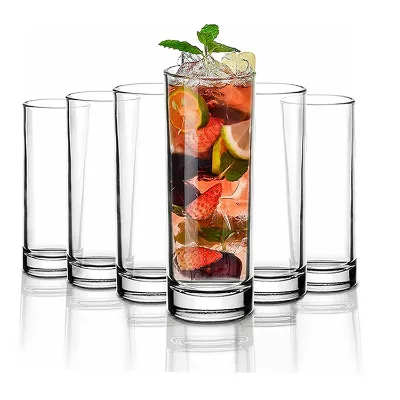
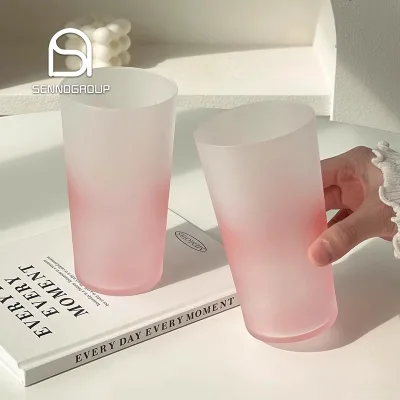


Highball Glasses Set Tall Drinking Glasses Home Beverage Water Glass Cups
$0.80 - $2.00
MOQ: 500 Pieces


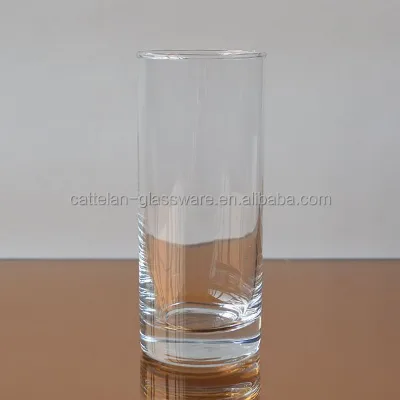


Simple Wide Mouth Cup Juice Fruit Tea Cocktail Glass Cup Highball Glass
$0.77 - $0.91
MOQ: 10000 Pieces


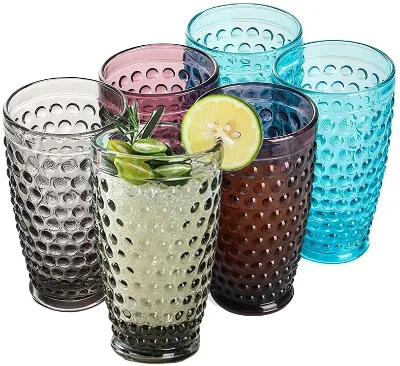


Comprehensive Sourcing Guide
Highball Glass Collins Cup Sourcing Guide
Sourcing highball and collins glasses requires a nuanced understanding of both functional utility and aesthetic versatility, as these vessels serve as critical touchpoints in hospitality, retail, and corporate gifting sectors. These tall, narrow glasses are traditionally designed for mixed drinks and non-alcoholic beverages, offering a surface area that enhances the visual appeal of layered cocktails while maintaining temperature stability. For procurement professionals, the decision to source these items is rarely just about volume; it involves balancing material integrity, design customization, and regulatory compliance to ensure the final product meets the specific branding and safety standards of the end-user market.
The modern procurement landscape for glassware has shifted significantly toward sustainable and customizable solutions, driven by consumer demand for eco-friendly materials and branded merchandise. Buyers must navigate a complex supply chain where factors such as origin, packaging efficiency, and certification status play pivotal roles in total landed cost and market readiness. This guide provides a structured approach to evaluating suppliers, verifying technical specifications, and managing commercial risks associated with highball and collins glass procurement, ensuring that sourcing decisions are grounded in verified data and industry best practices.
Product Scope and Observed Listing Signals
The current market for highball and collins glasses exhibits a diverse range of product attributes, with observed listings indicating a price range of $0.16 to $4.00 USD and minimum order quantities (MOQs) varying widely from 1 to 33,000 pieces. This broad spectrum suggests that suppliers cater to both small-scale boutique orders and large-volume commercial contracts, requiring buyers to align their order volume with supplier capabilities. The presence of such low MOQs indicates a flexible manufacturing environment, often associated with ready-to-ship inventory or small-batch customization, while higher MOQs typically correlate with deeper discounts and dedicated production runs for established brands.
Product descriptions reveal a strong emphasis on aesthetic customization and material variety, with observed attributes including frosted, clear, and white finishes, as well as shapes ranging from cylindrical to irregular designs. Specific product models such as DG-048422 and HHG-009 highlight the existence of distinct SKUs that may differ in capacity, packaging, and decorative features like engraving or handles. Buyers should note that while some listings specify capacities like 210ml, 340ml, or 400ml, others may list standard sizes like 10 oz or 460ml, necessitating careful verification of volume requirements to ensure compatibility with intended beverage service standards.
Technical Specifications to Verify
Material composition is a primary technical consideration, with observed listings specifying glass, crystal, and clear glass types, each offering different levels of durability, clarity, and weight. For instance, crystal glassware often provides a superior refractive index and a heavier feel, which can enhance the perceived value of premium cocktails, while standard clear glass may be preferred for high-volume, cost-sensitive applications. Buyers must verify the specific glass type and wall thickness, as single-wall constructions are common but may vary in thermal shock resistance, which is critical for beverages served with ice or hot ingredients.
Packaging and logistical specifications significantly impact the total cost of ownership, with observed data indicating single gross weights of 1.500 kg and single package sizes of 30x30x30 cm for certain models. Packaging methods range from common carton packaging to more elaborate sets including wooden boxes and velvet inserts, often sold in sets of 8 or 9 pieces. Procurement teams should calculate the cube utilization and weight per unit to optimize shipping costs, especially when importing from origins like Guangdong, China, where freight efficiency can substantially influence the final unit cost.
Compliance and Safety Documentation
Regulatory compliance is non-negotiable for glassware entering international markets, with observed certifications including CE/EU, FDA, LFGB, EEC, CIQ, and ROHS. These certifications indicate that the products meet specific safety standards for food contact materials, ensuring that no harmful substances leach into beverages under normal use conditions. Buyers must request valid, up-to-date certification documents for each product model, as compliance status can vary between different manufacturing lines or even between different batches from the same supplier.
LFGB and FDA certifications are particularly critical for markets in Europe and North America, respectively, as they enforce strict limits on heavy metals and other contaminants. The presence of multiple certifications in a single listing, such as EEC, CIQ, LFGB, FDA, CE/EU, and ROHS, suggests a supplier with robust quality control systems, but buyers should verify that these certifications are specific to the highball and collins glass models being purchased, rather than being generic claims for the entire product catalog.
Cost Drivers and Commercial Terms
The unit price of highball and collins glasses is influenced by several key factors, including material quality, customization complexity, and order volume. Observed MOQs of 50 pieces suggest that suppliers are willing to accommodate small trial orders, which can be useful for testing market response before committing to larger purchases. However, buyers should be aware that lower MOQs may come with higher per-unit costs, and economies of scale may only become apparent at volumes exceeding several thousand pieces.
Customization options, such as logo printing, engraving, and color variations, add value but also introduce additional costs and lead times. The availability of customized logos and various design styles, including modern, creative, and classic, allows brands to tailor products to their identity, but these features require clear specifications and approval processes. Buyers should negotiate clear terms regarding sample provision, tooling fees for custom designs, and the impact of customization on production lead times to avoid unexpected delays or expenses.
Supplier Qualification and Quality Control
Supplier qualification should begin with a thorough review of their production capabilities and quality assurance processes, particularly for manufacturers located in key glassware production hubs like Guangdong, China. Buyers should assess the supplier’s ability to maintain consistent quality across large orders, as variations in glass thickness, clarity, or finish can significantly affect the end-user experience. Requesting detailed product specifications, including single package sizes and gross weights, helps in verifying the supplier’s transparency and attention to detail.
Quality control measures should include pre-shipment inspections to check for defects such as chips, cracks, or uneven finishes, which are common issues in glassware manufacturing. Buyers should establish clear acceptance criteria for visual and functional defects, and consider engaging third-party inspection services for large orders to ensure that the delivered goods meet the agreed-upon standards. Additionally, verifying the supplier’s ability to provide samples allows buyers to physically assess the product quality before committing to a full production run.
Long-Term Procurement Checks
Sustainable sourcing practices are increasingly important, with observed product features highlighting sustainability as a key attribute. Buyers should evaluate suppliers’ environmental policies, including waste management, energy usage, and the recyclability of packaging materials, to align with corporate sustainability goals. The use of sustainable materials and eco-friendly packaging can enhance brand reputation and meet the growing consumer demand for environmentally responsible products.
Long-term procurement relationships should be built on continuous performance monitoring, including feedback on product durability, customer satisfaction, and supplier responsiveness. Regular reviews of certification status, quality metrics, and cost trends help ensure that the sourcing strategy remains effective and compliant with evolving market regulations. By maintaining a proactive approach to supplier management, buyers can mitigate risks and secure a reliable supply of high-quality highball and collins glasses for their business needs.
FAQs
What certifications do these highball glass collins cups have?
These cups hold LFGB, CE / EU, FDA, and ROHS certifications. Some listings also mention EEC and CIQ standards. Buyers should verify specific certification documents for their target market compliance before placing large orders.
Which capacities are available for the Highball Glass Collins Cup?
Available capacities include 210ml, 340ml, 380ml, 400ml, 10 oz, 460ml, and 505ml. The specific capacity depends on the product model selected. Buyers must confirm the exact volume required for their application when requesting a quote.
Can I get a customized logo on these glass cups?
Yes, customized logos are available for these highball glass collins cups. The product features include engraving options and various design styles. Buyers should provide their logo artwork to the supplier to proceed with the customization process.
What is the minimum order quantity for these glass cups?
The minimum order quantity is typically 50 pieces, though observed ranges extend up to 33,000 units. Specific MOQs vary by supplier and product model. Buyers should confirm the exact MOQ with the manufacturer before finalizing their purchase plan.
Where are these highball glass collins cups manufactured?
These cups originate from Guangdong, China. The product origin is listed as China in the specifications. Buyers sourcing from this region should consider shipping logistics and lead times associated with manufacturing in this specific location.
What materials are used to make these highball glass collins cups?
The cups are made from glass, including clear glass and crystal glass types. Some products feature a frosted finish. The material choice impacts the durability and aesthetic appearance suitable for home, restaurant, or gift applications.
How are these highball glass collins cups packaged for shipping?
Packaging options include cartons, wooden boxes with black velvet, and sets of 8 or 9 pieces. Single package sizes can reach 30x30x30 cm. Buyers should request specific packing details to ensure safe transport and retail readiness.