Source 3pn transistor for switching applications in SMPS, UPS, and Telecom
Find 3pn transistor for switching applications among 30 verified listings. Buyers can compare specifications like power levels, frequencies, and certifications to select suitable components for power supplies and telecom systems; compare the available evidence and request quotations based on your requirements.
Key considerations
Products List


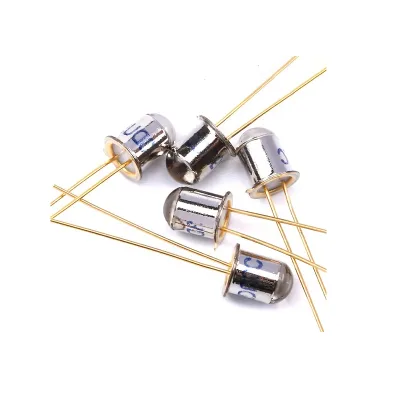


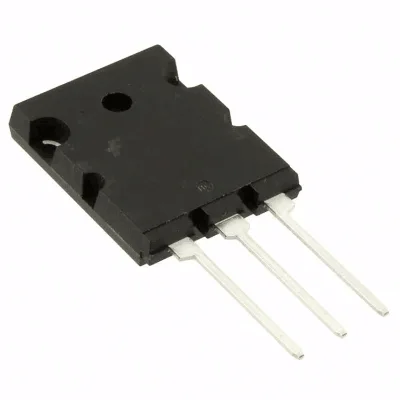

Comprehensive Sourcing Guide
3PN Transistor for Switching Applications Sourcing Guide
Procuring 3PN transistors for switching applications requires a disciplined approach to component selection, ensuring that the chosen devices align with the specific electrical demands of the target circuit. These semiconductor components are fundamental to modern electronic design, serving as critical switches in power management and signal processing systems. Buyers must prioritize devices that offer reliable performance under varying load conditions, as switching efficiency directly impacts the overall energy consumption and thermal management of the end product. The market offers a diverse array of options, ranging from standard silicon-based transistors to specialized high-frequency variants, each suited for different operational contexts.
Understanding the specific functional requirements is the first step in narrowing down the supplier base. Transistors designated for switching applications often feature attributes such as low forward voltage drop and high surge current capability, which are essential for minimizing power loss during transition states. Additionally, features like glass passivated chips and built-in ESD protection enhance durability and reliability in harsh environments. Buyers should evaluate these technical characteristics against their design specifications to ensure compatibility, avoiding components that may fail under peak stress or exhibit excessive leakage current during off-states.
Product Scope and Observed Listing Signals
The current market landscape for switching transistors reveals a wide spectrum of models, including the 2N3773, 2SC2625, KSP42, and FQA48N20, among others. These components vary significantly in their encapsulation structures, with options ranging from planar designs to chip transistors housed in plastic packages or tubes. The observed product listings indicate a strong presence of manufacturers from China, particularly in regions like Guangdong, suggesting a robust supply chain for these electronic components. Buyers should note that while many products share common certifications, the specific model numbers often dictate the precise electrical characteristics and physical dimensions required for integration into printed circuit boards.
Listing signals also highlight the importance of customization and packaging standards in the procurement process. Many suppliers offer customized solutions, allowing buyers to tailor components to unique design constraints, while others adhere to standard packaging formats like tubes for ease of automated assembly. The presence of attributes such as "medium power" and "high frequency" in product descriptions provides initial clues about the intended application scope. However, buyers must verify these claims against datasheets, as general descriptors may not capture the nuanced performance metrics necessary for high-reliability switching applications, such as microwave or telecom power supplies.
Technical Specifications to Verify
When evaluating transistors for switching duties, verifying the working frequency and power level is paramount. Components labeled with "high frequency" or "overclocking" capabilities are suitable for advanced applications like telecom infrastructure and LED lighting power supplies, where rapid switching speeds are critical. Conversely, devices marked as "medium power" may be better suited for general-purpose switching in consumer electronics or smaller power factor correction circuits. Buyers must cross-reference these frequency and power ratings with their circuit’s operational requirements to prevent issues such as thermal runaway or switching losses that can degrade system performance over time.
Further technical verification should focus on the transistor’s structural integrity and functional attributes. Models like the TIP120L and MMBT2222A often feature specific characteristics such as extremely low switching loss and excellent stability, which are vital for efficient power conversion. Additionally, the presence of avalanche testing and built-in ESD diodes indicates a higher level of robustness against electrical stress. Buyers should insist on detailed datasheets that confirm these features, ensuring that the selected transistors can withstand the mechanical and electrical stresses inherent in their intended deployment, whether in uninterruptible power supplies or AC to DC converters.
Compliance and Safety Documentation
Compliance with international standards is a non-negotiable aspect of sourcing electronic components, particularly for products destined for regulated markets. Many available transistors carry CE and RoHS certifications, indicating adherence to European health, safety, and environmental protection standards. These certifications ensure that the components are free from hazardous substances and meet specific electromagnetic compatibility requirements. Buyers must verify the validity of these certificates with the supplier, as the presence of a logo does not guarantee ongoing compliance, especially when dealing with multiple manufacturing batches or different product lines within the same catalog.
Beyond basic certifications, documentation regarding material composition and manufacturing standards provides additional assurance of product quality. Some listings mention standards such as CCC, ISO, and specific packaging standards like "Standard Packaging-Tube," which can influence logistics and handling procedures. Buyers should request evidence of these standards, including test reports and material safety data sheets, to ensure that the transistors meet the rigorous demands of their application. This due diligence helps mitigate risks associated with non-compliant materials, which could lead to regulatory penalties or product recalls in the final market.
Cost Drivers and Commercial Terms
The cost of switching transistors is influenced by several factors, including the complexity of the encapsulation structure, the level of customization required, and the volume of the order. Observed price ranges in the market are relatively low, reflecting the commoditized nature of many standard transistor models. However, specialized components with advanced features, such as high surge current capability or low forward voltage drop, may command higher prices due to their enhanced performance characteristics. Buyers should analyze the total cost of ownership, considering not just the unit price but also the potential savings from improved efficiency and reduced failure rates in the end product.
Minimum order quantities (MOQs) and lead times are critical commercial terms that impact supply chain flexibility. The market shows a wide range of MOQs, from small batches of five units to large orders of thousands, allowing buyers to scale their procurement according to production needs. Understanding these terms is essential for managing inventory levels and cash flow. Buyers should negotiate favorable terms with suppliers, leveraging volume commitments to secure better pricing or shorter lead times, while ensuring that the supplier has the capacity to meet demand spikes without compromising quality or delivery schedules.
Supplier Qualification and Quality Control
Selecting a qualified supplier is crucial for maintaining the integrity of the electronic supply chain. Buyers should prioritize suppliers who demonstrate a commitment to quality control through rigorous testing processes, such as 100% avalanche testing for transistors. This level of scrutiny ensures that each component meets the specified electrical parameters before shipment, reducing the risk of defective parts entering the production line. Additionally, suppliers who offer customization services should be evaluated on their ability to maintain consistency and reliability across customized batches, as deviations in manufacturing processes can lead to performance inconsistencies.
Quality control extends beyond the initial purchase to include ongoing supplier performance monitoring. Buyers should establish clear communication channels with suppliers to address any quality issues promptly and to stay informed about product updates or changes in manufacturing processes. Regular audits of supplier facilities and review of their quality management systems can provide valuable insights into their operational capabilities. By building strong relationships with reliable suppliers, buyers can ensure a steady supply of high-quality transistors, minimizing disruptions and supporting the long-term success of their electronic products.
Long-Term Procurement Checks
Long-term procurement success depends on proactive management of component lifecycle and supply chain resilience. Buyers should regularly review the availability and obsolescence status of their chosen transistor models, as electronic components can become outdated or discontinued without notice. Maintaining a diversified supplier base can mitigate the risk of supply shortages, ensuring that alternative sources are available if primary suppliers face production issues. Additionally, staying informed about industry trends and technological advancements can help buyers identify newer, more efficient components that may offer better performance or cost advantages over time.
Continuous improvement in procurement processes is also essential for adapting to changing market conditions. Buyers should implement robust tracking systems to monitor component performance in the field, gathering feedback on reliability and efficiency to inform future purchasing decisions. Engaging with suppliers for collaborative innovation can lead to the development of custom solutions that address specific application challenges. By fostering a culture of continuous improvement and strategic partnership, buyers can ensure that their sourcing strategies remain aligned with their business goals and technical requirements, securing a competitive edge in the marketplace.
FAQs
What certifications do these transistors have?
These transistors carry CE, RoHS, CCC, and ISO certifications. The product data confirms multiple compliance standards are available. Buyers can verify specific documentation for each model to ensure regulatory adherence in their target regions before placing orders.
Which models support switching applications?
Models like 2N3773, 2SC2625, and TIP120L support switching functions. The product list includes Switching Triode and Switch Transistor attributes. These units are designed for high-frequency operation and are suitable for various electronic control circuits requiring reliable switching performance.
Can I request custom packaging for orders?
Yes, customization is available for these products. The product attributes explicitly state that customization options exist. Buyers should contact suppliers directly to discuss specific packaging requirements, such as tube or plastic package variations, to meet their unique logistical needs.
What is the typical MOQ for these items?
The observed minimum order quantity ranges from 5 to 5000 units. This wide range allows flexibility for different order sizes. Buyers should check specific supplier listings to confirm the exact MOQ applicable to their chosen model and packaging configuration before finalizing procurement plans.
Where are these transistors manufactured?
These transistors originate from China, specifically Guangdong. The product facts list the origin location clearly. Buyers sourcing from this region should consider logistics and lead times associated with manufacturing in this specific area when planning their supply chain operations.
What materials are used in construction?
Silicon is the primary material used for these transistors. The product specifications confirm silicon construction. This material choice ensures stable performance and reliability for switching applications, making them suitable for demanding electronic environments where consistent electrical characteristics are required.