Source Home Brewing Glass Jug for Kettles, Pitchers, and Jugs
Find 30 Home Brewing Glass Jug options from Chinese manufacturers. Compare capacities from 800ml to 2100ml, certifications like FDA and LFGB, and customization features for water kettles and pitchers.
Key considerations
Products List


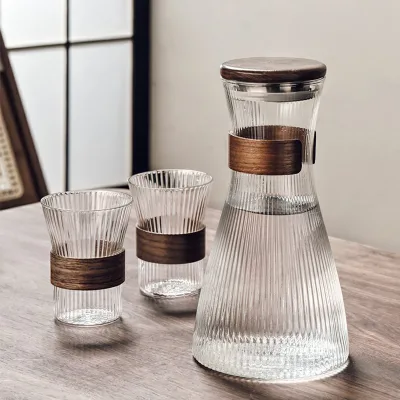


$0.10 - $0.13
MOQ: 5000 Pieces

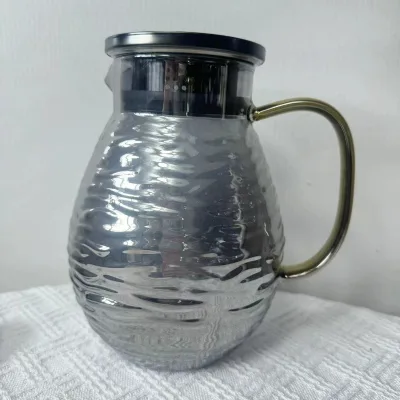
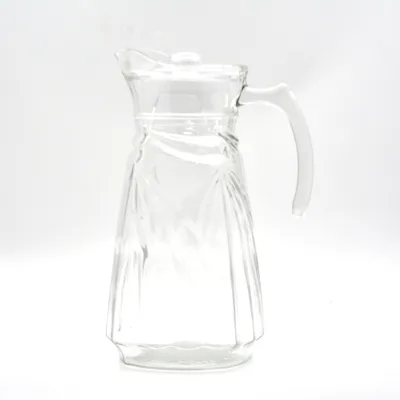
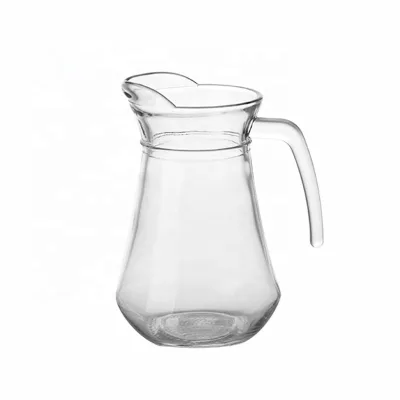
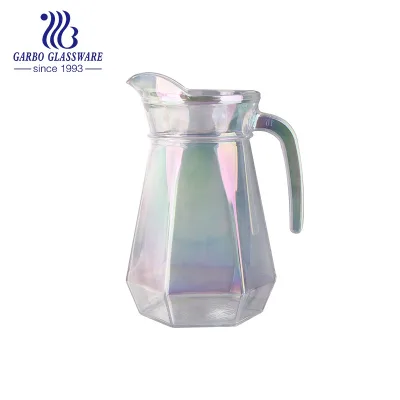
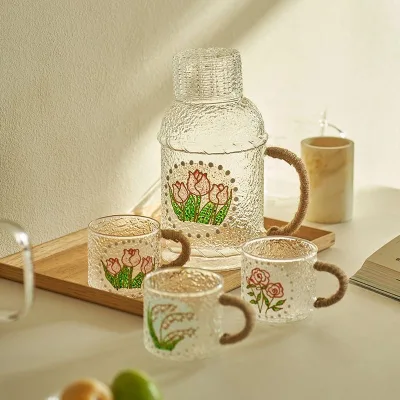
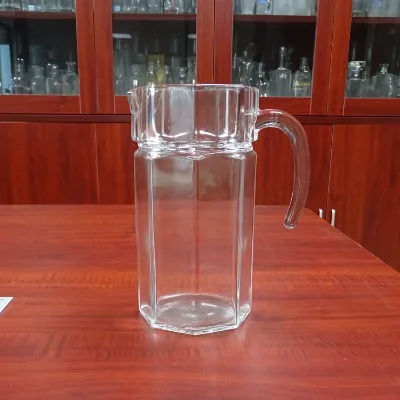
Household Glass Cool Cold Water Pot Glass Pitcher 2L Clear Glass Water Pot
$3.69 - $4.85
MOQ: 100 Minimum


Comprehensive Sourcing Guide
Strategic Sourcing Guide for Home Brewing Glass Jugs
Understanding Technical Specifications and Material Integrity
When sourcing glass jugs specifically for home brewing applications, the primary technical differentiator lies in the material composition and thermal resistance. The market data indicates a strong prevalence of high borosilicate glass as the standard material for this category. Unlike standard soda-lime glass, high borosilicate glass offers superior resistance to thermal shock, which is critical when transferring boiling water or hot wort into the vessel during the brewing process. The observed product attributes confirm that materials are frequently specified as "Glass" or "High Borosilicate Glass," ensuring durability against rapid temperature changes.
Capacity is another pivotal specification. For home brewing, the volume of the jug must align with the batch size of the brewer. The available product range spans from 800ml up to 2100ml, with specific models cited at 1000ml, 1500ml, 1800ml, and 2000ml. A 1500ml to 2000ml range is often optimal for standard home brewing batches, allowing sufficient headspace for fermentation gases while maintaining a manageable footprint. The product standard "2100ML" and "2000ml" suggests that manufacturers offer capacities that accommodate larger home-brewing needs. Buyers must verify the exact internal volume against the external dimensions, as the single package size for these units can be substantial, with observations noting dimensions around 25x25x30 cm for a 1500ml unit.
The structural design also plays a role in functionality. Attributes such as "with Cover" and "WITH LID" are common, serving to prevent contamination and retain heat. The presence of a "Temperature Display" feature in some listings indicates a move toward smart integration, though buyers should verify if this is a standard feature or a specific model attribute. Additionally, the "Surface" finish varies between "Not Coated" and "Powder Coated," which may affect the grip and aesthetic appeal, though the core glass body remains the primary functional element.
Compliance and Certification Verification
For any product intended for food and beverage contact, particularly in a home brewing context where hygiene is paramount, compliance with international safety standards is non-negotiable. The supplied data highlights specific certifications that buyers should look for as evidence of quality assurance. The most frequently observed certifications include FDA (Food and Drug Administration) compliance, LFGB (German Food and Feed Code), and CE marking for the European Union. These certifications validate that the glass material does not leach harmful substances into the liquid and meets strict safety thresholds.
The presence of "FDA" and "LFGB" certifications is particularly relevant for home brewing, as these standards cover the migration of heavy metals and other contaminants from the glass into acidic or alcoholic solutions. The "CE / EU" mark further ensures that the product meets the general safety requirements for goods sold within the European market. Buyers must treat these certifications as observations of specific product lines rather than universal guarantees for all listed items. It is essential to request current certification documents for the specific model number being considered, such as the HM-GP167 or HM-GP422, to ensure the batch in question is covered.
Furthermore, the "Eco-Friendly" attribute observed in product features suggests that manufacturers are increasingly focusing on sustainable production methods. While this is a positive indicator, buyers should verify what specific eco-friendly claims are substantiated, such as the recyclability of the glass or the sourcing of raw materials. The "Customized logo" options, available via decal, frosted, or silk-screen print, allow for branding but must be applied using inks and processes that do not compromise the food safety of the glass surface.
Cost Drivers and Pricing Dynamics
The pricing structure for home brewing glass jugs is influenced by several variable factors, including material grade, capacity, and customization requirements. The observed price range in the market spans from $0.10 to $26.00 USD. This wide disparity is not indicative of a single product type but rather reflects the diversity in specifications. Lower-priced items in the $0.10 to $5.00 range typically correspond to smaller capacities, standard glass materials, or bulk orders with minimal customization. Conversely, the higher end of the spectrum, approaching $26.00, likely includes premium high borosilicate glass, larger capacities (e.g., 2000ml+), integrated features like temperature displays, or specialized packaging.
Minimum Order Quantity (MOQ) is a significant cost driver in the procurement process. The data shows an MOQ range from 3 units to 10,000 units. Specific models have fixed MOQs, such as 3000 units for certain glass water pitchers and 500 units for others. Buyers must align their order volume with these thresholds to secure the most competitive unit price. Ordering below the MOQ may result in significantly higher per-unit costs or may not be feasible at all. The "Supply Ability" of 5000 pieces per month for glass water pitchers suggests that while suppliers can handle moderate volumes, extremely large orders may require staggered production schedules.
Packaging also impacts the final landed cost. Options range from simple "Carton" packaging to more protective "5 Layer Carton" or "Color Box" solutions. The "1PCS Per Box, 24PCS Per Carton" configuration is common, but the specific packing details, such as "1pc pack with bubble bag," add to the material and labor costs. Buyers should evaluate whether the added protection is necessary for their shipping route to avoid breakage, which would negate the savings from a lower unit price.
Typical Applications and Functional Versatility
While the core keyword is "home brewing," the observed product attributes reveal a broader utility for these glass jugs. The primary application is listed as "Water Kettle" and "Glass Water Pitcher," but the "Use" attribute explicitly includes "Water/Fruit Juice." This versatility makes them suitable for various stages of the brewing process, from steeping ingredients to cooling and transferring liquids. The "Glass Water Jug" and "Glass Water Pitcher" classifications indicate that these vessels are designed for serving and storage, making them ideal for the final stages of home brewing where the beverage is ready for consumption or further conditioning.
The "Function" attribute of "Glass Water Pitcher" and the "Occasion" of "Glass Water Jug" suggest that these products are marketed for both functional utility and aesthetic presentation. The "Country" style mentioned in the attributes points to a design trend that favors rustic or traditional aesthetics, which often appeals to home brewers who value the craft aspect of their hobby. The "Stainless Steel" metal type noted in the attributes likely refers to components such as lids, handles, or strainers, which complement the glass body. For instance, the "Tea Strainers" and "Serving Spoon" attributes indicate that these jugs are often part of a larger set of tools for preparing and serving beverages.
The "Large Capacity" feature is particularly relevant for home brewing, where batch sizes can vary. The ability to hold 1500ml to 2100ml allows brewers to prepare multiple servings or larger batches without needing to transfer the liquid multiple times. The "Not Inverted" attribute suggests a stable base design, preventing spills during the pouring process, which is crucial when handling hot liquids or delicate brews.
Supplier Evaluation and Production Capabilities
Evaluating suppliers requires a focus on their production capacity, origin, and ability to meet customization needs. The data indicates that the place of origin is predominantly "China," with specific mentions of "Hebei, China" as a production hub. This region is known for its glass manufacturing capabilities, but buyers should verify the specific factory's track record. The "Supply Ability" of 5000 pieces per month is a key metric; suppliers with higher capacity may offer better lead times and more consistent quality control.
Customization is a significant factor in supplier selection. The "Customization: Available" attribute and the specific mention of "Customized logo with Decal/ Frosted/ Silk-screen print" indicate that suppliers are willing to adapt products to buyer specifications. However, buyers must clarify the lead times associated with these customizations, as they can extend the production schedule. The "MOQ" requirements for customized items, such as the 3000-unit threshold for certain models, must be factored into the procurement strategy.
The "Packing" details, such as "1PCS Per Box, 24PCS Per Carton, by Ocean," highlight the logistical considerations. Suppliers must be capable of handling ocean freight packaging standards to ensure the glass jugs arrive intact. The "5 Layer Carton" option suggests that some suppliers offer enhanced protection for long-distance shipping. Buyers should request samples to verify the quality of the packaging and the integrity of the product upon arrival.
Quality Control and Long-Term Procurement Considerations
Quality control is paramount when dealing with glass products, as breakage during shipping or use can lead to significant losses. The "Surface" attributes, ranging from "Not Coated" to "Powder Coated," indicate different finishing processes that can affect durability. Buyers should implement a rigorous inspection protocol, checking for surface defects, cracks, and the integrity of the glass-to-metal seals if applicable. The "Temperature Display" feature, if present, requires electrical safety testing to ensure it does not pose a hazard.
Long-term procurement considerations involve establishing a reliable supply chain that can scale with demand. The "Standard" values, such as "2100ML" or "1000ml, 1500ml, 1800ml," provide a framework for standardizing orders. Buyers should aim to lock in these specifications to ensure consistency across batches. The "Certification" status should be re-verified periodically, as regulatory requirements can change.
The "Feature" list, including "Eco-Friendly" and "Stocked," suggests that some suppliers may offer ready-to-ship inventory, which can reduce lead times. However, for custom orders, buyers must plan well in advance. The "Single package size" of 25x25x30 cm for a 1500ml unit is a critical data point for logistics planning, affecting shipping costs and storage requirements.
Comparative Analysis of Product Models
To assist in decision-making, the following table summarizes key attributes of the observed product models, highlighting differences in capacity, certification, and packaging.
| Model Number | Standard Capacity | Material | Certification | Packaging Details | MOQ |
|---|---|---|---|---|---|
| HM-GP167 | 2100ML | Glass | LFGB, FDA, CE / EU | 1PCS/Box, 24PCS/Carton | Variable |
| HM-GP422 | 1000ml, 1500ml, 1800ml | Glass | FDA | 1PCS/Box, 12PCS/Carton | Variable |
| HM-GP329 | 2000ML | Glass | Not Specified | Not Specified | Variable |
| HM-GP110 | Not Specified | Glass | Not Specified | Not Specified | Variable |
| HM-GP170 | 800ml, 1200ml, 1800ml | Glass | Not Specified | 5 Layer Carton | Variable |
| K6123 | 1500ml | High Borosilicate Glass | Not Specified | Carton | 500 |
| HM-GP284 | Not Specified | Glass | Not Specified | 1pc pack with bubble bag | Variable |
This comparison illustrates the diversity in the market. The HM-GP422 offers a range of capacities and FDA certification, making it a versatile choice for various brewing needs. The K6123 model, with its high borosilicate glass and lower MOQ of 500, may be suitable for smaller buyers or those testing the market. The HM-GP170's 5-layer carton packaging suggests a focus on protection for smaller capacities. Buyers should select the model that best aligns with their specific capacity requirements, certification needs, and order volume constraints.
In conclusion, sourcing home brewing glass jugs requires a careful balance of technical specifications, compliance verification, and logistical planning. By leveraging the observed data on materials, certifications, and packaging, buyers can make informed decisions that ensure the quality and safety of their brewing equipment. The wide range of options available allows for customization to meet specific brewing styles and operational scales, provided that the buyer conducts thorough due diligence on supplier capabilities and product standards.
FAQs
What certifications do home brewing glass jugs typically have?
Most home brewing glass jugs carry FDA, LFGB, and CE certifications to ensure food safety. These standards verify that the high borosilicate glass does not leach harmful substances into liquids. Buyers should request specific certification documents for the model number they intend to purchase.
How much is the minimum order quantity for these jugs?
The minimum order quantity ranges from 3 to 10,000 units depending on the specific supplier and model. Some glass water pitchers require a minimum of 500 or 3000 units for standard orders. Customized logo options often trigger higher minimum thresholds to cover production setup costs.
Which materials are used for home brewing glass jugs?
High borosilicate glass is the primary material used due to its superior thermal shock resistance. This material safely handles rapid temperature changes during brewing processes. Some units may also feature stainless steel components for lids or handles to enhance durability.
Can I customize the logo on these glass jugs?
Yes, customization is available with options for decal, frosted, or silk-screen printing. Buyers can apply their brand logo to the glass surface without compromising food safety. This service is subject to specific minimum order quantities and may affect the lead time for delivery.
What is the typical capacity range for these jugs?
Capacities typically range from 800ml to 2100ml to accommodate various batch sizes. Specific models are available in 1000ml, 1500ml, 1800ml, and 2000ml configurations. Larger capacities like 2100ml are suitable for standard home brewing batches requiring ample headspace.
How are these jugs packaged for ocean shipping?
Packaging options include 1 piece per box with 24 pieces per carton or 5-layer cartons for extra protection. Some suppliers use bubble bags inside boxes to prevent breakage during transit. The single package size for a 1500ml unit is approximately 25x25x30 cm.