Source Home Comfort Fur Slippers for Holiday Gifts, Winter Warmth, and Indoor Use
Explore 30 listings of Home Comfort Fur Slippers featuring plush uppers, TPR or EVA outsoles, and customization options. Buyers can compare models like LB-1127 and HC22023 for indoor use, holiday gifts, and seasonal wear with verified certifications.
Key considerations
Products List


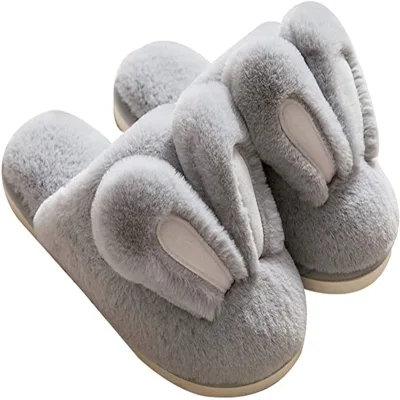
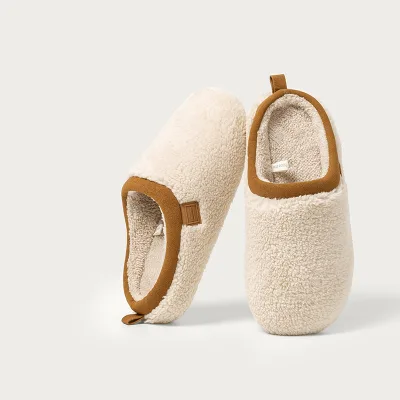
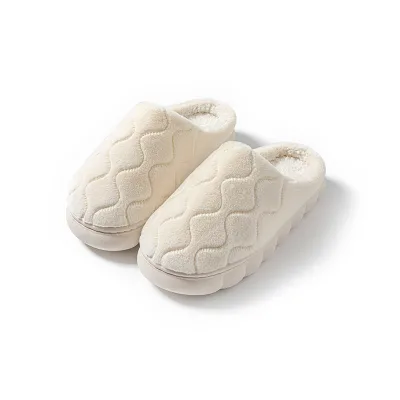
Custom Service warm indoor slippers corduroy slippers fur house slippers
$4.00 - $5.00
MOQ: 2000 pairs




Comprehensive Sourcing Guide
Strategic Sourcing Guide for Home Comfort Fur Slippers
Understanding Product Definitions and Core Specifications
When sourcing Home Comfort Fur Slippers, buyers must first distinguish between the various material compositions and structural designs that define the category. The market offers a diverse range of options, from plush varieties to those utilizing specific fur materials for the upper construction. Based on available product data, the "Upper" material is frequently identified as Plush or Fur, while the "Lining Material" often consists of Plush, Fur, or Cotton Fabric. These material choices directly influence the tactile experience and thermal retention of the final product. The "Type" is consistently categorized as a Slipper, with specific sub-categories including Plush Slipper and Fur styles.
The construction of these slippers varies significantly regarding the sole. The "OutSole" and "Outsole Material" are observed to be made from TPR (Thermoplastic Rubber), EVA (Ethylene-Vinyl Acetate), or a combination of both. The "Midsole Material" is also a critical specification, with PVC (Polyvinyl Chloride) appearing as a common component in certain models. These material combinations dictate the flexibility, weight, and durability of the footwear. For instance, EVA is often associated with lightweight properties, while TPR provides a balance of grip and durability. The "Style" is generally described as Fur, aligning with the visual and textural expectations of home comfort footwear.
Buyers should note that the "Gender" specification for these products is predominantly Unisex, making them suitable for a broad demographic. The "Age" group is typically listed as Adult, though some variations may exist. The "Season" of use is a vital consideration; products are frequently marketed for Winter, Spring, and Autumn, with some listings extending to Summer use. This versatility suggests that the insulation properties can be adapted or that the design accommodates varying indoor temperatures. The "Use" is explicitly defined as Indoor, confirming that these items are not intended for outdoor traction or weather resistance beyond basic indoor environments.
Technical Compliance and Certification Verification
In the realm of B2B procurement, particularly for products intended for direct consumer use, verifying compliance with international safety and quality standards is non-negotiable. The supply chain for Home Comfort Fur Slippers often involves manufacturers operating in China, with specific origins noted in regions such as Guangdong and Zhejiang. When evaluating potential suppliers, buyers must request evidence of adherence to recognized auditing and certification frameworks.
The industry data indicates that suppliers may hold certifications such as ICTI, ISO9001, and Sedex. These represent operational audits and management system standards rather than product-specific safety tests. For the product itself, safety certifications are paramount. The observed certification list includes CE, EN71, ASTM, CPSIA, and REACH. These standards are critical for ensuring the product is safe for human contact and free from harmful substances.
- CE and EN71: These are essential for the European market, covering mechanical safety and chemical composition.
- ASTM and CPSIA: These are the primary standards for the United States market, focusing on lead content, phthalates, and mechanical hazards.
- REACH: This is a comprehensive regulation for the European Union regarding the registration, evaluation, authorization, and restriction of chemicals.
Buyers must verify that the specific model numbers, such as LB-1127, M101074, or HC22023, are covered under the provided certificates. It is important to understand that certification status is not universal across all SKUs from a single supplier. A supplier may be ISO9001 audited, but a specific batch of slippers must have passed the relevant product safety tests (like EN71 or ASTM) to be legally sold in target markets. The "Audited" status of the factory is a strong indicator of ethical labor practices and quality management, but it does not replace the need for product-specific compliance testing.
Cost Drivers and Pricing Dynamics
The pricing structure for Home Comfort Fur Slippers is influenced by a complex interplay of material costs, customization levels, and order volumes. The observed price range in the market spans from $0.35 to $35.00 USD. This wide variance is not merely a reflection of brand premium but is driven by specific technical and logistical factors.
The primary cost driver is the "Upper Material." Slippers constructed with high-quality Fur or dense Plush will inherently cost more than those using standard synthetic fabrics. Similarly, the "Outsole Material" plays a significant role; EVA and TPR have different price points and processing costs. The "Lining Material," whether it is Fur, Plush, or Cotton Fabric, also impacts the final unit cost.
Customization is another major factor. The data confirms that "Customization" is available, including options for "Customized packing" and "customized" product standards. Customizing the "Brand Name" to OEM specifications, altering the "Color" palette (e.g., Pink, Grey, Cyan), or modifying the "Model Number" to fit a specific design brief will increase the unit price. Furthermore, the "Packaging Details" vary significantly; standard packing might be "One Pair in a Polybag, 12 Pairs/CTN," while customized options could involve larger cartons (e.g., 40 pairs/carton) or specific dimensions (63 x 45 x 58 cm).
The "MOQ" (Minimum Order Quantity) is a critical variable in cost calculation. The observed MOQ range is 1 to 3000 units. Small orders, often near the lower end of this range, typically carry a higher per-unit cost due to the setup costs for production lines and packaging. Conversely, larger orders can leverage economies of scale to reduce the unit price. The "Sample Time" of 5-7 working days and the "Delivery Time" of 25-35 working days also factor into the total cost of ownership, as expedited shipping or rush orders may incur additional logistics fees.
Typical Applications and Market Segmentation
Home Comfort Fur Slippers serve a dual purpose in the B2B market: functional footwear and promotional merchandise. The "Useage" is explicitly noted as "Holiday Gifts," indicating a strong seasonal demand cycle. This makes them a popular choice for corporate gifting, retail promotions, and seasonal inventory planning. The "Feature" list, which includes "Fashion Trend," "Lightweight," "Anti-Slip," and "Warm," aligns with consumer expectations for both comfort and safety.
The "Main Market" is described as Global, suggesting that these products are versatile enough to meet diverse cultural and climatic needs. The "Loading Port" is typically Shenzhen or Guangzhou, which are major logistics hubs in China, facilitating efficient export to global destinations. The "Selling Units" are often listed as "Single item," but the "Packing Details" reveal that they are bulk-shipped in cartons, with capacities ranging from 12 pairs to 40 pairs per carton depending on the specific model and packaging configuration.
Specific model numbers like JJ or HC22023 may target different segments. For example, a model with "Lighted" features or "Anti-Odor" properties might be targeted at a younger demographic or those seeking premium comfort. The "Size" range, typically 35-41 EUR, covers a broad spectrum of adult foot sizes, ensuring inclusivity for the Unisex market. The "Modelling Source" being "Cartoon Characters" suggests that some designs may be licensed or themed, appealing to specific niche markets or family-oriented gift buyers.
Supplier Evaluation and Operational Due Diligence
Selecting the right supplier requires a rigorous evaluation of their operational capabilities and transparency. The "prod_origin" is consistently listed as China, with specific provinces like Guangdong and Zhejiang identified. Buyers should verify the physical location of the factory, as these regions have established supply chains for textile and footwear manufacturing.
Key evaluation criteria include the "Hand Made" status. Some products are listed as "Hand Made," which implies a higher level of craftsmanship and attention to detail but may also result in longer lead times and higher variability. In contrast, machine-made products offer consistency and speed. The "Sample Time" of 5-7 working days is a standard benchmark; suppliers who cannot meet this timeline may have production bottlenecks.
Buyers must also scrutinize the "Packing Details" to ensure they match the logistics requirements of their target market. For instance, the "Single package size" of 29x10x3 cm and the "Single gross weight" of 0.300 kg are critical for calculating shipping costs and container loading efficiency. The "Loading Port" of Shenzhen or Guangzhou is standard, but buyers should confirm if the supplier can handle specific export documentation and customs clearance requirements for their destination country.
Furthermore, the "Brand Name" being listed as "OEM" or "ES" indicates the supplier's willingness to work with private labels. Buyers should confirm the supplier's capacity for branding, including the ability to print logos on the slippers or packaging. The "Feature" of "Waterproof" or "Quick-Drying" should be verified through technical data sheets, as these claims require specific material treatments and testing.
Quality Control and Long-Term Procurement Strategy
Maintaining quality in the Home Comfort Fur Slippers sector requires a proactive approach to quality control (QC). Given the "Hand Made" nature of some products, visual inspection is crucial to ensure consistency in stitching, plush density, and sole attachment. The "Feature" of "Anti-Slip" and "Anti-Slippery" must be validated through traction testing, especially since the "OutSole" material can vary between TPR and EVA.
For long-term procurement, buyers should establish a clear communication channel regarding the "prod_model" and "Model Number." Consistency in model numbers ensures that replacement orders match the original specifications. The "Standard" of "43 x 34 x 29 cm" for product dimensions or "customized" standards should be agreed upon in the initial contract to avoid disputes over packaging dimensions.
Buyers should also consider the "Lead Time" of 25-35 working days when planning inventory. This timeframe includes production and shipping preparation. To mitigate risks, buyers can request a "Sample Time" of 5-7 working days to validate the product before committing to a large order. The "Disposable" status is "Non-Disposable," which implies a focus on durability and reusability, a key selling point for eco-conscious consumers.
Finally, the "Certification" list (CE, EN71, ASTM, CPSIA, REACH) should be reviewed annually to ensure continued compliance. As regulations evolve, suppliers must demonstrate their ability to adapt. By focusing on these technical and operational details, buyers can build a resilient supply chain for Home Comfort Fur Slippers that delivers value, safety, and quality to their end customers.
| Specification Category | Observed Variations | Key Verification Point |
|---|---|---|
| Upper Material | Plush, Fur | Verify texture and durability |
| Outsole Material | TPR, EVA, TPR/EVA Combo | Check traction and flexibility |
| Lining Material | Plush, Fur, Cotton Fabric | Assess thermal retention |
| Certifications | CE, EN71, ASTM, CPSIA, REACH | Confirm specific model coverage |
| Packing | 1 Pair/Bag (12/CTN) to 40 Pairs/CTN | Verify carton dimensions and weight |
| Lead Time | 25-35 Working Days | Confirm production capacity |
| Sample Time | 5-7 Working Days | Validate design accuracy |
| Origin | Guangdong, Zhejiang, China | Verify factory location and audit |
FAQs
What certifications are required for Home Comfort Fur Slippers?
Required certifications include CE, EN71, ASTM, CPSIA, and REACH for safety compliance. Suppliers may also hold factory audits like ISO9001, ICTI, and Sedex, but product-specific safety tests are mandatory for market entry.
How long is the delivery time for Home Comfort Fur Slippers?
Standard delivery time ranges from 25 to 35 working days. This period covers production and preparation, while sample creation typically takes 5 to 7 working days before bulk manufacturing begins.
Which materials are used for the upper and sole of these slippers?
The upper material is typically Plush or Fur, while the lining can be Plush, Fur, or Cotton Fabric. The outsole is commonly made from TPR or EVA, with some models featuring a PVC midsole for added structure.
Can I customize the packaging and branding for Home Comfort Fur Slippers?
Yes, customization is available for branding, colors, and packaging details. Standard packing varies by model, but options include customized cartons and specific dimensions to meet your logistical requirements.
What is the minimum order quantity for Home Comfort Fur Slippers?
The minimum order quantity ranges from 1 to 3000 units depending on the supplier and model. Lower MOQs are available for single items, while larger orders may leverage better economies of scale.
Where are the manufacturers of Home Comfort Fur Slippers located?
Manufacturers are primarily located in China, with specific origins in Guangdong and Zhejiang provinces. Major loading ports for exports include Shenzhen and Guangzhou, facilitating global shipping logistics.