Source Home Fitness Wooden Balance Board for Gym, Yoga, and Rehab
Explore 30 listings for the Home Fitness Wooden Balance Board designed for gym workouts, yoga sessions, and rehabilitation training. Buyers can compare specifications, customization options, and pricing from verified suppliers in China.
Key considerations
Products List


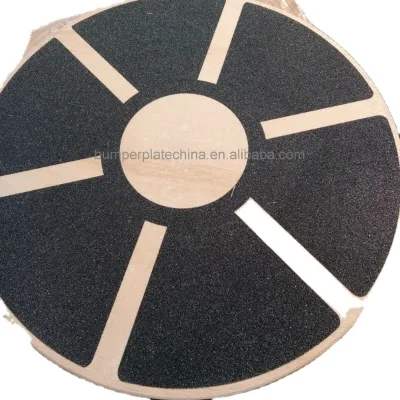
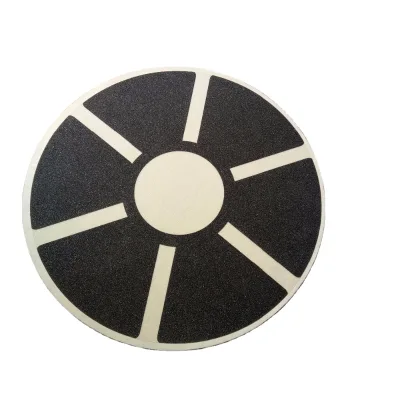


Winning Wood Balance Board Health Exercise Athletic Training Fitness Balance Board
$13.80 - $14.00
MOQ: 300 Pieces
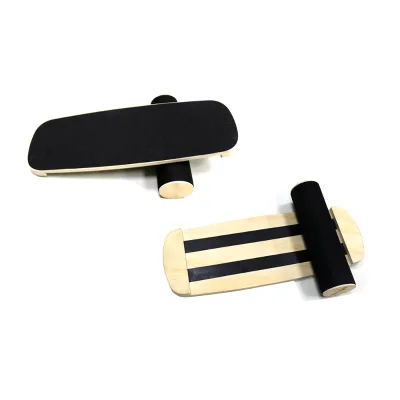
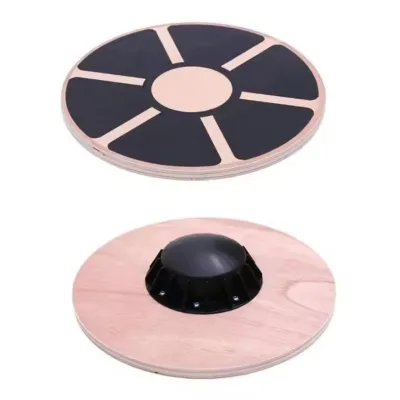


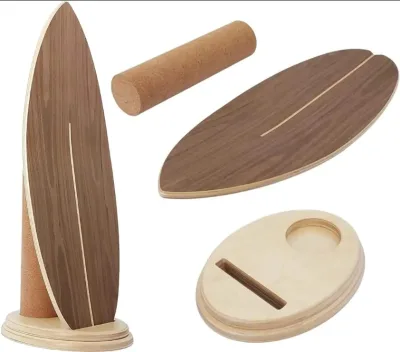
Wood Exercise Training Stability for Physical Therapy Body Weight Fitness Balance Board
$14.50 - $15.00
MOQ: 66 Pieces




Comprehensive Sourcing Guide
Home Fitness Wooden Balance Board Sourcing Guide
Sourcing home fitness wooden balance boards requires a careful balance between aesthetic appeal, structural integrity, and functional performance. These devices are primarily designed for balancing training, core strengthening, and ab fitness, serving as versatile tools for both professional gyms and home users. The market offers a variety of models, ranging from simple seesaw-style boards to more complex curved designs, each with distinct dimensions and weight capacities. Buyers must navigate a landscape where product attributes vary significantly, from natural wooden colors to black finishes, and from unfolded states to specific packing requirements. Understanding these variations is crucial for selecting the right product for your target demographic, whether it is adult fitness enthusiasts or specialized rehabilitation clients.
The procurement process involves evaluating multiple technical and commercial factors, including material quality, certification status, and customization options. Many suppliers offer OEM logo services and customized designs, allowing brands to differentiate their products in a crowded market. However, this flexibility comes with varying minimum order quantities (MOQs) and lead times that can impact inventory planning. By focusing on verified specifications such as material type, standard dimensions, and origin location, buyers can mitigate risks associated with inconsistent quality. This guide provides a structured approach to evaluating suppliers and products, ensuring that your procurement decisions are grounded in observable data and industry best practices.
Product Scope and Observed Listing Signals
The current market for home fitness wooden balance boards presents a diverse range of options, with observed listings indicating a price range of $3.50 to $48.85 USD and MOQs varying from 10 to 300 units. This wide spectrum suggests that buyers can find products suitable for both small-scale boutique orders and large-volume retail distributions. The products are generally categorized as new condition items, with specific models like BP-AB380, BP-AB368, and BP-AB364 offering different dimensions and functionalities. For instance, some boards are designed as balancing trainers with specific applications for ab fitness, while others are marketed as general body balance training tools. The presence of multiple model numbers indicates that suppliers often carry a portfolio of designs rather than a single standardized product.
Key attributes observed in the market include customization availability, with many suppliers offering OEM logo services and customized logo options. The color palette typically includes black and natural wooden colors, catering to different aesthetic preferences. Packing methods vary, with some products shipped in polybags and cartons, while others require wooden cases for protection, especially for larger or more fragile items. The origin of these products is predominantly China, with specific mentions of Shandong as a production hub. Buyers should note that while "Customized" is listed as an attribute, the extent of customization—whether limited to logos or extending to dimensions and materials—must be verified with each supplier to ensure it aligns with your brand requirements.
Technical Specifications to Verify
When evaluating technical specifications, buyers must pay close attention to the physical dimensions and weight of the balance boards, as these factors directly impact usability and shipping costs. Observed standards include dimensions such as 73.528cm, 5050*6.5CM, and a diameter of 39.5cm with a height of 8cm. These variations suggest that the product scope includes both flat, rectangular boards and curved, seesaw-style designs. The weight of some units is recorded at 1.5KG, which is a critical factor for portability and user experience. Buyers should verify the exact dimensions and weight for each model they intend to source, as these specifications can vary significantly even within the same supplier’s catalog.
Material composition is another critical technical aspect, with wooden materials being the primary choice for these products. The use of wood provides a natural aesthetic and often a better grip compared to plastic alternatives, but it also requires careful inspection for durability and finish quality. Some listings mention a diameter of 41mm, which may refer to the curvature or specific component dimensions. Buyers should request detailed material specifications, including the type of wood used and the finish applied, to ensure the product meets safety and durability standards. Additionally, the "Size" attribute is sometimes listed as "Other," indicating that non-standard sizes may be available, which requires explicit confirmation to avoid discrepancies in product delivery.
Compliance and Safety Documentation
Compliance and safety are paramount when sourcing fitness equipment, and buyers should prioritize suppliers who provide relevant certifications. Observed listings indicate that many products carry CE, RoHS, and ISO certifications, which are essential for market access in many regions, particularly Europe and North America. These certifications suggest that the products meet specific safety, environmental, and quality management standards. However, buyers must verify the validity and scope of these certifications, ensuring they apply to the specific models being purchased. It is also important to confirm that the certifications are up-to-date and issued by recognized bodies, as this adds credibility and reduces regulatory risks.
In addition to certifications, buyers should request detailed safety documentation, including test reports and material safety data sheets. These documents provide evidence that the products have undergone rigorous testing for structural integrity and material safety. For wooden balance boards, this includes checks for splintering, stability, and load-bearing capacity. Buyers should also inquire about any additional safety features, such as non-slip surfaces or rounded edges, which enhance user safety during exercise. By thoroughly reviewing compliance documentation, buyers can ensure that their products meet legal requirements and provide a safe experience for end-users, thereby protecting their brand reputation.
Cost Drivers and Commercial Terms
Cost drivers for home fitness wooden balance boards include material quality, customization options, and packaging requirements. The observed price range of $3.50 to $48.85 USD reflects these variations, with higher prices typically associated with premium materials, complex designs, or extensive customization. Buyers should analyze the cost breakdown to understand how each factor contributes to the final price. For instance, OEM logo services and customized designs may incur additional fees, while standard products may offer more competitive pricing. Understanding these drivers allows buyers to negotiate effectively and align costs with their budget and margin targets.
Commercial terms, including MOQs and payment conditions, also play a significant role in the procurement process. Observed MOQs range from 10 to 300 units, with some suppliers offering lower MOQs for customized orders. Payment terms such as TT (Telegraphic Transfer) are common, but buyers should negotiate favorable terms to manage cash flow effectively. Additionally, lead times, such as the observed 30-day delivery time, must be factored into inventory planning. Buyers should establish clear communication with suppliers regarding production schedules and shipping logistics to avoid delays. By carefully managing commercial terms, buyers can optimize their supply chain and reduce operational risks.
Supplier Qualification and Quality Control
Supplier qualification is a critical step in ensuring the reliability and consistency of home fitness wooden balance boards. Buyers should conduct thorough due diligence on potential suppliers, verifying their business licenses, production capabilities, and quality control processes. Suppliers with ISO certifications are often more reliable, as they adhere to standardized quality management practices. Buyers should also assess the supplier’s experience in the fitness equipment industry, looking for a track record of successful exports and positive customer feedback. This evaluation helps identify suppliers who can consistently deliver high-quality products and meet your specific requirements.
Quality control measures should be implemented throughout the production process to ensure product consistency and safety. Buyers should request samples for initial evaluation, checking for material quality, finish, and structural integrity. During production, regular inspections can help identify and address any issues early, preventing defects from reaching the final product. Buyers should also establish clear quality standards and acceptance criteria, which should be communicated to the supplier in advance. By implementing robust quality control measures, buyers can minimize the risk of receiving substandard products and maintain high customer satisfaction levels.
Long-Term Procurement Checks
Long-term procurement success depends on continuous monitoring and evaluation of supplier performance and product quality. Buyers should establish key performance indicators (KPIs) to track metrics such as on-time delivery, product defect rates, and customer feedback. Regular reviews of these metrics help identify areas for improvement and ensure that suppliers meet your expectations. Buyers should also maintain open communication with suppliers, addressing any issues promptly and collaboratively. This proactive approach fosters a strong partnership and ensures that both parties are aligned on quality and service standards.
Additionally, buyers should stay informed about market trends and regulatory changes that may impact the procurement of home fitness wooden balance boards. This includes monitoring updates to safety standards, material regulations, and consumer preferences. By staying ahead of these changes, buyers can adapt their sourcing strategies and maintain a competitive edge. Regular audits of suppliers and products can also help identify potential risks and opportunities for improvement. By implementing long-term procurement checks, buyers can ensure the sustainability and success of their sourcing efforts, delivering high-quality products to their customers consistently.
FAQs
What certifications do the wooden balance boards have?
The products carry CE, RoHS, and ISO certifications. These standards ensure safety and quality compliance for international markets. Buyers should verify specific model requirements before ordering to confirm full adherence to regional regulations.
Can I request a customized logo on the board?
Yes, customized logos are available for most models. Suppliers offer OEM services to print your branding on the product surface. This customization option allows businesses to create unique branded fitness equipment for their clients.
What is the minimum order quantity for these boards?
The minimum order quantity ranges from 10 to 300 pieces depending on the specific model. Some items like the VOBELL model require only 10 pieces, while others may need 50 or more. Buyers should check the specific product page for exact MOQs.
How long does delivery take for these fitness boards?
The standard delivery time is approximately 30 days. This lead time applies to production and shipping from the origin in China. Actual arrival dates may vary based on the shipping method selected and current logistics conditions.
What materials are used to make these balance boards?
The boards are primarily constructed from high-quality wood. Some models feature a natural wooden color while others are finished in black. The wooden material provides durability and the necessary stability required for effective balance training exercises.
Are these balance boards suitable for adult users?
Yes, these products are designed specifically for adult users. They are intended for balancing training and body building applications. The weight capacity and dimensions are optimized to support adult fitness routines safely and effectively.