Source Home Gym All-in-One Sport Machine for Home, Gym, Community
Find 30 Home Gym All-in-One Sport Machine options from verified manufacturers in China. Compare steel strength fitness equipment with CE and RoHS certifications for home, gymnasium, and community use. Evaluate models like ES-410 and HG01 to source reliable multi-station workout solutions.
Key considerations
Products List


Home Gym High Quality Professional Multi-Functional Fitness Gym Machine
$125.00 - $128.00
MOQ: 100 Pieces


$358.00 - $398.00
MOQ: 5 Pieces


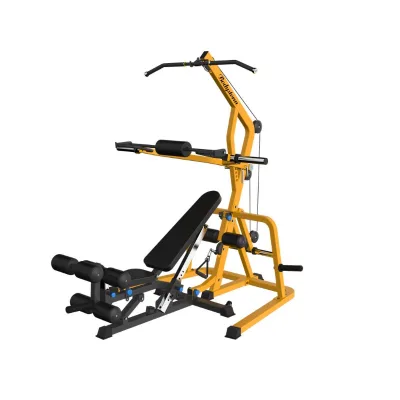


All-in-One Gym Equipment Collection: Perfect Machines for Home Workouts
$399.00 - $499.00
MOQ: 1 Pieces


Hot Selling Multi Home Gym Equipment Single Station Multi Function Gym
$189.00 - $219.00
MOQ: 1 Pieces
Comprehensive Sourcing Guide
Home Gym All-in-One Sport Machine Sourcing Guide
Buyers evaluating home gym all in one sport machines must first distinguish between compact residential units and heavy-duty commercial-grade systems. The observed product data reveals a significant variance in structural capacity, with some models supporting a maximum user weight of 240 kilograms while others are rated for 150 kilograms. This distinction dictates the appropriate application environment, as heavier frames are essential for high-intensity training or multi-user facilities, whereas lighter units may suffice for single-user residential settings.
Procurement decisions should also account for the physical footprint and assembly requirements inherent to these multi-station systems. Listings indicate dimensions ranging from approximately 178 centimeters in length to over 220 centimeters, with some units requiring a packed volume of four cartons for a single piece. Buyers must verify that their allocated space can accommodate the unfolded dimensions and that the logistics plan accounts for the substantial net weights, which can reach 125 kilograms for specific heavy-duty models.
Product Scope and Observed Listing Signals
The market for all-in-one home gym equipment spans various configurations, including multi-gym workout stations and specialized strength fitness equipment designed for specific muscle groups. Observed listings highlight products categorized as multi-station gyms that target arm exercises and general body building, often featuring customizable colors and logos to meet brand or aesthetic preferences. These units are typically marketed for use in home, community, and gymnasium environments, offering a versatile solution for comprehensive strength training without requiring multiple separate machines.
Buyers should scrutinize the specific functional attributes listed, such as the power source and foldability, to ensure alignment with their operational needs. While some units are described as manual and non-foldable, others may offer different configurations, though the current data emphasizes manual operation and fixed structures. The presence of customization options for packaging and branding suggests that suppliers are prepared to handle bulk orders, but the buyer must confirm if the specific model selected supports the desired level of personalization for their target market.
Technical Specifications to Verify
When assessing technical specifications, the frame material and structural integrity are paramount for ensuring long-term durability and safety. The supplied data indicates the use of steel and stainless steel for frame construction, which are critical for withstanding the dynamic loads generated during intense resistance training. Buyers must verify the exact grade of steel used and confirm that the weight stack capacity, observed at 65 kilograms in some models, aligns with the intended training intensity and user progression requirements.
Dimensional accuracy and weight distribution are equally critical factors that influence both installation and user experience. Listings provide specific standard dimensions, such as 196 by 105 by 207 centimeters or 220 by 195 by 210 centimeters, which must be cross-referenced with the actual product to prevent installation failures. Additionally, the gross and net weight figures, which vary significantly between models, should be used to calculate shipping costs and determine if the facility floor can support the concentrated load of the equipment.
Compliance and Safety Documentation
Safety compliance is a non-negotiable aspect of sourcing fitness equipment, particularly for machines intended for public or shared use. The observed product data confirms the presence of CE and RoHS certifications, which indicate adherence to European safety and environmental standards. Buyers must request valid certification documents for each specific model to ensure that the equipment meets the regulatory requirements of the destination market, as these certifications often serve as a baseline for liability protection and insurance coverage.
Beyond general certifications, buyers should verify that the equipment meets specific industry standards for mechanical safety and load testing. While the data mentions ISO and RoHS standards, it is essential to confirm that the manufacturer has conducted rigorous stress tests on the weight stacks, pulley systems, and frame joints. Documentation should explicitly state the maximum user weight limits, such as the observed 240-kilogram or 150-kilogram ratings, to ensure that the equipment is not being used beyond its engineered capacity, which could lead to catastrophic failure.
Cost Drivers and Commercial Terms
The pricing structure for all-in-one home gym machines is heavily influenced by the complexity of the frame, the quality of the materials, and the level of customization required. Observed price ranges span from 93 to 4550 USD, reflecting the vast difference between basic residential units and heavy-duty commercial systems with advanced features. Buyers must understand that lower price points often correlate with reduced weight capacities or simpler construction, while higher prices typically include premium materials like stainless steel and more robust weight stacks.
Commercial terms, including minimum order quantities and packaging requirements, play a significant role in the total cost of ownership. The data indicates a minimum order quantity ranging from one to 100 units, allowing flexibility for both single-purchase buyers and bulk importers. However, the packaging details, such as the use of waterproof film, foam, and multiple cartons, add to the shipping volume and cost. Buyers should negotiate terms that account for these packaging specifics to avoid unexpected logistics expenses and ensure the equipment arrives without damage.
Supplier Qualification and Quality Control
Supplier qualification is critical when sourcing complex fitness equipment, as the manufacturer's capability directly impacts product consistency and after-sales support. The observed data identifies suppliers as manufacturers or factories located in regions like Zhejiang and Jiangsu, China, which are known hubs for fitness equipment production. Buyers should verify the supplier's business type and production capacity to ensure they can meet demand without compromising on quality control measures during the manufacturing process.
Quality control protocols must be established to verify that the final product matches the technical specifications and safety standards promised. Buyers should request pre-shipment inspection reports that confirm the frame material, weight stack accuracy, and assembly integrity. Given the heavy nature of these machines, it is also essential to verify that the packaging methods, such as the use of four cartons for a single unit, are sufficient to protect the equipment during transit and that the supplier has a track record of delivering defect-free units.
Long-Term Procurement Checks
Establishing a long-term procurement strategy requires a focus on the availability of spare parts and the durability of the equipment under continuous use. Buyers should inquire about the warranty terms and the supplier's ability to provide replacement components for high-wear items like cables, pulleys, and weight stack pins. The observed data suggests that these are substantial machines with significant weight capacities, making the availability of durable spare parts essential for maintaining operational uptime in commercial or community settings.
Finally, buyers must plan for the lifecycle management of the equipment, including potential upgrades or modifications to meet changing user needs. The customization options for logos and colors observed in the listings indicate that suppliers can adapt products for branding, but buyers should confirm if structural modifications are possible in the future. A robust long-term plan should include regular maintenance schedules and a clear communication channel with the supplier to address any performance issues or safety concerns that may arise during the equipment's operational life.
FAQs
What certifications do these home gym all in one sport machines have?
These machines typically hold CE and RoHS certifications to ensure safety and environmental compliance. Some models also display ISORoHS marks. Buyers should verify specific certificates for their target market regulations before placing bulk orders to ensure full legal compliance.
Can I customize the color and logo on the multi gym equipment?
Yes, customization is available for both colors and logos. Manufacturers offer options like black, silver, or fully customized colors. You can also request a customized logo to be applied to the frame or padding, allowing for distinct branding on your Home Gym All-in-One Sport Machine.
What is the maximum user weight capacity for these strength fitness units?
The maximum user weight capacity varies by model, ranging from 150kg to 240kg. Heavier-duty units often feature a 65kg weight stack and robust steel frames. Buyers must check the specific model specifications to ensure the selected machine supports the intended user weight safely.
How are these home gym all in one sport machines packed for shipping?
Packing methods include waterproof film, foam, and carton boxes to protect the steel frame during transit. Some units are shipped as one piece in four cartons. This secure packaging ensures the equipment arrives undamaged, maintaining the structural integrity of the multi station gym for immediate assembly.
Where are these multi home gym units manufactured and shipped from?
These units are primarily manufactured in Zhejiang and Jiangsu provinces in China. Factories in these regions specialize in producing durable steel fitness equipment. Buyers can source directly from these locations, benefiting from established supply chains and efficient logistics for exporting strength fitness equipment to global markets.