Source Home Office Overbed Table for Hotel, School, and Office
Compare 30 home office overbed table options from verified Chinese manufacturers. Buyers can evaluate specifications like material, size, and warranty to find suitable solutions for hotel, school, and office environments; compare the available evidence and request quotations based on your requirements.
Key considerations
Products List


Comprehensive Sourcing Guide
Home Office Overbed Table Sourcing Guide
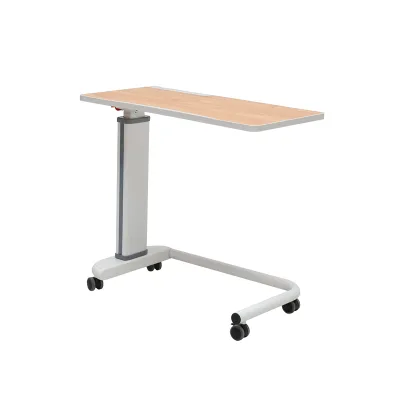
Sourcing a home office overbed table requires balancing mobility, stability, and ergonomic functionality for diverse environments. These units serve as versatile workspaces, often featuring adjustable heights and locking casters to ensure safety during use. Buyers must prioritize models that offer robust weight capacities while maintaining a compact footprint suitable for residential bedrooms or clinical settings. The integration of modern design elements with practical utility is essential for user adoption in both home and professional contexts.
Procurement decisions should focus on material durability and ease of maintenance, as these tables face frequent cleaning and mechanical stress. Plastic and wood composites are common choices, offering a balance between lightweight portability and structural integrity. Buyers should verify the specific configuration of wheels and locking mechanisms to prevent unintended movement. Additionally, considering the aesthetic compatibility with existing furniture ensures seamless integration into living spaces, enhancing both utility and visual appeal for the end-user.
Product Scope and Observed Listing Signals
The current market presents a wide array of options, with observed price points ranging from $0.10 to $168 USD, reflecting significant variation in quality and feature sets. Minimum order quantities (MOQs) typically start at just one piece, allowing for flexible sampling and small-batch procurement. This accessibility supports buyers who need to test specific models before committing to larger orders. The low entry barrier facilitates rapid iteration and customization, enabling purchasers to tailor specifications to unique operational needs without substantial upfront inventory risks.
Listing signals indicate a strong emphasis on modern styling and multi-functional utility, with many products marketed for use in hotels, living rooms, and offices. Attributes such as "Rice White" finishes and "Modern" styles suggest a trend toward minimalist, clean designs that blend into various interior decors. Buyers should note that while some listings highlight extensive export experience, others focus on specific technical certifications. Understanding these market signals helps in filtering suppliers based on their target demographics and production capabilities, ensuring alignment with specific procurement goals.
Technical Specifications to Verify
Key technical parameters include dimensions, material composition, and weight limits, which directly impact usability and safety. Standard sizes often range from 1200mm to 1600mm in length, with depths around 600mm to 750mm, providing ample surface area for laptops and documents. Thickness variations, such as 25mm tabletops and 15mm legs, influence stability and load-bearing capacity. Buyers must verify these measurements against their space constraints and ergonomic requirements to ensure the table supports the intended workload without compromising structural integrity or user comfort.
Material selection is critical, with options including plastic, wood, and metal components, each offering distinct advantages. Plastic models may provide lightweight portability, while wooden or melamine finishes offer a more premium aesthetic and durability. Metal frames can enhance stability, particularly for heavier loads. Additionally, features like folding mechanisms and adjustable heights add versatility. Buyers should confirm the specific configuration of these elements, ensuring that the chosen model meets both functional demands and aesthetic preferences for the intended deployment environment.
Compliance and Safety Documentation
Regulatory compliance is paramount, with certifications such as SGS, ISO9001, CE, and FDA indicating adherence to international quality and safety standards. These documents verify that materials and manufacturing processes meet rigorous benchmarks for durability and non-toxicity. Buyers should request valid certificates to ensure that products are safe for prolonged use in residential and commercial settings. Verifying these credentials helps mitigate risks associated with product liability and ensures that the supplied goods align with local regulatory requirements in the destination market.
Beyond certifications, documentation should include detailed technical specifications and warranty terms, which provide assurance of product longevity and supplier support. A warranty period of two to three years is common, reflecting confidence in the product's durability. Buyers must review these terms carefully to understand coverage for defects and the availability of after-sales technical support. Clear documentation also facilitates smoother customs clearance and reduces the likelihood of disputes, ensuring a transparent and reliable procurement process for all parties involved.
Cost Drivers and Commercial Terms
Pricing is influenced by material costs, manufacturing complexity, and order volume, with MOQs starting as low as one piece. Buyers should consider the total cost of ownership, including shipping and potential customization fees, rather than just the unit price. Factors such as packaging efficiency and weight impact logistics costs, making it essential to evaluate the single gross weight and package dimensions. Understanding these variables allows for more accurate budgeting and helps identify suppliers who offer competitive pricing without compromising on quality or service levels.
Commercial terms such as payment methods (T/T, L/C, D/P) and packing details significantly affect cash flow and operational efficiency. Standard packing, often in knock-down cartons, optimizes space and reduces damage during transit. Buyers should negotiate terms that align with their financial capabilities and supply chain requirements. Clear agreements on delivery timelines and quality assurance processes further protect against delays and defects. Establishing robust commercial terms ensures a smooth transaction and fosters a reliable partnership with the supplier.
Supplier Qualification and Quality Control
Supplier qualification involves assessing their business type, export experience, and quality management systems. Factories with extensive export history and ISO certifications demonstrate a commitment to consistent quality and international standards. Buyers should verify the supplier's production capacity and lead times to ensure they can meet demand fluctuations. Additionally, evaluating their after-sales service capabilities, such as online technical support, provides insight into their long-term reliability and customer care. This due diligence helps identify partners who can sustain high-quality output over time.
Quality control measures should include pre-shipment inspections and adherence to standardized production processes. Buyers must ensure that suppliers implement rigorous checks at various stages of manufacturing to catch defects early. Clear communication of specifications and expectations is crucial to avoid misunderstandings. Establishing a feedback loop for continuous improvement helps maintain product consistency. By prioritizing suppliers with proven quality control systems, buyers can minimize risks and ensure that delivered products meet their exact requirements.
Long-Term Procurement Checks
Long-term success depends on continuous monitoring of supplier performance and product quality. Regular audits and feedback sessions help identify areas for improvement and ensure ongoing compliance with agreed standards. Buyers should track key performance indicators such as delivery times, defect rates, and customer satisfaction to assess supplier reliability. Maintaining open communication channels facilitates quick resolution of issues and fosters a collaborative relationship. This proactive approach helps sustain high-quality output and supports the scalability of procurement operations over time.
Adapting to market changes and evolving customer needs is essential for maintaining competitiveness. Buyers should stay informed about industry trends and technological advancements that may impact product design and functionality. Regularly reviewing and updating procurement strategies ensures alignment with business objectives and market demands. Additionally, exploring opportunities for customization and innovation can enhance product value and differentiate offerings. By remaining agile and responsive, buyers can navigate challenges effectively and capitalize on new opportunities in the dynamic home office furniture market.
FAQs
What materials are used for home office overbed tables?
These tables are constructed from plastic, wood, and metal materials. The wooden variants often feature melamine finishes for durability. Metal frames provide structural support, while plastic components offer lightweight portability. Buyers can select the material that best suits their specific usage environment and aesthetic preferences.
Can I customize the design of these overbed tables?
Yes, customization is available for these products. Manufacturers support both OEM and ODM requests to tailor designs. Buyers can specify dimensions, colors, and functional features. This flexibility ensures the final product aligns with specific brand requirements or unique spatial constraints in hotels, offices, or home settings.
What certifications do these tables hold?
These tables hold various certifications including SGS, ISO9001, CE, FDA, and ISO13485. These credentials verify compliance with international quality and safety standards. Buyers can rely on these documented certifications to ensure the products meet regulatory requirements for commercial furniture and medical-adjacent usage in global markets.
What is the typical MOQ for ordering these tables?
The minimum order quantity starts at 1 piece. This low MOQ allows buyers to test product quality before committing to larger volumes. It supports small-scale procurement for individual offices or hotels. Larger orders can be negotiated based on specific customization needs and production capacity requirements from the factory.
Where are these tables manufactured?
These tables are manufactured in Jiangsu, China. The production facility operates as a factory with extensive export experience. This location supports efficient logistics and supply chain management. Buyers benefit from established manufacturing infrastructure and competitive pricing structures inherent to this major industrial region in China.
What warranty is provided for these products?
Warranty periods range from 2 to 3 years depending on the specific model. This coverage protects buyers against manufacturing defects. Online technical support is also provided for after-sale assistance. This warranty structure ensures long-term reliability and provides peace of mind for commercial and residential purchasers.