Source Home Perimeter Insect Catcher for Indoor, Outdoor, and Commercial Use
Find 30 Home Perimeter Insect Catcher options including electronic traps and bed bug monitors. Compare models like the HK-4381 and ATPL7099-3 with varying materials and pest targets for your sourcing needs.
Key considerations
Products List


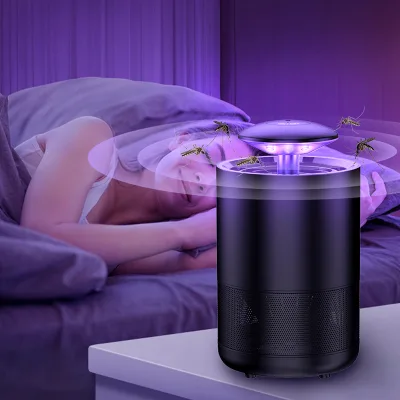
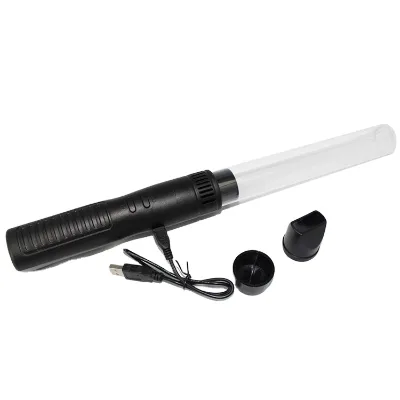
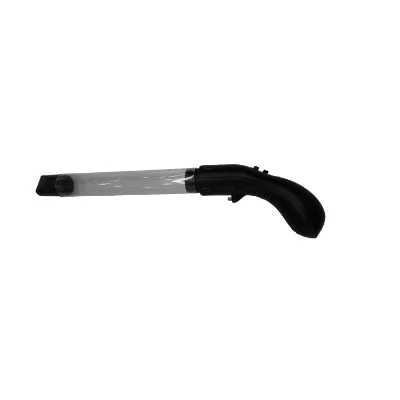
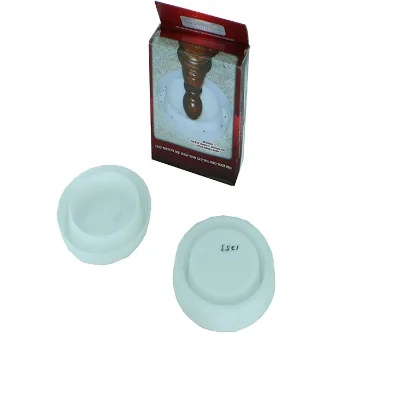
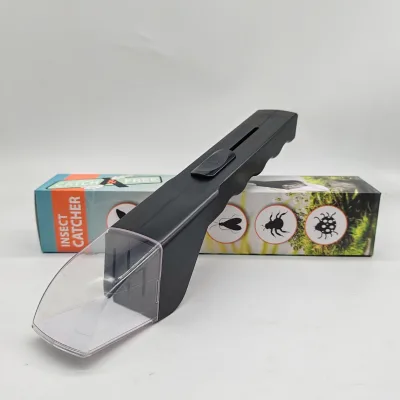


Electric Anti Fly Trap Catcher Insect Bug Zapper for Outdoor Mosquito Killer
$42.00 - $50.00
MOQ: 5 Pieces

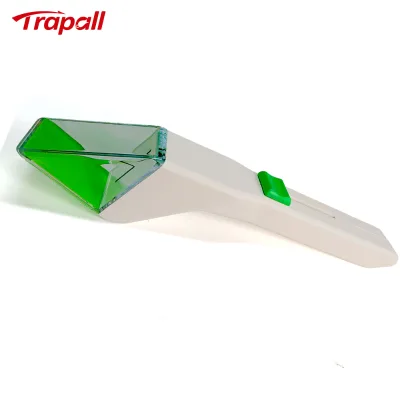
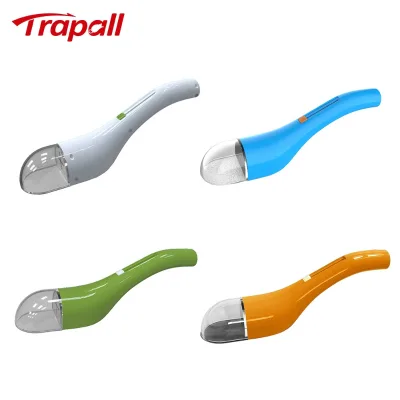
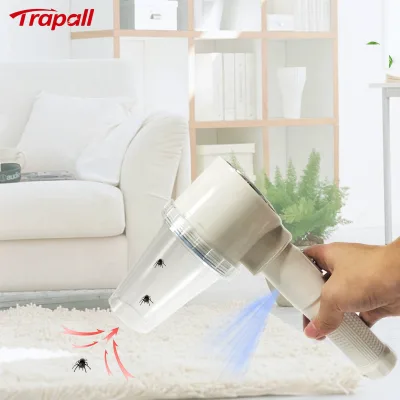



Comprehensive Sourcing Guide
Strategic Sourcing Guide for Home Perimeter Insect Catchers
The global market for home perimeter insect catchers has evolved from simple mechanical traps to sophisticated electronic and adhesive-based solutions designed for indoor and semi-outdoor environments. For procurement professionals and business buyers, sourcing these devices requires a nuanced understanding of technical specifications, material composition, and the specific operational constraints of the supply chain. This guide synthesizes available product data to provide a disciplined framework for evaluating suppliers and selecting the right inventory for B2B distribution. The focus remains on evidence-based attributes observed in current market listings, ensuring that procurement decisions are grounded in verified product characteristics rather than speculative marketing claims.
Technical Specifications and Product Architecture
When evaluating home perimeter insect catchers, the primary technical differentiator lies in the mechanism of capture and the physical construction of the unit. The observed product landscape reveals a distinct split between electronic trapping systems and passive mechanical traps. Electronic models, such as those identified by the model number HK-4381, utilize blue light technology to attract pests. These units are constructed from a composite of ABS and PVC materials, offering a balance of durability and cost-efficiency. The physical form is consistently solid, with specific dimensions observed at 27.5 cm by 5.5 cm by 5.5 cm, and a unit weight of 82.5 grams. This lightweight profile is critical for perimeter applications where portability and ease of installation are paramount.
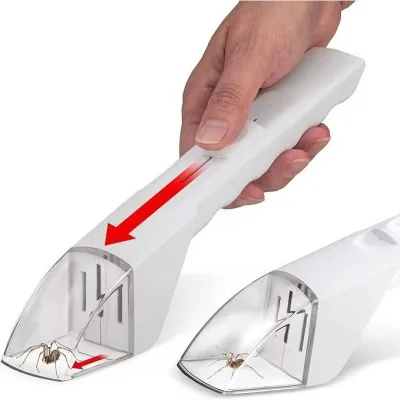
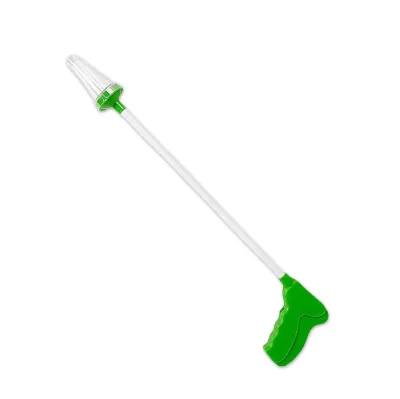
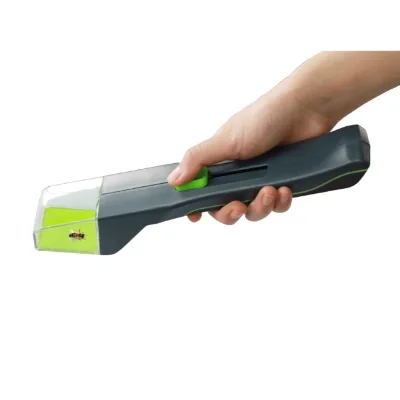
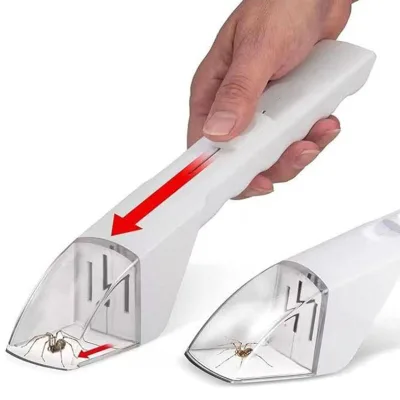
In contrast, passive trapping solutions, such as the bed bug and fly traps identified by models like ATPL7099-3 and ATPL7159, rely on adhesive surfaces or vacuum mechanisms. The ATPL7139 model, for instance, is classified as a "Bug Catcher Vacuum" with a distinct black and white color scheme. Its dimensions are significantly larger, measuring 17.75 inches by 5.25 inches by 3.75 inches, indicating a different application scope compared to compact electronic units. The material composition for these non-electronic variants is predominantly plastic, often in black or white finishes. Buyers must verify the specific pest type each model targets; while some units are optimized for spiders or general insects, others are specialized for flies or bed bugs. The power supply is another critical technical variable; while some electronic traps are rechargeable, the data indicates a prevalence of non-rechargeable models powered by USB or standard batteries, a factor that directly impacts the logistics of battery replacement and long-term maintenance for end-users.
Compliance, Certification, and Safety Standards
In the realm of insect control devices, compliance is not merely a regulatory hurdle but a fundamental aspect of product safety and market access. While specific certification bodies are not explicitly listed in the provided product data, the presence of "Eco-Friendly" as a stated feature suggests that manufacturers are aligning with environmental standards regarding material usage and chemical emissions. For electronic insect catchers, the use of blue light implies adherence to electrical safety standards, though the specific voltage and frequency ratings must be verified against the target market's regulations.
Buyers should prioritize suppliers who can demonstrate compliance with international safety standards for electrical appliances, particularly for units operating via USB power. The observation that some products originate from Ningbo and Fujian, China, highlights the importance of verifying the manufacturing location's export compliance history. These regions are known for high-volume manufacturing, but the specific origin does not guarantee uniform quality. Procurement teams must request documentation confirming that the ABS+PVC materials used in the construction meet flammability and toxicity standards for indoor use. Furthermore, the "Eco-Friendly" claim requires substantiation through third-party testing reports that verify the absence of harmful chemicals in the adhesive components of passive traps or the electronic components of active units. Without explicit certification data in the product listing, the buyer's due diligence must include a request for test reports regarding electromagnetic compatibility (EMC) and material safety.
Cost Drivers and Pricing Dynamics
The pricing structure for home perimeter insect catchers is influenced by a complex interplay of material costs, customization capabilities, and order volume. The observed price range in the market spans from $0.40 to $50.00 USD, a wide disparity that reflects the difference between simple adhesive traps and more complex electronic devices. The lower end of this spectrum typically corresponds to passive traps like the ATPL7099 series, which rely on minimal material inputs and simple packaging. The higher end is associated with electronic units featuring blue light technology and specialized power management systems.
A significant cost driver is the customization option. The data confirms that customization is available for certain models, which can impact the unit price and the minimum order quantity (MOQ). The observed MOQ range is extensive, stretching from 2 units to 100,000 units. This flexibility allows buyers to scale their procurement based on immediate demand or long-term strategic planning. However, the cost per unit will inevitably decrease as the order volume increases, a standard economic principle in manufacturing. Buyers should also consider the packaging costs; products are listed with "Color Box" packaging or "1 Pack" configurations. The choice between standard and custom packaging can add a variable cost layer that must be factored into the total landed cost. Additionally, the physical form factor and weight (e.g., 82.5g) influence shipping costs, particularly for air freight, making the optimization of packaging density a key consideration for cost control.
Typical Applications and Target Pest Profiles
Understanding the specific application area is essential for matching the right product to the right market segment. The data indicates that many of these devices are designed for indoor use, with application areas typically under 20 square meters for specific electronic models. This suggests a primary use case in residential bedrooms, kitchens, or small commercial spaces where perimeter control is necessary. The ATPL7139 vacuum model, with its larger dimensions, may be better suited for larger rooms or areas where manual intervention is required.
The target pest profile varies significantly across the product range. Some units are explicitly designed for spiders, while others target flies, bed bugs, or general insects. The "Electronic Insect Catcher with Blue Light" is optimized for flying insects attracted to the specific wavelength, whereas the "Bed Bug Trap" utilizes a different mechanism, likely involving scent or physical entrapment. This specialization means that a single SKU cannot serve all perimeter needs. Procurement strategies should therefore involve a diversified portfolio approach, stocking different models to address the specific pest challenges of different geographic regions or customer demographics. For instance, a supplier targeting tropical markets might prioritize fly and mosquito traps, while a supplier in temperate zones might focus on spider and bed bug solutions. The "Applying Space" attribute, noted as less than 50 square meters for some models, further reinforces the need for precise matching of product capability to the intended environment.
Supplier Evaluation and Quality Control Protocols
Evaluating suppliers for insect catcher products requires a rigorous assessment of their manufacturing capabilities and quality control systems. The observed product origins in Ningbo and Fujian, China, indicate a concentration of manufacturing expertise in these regions. However, the presence of multiple model numbers (e.g., HK-4381, ATE129-w, ATPL7099) suggests that suppliers may offer a wide range of SKUs, potentially sourced from different sub-contractors. Buyers must verify the direct relationship between the supplier and the manufacturing facility to ensure consistency in quality.
Quality control should focus on several key areas: material integrity, electrical safety, and functional performance. For electronic units, the durability of the ABS+PVC casing and the reliability of the blue light emission are critical. For passive traps, the adhesive strength and the longevity of the trap before it loses efficacy are paramount. The "Customized" vs. "Non-Customized" attribute highlights the need to verify if a supplier can maintain quality standards when deviating from standard designs. Buyers should implement a pre-shipment inspection protocol that includes random sampling of units to test the "Physical Form" and ensure that the "Color" and "Design" match the agreed-upon specifications. Additionally, the "Rechargeable" status must be verified, as mislabeling a non-rechargeable unit as rechargeable can lead to significant customer dissatisfaction and returns.
Long-Term Procurement and Supply Chain Resilience
Long-term procurement success in the insect catcher market depends on building resilient supply chains that can adapt to changing pest patterns and regulatory environments. The availability of customization is a strategic advantage, allowing buyers to differentiate their product offerings in competitive markets. However, this flexibility must be balanced with the risk of supply chain disruption. The wide MOQ range (2 to 100,000) offers flexibility but also requires careful inventory management to avoid overstocking low-turnover items.
Buyers should consider the lead times associated with different product types. While specific lead times are not provided in the data, the complexity of electronic units versus simple plastic traps suggests that production cycles may vary. Establishing a relationship with a supplier that can handle both small, rapid-turnover orders and large, scheduled shipments is ideal. Furthermore, the "Eco-Friendly" attribute suggests a growing market trend toward sustainable products. Procurement strategies should anticipate increasing demand for environmentally compliant materials and designs. Buyers should also monitor the "Target Pests" trends; as pest populations shift due to climate change or urbanization, the demand for specific trap types will fluctuate. Maintaining a diverse product mix and fostering a collaborative relationship with suppliers who can pivot production quickly will be essential for long-term success.
Comparative Analysis of Product Attributes
To facilitate decision-making, the following table summarizes the key attributes of the observed product categories, highlighting the distinctions that buyers must consider during the sourcing process.
| Attribute Category | Electronic Traps (e.g., HK-4381) | Passive/Vacuum Traps (e.g., ATPL7099, ATPL7139) |
|---|---|---|
| Primary Material | ABS + PVC | Plastic |
| Power Source | USB / Non-Rechargeable (varies) | Manual / Battery (varies) |
| Target Pests | Insects, Flies, Spiders | Bed Bugs, Flies, General Insects |
| Application Area | < 20 Square Meters | < 50 Square Meters |
| Packaging | Color Box | 1 Pack / Color Box |
| Customization | Available | Non-Customized (some models) |
| Origin | Ningbo, China | Fujian, China / General China |
| Weight | 82.5g (observed) | Varies by model |
This comparison underscores the necessity of aligning product selection with specific market needs. Electronic traps offer a high-tech solution for active pest control in small spaces, while passive traps provide a cost-effective, low-maintenance option for targeted pest issues. By understanding these distinctions, buyers can construct a procurement strategy that maximizes value and minimizes risk in the dynamic Home Perimeter Insect Catcher market.
FAQs
What materials are used for home perimeter insect catchers?
These devices are constructed from ABS+PVC or general plastic materials. The specific model HK-4381 uses a composite of ABS and PVC, while other variants rely on standard plastic components to ensure durability and cost-efficiency for indoor use.
Can buyers customize the product specifications for these traps?
Customization is available for certain models in this product line. However, some specific items like the ATPL7139 are listed as non-customized, so buyers must verify the customization status of each specific model before placing an order.
Which pest types do these electronic traps target effectively?
The traps target various pests including spiders, flies, bed bugs, and general insects. Specific models are optimized for different targets, such as the electronic blue light units for insects or adhesive traps designed specifically for bed bugs.
How large is the application area for these indoor traps?
Most electronic models are designed for application areas under 20 square meters. Some larger vacuum models support spaces up to 50 square meters, making them suitable for small residential rooms or compact commercial environments.
What is the typical price range for these insect catcher units?
The observed price range spans from 0.40 to 50.00 USD per unit. Lower prices typically correspond to simple adhesive traps, while higher costs reflect complex electronic units with features like blue light technology and specialized power management.
Where are these home perimeter insect catchers manufactured?
Products originate from manufacturing hubs in Ningbo and Fujian, China. Buyers should verify the specific origin of their selected model, as different factories in these regions may produce varying specifications and quality levels.