Source Home Use LED Therapy Device for Pain Relief, Muscle Recovery, and Skin Care
Compare 30 Home Use LED Therapy Device options featuring shockwave, laser, and NIRS therapies. Buyers can evaluate specifications like wavelength, power, and working heads to select suitable units for orthopedic and home applications.
Key considerations
Products List


Professional Red Light Therapy Device with LCD Screen for Pain Relief
$2980.00 - $3199.00
MOQ: 1 Pieces


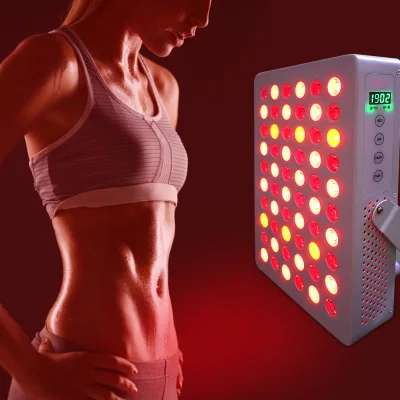
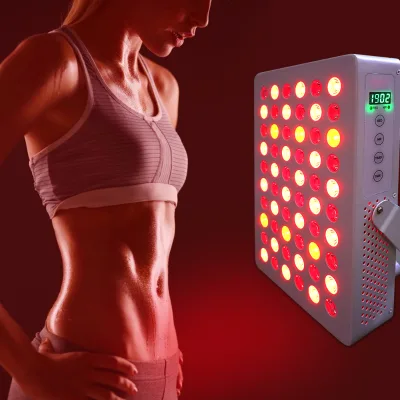


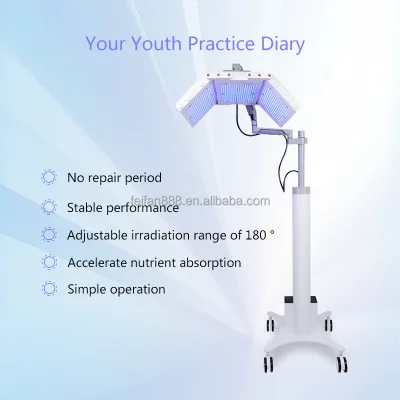
Full Body Infrared LED Light Therapy Device with Smart Touch Control
$3199.00 - $3999.00
MOQ: 1 Pieces




Comprehensive Sourcing Guide
Strategic Sourcing Guide for Home Use LED Therapy Devices
Understanding the Technical Landscape of LED Therapy
The market for home use LED therapy devices has evolved significantly, moving from simple handheld units to sophisticated systems capable of delivering multi-modal treatments. When sourcing these devices, buyers must first distinguish between the underlying technologies. While the core keyword focuses on LED therapy, the supply chain often includes hybrid systems that integrate Shockwave and Magnetic therapies alongside Light Emitting Diode (LED) arrays. A critical observation in the current product landscape is the variation in wavelength specifications, which directly dictates the therapeutic application.
Buyers should verify that the device specifications align with the intended biological targets. In the observed product data, specific wavelengths such as 620nm, 660nm, and 940nm are documented, alongside configurations like 660nm + 850nm in a 1:1 ratio. These specific ranges are standard for photobiomodulation, where red light (600-700nm) typically targets superficial tissue repair and collagen stimulation, while near-infrared light (700-1000nm) penetrates deeper to address muscle and joint inflammation. Another observed specification involves a 1064nm wavelength, which is often associated with deeper tissue penetration and is sometimes paired with pulsed laser technology.
The power output and energy density are equally critical technical parameters. Devices vary from low-power units consuming 72W to high-intensity systems rated at 3200MW or 360W. For home use, the balance between efficacy and safety is paramount. A device with a power consumption of 72W and an input voltage range of 100-277VAC suggests a design optimized for global residential electrical grids. However, the presence of high-power specifications like 3200MW indicates industrial-grade capabilities that may be over-engineered for typical home environments unless the device is specifically marketed for professional-grade home clinics.
Furthermore, the configuration of the light source matters. Some units utilize a high quantity of LEDs, such as 72 PCS, arranged in specific lamp sizes like 286 × 220 × 36 mm. The physical dimensions of the lamp and the spacing of the diodes affect the treatment field size and uniformity. Buyers must ensure that the "Laser Working Heads" or LED arrays are designed for the specific body parts intended for treatment, as some systems offer multiple heads for different applications, such as D10 and D30 spots.
Compliance and Certification Verification
In the medical and wellness device sector, compliance is not merely a regulatory formality but a fundamental indicator of product safety and quality. When sourcing home use LED therapy devices, buyers must rigorously verify certification status. The available data highlights "ISOCE" as a specific certification attribute. While this designation suggests adherence to certain international standards, buyers should not assume this applies to every unit in a catalog without explicit verification. The term "ISOCE" requires clarification against recognized bodies like ISO (International Organization for Standardization) or specific regional certifications like CE (Conformité Européenne) or FDA clearance, depending on the target market.
Safety standards for electrical devices are non-negotiable. The input voltage range of 100-277VAC 50/60Hz indicates a wide compatibility with global power standards, but the internal circuitry must be tested to ensure it does not pose a risk of electrical shock or fire. For devices intended for home use, the waterproof level is a crucial safety metric. One observed specification lists an IP22 rating, which is explicitly noted for indoor use. This rating protects against solid objects larger than 12.5mm and vertically dripping water, which is sufficient for a dry home environment but insufficient for bathroom use where moisture levels are higher.
Buyers must also scrutinize the "prod_standard" attribute, which appears as "Large" or "medium" in different product listings. This likely refers to the physical size or the classification of the device within a specific regulatory framework, but it is not a substitute for formal safety certifications. In the context of laser and LED devices, the classification of the laser (e.g., Class 1, Class 2, Class 3B, or Class 4) is essential for determining eye safety requirements. The presence of a 1064nm laser with a pulse width of 10us-3s and power up to 12W suggests a high-energy device that may require strict safety protocols, including protective eyewear, even for home use.
Cost Drivers and Pricing Dynamics
The pricing of home use LED therapy devices is influenced by a complex interplay of technical specifications, build quality, and included accessories. The observed price range in the market spans from $12 to $3,999 USD, a variance that reflects the vast difference between basic consumer gadgets and professional-grade medical equipment. A unit priced at $12 is likely a simple, low-power LED panel with minimal features, whereas a device approaching $4,000 likely integrates multiple therapies, advanced cooling systems, and high-precision engineering.
Several specific factors drive the cost upward. First, the inclusion of multiple therapy modalities significantly increases the price. A device combining LED therapy with Shockwave and Magnetic therapy (as seen in the "PMST WAVE" model) commands a premium due to the complexity of integrating three distinct energy sources. The Shockwave component alone, with energy levels ranging from 0.5 to 10 bar and a lifespan of 3 million shocks, adds substantial manufacturing cost. The magnetic therapy component, featuring a coil strength of 4T and frequencies up to 3000Hz, further elevates the price point.
Second, the cooling system is a major cost driver. High-power devices often require active cooling to prevent overheating during extended use. The "Water Cooling System" observed in the product data is a sophisticated feature that adds to the unit's weight (79kg) and complexity compared to air-cooled alternatives. This system is essential for maintaining the longevity of the laser and LED components but increases the overall manufacturing and shipping costs.
Third, the interface and control systems impact pricing. Devices equipped with large touch screens, such as the 12.1-inch display noted in the data, offer a more intuitive user experience but come at a higher cost. The "Intuitive System" with preset parameters for ten body parts adds software development value. Additionally, the packaging type influences the final price; a "Flight Case" is more expensive than a standard "Carton + Aluminum Box" and is necessary for protecting high-value equipment during transport.
Finally, the quantity of consumables and working heads affects the total cost of ownership. A system with six different shockwave heads (D35, D25, D20, D15, D10, D6) and three laser spots represents a higher initial investment than a single-head unit. Buyers should calculate the total cost of acquisition, including the price of replacement heads and the estimated lifespan of consumables, rather than focusing solely on the unit price.
Typical Applications and Therapeutic Scope
The applications for home use LED therapy devices are diverse, ranging from cosmetic enhancement to pain management and tissue repair. The primary function observed in the product data is "Tissue Repair," which aligns with the photobiomodulation capabilities of red and near-infrared light. These devices are commonly used to accelerate wound healing, reduce inflammation, and stimulate collagen production for skin rejuvenation. The specific wavelengths of 620nm and 660nm are particularly effective for superficial skin conditions, while 940nm and 1064nm are better suited for deeper musculoskeletal issues.
Beyond simple LED therapy, many devices in the market offer "Orthopedics" as a primary application category. This is facilitated by the integration of Shockwave therapy, which is highly effective for treating chronic pain conditions such as plantar fasciitis, tendonitis, and joint pain. The "Shockwave Energy" range of 0.5-10 bar allows for adjustable intensity to target different tissue depths. The availability of specific working heads for the spine, fascia, and pain management indicates that these devices are designed for comprehensive musculoskeletal treatment.
The "Magneto" therapy attribute suggests the use of magnetic fields to improve blood circulation and reduce pain, often used in conjunction with shockwave and light therapy. This multi-modal approach is particularly beneficial for home users seeking a holistic solution for chronic pain without the need for multiple separate devices. The "Intuitive System" with presets for ten body parts simplifies the treatment process, making it accessible for non-professionals to apply the correct parameters for specific conditions.
However, buyers must be cautious about the "Home" application classification. While a device may be marketed for home use, the presence of high-energy lasers (1064nm) and high-intensity shockwaves (up to 10 bar) implies that professional training or strict adherence to safety guidelines is necessary. The "Large" and "medium" standard classifications may indicate that some units are intended for professional clinics rather than residential settings, despite the "Home" attribute. Buyers should verify the intended use case to ensure the device is safe and appropriate for the specific user environment.
Supplier Evaluation and Quality Assurance
Evaluating suppliers for home use LED therapy devices requires a focus on manufacturing capabilities, quality control processes, and after-sales support. The origin of the products, such as "Guangzhou," is a significant factor, as this region is a known hub for medical device manufacturing. However, the location alone does not guarantee quality. Buyers should request detailed information about the supplier's production lines, including the testing procedures for electrical safety, thermal management, and laser output consistency.
Quality control is critical for devices with complex components like water cooling systems and high-power lasers. The "Gross Weight" of the units, ranging from 33kg to 79kg, indicates substantial internal components that must be securely mounted to prevent damage during shipping and operation. Buyers should inquire about the packaging standards, such as the use of "Flight Cases" for high-value units, to ensure the product arrives in pristine condition.
When assessing supplier reliability, buyers should look for evidence of consistent manufacturing standards. The variation in "prod_standard" (Large vs. medium) and "prod_packing" (Flight Case vs. Carton) suggests that suppliers may offer different tiers of products. Buyers should verify that the specific model they are sourcing meets the required specifications and that the supplier can consistently reproduce these standards.
After-sales support is another key consideration. Devices with consumable parts, such as the "Lifespan of Consumable Bullet" of 3 million shocks, require a reliable supply chain for replacements. Buyers should confirm the availability of spare parts and the lead time for restocking. Additionally, the presence of a "Water Cooling System" implies a need for maintenance, so suppliers should provide clear instructions and support for fluid replacement and system cleaning.
Long-Term Procurement Considerations
Sourcing home use LED therapy devices is a long-term investment that requires careful planning for maintenance, scalability, and regulatory compliance. The "Lifespan of Consumable Bullet" of 3 million shocks is a critical metric for calculating the total cost of ownership. Buyers should estimate the frequency of use in their target market to determine how often consumables will need replacement. If the device is intended for high-volume use, the cost of consumables over time may exceed the initial purchase price.
Scalability is also important for businesses looking to expand their product lines. The "Customization: Available" attribute indicates that suppliers may offer tailored solutions, such as specific wavelengths or branding. Buyers should evaluate the flexibility of the supplier to accommodate future changes in technology or market demands. The ability to customize the "Laser Working Heads" or the "Touch Screen Size" can provide a competitive advantage in a crowded market.
Regulatory changes pose a risk to long-term procurement. As safety standards evolve, devices that are currently compliant may require updates or redesigns. Buyers should maintain open communication with suppliers regarding their commitment to staying current with international standards. The "ISOCE" certification mentioned in the data should be monitored to ensure it remains valid and recognized in the target markets.
Finally, the integration of advanced features like "Intuitive System" presets and multi-modal therapies suggests a trend toward more sophisticated home devices. Buyers should consider the user experience and the potential for software updates. Devices with "LCD Display" and touch screens may benefit from firmware upgrades that add new therapy protocols or improve safety features. Ensuring that the supplier supports long-term software maintenance is essential for the longevity and relevance of the product in the market.
FAQs
What certifications are available for these devices?
ISOCE certification is available for these home use led therapy devices. Buyers should verify this specific designation against recognized international standards before purchasing to ensure safety compliance.
Which wavelengths are used for tissue repair?
Devices utilize wavelengths of 620nm, 660nm, 940nm, and 1064nm for various therapeutic effects. Red light targets superficial tissue while near-infrared and laser wavelengths address deeper muscle and joint inflammation.
Can the device be customized for specific needs?
Customization is available for these home use led therapy devices. Buyers can request specific configurations to match their requirements, though the extent of customization depends on the manufacturer's capabilities.
How does the cooling system function in high-power units?
High-power units feature a water cooling system to manage heat dissipation during operation. This system is essential for maintaining component longevity but adds significant weight and complexity to the device.
What is the energy range for shockwave therapy?
Shockwave energy ranges from 0.5 to 10 bar depending on the specific model and application. This adjustable range allows for targeted treatment of different tissue depths and pain conditions.
Where are these devices typically manufactured?
These devices originate from Guangzhou, a known hub for medical device manufacturing. Buyers should verify the specific factory location and production standards when sourcing from this region.
What is the lifespan of the consumable bullet?
The consumable bullet has a lifespan of 3 million shocks. This high durability reduces the frequency of replacement needs, though the total cost of ownership should include these consumables.
Which packaging types are used for shipping?
Packaging options include flight cases and cartons with aluminum boxes depending on the model. Flight cases are used for high-value units to ensure protection during transport and storage.