Source Home Use Microwave Oven Magnetron for Repair, OEM, and Testing
Find and compare 30 Home Use Microwave Oven Magnetron models from verified Chinese suppliers. Evaluate specifications like 2M214 and 2M229 variants, CE certification, and 2-year warranty options for reliable replacement and manufacturing needs.
Key considerations
Products List

$3.80 - $6.50
MOQ: 500 Pieces


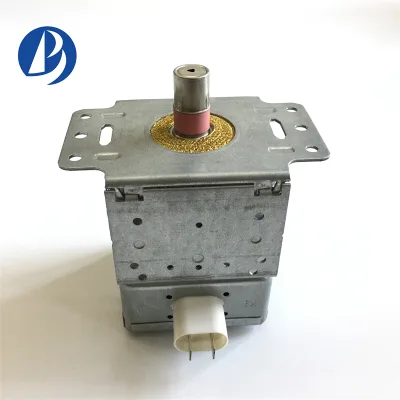


High-Efficiency 500W Microwave Oven Magnetron for Home Use (2M213-01TAG)
$3.80 - $5.95
MOQ: 200 Pieces


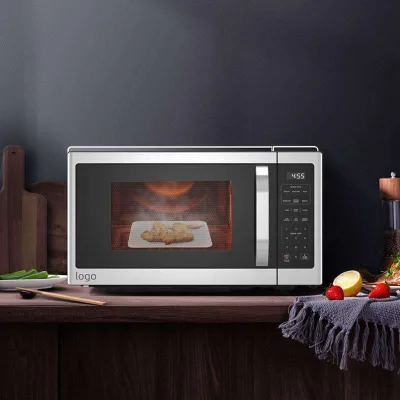
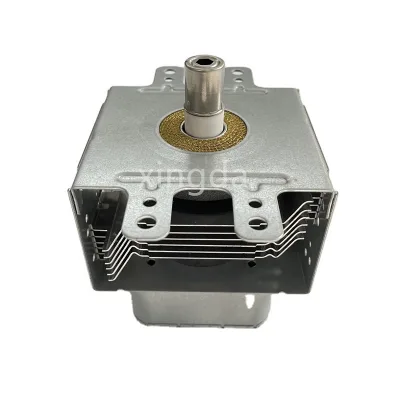
High Quality Microwave Oven Magnetron 900W Microwave Oven Magnetron Parts
$6.11 - $9.98
MOQ: 300 Minimum
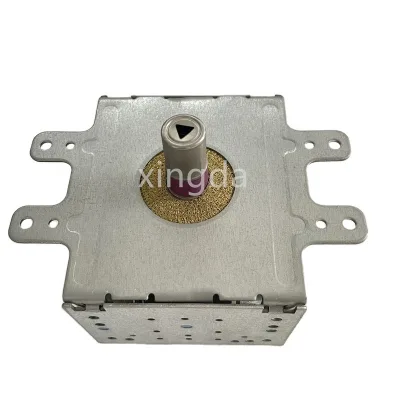
Replace L.G 2M246-01TAG Microwave Oven Magnetron High Quality Magnetron Exporter
$6.11 - $10.06
MOQ: 300 Minimum
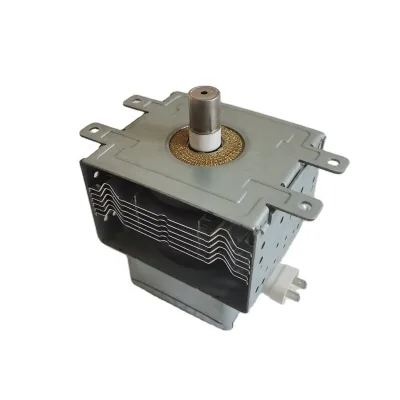
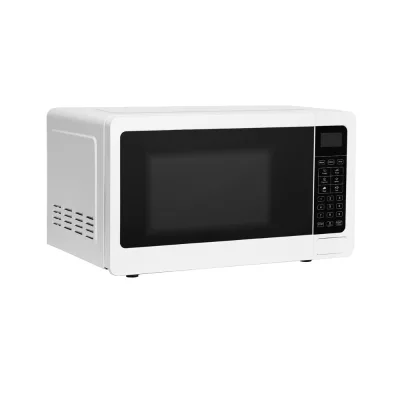


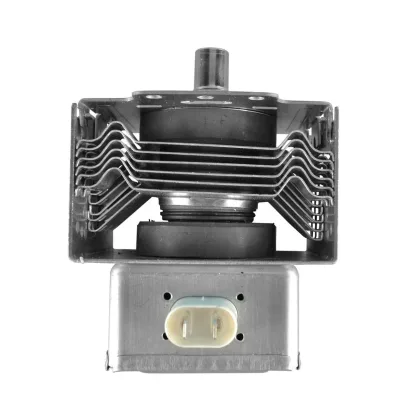
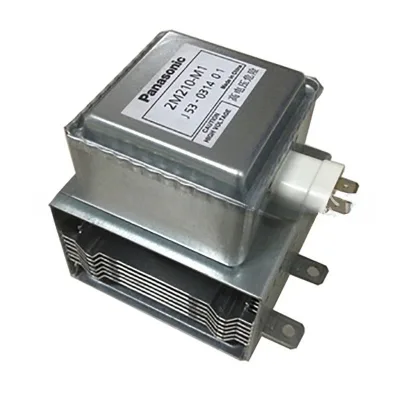
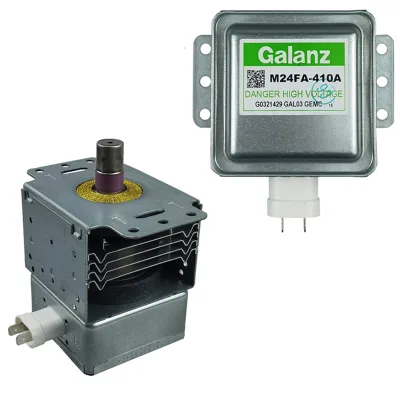
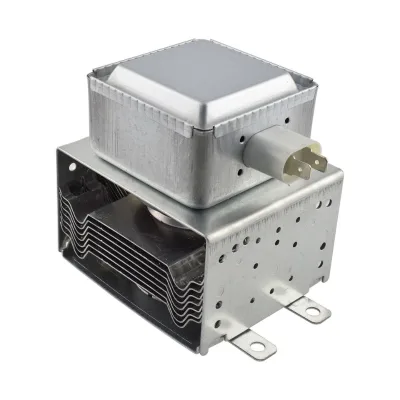
Factory Custom High Quality Magnetron Microwave Oven Parts Magnetron Microondas
$4.00 - $6.00
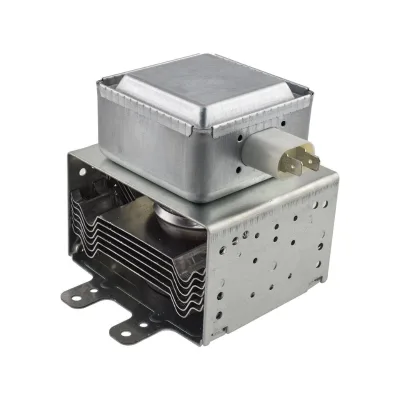
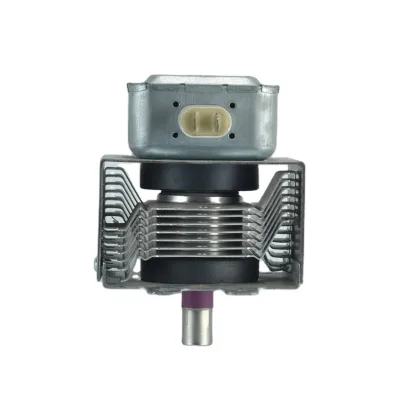
MOQ: 500 pieces
Comprehensive Sourcing Guide
Home Use Microwave Oven Magnetron Sourcing Guide
Sourcing components for home use microwave ovens requires a precise understanding of the specific electromagnetic and thermal demands placed on the magnetron. These devices are the heart of the appliance, converting electrical energy into microwave radiation to heat food, and their reliability directly dictates the safety and performance of the final product. Buyers must recognize that while the core function is consistent, the physical dimensions, mounting configurations, and electrical ratings vary significantly between different household appliance models. The observed market data indicates a diverse range of part numbers, such as the 2M214, 2M229, and 2M343 series, which serve as critical identifiers for compatibility.
When initiating a procurement strategy, it is essential to distinguish between general component descriptions and specific model requirements. The available listings reveal that these parts are often categorized under "Microwave Oven Parts" with specific model numbers like 2M214-240GP or OM75S(31), suggesting that a generic search for "magnetron" may yield incompatible results. Buyers should verify that the selected unit matches the exact housing dimensions and electrical specifications of their target appliance, as the standard size observed in the market is approximately 10794124mm. This precision ensures that the component will fit the waveguide and mounting bracket without requiring structural modifications to the oven chassis.
Product Scope and Observed Listing Signals
The product scope for home use microwave magnetrons encompasses a variety of models designed for residential cooking environments, characterized by specific voltage and power requirements. The observed listings highlight that these components are typically constructed from durable materials, including stainless steel and aluminum housings, to withstand the high temperatures and electromagnetic fields generated during operation. The color of these units is frequently grey, and they are designed for horizontal installation, which is the standard configuration for most household microwave ovens. Understanding these physical attributes helps buyers filter through the extensive catalog of available parts to find those that match their specific appliance architecture.
Listing signals in the current market indicate a strong emphasis on customization and specific application modes. Many suppliers offer customized options for these parts, allowing for tailored solutions that may include specific wiring configurations or mounting hole patterns, such as the 4-hole design observed in some listings. The products are marketed with features like temperature control and high-temperature resistance, which are critical for maintaining performance during continuous cooking cycles. Buyers should pay close attention to the "Cooking Mode" and "Function" attributes listed, ensuring they align with the "True Microwave" functionality required for effective food heating in a home setting.
Technical Specifications to Verify
Verifying technical specifications is the most critical step in ensuring the magnetron will function correctly within the intended microwave oven. The voltage rating is a primary specification to confirm, as the observed data points to a standard operating range of 220-240V, which is common in many international markets but may differ in regions with different grid standards. Additionally, the model number serves as the definitive identifier for compatibility; listings show a wide array of models including 2M213-01TAG, 2M226-01, and 2M343K, each with unique internal characteristics that must match the original equipment manufacturer's (OEM) design.
Beyond the model number, buyers must verify the physical and operational parameters to prevent installation failures. The standard size of 10794124mm is a key dimension to check against the existing waveguide cavity, while the "Working Mode" of continuous operation ensures the unit can handle sustained cooking tasks without overheating. The material composition, often a combination of metal and aluminum, impacts thermal dissipation and durability, making it a vital factor for long-term reliability. Furthermore, the "Hole" count and "Installation" orientation must be confirmed to ensure the magnetron can be securely mounted and properly aligned with the waveguide antenna.
Compliance and Safety Documentation
Compliance and safety documentation are non-negotiable when sourcing components for home appliances, as these parts operate at high voltages and generate microwave radiation. The observed listings consistently cite CE and RoHS certifications, indicating that the products meet European safety standards for electrical equipment and restrictions on hazardous substances. These certifications are essential for ensuring that the magnetron does not pose a risk of electrical shock or emit harmful levels of radiation beyond the designated shielding. Buyers should request valid certification documents from suppliers to verify that the specific batch of products adheres to these regulatory requirements.
In addition to general certifications, specific safety features such as temperature control mechanisms are vital for preventing thermal runaway or component failure. The "Feature Protection" attribute observed in the market suggests that many units include built-in safeguards to manage heat generation, which is crucial for maintaining the integrity of the magnetron during extended use. While the listings mention a "Warranty" period of either 1 or 2 years, this commercial guarantee should be supported by rigorous quality control processes and adherence to international standards. Buyers must ensure that the supplier can provide evidence of these safety protocols to mitigate liability and ensure the final appliance is safe for consumer use.
Cost Drivers and Commercial Terms
Cost drivers for home use microwave magnetrons are influenced by a combination of material costs, manufacturing complexity, and the specific model requirements. The observed price range of 2.8 to 63 USD reflects the diversity in specifications, with higher-priced units likely offering enhanced durability, specific model compatibility, or advanced safety features. The material composition, particularly the use of stainless steel and aluminum, plays a significant role in the final cost, as these materials are selected for their ability to withstand high temperatures and electromagnetic stress. Buyers should analyze the price-to-specification ratio to determine the most cost-effective option that still meets their quality and performance standards.
Commercial terms, including Minimum Order Quantity (MOQ) and lead times, are critical factors in the procurement planning process. The market data shows an MOQ range from 1 to 1000 units, with a specific observation of 500 PCS for certain listings, indicating that suppliers may have different thresholds based on production capacity and inventory levels. Lead times are also variable, with some suppliers offering "In stock" samples and a standard delivery time of 15 days for bulk orders. Understanding these terms allows buyers to align their inventory management strategies with supplier capabilities, ensuring that production schedules are not disrupted by delays or minimum order constraints.
Supplier Qualification and Quality Control
Supplier qualification is paramount when sourcing critical electronic components like magnetrons, as the quality of the part directly impacts the safety and longevity of the microwave oven. Buyers should prioritize suppliers who demonstrate a clear track record of providing products with verified certifications such as CE and RoHS. The observation of "New" condition and "Durable" features in the listings suggests that reputable suppliers focus on delivering high-quality, unused components that meet strict manufacturing standards. It is advisable to request samples and review quality control reports to ensure that the products consistently meet the specified dimensions and electrical ratings.
Quality control processes should extend beyond the initial inspection to include verification of packaging and shipping standards. The observed "Standard Export Carton" and "Corrugated Box" packaging types indicate that suppliers are aware of the need to protect these sensitive components during transit. Buyers should verify that the packaging is robust enough to prevent physical damage, which could compromise the magnetron's internal structure. Additionally, the "Customized" nature of some listings suggests that suppliers may offer tailored quality assurance measures for specific client requirements, which can be a valuable differentiator when selecting a long-term partner for component supply.
Long-Term Procurement Checks
Establishing a long-term procurement strategy for microwave oven magnetrons requires regular performance monitoring and supplier relationship management. Buyers should implement a system to track the failure rates and performance of the magnetrons in the field, using this data to assess the reliability of the supplier's products over time. The observed warranty periods of 1 or 2 years provide a baseline for expected product life, but actual field performance may vary based on usage conditions and manufacturing consistency. Regular audits of the supplier's quality control processes and certification renewals are essential to maintain high standards and ensure continued compliance with safety regulations.
Continuous communication with suppliers regarding updates in technology and standards is also crucial for long-term success. As microwave oven designs evolve, the requirements for magnetrons may change, necessitating new model numbers or updated specifications. Buyers should maintain an open dialogue with their suppliers to stay informed about new product developments, such as the 2M343K or 2M214-240GP models, which may offer improved efficiency or compatibility. By fostering a collaborative relationship, buyers can ensure a steady supply of high-quality components that meet the evolving needs of the home appliance market while minimizing the risk of supply chain disruptions.
FAQs
What certifications do these magnetrons have?
These magnetrons carry CE and RoHS certifications to ensure safety and environmental compliance. The products meet standard size requirements of 107*94*124mm and are manufactured in Zhejiang, China, ensuring reliable performance for home use applications.
Can I customize the packaging for this order?
Yes, customization is available for packaging and product specifications. Items are typically packed in standard export cartons or corrugated boxes, and buyers can request specific configurations to meet their logistical needs while maintaining product integrity.
What is the minimum order quantity for these parts?
The minimum order quantity is 500 pieces for standard transactions. However, some listings indicate an MOQ range from 1 to 1000 units, so buyers should verify specific supplier requirements before placing an order for microwave oven magnetrons.
How long does delivery take for these components?
The standard delivery time is 15 days for bulk orders. Samples are often available in stock for immediate shipment, allowing buyers to evaluate product quality before committing to larger quantities of the 2M214 or 2M229 models.
Which models are compatible with home microwave ovens?
Compatible models include 2M214, 2M229, 2M226-01, and OM75S(31). These units are designed for household applications with a voltage of 220-240V and feature durable metal or aluminum housing suitable for continuous cooking modes.
What warranty is provided for these magnetrons?
Warranty periods typically range from 1 to 2 years depending on the specific supplier and model. Buyers should confirm the exact terms, as some listings offer a 2-year warranty while others provide coverage for 1 year on new units.