Source Home Use PDT Light Therapy with Remote Controller For Salon, Home, And Clinic
Find 30 Home Use PDT Light Therapy with Remote Controller options for salon, home, and clinic applications. Compare portable and non-portable models with varying power consumption, LED counts, and warranty terms to select the right bio-light therapy equipment for your business needs.
Key considerations
Products List


Intelligent Red Light Therapy Device with Remote Control and Timer Function.
$119.00 - $159.00
MOQ: 1 Pieces


Red Light Therapy Device with Remote Control Display Screen Convenient.
$119.00 - $159.00
MOQ: 1 Pieces


Full Body Red Therapy Light Touch Screen Controller Near Infrared Light Therapy
$1186.00 - $1366.00
MOQ: 1 Pieces

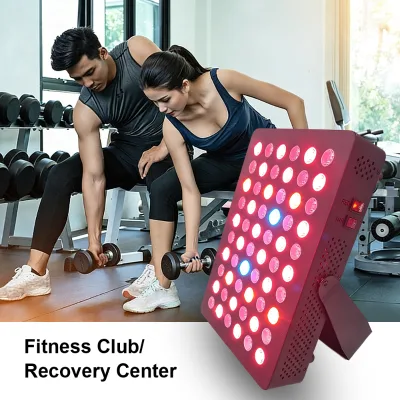
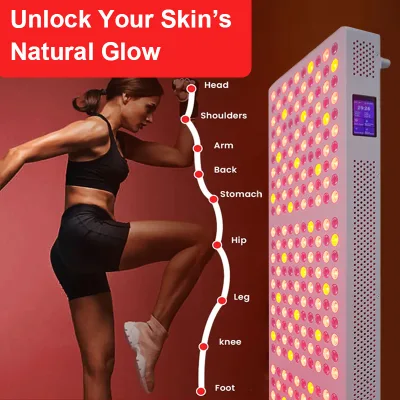

Home Use UV Light 311nm Therapy Device with LCD Display & Built-in Timer for Skin Care
$236.00 - $255.00
MOQ: 2 Pieces


New Releases Touch Screen Infra Redlight LED Red Light Therapy with Stand
$110.00 - $115.00
MOQ: 1 Pieces


Full Body Infrared LED Light Therapy Device with Smart Touch Control
$3199.00 - $3999.00
MOQ: 1 Pieces


$49.00 - $109.00
MOQ: 1 Pieces

Home Use LED Red Light Therapy Bed Devices 850nm Near Infrared Red Light Therapy
$10860.00 - $12060.00
MOQ: 1 Sets

Comprehensive Sourcing Guide
Home Use PDT Light Therapy with Remote Controller Sourcing Guide
Procuring home use PDT light therapy devices with remote controllers requires distinguishing between portable units and larger salon-grade systems that may be repurposed for residential settings. The observed market data indicates a wide spectrum of models, ranging from compact 2.16kg portable units to substantial 94cm wide machines, necessitating careful selection based on available space and mobility needs. Buyers must verify if the specific model supports the "Home" application flag, as many listed products are explicitly designated for professional salon environments only.
The inclusion of a remote controller or advanced interface is a critical differentiator for user experience in a domestic setting. While some models feature a 10.4-inch color touch screen with multi-language support and individual channel control, others rely on simpler manual adjustments or lack sophisticated interface options entirely. Sourcing guides must emphasize verifying the presence of a dedicated remote or intuitive control panel, as the "Smart Functions" like shortcut modes are not universal across all listed PDT machines and are often specific to higher-end PRO series models.
Product Scope and Observed Listing Signals
The product scope for home use PDT devices spans various form factors, including portable light therapy devices and larger half-body treatment units. Listings reveal specific model identifiers such as the LB265 and SP300 PRO, which vary significantly in dimensions and power consumption. Buyers should note that while some units are explicitly labeled as portable, others like the SP300 PRO are marked as non-portable, requiring permanent installation or significant effort to move, which directly impacts suitability for a typical home environment.
Listing signals also highlight diverse packaging and shipping characteristics that influence logistics planning. Products are observed in paper boxes, carton boxes, and aluminum cases, with unit package dimensions ranging from compact 32x27x13cm to larger 49x44x13cm configurations. The delivery time is frequently cited as 3-5 days via express carriers like DHL, FedEx, or UPS, suggesting a supply chain optimized for rapid transit, though this may vary depending on the specific supplier's location and stock availability.
Technical Specifications to Verify
Technical verification must begin with power consumption and voltage compatibility, as listed units range from 60W to 400W and operate on 220V at 50-60Hz. A 100W unit may be suitable for small home areas, whereas a 400W model designed for half-body treatment could strain standard residential circuits. Buyers must confirm that the device's power rating aligns with their local electrical infrastructure and that the 20-minute time adjustment feature meets their intended treatment duration requirements.
The LED configuration and wavelength ratios are equally critical for efficacy and safety. Specifications show ratios such as 660:850nm or complex multi-wavelength blends including 630nm and 460nm, with LED counts varying from 60 units to 300 units. It is essential to verify that the specific model offers the desired therapeutic wavelengths for skin conditions and that the 50,000-hour lifespan claim is backed by manufacturer data, ensuring long-term value without frequent bulb replacements.
Compliance and Safety Documentation
Safety documentation for PDT devices often includes warranty periods ranging from 12 months to 2 years, with some suppliers offering lifetime technical support. Buyers should request explicit confirmation of the warranty terms, specifically regarding the coverage of LED components and electronic controls, as these are high-wear parts. The presence of a 12-month warranty is a baseline expectation, but extended coverage or specific clauses regarding software and hardware failures should be scrutinized before finalizing a purchase.
Regulatory compliance and standard adherence are vital for medical-grade equipment used in a home setting. While specific certification names are not universally listed in the provided data, the "Product size" and "prod_standard" fields suggest adherence to dimensional and manufacturing norms. Buyers must verify that the device meets local safety standards for electrical appliances and medical light therapy equipment, ensuring that the "E-Light" theory or PDT mechanism is validated by recognized testing bodies in their region.
Cost Drivers and Commercial Terms
Cost drivers in this category are heavily influenced by the complexity of the control system and the number of LED emitters. Models featuring a 10.4-inch touch screen, multi-language support, and individual channel control command higher price points compared to basic units with simple time adjustments. The observed price range of 32 to 12,060 USD reflects this disparity, where advanced features like OEM customization for software, logos, and machine shells significantly increase the unit cost.
Commercial terms such as MOQ and customization availability play a pivotal role in procurement strategy. The observed MOQ range of 1 to 10 units allows for small-scale testing, while the availability of customization options enables buyers to tailor the product to their brand. However, buyers must clarify if customization affects the lead time or unit price, as personalized packaging or shell colors may require additional production steps beyond the standard 3-5 day delivery window.
Supplier Qualification and Quality Control
Supplier qualification should focus on the origin and manufacturing consistency of the devices, with all observed products originating from China. Buyers must assess the supplier's ability to maintain quality across different models, such as the transition from the SP1500 PRO to the SP200 PRO, ensuring that build quality remains consistent regardless of the specific product model selected. The variety in packing materials, from paper packages to aluminum cases, indicates different levels of protection and potential quality tiers.
Quality control processes must be verified through the supplier's ability to provide detailed product specifications and performance data. The presence of specific model numbers like 2005 and SP300 PRO suggests a structured product line, but buyers should request batch testing reports to confirm that the LED lifespan and power consumption match the advertised specifications. Ensuring that the supplier can consistently deliver units with the claimed 50,000-hour lifespan is essential for maintaining customer trust and reducing return rates.
Long-Term Procurement Checks
Long-term procurement checks should prioritize the availability of spare parts and the durability of the device's electronic components. Given the high power consumption of some models and the complex LED arrays, buyers must ensure that replacement LEDs or control boards are readily available from the supplier. The 12-month to 2-year warranty period is a starting point, but a robust after-sales support system is necessary to address potential failures beyond the initial coverage period.
Sustainability and software updates are also critical for long-term viability, especially for devices with smart functions and multi-language capabilities. Buyers should verify if the supplier provides firmware updates to enhance the 5 shortcut modes or individual channel controls over time. Additionally, checking the supplier's track record for honoring the "Technical Support for Life" claim ensures that the device remains functional and up-to-date throughout its operational lifespan, protecting the investment against obsolescence.
FAQs
Can home use PDT light therapy devices be customized for branding?
Yes, customization is available for these devices. Buyers can request changes to the software, logo, color, cover, and machine shell. This allows businesses to tailor the appearance and functionality to match their specific brand identity and market requirements effectively.
What is the typical delivery time for these PDT machines?
The standard delivery time is 3-5 days. This rapid turnaround is supported by express shipping options like DHL, FedEx, and UPS. Buyers should confirm specific lead times with suppliers to ensure timely arrival for their operational schedules.
What warranty coverage is provided for these light therapy units?
Warranty periods typically range from 12 months to 2 years. Many suppliers also offer technical support for life. This ensures long-term reliability and provides buyers with necessary assistance for maintenance and troubleshooting throughout the device's operational lifespan.
How many LED lights are included in the SP300 PRO model?
The SP300 PRO model includes 300 units of 5W LEDs. This configuration supports half-body treatment applications. The high density of LEDs ensures comprehensive coverage for target therapy, making it suitable for professional salon environments requiring efficient and effective light therapy sessions.
What power specifications do these PDT devices operate on?
These devices generally operate on 220V at 50-60Hz with a 10A current rating. Power consumption varies by model, ranging from 60W to 400W. Buyers should verify the specific power requirements for their intended use to ensure compatibility with local electrical standards.
Are these PDT devices suitable for both salon and home use?
Yes, these devices are designed for both salon and home applications. Some models are portable, while others are non-portable. The versatility allows for professional treatments in clinics or personal use at home, catering to different user needs and treatment environments effectively.