Source Horizontal Split Packing Gland for pumps valves and compressors
Compare 30 verified options for Horizontal Split Packing Gland designed for pumps, valves, and compressors. Buyers can review material specs like PTFE and Aramid, temperature ranges, and certification details from suppliers in China.
Key considerations
Products List


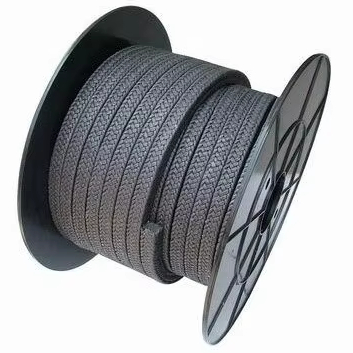


Comprehensive Sourcing Guide
Strategic Sourcing Guide for Horizontal Split Packing Gland Systems
Procuring industrial sealing components requires a meticulous approach that balances technical performance with supply chain reliability. For buyers investigating the Horizontal Split Packing Gland, the primary objective is to identify components that ensure leak-free operation in dynamic machinery environments. The market offers a diverse array of options, ranging from standard square profiles to specialized configurations tailored for specific pressure and temperature regimes. This guide synthesizes available product attributes and industry standards to provide a structured framework for evaluating potential suppliers and selecting the appropriate hardware for critical applications.
Technical Specifications and Material Selection
The foundation of a successful procurement strategy lies in understanding the precise technical specifications of the Horizontal Split Packing Gland. The material composition is the most critical variable, as it dictates the component's resistance to chemical attack, thermal degradation, and mechanical wear. Based on current market data, Polytetrafluoroethylene (PTFE) is a dominant material choice, valued for its exceptional chemical inertness and low coefficient of friction. PTFE-based glands are frequently observed in applications involving aggressive chemicals and require consistent performance across a wide temperature spectrum.
However, material selection is not monolithic. Buyers must also evaluate products incorporating Aramid fibers, either as a standalone material or in a composite formulation with PTFE emulsion. These Aramid-based solutions often present a distinct yellow coloration and are engineered to offer high tensile strength and abrasion resistance. In contrast, Carbon Fiber variants provide a different set of mechanical properties, often favored in high-load scenarios. The specific application dictates the optimal material; for instance, a gland intended for a chemical processing pump may prioritize the chemical resistance of PTFE, while a component for a high-speed compressor might require the structural integrity of Aramid or Carbon Fiber composites.
Dimensional specifications are equally vital. The market exhibits a wide range of standard sizes, with common profiles extending from 3mm up to 38mm in thickness, and broader square cross-sections ranging from 4x4mm to 50x50mm. Some suppliers offer custom sizing to meet specific customer requirements, while others adhere to a standard range of 4-50mm. The shape of the gland is typically square, designed to fit into standard gland boxes, though the track configuration can vary. Buyers should verify whether the system requires a 2, 3, or 4-track arrangement, as this influences the packing density and sealing efficiency. The product model numbers, such as TS2071, TS2060, or PTFE-1, serve as identifiers for these specific configurations, but the physical dimensions and material composition must be cross-referenced against the actual engineering drawings of the machinery.
Operational Parameters and Environmental Limits
Beyond static dimensions, the operational envelope of the Horizontal Split Packing Gland must align with the dynamic conditions of the machinery. Temperature tolerance is a primary constraint. Verified data indicates that certain PTFE-based glands are rated for a temperature range of -200°C to 250°C, making them suitable for cryogenic applications as well as high-heat environments. This wide thermal window is a significant advantage for industries dealing with extreme process conditions. However, buyers must confirm that the specific model selected matches these limits, as material additives can alter thermal performance.
Pressure resistance is another critical parameter. The observed pressure ratings for these components typically span from 0 to 10 MPa. This range covers a vast majority of industrial pump and valve applications, but it is not universal. Procurement teams must ensure that the selected gland can withstand the maximum system pressure without extrusion or deformation. Additionally, velocity constraints are often overlooked but are essential for rotating shafts. The permissible velocity for these glands can range from 0 to 12 m/s. Exceeding this limit can lead to rapid wear and failure, particularly in high-speed compressors or pumps.
The phrasing of the product specifications often includes a "Phrange" of 0-14, which may refer to specific pressure or flow characteristics depending on the manufacturer's nomenclature. Buyers should treat such numerical ranges as observations of specific product lines rather than universal standards. It is imperative to verify the exact operating limits of the specific model number (e.g., PTFE-5*5MM or PG MG M) against the machinery's datasheet. The application environment, whether it involves chemical processing, power generation, or automotive systems, will further dictate the necessary safety margins for these operational parameters.
Compliance, Certification, and Regulatory Standards
In the global B2B market, compliance is not merely a formality but a prerequisite for market access and liability protection. The Horizontal Split Packing Gland supply chain is characterized by a robust array of certifications. Commonly observed certifications include ISO, CE, UL, CSA, RoHS, and UR. These certifications indicate that the manufacturing process adheres to international quality management systems, electrical safety standards, and environmental restrictions.
ISO certification, in particular, is frequently cited across multiple product listings, suggesting a baseline of quality assurance in the production of these sealing components. CE marking is essential for products entering the European market, indicating conformity with health, safety, and environmental protection standards. Similarly, UL and CSA certifications are critical for North American markets, ensuring that the materials and manufacturing processes meet specific fire and electrical safety requirements. RoHS compliance confirms that the product is free from specific hazardous substances, which is increasingly important for environmental regulations.
Buyers must exercise caution when interpreting these certifications. While a product may list "ISO, CE, UL, CSA, RoHS, UR" as a general attribute, it is not guaranteed that every individual SKU or model number carries every single certification. The certification status can vary by production batch or specific model configuration. For example, a gland model TS2071 might carry ISO and CE certifications, while a different model might only list ISO. Therefore, procurement teams should request specific certification documentation for the exact part numbers being ordered. Furthermore, the origin of the product, often listed as Hebei, China, or generally China, should be verified against the supplier's ability to provide valid, traceable certification documents from accredited bodies.
Cost Drivers and Supply Chain Variables
The pricing and supply chain dynamics of horizontal split packing glands are influenced by several key factors. The observed price range in the market is generally between 0 and 50 USD, though this figure represents a broad spectrum that likely includes both low-cost standard items and premium specialized components. The Minimum Order Quantity (MOQ) is equally variable, ranging from 1 unit to 100,000 units. This wide MOQ range suggests that the market caters to both small-scale maintenance needs and large-scale industrial procurement.
Material costs are a primary driver of the final price. PTFE, Aramid, and Carbon Fiber materials have different market valuations, and the complexity of the manufacturing process—such as the extrusion of square profiles or the weaving of fiber composites—also impacts cost. Customization is a significant cost factor; while the product attribute "Customization: Available" is widely noted, custom orders typically incur higher unit costs and longer lead times compared to standard off-the-shelf items. The packaging method, whether in coils, cones, rollers, pallets, wooden cases, or cartons, also influences the logistics cost and the final price.
Lead times and origin locations play a crucial role in supply chain planning. Most products originate from China, with specific manufacturing hubs identified in Hebei. Buyers should anticipate that lead times will vary based on the complexity of the order, the availability of raw materials, and the specific supplier's production capacity. The "Mogen" attribute, indicating a factory presence since 1999, suggests that some suppliers have established long-term operational stability, which can be a positive indicator for supply reliability. However, buyers should not assume that all suppliers with long histories have the same current capacity. It is essential to discuss lead times explicitly during the negotiation phase, especially for large orders or custom specifications.
Supplier Evaluation and Quality Assurance
Evaluating suppliers for horizontal split packing glands requires a multi-faceted approach that goes beyond price comparison. The ability to provide OEM (Original Equipment Manufacturer) services is a key differentiator. Many suppliers offer OEM capabilities, allowing for branding and specific customization to match existing machinery. This is particularly valuable for companies that require seamless integration with their existing equipment.
Quality control is paramount in the sealing industry. A single failure in a packing gland can lead to significant downtime, environmental contamination, or safety hazards. Buyers should verify the supplier's quality control processes, looking for evidence of ISO certification and adherence to specific standards. The "Standard" attribute listed in product data often refers to a generic classification, but buyers should demand detailed technical data sheets that specify the exact standard (e.g., specific ISO or ASTM standards) the product meets.
The variety of product models, such as PTFE, PTFE-1, TS2060, and TS2071, indicates a diverse product portfolio. A supplier offering a wide range of models suggests a deeper technical understanding of the market and the ability to solve complex sealing challenges. However, buyers should be wary of suppliers who claim to offer every possible specification without providing evidence of their manufacturing capabilities. Requesting samples, test reports, and references from similar industries (such as chemical, power, or automotive) is a prudent step in the evaluation process.
Long-Term Procurement and Application Integration
The long-term success of a procurement strategy for horizontal split packing glands depends on the integration of the component into the broader maintenance and operational strategy. The application scope is vast, covering pumps, compressors, valves, and piping systems in industries ranging from chemical processing to power generation and automotive manufacturing. Understanding the specific demands of these applications is crucial for selecting the right product.
For instance, in chemical applications, the resistance to corrosive substances is paramount, making PTFE or Aramid-PTFE composites the preferred choice. In power and automotive applications, the focus may shift towards high-temperature resistance and mechanical durability. The "Usage" attribute, which lists Pump, Compressor, Valve, and Piping, confirms the versatility of these components, but the specific operating conditions within each application must be carefully analyzed.
Buyers should also consider the lifecycle cost of the component. While a lower-priced gland might seem attractive initially, the cost of premature failure, including downtime and replacement labor, can far exceed the initial savings. Investing in high-quality, certified components with proven performance in similar applications is often the most cost-effective strategy in the long run. Furthermore, the availability of spare parts and the supplier's ability to support the product throughout its lifecycle are critical considerations. Establishing a relationship with a supplier who offers consistent quality, reliable lead times, and responsive technical support will ensure the smooth operation of critical machinery over the long term.
Comparative Analysis of Product Attributes
To facilitate decision-making, the following table summarizes the key attributes observed in the market for horizontal split packing glands. This comparison highlights the variability in specifications and helps buyers identify the specific requirements for their projects.
| Attribute Category | Observed Variations | Key Considerations for Buyers |
|---|---|---|
| Material | PTFE, Aramid, Carbon Fiber, Aramid Fiber + PTFE Emulsion | Match material to chemical and thermal environment. |
| Shape | Square | Verify gland box compatibility. |
| Track | 2, 3, or 4 | Determine based on shaft diameter and pressure requirements. |
| Temperature Range | -200°C to 250°C (PTFE specific) | Confirm exact limits for the specific model. |
| Pressure Rating | 0-10 MPa | Ensure rating exceeds maximum system pressure. |
| Velocity Limit | 0-12 m/s | Critical for rotating shaft applications. |
| Certifications | ISO, CE, UL, CSA, RoHS, UR | Verify specific certifications for the ordered model. |
| Origin | China (Hebei) | Assess logistics and lead time implications. |
| Customization | Available | Factor in potential cost and time increases. |
| Packaging | Coil, Cone, Roller, Pallet, Carton, Wooden Case | Ensure packaging protects the product during transit. |
By systematically evaluating these attributes against the specific needs of the application, buyers can make informed decisions that ensure reliability, safety, and cost-effectiveness in their procurement of horizontal split packing glands. The diversity of the market offers solutions for nearly every industrial need, provided that the selection process is grounded in rigorous technical verification and supplier due diligence.
FAQs
What materials are available for horizontal split packing glands?
Available materials include PTFE, Aramid, and Carbon Fiber. PTFE offers chemical inertness, while Aramid composites provide high tensile strength and abrasion resistance for demanding applications.
Which certifications do these glands typically hold?
Common certifications include ISO, CE, UL, CSA, RoHS, and UR. Buyers should verify specific certification documents for each model number as not all SKUs carry every listed certification.
Can these glands operate at extreme temperatures?
Yes, certain PTFE-based glands operate between -200°C and 250°C. This wide thermal range supports cryogenic and high-heat environments, provided the specific model matches the requirement.
What is the maximum pressure rating for these components?
The observed pressure ratings typically span from 0 to 10 MPa. This range covers most industrial pump and valve applications, but system pressure must be verified against the specific model.
How are these glands packaged for shipment?
Packaging options include coils, cones, rollers, pallets, wooden cases, and cartons. The specific method depends on the product model and supplier, influencing logistics costs and handling.
Which shapes and sizes are standard for these glands?
Standard shapes are square with thicknesses from 3mm to 38mm or cross-sections up to 50x50mm. Custom sizing is available, and track configurations can be 2, 3, or 4.
Can suppliers provide OEM services for these glands?
Yes, many suppliers offer OEM services for branding and customization. This allows for seamless integration with existing machinery, though custom orders may incur higher costs and lead times.