Source Horizontal Split Multistage Centrifugal Pump for Water Supply, Irrigation, and Industrial Circulation
Explore 30 listings for the Horizontal Split Multistage Centrifugal Pump designed for high-pressure water supply, irrigation systems, and industrial circulation. Buyers can compare motor-driven models with varying head capacities and casing types to find suitable options.
Key considerations
Products List


$50.00 - $1000.00
MOQ: 10 units


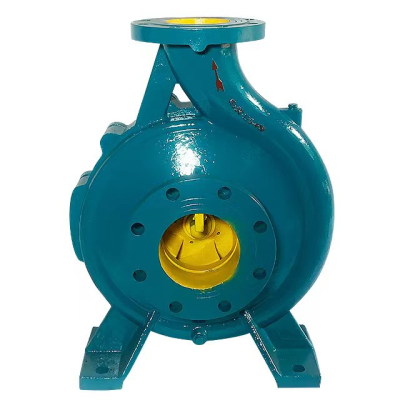

$300.00 - $10000.00
MOQ: 1 Pieces


Comprehensive Sourcing Guide
Strategic Sourcing Guide for Horizontal Split Multistage Centrifugal Pumps
Understanding the Technical Architecture of Horizontal Split Multistage Units
When evaluating the core keyword "Horizontal Split Multistage Centrifugal Pump," buyers must first distinguish this specific configuration from vertical or single-stage alternatives. The defining characteristic of this equipment is the horizontal split pump casing, which allows the casing to be separated along a horizontal plane. This design facilitates easier access to internal components for maintenance without the need to disconnect piping or move the motor, a critical advantage for industrial facilities requiring high uptime. The "multistage" designation indicates the presence of multiple impellers arranged in series on a single shaft. This configuration is engineered to generate high discharge pressures by incrementally increasing the fluid energy as it passes through each stage, making these units ideal for applications where head requirements exceed the capabilities of single-stage designs.
Based on observed product attributes in the current market, these pumps frequently feature a horizontal pump shaft position and are often categorized as high-pressure pumps. The impeller configuration is a key differentiator; while some models utilize closed impellers for efficiency with clean fluids, others may employ semi-open designs depending on the specific fluid characteristics. The influent type of the impeller varies, with single-suction and double-suction configurations available. In the context of multistage units, the single-suction design is common, where fluid enters from one side of the impeller. The casing combined design is explicitly noted as "Horizontal Split Pumps," confirming the structural integrity required for high-pressure containment. Buyers should verify that the specific model they are sourcing aligns with the required head range, as observed data indicates performance capabilities ranging from 50-80 meters up to heads exceeding 150 meters.
Compliance Verification and Certification Standards
Navigating the regulatory landscape is a non-negotiable aspect of sourcing industrial pumps. For horizontal split multistage centrifugal pumps, compliance is often tied to international standards and specific certifications that validate safety and performance. The supplied context highlights several relevant standards, including ISO and CE. The ISO standard is frequently cited as a baseline for quality management and product specifications, ensuring that the manufacturing process adheres to globally recognized protocols. The CE marking is another critical indicator, particularly for buyers operating within or exporting to European markets, as it signifies conformity with health, safety, and environmental protection standards.
It is essential to approach certification claims with a verification mindset. While some product listings explicitly state "CE" or "ISO" as the product standard, others may list "Depend on model" or specific model numbers like "CDLF4-4" as the standard reference. This variability suggests that certification is not uniform across all units in a category but is often tied to specific model configurations or manufacturing batches. Buyers must request valid certification documents for the exact model number being procured. Furthermore, additional certifications such as SGS may appear in specific listings, indicating third-party inspection and quality assurance. The presence of these certifications should be cross-referenced with the intended application environment; for instance, pumps intended for potable water or high-pressure industrial systems may require more rigorous validation than those for general circulation.
Cost Drivers and Pricing Dynamics in the Market
The pricing structure for horizontal split multistage centrifugal pumps is influenced by a complex interplay of technical specifications, material choices, and manufacturing origins. The observed price range in the market is exceptionally broad, spanning from 1 USD to 100,000 USD. This vast disparity is not indicative of a single product tier but rather reflects the diversity of configurations, from small-scale units to heavy-duty industrial systems. Several key factors drive these costs. First, the maximum head and capacity requirements significantly impact the price. Units capable of exceeding 400 L/min or generating heads over 150 meters require more robust materials, larger motors, and more complex machining, which increases the unit cost.
Material selection is another primary cost driver. The impeller material, for example, can vary from cast iron to stainless steel. Listings explicitly mentioning "Stainless Steel" impellers typically command a higher price point due to the material's superior corrosion resistance and durability, especially in demanding environments. The casing material and the type of sealing system also contribute to the final cost. Additionally, the origin of the pump plays a role in pricing dynamics. Products originating from specific regions such as Shanghai, Guangzhou, or Taizhou in China may have different cost structures based on local labor rates, supply chain efficiencies, and export logistics. The packaging method, ranging from simple boxes to export wood cases or fumigation wooden cases, also adds to the overall landed cost. Buyers should be aware that the Minimum Order Quantity (MOQ) can vary between 1 and 100 units, which affects the per-unit economics for smaller procurement projects.
Typical Applications and Operational Scenarios
Horizontal split multistage centrifugal pumps are versatile assets deployed across a wide spectrum of industrial sectors. Their ability to generate high pressure makes them particularly suitable for applications requiring the transfer of fluids over long distances or to significant elevations. Common usage scenarios include water supply systems, boiler feed applications, and high-pressure cleaning systems. The observed data indicates that these pumps are frequently used for "Pumping Water" and "Circulating Pump" duties, suggesting their prevalence in HVAC systems, cooling towers, and industrial water loops.
Specific model variations cater to distinct operational needs. For instance, models designated as "DFW" or "BDL" are often associated with specialized uses such as condensate pumping or slurry handling, where wear resistance and anti-corrosion properties are paramount. The "Mounting Height" attribute, described as "Since Irrigation Centrifugal Pumps" or "Suction Centrifugal," highlights their adaptability to various installation heights and suction conditions. In irrigation contexts, the capacity range of 300-400 L/min or exceeding 400 L/min is critical for maintaining adequate flow rates. The "Wear Resistance" and "Anti-Corrosion" attributes found in product specifications indicate that these pumps are also selected for handling slightly aggressive fluids or environments where longevity is a priority. Whether used in municipal water treatment, industrial processing, or agricultural irrigation, the multistage design ensures that the pump can maintain consistent pressure even as system demands fluctuate.
Supplier Evaluation and Geographic Sourcing Considerations
When evaluating potential suppliers for horizontal split multistage centrifugal pumps, buyers must look beyond the product specifications to the operational capabilities of the manufacturer. The supply chain for these pumps is heavily concentrated in China, with specific hubs identified in Shanghai, Guangzhou, and Taizhou. Each of these locations may offer different advantages regarding specialization, logistics, and production capacity. Shanghai, for example, is often associated with high-tech manufacturing and export-oriented facilities, while Guangzhou and Taizhou may have strong clusters of pump manufacturing with established supply chains for components.
A critical aspect of supplier evaluation is the verification of the "prod_origin" and the consistency of the "prod_standard." Buyers should ensure that the supplier's stated origin matches the actual manufacturing location to avoid misrepresentation. Additionally, the availability of customization is a significant factor. Many suppliers offer "Customization: Available," allowing for modifications to the pump model, casing material, or impeller design to suit specific project requirements. The packaging standards, such as "Export Wood Case" or "Fumigation Wooden Case," are also indicators of a supplier's commitment to protecting the product during international transit. Buyers should request detailed information on the supplier's quality control processes, including how they handle the "Horizontal Split" assembly and the testing procedures for the multistage configuration.
Quality Control Protocols and Long-Term Procurement Strategy
Ensuring the long-term reliability of horizontal split multistage centrifugal pumps requires a rigorous approach to quality control and procurement planning. The complexity of the multistage design, with its multiple impellers and high-pressure casing, necessitates precise manufacturing tolerances. Buyers should verify that the supplier conducts comprehensive testing, including hydrostatic pressure tests and performance curve verification, to ensure the pump meets the specified head and capacity requirements. The "ISO" and "CE" standards mentioned in product data serve as benchmarks for these quality processes, but they should be backed by actual test reports for the specific batch being purchased.
Long-term procurement considerations extend beyond the initial purchase price to include maintenance, spare parts availability, and lifecycle costs. The "Horizontal Split" design is inherently maintenance-friendly, but the frequency of maintenance depends on the operating conditions and the quality of the components. Buyers should inquire about the availability of spare parts, such as impellers, mechanical seals, and bearing assemblies, which are critical for minimizing downtime. The "Wear Resistance" and "Anti-Corrosion" features are essential for extending the service life of the pump, particularly in harsh environments. Furthermore, the "Customization" option allows buyers to tailor the pump to their specific needs, potentially reducing long-term operational costs by optimizing efficiency and reducing energy consumption. By focusing on these quality and strategic factors, buyers can secure a reliable supply of horizontal split multistage centrifugal pumps that meet their operational demands.
Comparative Analysis of Key Product Attributes
To facilitate informed decision-making, it is useful to compare the key attributes of different Horizontal Split Multistage Centrifugal Pump configurations. The following table summarizes the variations observed in the market, highlighting the differences in specifications, standards, and origins that buyers should consider.
| Attribute Category | Configuration A | Configuration B | Configuration C |
|---|---|---|---|
| Casing Type | Horizontal Split Pumps | Verticaljoint Surface Pump | Horizontal Split Pumps |
| Impeller Number | Multistage Pump | Single-Stage Pump | Multistage Pump |
| Shaft Position | Horizontal Pump | Vertical Pump | Horizontal Pump |
| Max Head Range | >150m | 50-80m | >150m |
| Max Capacity | >400 L/min | 300-400 L/min | >400 L/min |
| Impeller Type | Closed | Semi-Open | Closed |
| Standard | ISO, CE | CDLF4-4 | CE, SGS |
| Origin | Shanghai, China | Taizhou, China | Guangzhou |
| Packing | Export Wood Case | Wooden Case | Fumigation Wooden Case |
This comparison illustrates that while the core function remains the same, the specific configuration of the pump can vary significantly based on the intended application and the manufacturer's specialization. Buyers must carefully match these attributes to their project requirements, ensuring that the selected pump offers the necessary head, capacity, and durability for their specific use case. The variation in standards and origins also underscores the importance of thorough due diligence when selecting a supplier.
FAQs
What is the maximum head capacity for these pumps?
These pumps can achieve heads exceeding 150 meters or fall within the 50 to 80 meters range depending on the specific model. Buyers should verify the exact model number to confirm the required pressure capability for their application.
Which certifications are available for horizontal split pumps?
Common certifications include CE and ISO standards, with some models also meeting SGS requirements. Buyers must request valid certification documents for the specific model number being procured to ensure compliance with safety and quality protocols.
Can these pumps be customized for specific needs?
Yes, customization is available for many models to suit specific project requirements. Suppliers often allow modifications to the pump model, casing material, or impeller design to optimize efficiency and performance for unique operational environments.
What is the typical packaging for export orders?
Export packaging typically includes wooden cases, fumigation wooden cases, or carton boxes depending on the product model. This ensures the pump is protected during international transit and meets standard shipping requirements for industrial equipment.
Where are these pumps primarily manufactured?
Manufacturing origins are primarily located in China, with specific hubs in Shanghai, Guangzhou, and Taizhou. Buyers should verify the stated origin to ensure consistency with the actual manufacturing location and supply chain capabilities.
What is the minimum order quantity for these units?
The minimum order quantity ranges from 1 to 100 units depending on the supplier and model configuration. Smaller procurement projects may be accommodated with lower MOQs, while larger industrial orders might require higher volume commitments.