Source Hot and Cold Foam Milk Frother for bread cake biscuit
Compare 30 listings of Hot and Cold Foam Milk Frother units with features like detachable bases and cool-touch casings. Buyers can evaluate options for bread, cake, and biscuit applications with varying voltage and material specifications.
Key considerations
Products List


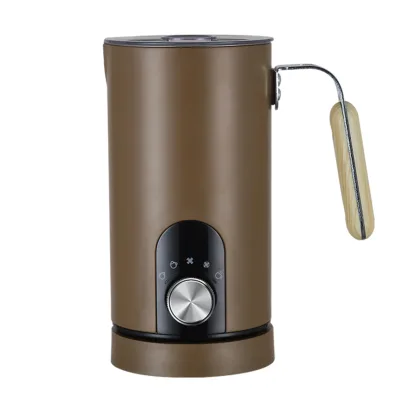
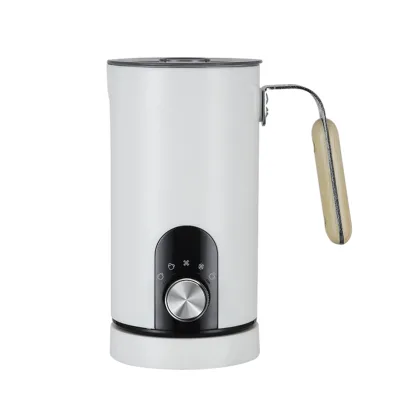


One-Touch Operation Milk Foam Maker for Latte Cappuccino Hot & Cold Milk Froth Makers
$10.10 - $11.00
MOQ: 3000 Pieces


Home Use High-Quality Electric Milk Frother Automatic Hot Cold Foam Maker
$10.10 - $11.00
MOQ: 3000 Pieces


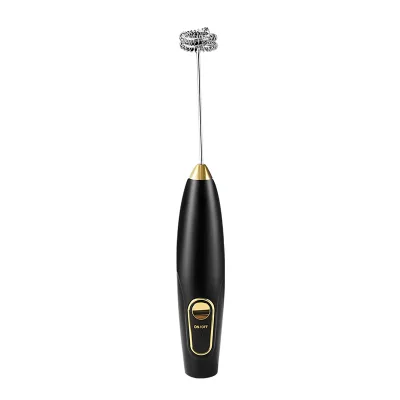


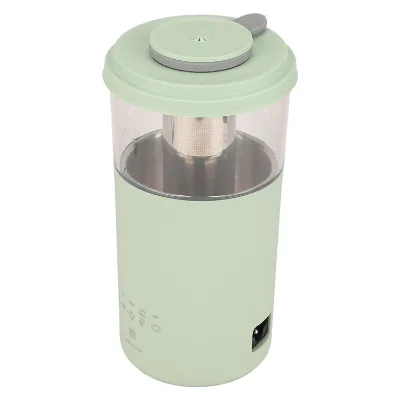

Comprehensive Sourcing Guide
Hot and Cold Foam Milk Frother Sourcing Guide
The global demand for versatile beverage equipment has elevated the Hot and Cold Foam Milk Frother from a niche accessory to a staple in commercial and residential kitchens. These devices are engineered to transform liquid milk into a stable, airy foam suitable for lattes, cappuccinos, and specialty coffee drinks, while also handling cold applications for iced beverages. Buyers must recognize that the market offers a spectrum of solutions ranging from simple handheld whisks to countertop machines capable of heating and frothing simultaneously. Understanding the specific operational capabilities of each unit is the first step in aligning procurement with the intended service environment, whether it is a high-volume café or a boutique home appliance line.
Sourcing decisions for this category hinge on the ability to distinguish between products designed for single-function tasks and those offering multifunctional versatility. The observed product landscape includes units with variable froth settings, auto shut-off mechanisms, and temperature controls, alongside simpler models that rely on manual operation or basic electric motors. Procurement teams must evaluate whether the target market requires advanced features like see-through lids, ergonomic handles, or specific housing materials such as 304 stainless steel and non-stick coatings. This differentiation ensures that the selected inventory meets the performance expectations of the end-user without incurring unnecessary costs for features that may not be utilized in the specific application context.
Product Scope and Observed Listing Signals
The current market inventory for milk frothers displays a wide variance in physical attributes and functional claims, necessitating a careful review of listing signals before placing orders. Observed product data indicates that units are available in various configurations, including models with detachable bases, cool-touch casings, and compact designs suitable for limited counter space. Some listings highlight specific applications such as bread, cake, and biscuit preparation, suggesting a broader utility for certain multifunctional machines, while others focus strictly on foam milk generation for coffee and tea tools. Buyers should treat these diverse feature sets as observations of available options rather than universal standards, verifying that the specific model selected matches the intended use case.
Material composition and packaging standards are critical signals that define the perceived quality and logistics requirements of the shipment. The supply chain for these devices frequently utilizes 304 stainless steel for internal components to ensure food safety and durability, while outer housings may be constructed from plastic or metal depending on the price point and design aesthetic. Packaging varies significantly, with some units shipped in individual color boxes for retail readiness, while others are packed in bulk cartons containing multiple units, such as 12 pieces per carton. Procurement teams must align their logistics planning with these packaging specifications, as the choice between single-item packaging and bulk carton shipping directly impacts warehousing efficiency and retail presentation.
Technical Specifications to Verify
Voltage compatibility and power requirements are the primary technical constraints that must be validated to ensure operational safety and functionality in the target market. The observed product data includes units rated for 220V operation, which is standard in many regions but requires specific attention for buyers targeting markets with different electrical standards. Additionally, the presence or absence of a timing device and the specific voltage rating must be confirmed against the local grid infrastructure to prevent equipment failure or safety hazards. Buyers should also verify the controller options, as some suppliers offer choices between domestic and international controller brands like Strix, which can influence the reliability and longevity of the heating and frothing cycles.
Temperature control and capacity limits are essential specifications that define the performance envelope of the frother. High-end models in the observed range feature maximum temperature limits around 68℃ and capacities between 150ml and 300ml, allowing for precise thermal management during the frothing process. These specifications are particularly relevant for applications requiring hot milk foam, where overheating can degrade the texture and flavor of the beverage. Conversely, units designed for cold foam may prioritize different mechanical features, such as variable froth settings and quiet functions, to ensure a smooth operation without generating excessive heat. Buyers must cross-reference these technical parameters with their product requirements to avoid selecting a unit that cannot meet the desired output quality.
Compliance and Safety Documentation
Safety mechanisms are a non-negotiable aspect of milk frother procurement, particularly for devices that involve heating elements and electrical components. The observed product features include auto shut-off functions, overheat protection, and boil-dry protection, which are critical for preventing accidents and extending the lifespan of the appliance. These safety features must be verified through documentation to ensure they are not merely marketing claims but are integrated into the product's design and tested for reliability. Procurement teams should request evidence of these safety protocols, such as test reports or design schematics, to confirm that the device will operate safely under continuous use conditions.
Food contact materials and housing integrity are equally important compliance considerations that affect both user safety and regulatory adherence. Many units in the market utilize 304 stainless steel for internal parts and non-stick coatings for the inner housing, which must be certified as food-grade to meet international safety standards. The outer casing often incorporates cool-touch materials to prevent burns during operation, a feature that should be validated against relevant thermal safety standards. Buyers should ensure that all materials used in the construction of the frother, including the housing and internal components, comply with the food safety regulations of the destination market, as non-compliance can lead to product recalls and legal liabilities.
Cost Drivers and Commercial Terms
The pricing structure for milk frothers is influenced by a complex interplay of material costs, feature complexity, and customization requirements. Units featuring advanced capabilities such as variable froth settings, indicator lights, and premium materials like 304 stainless steel typically command higher price points compared to basic models with simple electric motors and plastic housings. The observed price range in the market spans from approximately $0.56 to $49.90, reflecting the diversity of product tiers available. Buyers must analyze the cost-to-feature ratio to determine the optimal product mix for their target market, balancing the need for high-performance features with the budgetary constraints of the procurement project.
Minimum Order Quantities (MOQ) and packaging configurations are significant commercial terms that impact the financial viability of the order. The observed MOQ range extends from 1 unit to 3,000 units, offering flexibility for both small-scale testers and large-volume distributors. However, the packaging format, whether single-item color boxes or bulk cartons, can affect the effective cost per unit and the logistics expenses associated with shipping and storage. Procurement teams should negotiate terms that align with their inventory turnover rates and storage capabilities, ensuring that the chosen MOQ and packaging strategy do not create unnecessary financial burdens or logistical bottlenecks.
Supplier Qualification and Quality Control
Supplier qualification for milk frothers requires a rigorous assessment of manufacturing capabilities and quality assurance processes. The observed product data indicates that manufacturers are located in key industrial hubs such as Jiangsu and Guangdong in China, regions known for their expertise in small appliance production. Buyers should verify the supplier's ability to handle customization requests, as many listings indicate the availability of OEM and ODM services for branding and logo placement. Ensuring that the supplier has a proven track record of delivering consistent quality is essential, particularly when dealing with complex electrical components and food-grade materials that require precise manufacturing tolerances.
Quality control protocols must be established to maintain product consistency and minimize the risk of defects. Given the variety of features observed, from detachable bases to automatic shut-off mechanisms, a robust inspection plan is necessary to verify that each unit meets the specified performance standards. Buyers should implement pre-shipment inspections that focus on critical safety features, material integrity, and functional performance, such as the ability to froth milk at the correct temperature and consistency. Establishing clear quality benchmarks and communication channels with the supplier will help ensure that the final product aligns with the buyer's expectations and maintains the brand's reputation for reliability.
Long-Term Procurement Checks
Sustaining a successful procurement relationship for milk frothers involves ongoing monitoring of product performance and market feedback. As the market evolves, buyers should regularly review customer feedback to identify any recurring issues related to durability, safety, or functionality. This feedback loop is crucial for refining product specifications and ensuring that the supplier continues to meet the changing demands of the end-user. Proactive engagement with the supplier to address any quality concerns or to incorporate new features based on market trends will help maintain a competitive edge in the beverage equipment sector.
Strategic planning for future procurement cycles should include an evaluation of supply chain resilience and the potential for product line expansion. Buyers should assess the supplier's capacity to scale production in response to increased demand and their ability to adapt to new regulatory requirements or technological advancements. Developing a long-term partnership with a reliable supplier who can offer consistent quality, flexible customization, and timely delivery will provide a solid foundation for growth. By maintaining a strategic focus on quality and reliability, procurement teams can ensure a steady supply of high-performance milk frothers that meet the evolving needs of their customers.
FAQs
What materials are used for hot and cold foam milk frothers?
These devices typically utilize 304 stainless steel for the inner housing and whisk components to ensure food-grade safety and durability. Some models also incorporate plastic for the outer casing or handle to provide a lightweight and ergonomic grip. The combination of metal and plastic ensures the unit remains cool to the touch during operation while maintaining structural integrity for daily commercial or home use.
Can the Hot and Cold Foam Milk Frother operate on 220V power?
Yes, many available models are designed to operate on 220V electrical systems, making them suitable for regions with this standard voltage. This specification ensures compatibility with power grids in countries like China and parts of Europe. Buyers should verify the voltage requirement against their local electrical infrastructure before purchase to ensure safe and efficient operation without the need for additional transformers.
What is the typical capacity range for these milk frothing devices?
The capacity for these units generally ranges from 150ml to 300ml, which is ideal for preparing single or double servings of coffee beverages. This volume allows for the creation of dense microfoam for lattes or airy foam for cappuccinos without wasting milk. The compact size makes them easy to store and clean, fitting well within standard kitchen or cafe counter spaces.
Does the Hot and Cold Foam Milk Frother include automatic safety features?
Yes, these devices commonly feature auto shut-off and boil-dry protection mechanisms to prevent overheating and damage. Some models also include overheat protection and indicator lights to signal operational status. These safety features ensure the device stops running if the milk level is too low or if the temperature exceeds safe limits, enhancing user safety and extending the product lifespan.
Is customization available for branding and packaging of these frothers?
Customization is available for both branding and packaging, allowing buyers to add their own logos or design elements. Suppliers often offer OEM and ODM services, including custom logos and color box packaging. This flexibility enables businesses to create a unique brand identity for their products, ensuring they stand out in the market while maintaining the core functionality and quality of the frother.
What are the key features of the multifunction milk frother machine?
Key features include variable froth settings, a see-through lid, and a quiet function for comfortable operation. The device is lightweight, compact, and often includes an ergonomic handle and detachable base for easy cleaning. These attributes make it suitable for both home and commercial use, providing versatile performance for creating solid, air, hot milk, or mixed drinks with consistent results.